


1930s Easy Chairs
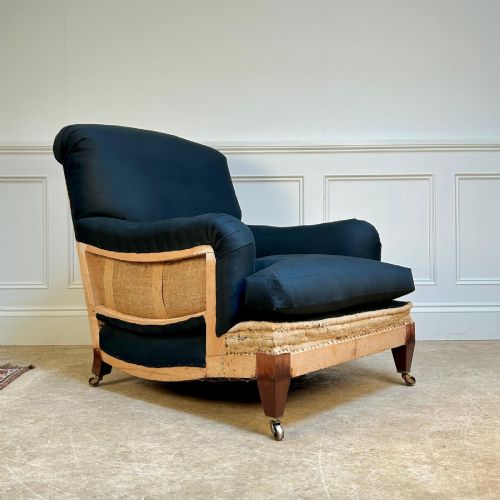
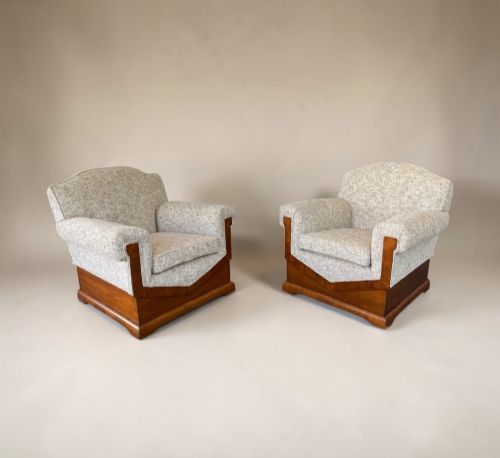
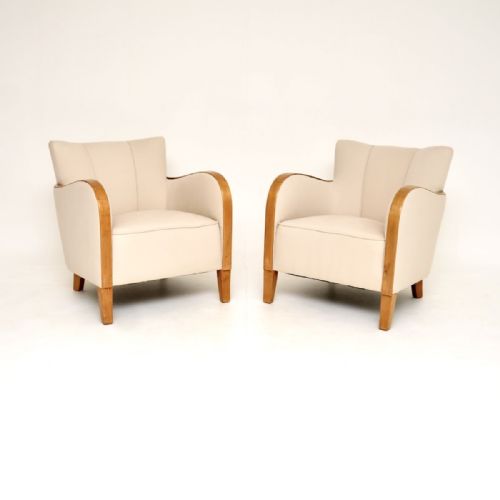
These 1930s easy chairs combine deep-seated comfort with striking modernist design, offering both heavy club proportions and refined Swedish forms that anchor a room.
1930s Easy Chairs
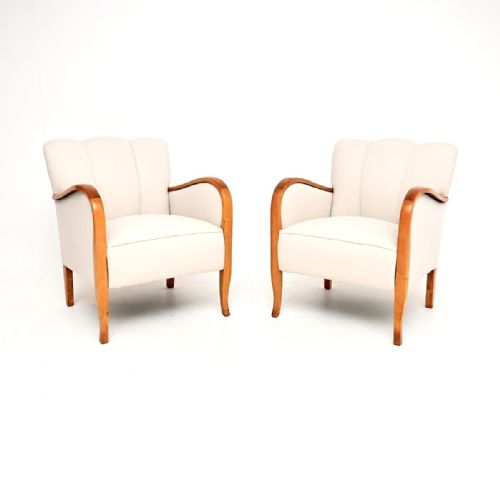
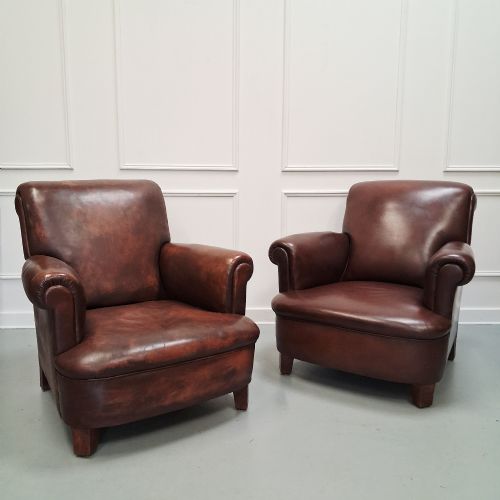
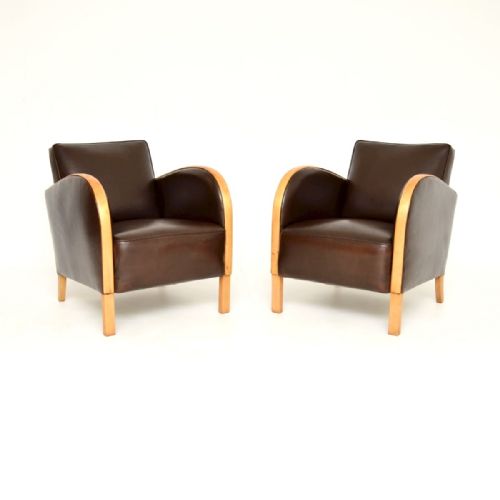
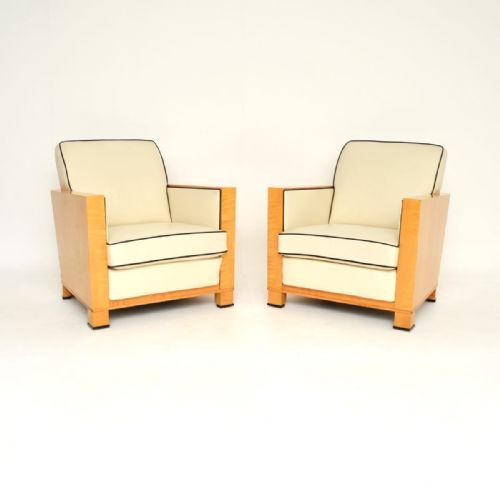
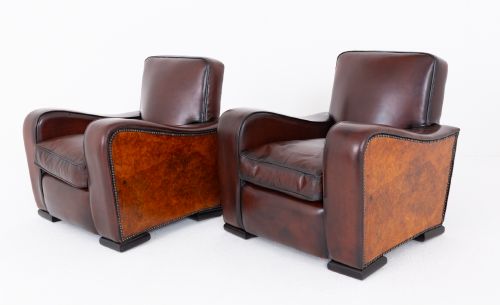
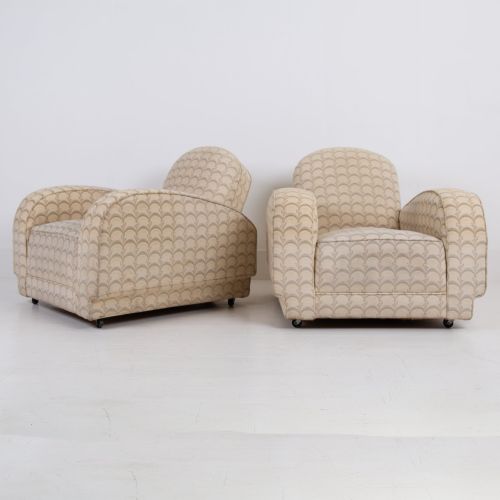
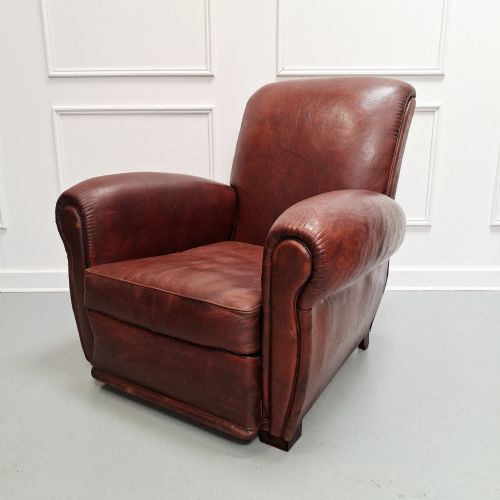
You are most likely to meet pairs in this category, particularly French leather club chairs and Swedish satin birch armchairs. These forms often display the sweeping curves and geometric lines characteristic of the period.
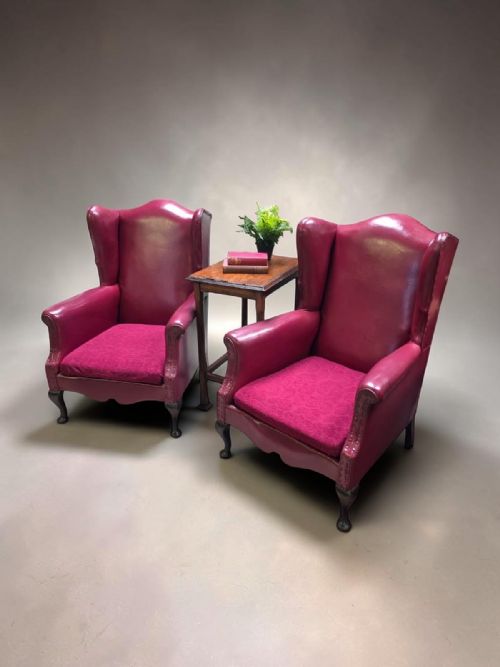
The objects span transitional traditional revivals like Queen Anne and George I styles alongside pure Art Deco designs. Walnut and hardwood frames support both heavy leather hides and modern fabric upholstery.
How they were made
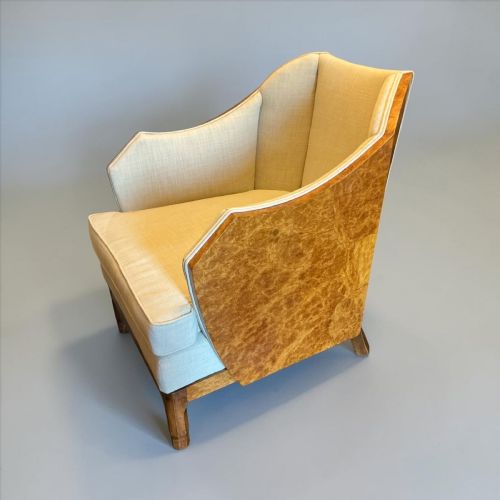
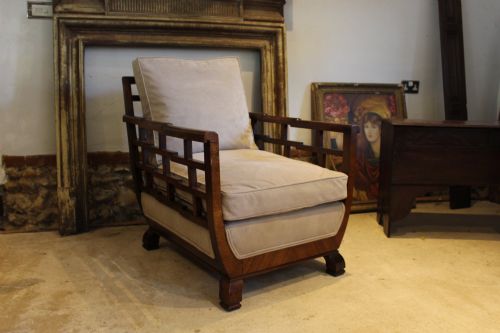
Makers constructed the supportive frames of these easy chairs using solid timbers like walnut, elm, birch, and satin birch, often applying burr birch veneers for decorative grain patterns. Bentwood techniques also appeared in seating designs to achieve curved structural elements.
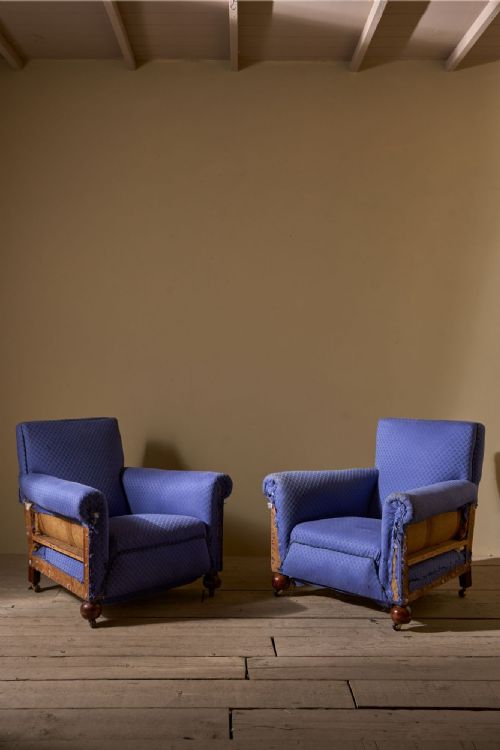
Upholstered surfaces combined traditional stuffing methods with robust leather hides, calf suede, and various decorative fabrics. Leather club chairs utilised thick skins pulled tight over heavy sprung frames to create a durable, padded finish.
One enterprising maker utilised bentwood so the chair could curve around the sitter like a polite wooden hug.
What varies in quality
The distinction between ordinary and exceptional examples rests in the crispness of the woodwork and the selection of timber veneers. Chairs utilising figured satin birch or burr birch display superior grain movement compared to plain hardwood frames.
Leather quality dictates the tactile experience of the club chairs, with supple, well-tanned hides outperforming stiff or heavily corrected alternatives. The balance of the proportions, particularly the curve of the arms and rake of the back, separates basic seating from high design.
Hary and Lou Epstein·Heals
The 1930s Easy Chairs Glossary
- Art Deco
- A design style spanning the interwar period characterised by sleek geometric shapes, stylised curves, and modern industrial materials. It dominates the aesthetic of interwar seating.
- Club chair
- A deep, heavy armchair traditionally upholstered in leather with low arms and a padded seat. They provide substantial comfort and generous proportions.
- Satin birch
- A light-coloured timber with a silky sheen often utilised in Scandinavian furniture production. It brings a bright, reflective surface to modernist frames.
- Bentwood
- Wood softened by steam and bent into curved structural forms. This technique created smooth, continuous lines without traditional joinery.
- Wingback armchair
- A high-backed seating form featuring protective side panels designed to shield the sitter from drafts. Revival versions appeared frequently during the interwar decades.
1930s Easy Chairs: Frequently Asked Questions
Are 1930s easy chairs comfortable?
These chairs were built specifically for deep relaxation, featuring generous proportions and heavy cushioning designed for domestic comfort. Club variants offer particularly deep seats.
Many surviving pieces retain supportive sprung interiors that rival modern upholstery for everyday lounging.
How do I identify Art Deco armchairs?
Look for streamlined silhouettes, symmetrical geometric shapes, and a lack of excessive ornamentation. The lines tend to flow smoothly from the back down to the armrests.
Materials like polished walnut, satin birch, and smooth leather frequently accompany these distinctive modernist outlines.
What is a French club chair?
A French club chair is a deep, low-slung armchair upholstered in thick leather designed for heavy domestic use. They are known for their rounded profiles and generous padding.
These chairs often form matched pairs and develop a rich patina across the leather hide over decades of handling.
Will these chairs fit in a modern room?
The clean lines of Swedish models and the sculptural forms of walnut frames integrate easily into contemporary interiors. Their neutral leather tones complement minimalist palettes.
Scale is the main consideration, as club chairs require sufficient floor space to avoid crowding smaller rooms.