




Pair Neoclassical Wall Art
Pair neoclassical wall art brings balanced classical symmetry into a room through matching panels, reliefs and engravings.
Pair Neoclassical Wall Art
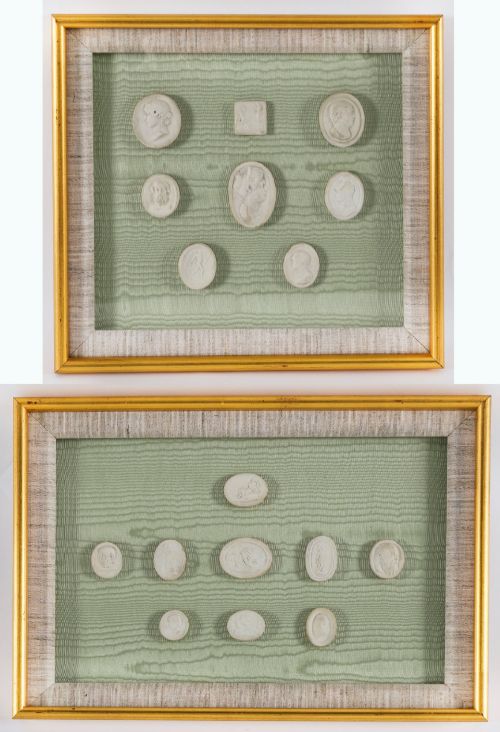
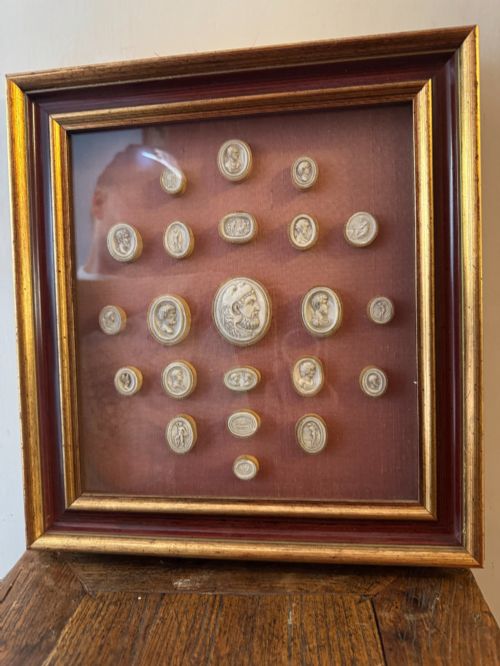
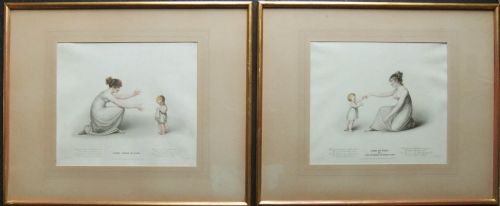
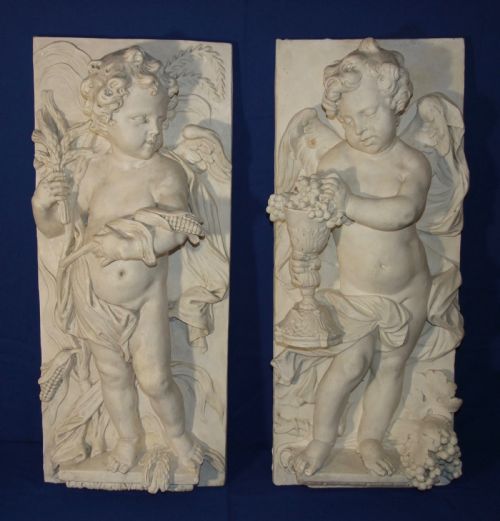
Pair neoclassical wall art spans framed intaglios, carved plaques and classical engravings designed to hang in symmetrical balance. These decorative pieces reflect the enduring fascination with ancient Greek and Roman motifs across the eighteenth and nineteenth centuries.
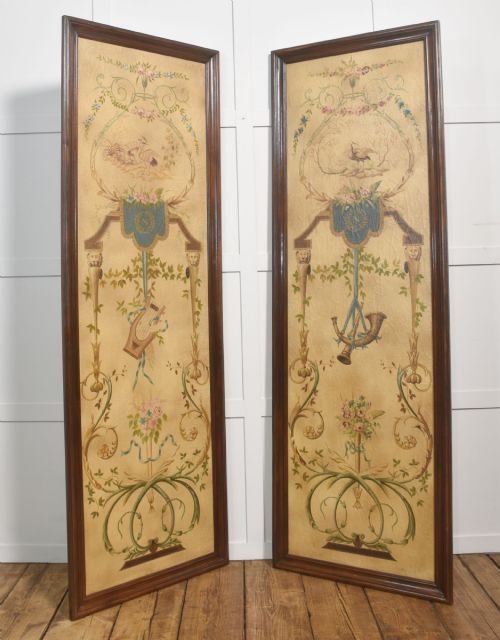
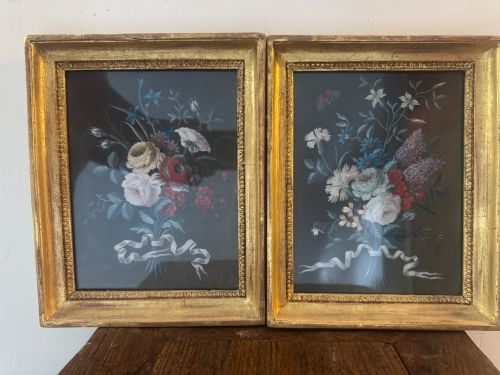
Buyers will also encounter marble profile plaques, gouache still lifes and trompe l'oeil paintings of cherubs. Each matching set offers disciplined proportion and mythological subject matter suited to formal wall placement.
How they were made
Plaster, gypsum and marble provide the physical substance for intaglios, cameos and wall friezes, capturing fine sculptural detail. Wood and glass typically enclose these reliefs within protective frames, sometimes accented with gold leaf or gilt finishes.
Paper supports engraved and painted works, utilising gouache and ink to depict classical scenes and floral still lifes. Canvas and wood boards carry oil paintings, applying traditional pigments to create trompe l'oeil effects and mythological subjects.
Classical cherubs and winged friezes quietly judge daily room activities from behind their glass frames.
What varies in quality
Print quality relies on the clarity of the plate impression and the preservation of the paper surface over centuries. Hand-painted panels and oil works depend on pigment retention and the skill of the brushwork in rendering drapery and expression.
Giovanni Liberotti·Pierre Buillon·Henri Chatillon·Francesco Piranesi·Adam Buck
The Pair Neoclassical Wall Art Glossary
- Intaglio
- A carved or engraved design that sits depressed below the surface of a gemstone, glass or plaster medium. These small-scale works were popular collector pieces during the Grand Tour era.
- Grand Tour
- A traditional trip through Europe, particularly Italy, undertaken by young upper-class men in the eighteenth and nineteenth centuries to study classical art and acquire souvenirs.
- Gouache
- An opaque water-based pigment mixed with a binding agent, used to create matte paintings with strong colour density. It frequently appears in botanical and figurative works from the eighteenth century.
- Trompe l'oeil
- An artistic technique that uses realistic imagery to create the optical illusion that the depicted objects exist in three dimensions. This style is often found in decorative wall panels.
- Frieze
- A long, narrow band of sculpture or painted decoration adorning a wall or architectural feature. Plaster examples often depict classical figures and mythological processions.
Pair Neoclassical Wall Art: Frequently Asked Questions
What is a Grand Tour intaglio?
A Grand Tour intaglio is a nineteenth-century souvenir cast in plaster, gypsum or glass, modelled after ancient carved gems. Travellers collected these miniature classical scenes to document their cultural education abroad.
Framed sets allowed collectors to display multiple mythological profiles and ancient architectural reliefs together on their library walls.
How do I care for plaster and gypsum wall art?
Keep plaster and gypsum plaques away from direct sunlight and damp environments to protect the porous material. Dust the surfaces gently with a soft, dry brush without applying moisture or cleaning agents.
Glass fronts on framed intaglios offer additional protection against atmospheric dust and handling.
Are these engravings original period pieces?
The listings include eighteenth and nineteenth-century engravings produced during the height of neoclassical revival interest. Artists and printmakers of the period often referenced ancient sculptures and architectural ruins.
Paper quality, plate marks and printing techniques help distinguish these historical impressions from later reproductions.