


Classical Miniature Painting
These small works of classical miniature painting capture portraits, mythologies and landscapes on paper, enamel, board and panel across several centuries.
Classical Miniature Painting
A classical miniature painting brings together historical portraiture, mythology and delicate landscapes scaled down to pocket or cabinet size. When you search for classical miniature painting, you encounter works executed in watercolour, oil, enamel and gouache.
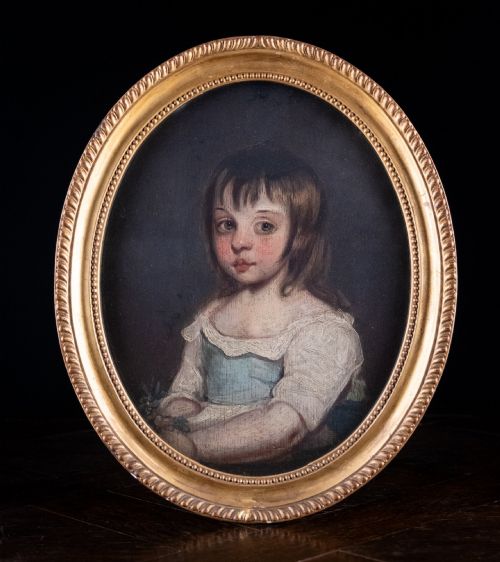
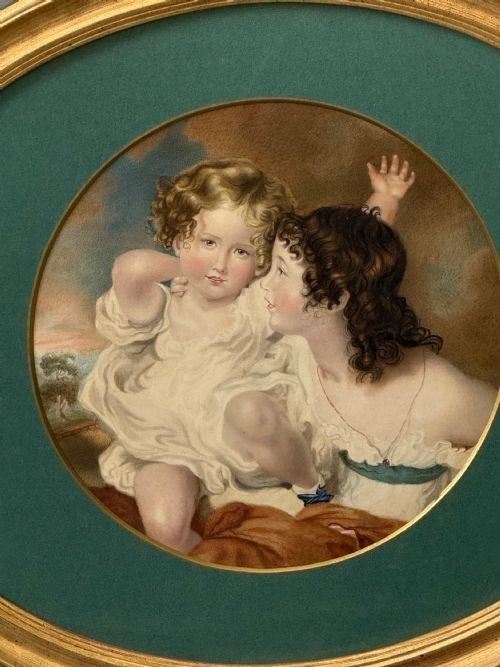
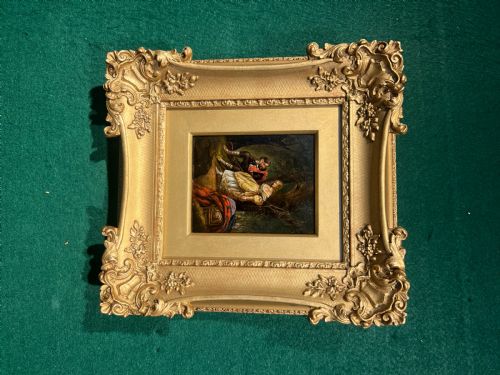
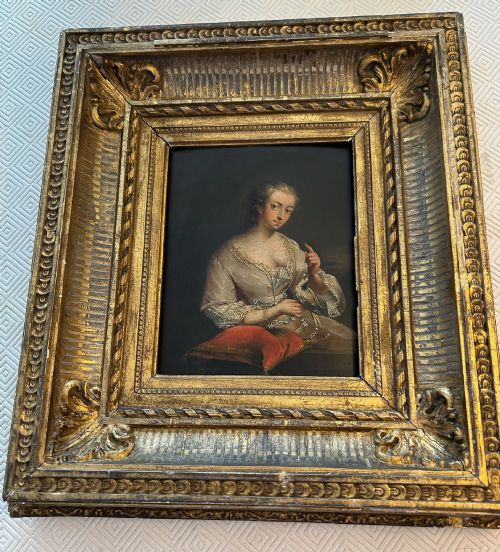
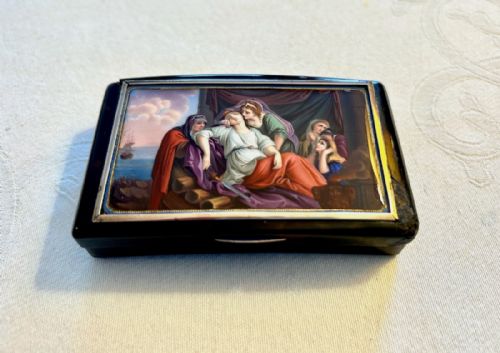
The pieces listed here span the eighteenth and nineteenth centuries into the twentieth, taking the form of framed pictures, music boxes, snuff boxes and table cabinets. Portraits of country girls, children after Sir Thomas Lawrence and mythological scenes appear frequently.
Continental schools, Scottish works and French neoclassical compositions represent the geographical spread of these objects. Each piece relies on precise brushwork to achieve detail on a small surface.
Materials and Technique
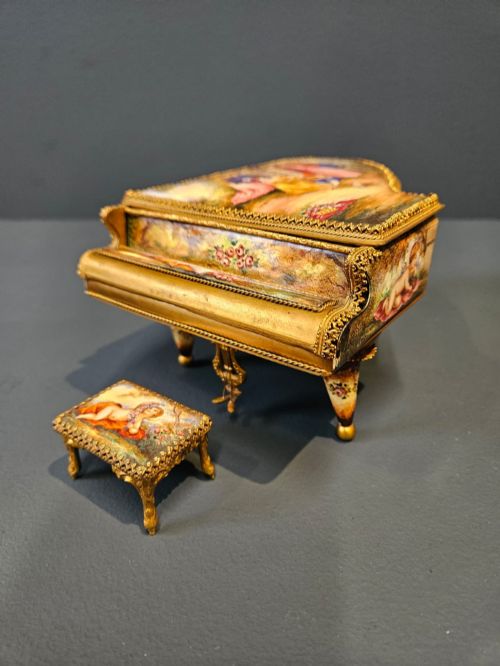
Artists painted these small works using watercolour, oil paint or enamel upon paper, card, board, glass and metal bases. Enamel pieces often incorporate ormolu mounts and gilt metal settings, while paper works sit behind glass in gilt wood or tortoiseshell frames.
Supports range from delicate paper sheets and card to sturdy wooden panels and papier-mâché. Miniature painters employed fine brushes to render facial expressions, drapery and background landscapes with great precision.
Venus and Cupid share shelf space with Swiss snuff boxes and musical piano automata.
Assessing Quality and Execution
Quality rests upon the fineness of the brushwork and the proportions of the subject matter rendered on a small scale. Superior examples demonstrate confident handling of light and shadow, particularly in flesh tones and textiles.
The integrity of the surrounding mount, whether a tortoiseshell snuff box, an ormolu music box or a gilt wood frame, contributes to the overall standard of the piece. Signed works and identifiable hands distinguish finer productions from anonymous school pieces.
The Classical Miniature Painting Glossary
- Neoclassical
- A style drawing inspiration from the art and culture of classical antiquity. It emphasises proportion, clarity and mythological themes.
- Ormolu
- Gilded bronze applied to decorative objects and musical boxes. It provides a bright metallic finish around enamel panels.
- Gouache
- An opaque watercolour paint containing a white pigment filler. It creates dense, matte surfaces on paper miniatures.
- Table cabinet
- A small decorative piece of furniture designed to sit on a desk or table. These often feature inset painted panels or enamel plaques.
Classical Miniature Painting: Frequently Asked Questions
How were these miniature paintings displayed?
Many miniatures were framed for wall hanging or desk placement behind glass to protect the delicate watercolour or oil surfaces.
Others functioned as functional luxury objects, fitted into the lids of tortoiseshell snuff boxes or integrated into piano music boxes and table cabinets.
What subjects do these paintings feature?
The subjects range from intimate portraits of young ladies and children to mythological narratives involving gods and nymphs.
Landscapes and classical garden scenes also appear, reflecting eighteenth and nineteenth-century artistic interests.
How do I date a miniature painting?
Dating relies on the style of dress, the framing materials and the medium used, such as early enamel techniques or nineteenth-century watercolour paper.
Inscribed signatures, dates or historical inscriptions on the reverse offer additional chronological guidance.
Are these works signed by artists?
Some pieces bear artist signatures or attributions to specific regional schools, while others remain anonymous productions.
Signed works from known makers or titled historical portraits provide clearer provenance for collectors.