






Classical Drapery Artwork
These classical drapery artwork pieces bring historical oil paintings and sculptures into your home, offering timeless figurative scenes.
Classical Drapery Artwork
When you search for classical drapery artwork, you encounter historical oil paintings and fine art ranging from the 17th century to the 19th century. These works frequently depict mythological figures, portraits, and religious scenes rendered in styles such as Baroque, Neoclassical, and Renaissance Revival.
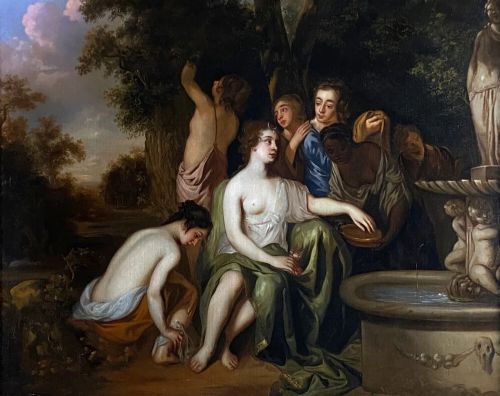
The selections available here include oil paintings on canvas, board, and panels, alongside sculptural works like marble busts. Subjects span from mythological depictions like Diana and Maenads to portraits and religious compositions after old masters.
Buyers look for these pieces to anchor a room with traditional figurative subjects and historical depth. The examples on this page reflect centuries of artistic tradition, utilising canvas, oil paint, and gilt wood framing.
How they were made
Artists painted these works using oil paint applied to canvas, wood panels, or boards, building rich layers of colour and shadow. Many pieces incorporate gilt wood frames that complement the traditional subjects and periods.
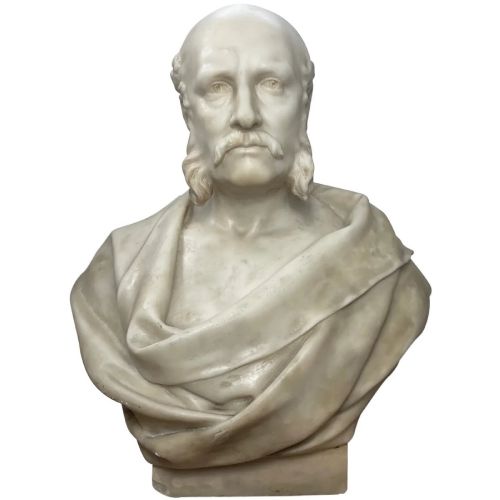
Sculptural works in this selection are carved from marble, capturing fine details in portraiture and form. The techniques rely on traditional European studio methods spanning the 17th through the 19th centuries.
Cherubs and Maenads keep a watchful eye over the canvas garden scenes.
What varies in quality
The distinction between works rests on the execution of the figurative forms and the handling of paint. Pieces attributed to specific circles or followers of established masters display greater nuance in composition and drapery.
Condition of the canvas, paint surface, and original framing elements influence the character of each piece. Works maintaining their early gilt wood frames or retaining clear historical attribution stand apart in the collection.
Jozsef Molnar·Sir Peter Lely·Del Buono·Girolamo Dai Libri·Rahael·Peter Paul Rubens·Johann Kerseboom
The Classical Drapery Artwork Glossary
- Canvas
- A heavy woven fabric used as a surface for oil paintings. It provides the tensile strength needed for large historical compositions.
- Giltwood
- Wood carved and covered with a thin layer of gold leaf. This material frames many traditional paintings and mirrors from the period.
- Neoclassical
- An artistic style drawing inspiration from the classical art and culture of ancient Greece and Rome. It emphasises austere lines and heroic subject matter.
- Baroque
- A flamboyant artistic style originating in Europe during the 17th century. It is characterised by dramatic movement and clear tension interpreted through rich oil paint.
Classical Drapery Artwork: Frequently Asked Questions
What periods do these artworks cover?
The listings span from the 17th century through the Victorian era and into the 20th century. You will find works originating from the 1600s, 1700s, and 1800s.
Each period brings distinct stylistic traits, moving from Baroque complexities to Neoclassical clarity and Victorian interpretations.
What materials are used in these pieces?
The physical works employ oil paint applied to canvas, wood panels, or boards. Gilt wood is frequently utilised for the accompanying antique frames.
Sculptural pieces in the selection are fashioned from marble, presenting carved figurative busts.
How should I hang an oil painting on canvas?
Oil paintings on canvas require stable indoor environments away from direct sunlight and significant temperature shifts. Proper wall fixings suited to the weight of the canvas and its gilt wood frame are essential.
Consulting a professional framer helps ensure the security of older stretcher frames.
How do I identify a reproduction from an older painting?
Examination of the canvas weave, paint crackle, and stretcher construction offers clues regarding age. Older works show natural ageing in the oil pigments and canvas support.
Signatures, framing details, and stylistic alignment with periods like the 18th century help establish context.