





Classical Allegorical Painting
A classical allegorical painting brings mythology and moral philosophy into your room through rich oil on canvas and gilded wood frames.
Classical Allegorical Painting
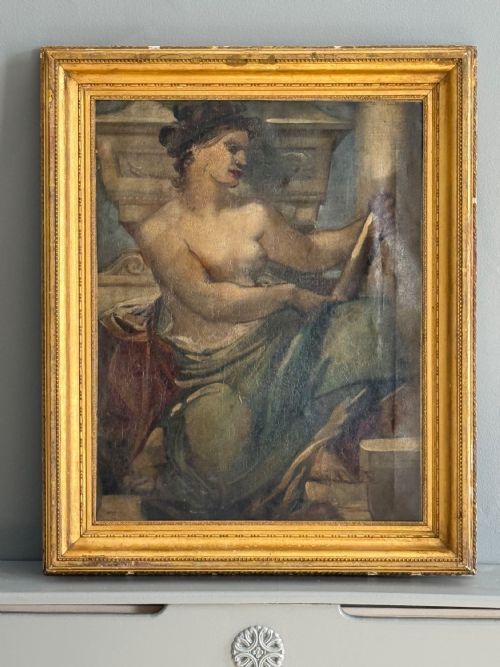
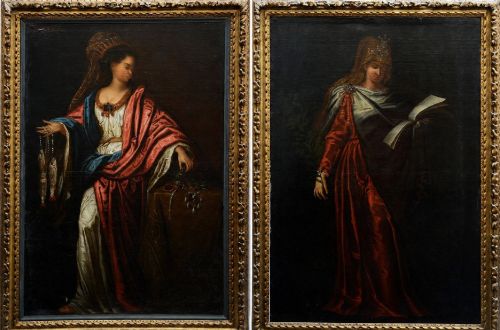
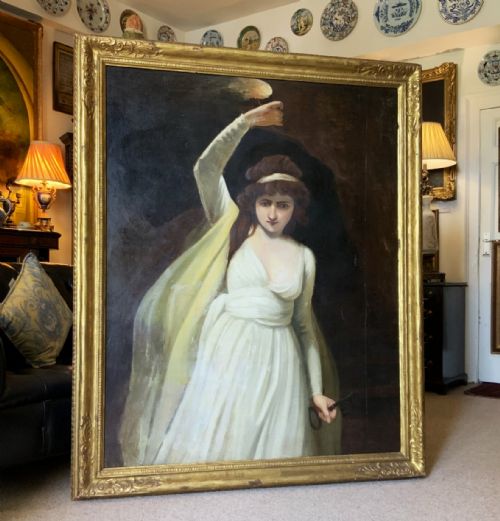
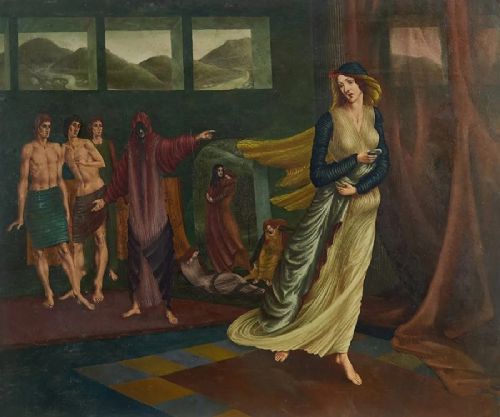
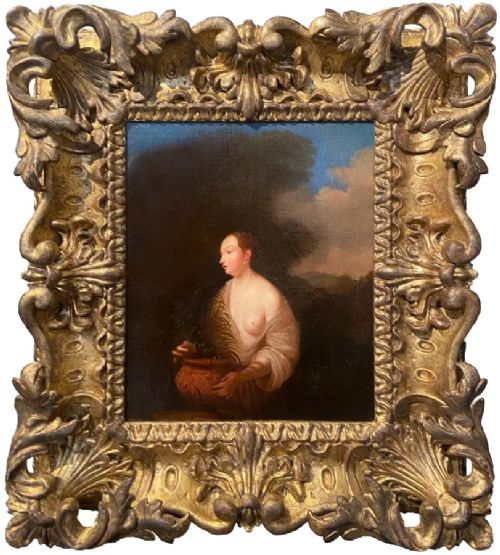
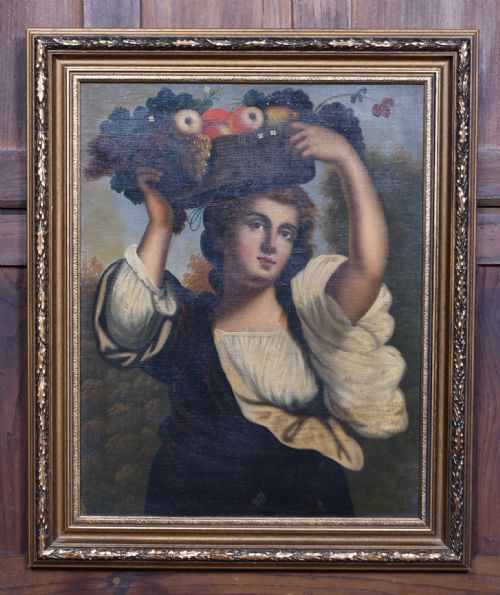
A classical allegorical painting depicts mythological figures, sibyls, and cherubs to convey deeper moral or philosophical meanings. When searching for a classical allegorical painting, buyers encounter works ranging from seventeenth-century French Baroque compositions to nineteenth-century Renaissance Revival canvases.
The subjects often draw directly from classical antiquity and mythology, portraying deities such as Flora or personifications of the four seasons. These fine art paintings frequently appear on canvas or board, housed within period giltwood frames that complement their grand subject matter.
How they were made
Artists typically applied oil paint onto stretched canvas or board, building up rich layers of colour and shadow to create depth and movement. This traditional technique allowed painters to achieve the luminous flesh tones and dramatic lighting characteristic of baroque and revival styles.
Frames were constructed from wood and finished with intricate gilding to enhance the visual impact of the artwork. Gilt wood and giltwood mouldings provided a stable, decorative border that reflected candlelight and framed the allegorical narrative.
Cherubs frequently pop up across these centuries to remind everyone that even serious classical philosophy needs a chubby toddler with wings.
What varies in quality
The skill of the brushwork and the expressive capability of the figures define the upper tier of these works. Masterful handling of anatomy, drapery, and allegorical symbolism distinguishes a compelling composition from a standard workshop piece.
The condition of the original oil paint surface and the integrity of the period gilt wood frame heavily influence the overall character of the piece. Surviving works that retain their original stretcher and uncompromised surface texture hold greater visual coherence.
John Opie RA·Toussaint Gelton·Nicolas Fouché·Jean Baptiste Isabey·Guiseppe Mazzolini·Peter Paul Rubens·Charles Augustus Henry Lutyens
The Classical Allegorical Painting Glossary
- Allegory
- A symbolic representation where physical figures embody abstract ideas or moral qualities. Classical allegorical painting relies heavily on this device to communicate complex narratives.
- Giltwood
- Wood carved and coated with gold leaf or a gold-coloured metallic finish. This material was extensively used for ornate picture frames during the seventeenth and eighteenth centuries.
- Baroque
- An artistic style characterised by dramatic movement, deep colour, and grandiose emotion. It forms a primary stylistic foundation for many seventeenth-century allegorical works.
- Renaissance Revival
- A nineteenth-century movement that drew inspiration from the art and architecture of the Renaissance. Works in this style often emulate the grand scale and mythological focus of earlier centuries.
Classical Allegorical Painting: Frequently Asked Questions
What is an allegorical painting?
An allegorical painting uses symbolic figures, such as mythological gods or personifications of seasons, to convey a deeper moral, philosophical, or narrative meaning.
These works transform abstract concepts into visual stories, often drawing on classical literature and mythology for their subject matter.
How do I identify a period frame?
Period frames are typically constructed from wood with hand-carved details and genuine gilt finishes that show appropriate signs of age and wear.
Examining the construction methods at the reverse of the frame helps determine whether it is contemporary to the canvas it holds.
Where were these paintings displayed?
Historically, large allegorical paintings hung in the grand reception rooms, galleries, and formal parlours of stately homes and townhouses.
Their scale and symbolic themes were designed to impress visitors and demonstrate the classical learning of the owner.
How should I care for an oil painting?
Keep oil paintings away from direct sunlight and steady extremes of temperature and humidity to prevent cracking of the paint and canvas.
Dust the surface and frame gently with a soft, dry brush and avoid using any liquid cleaners on the paint or giltwood.