
Pair Hand Painted Vases
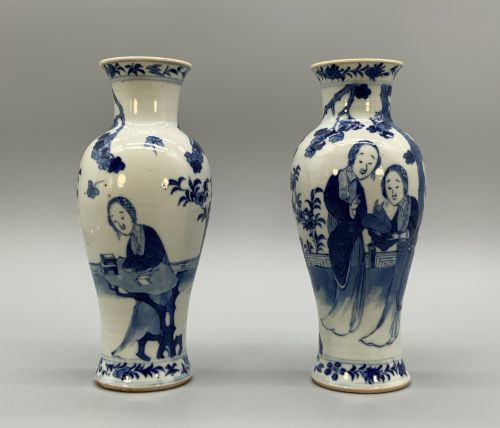
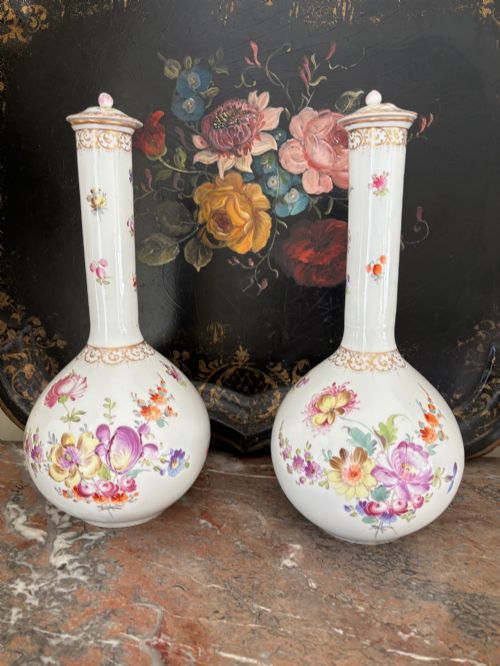
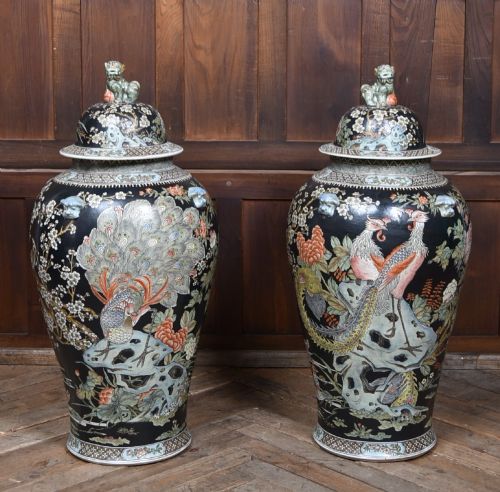
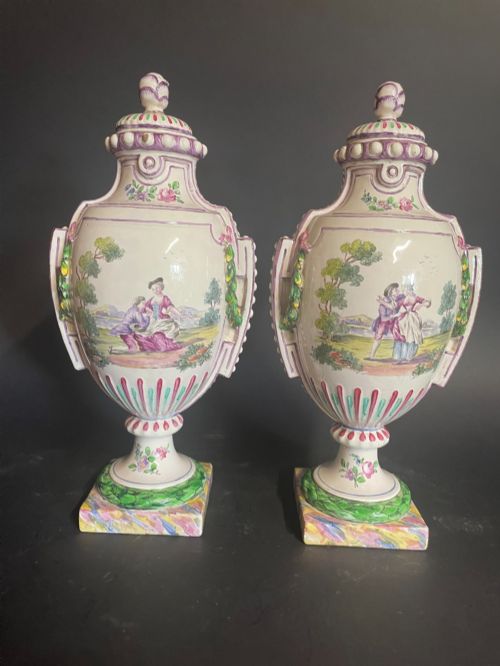
Pair hand painted vases bring symmetric balance and detailed artistry to interior spaces through centuries of global ceramic and glass traditions.
Pair Hand Painted Vases
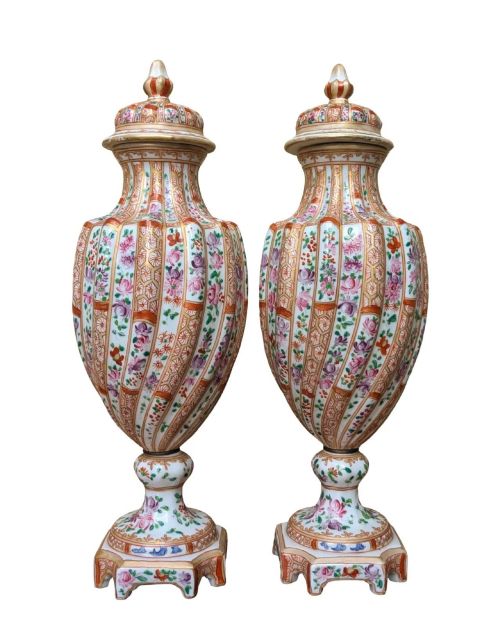
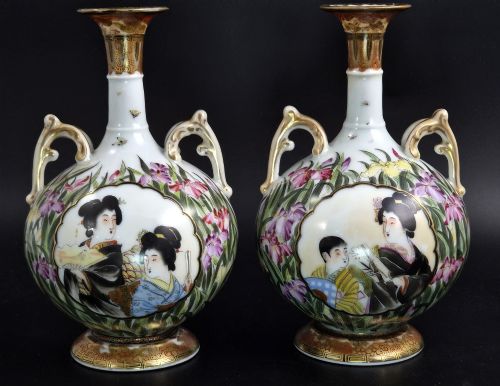
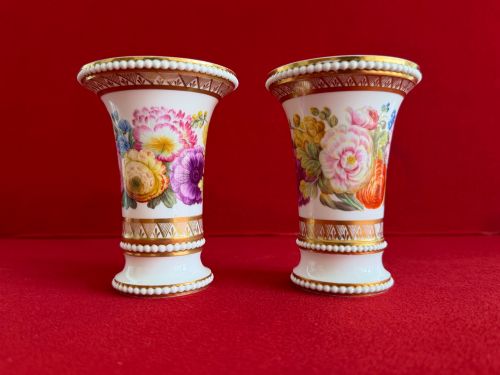
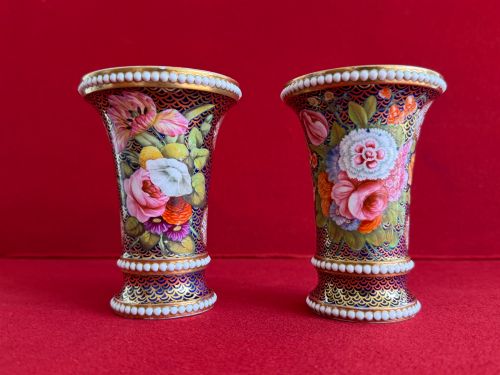
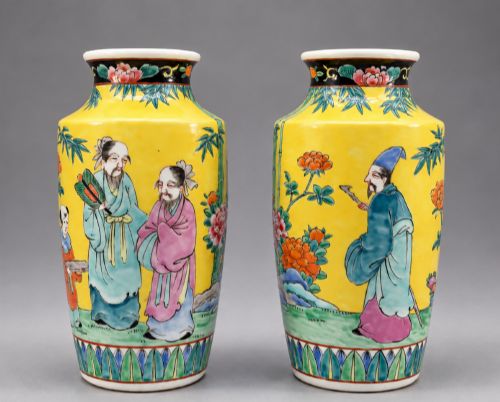
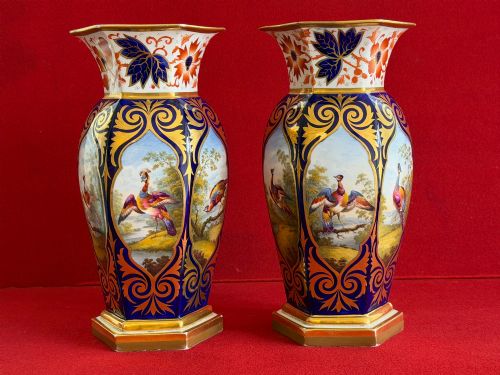
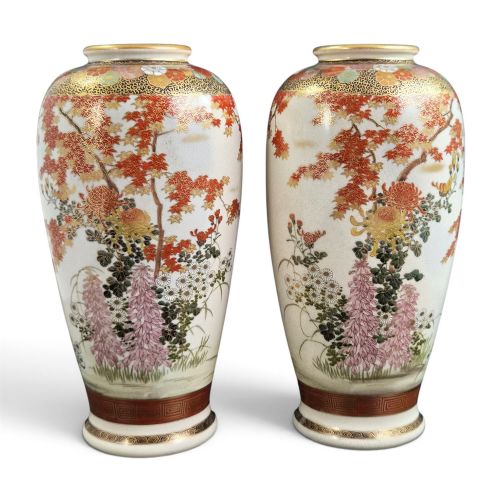
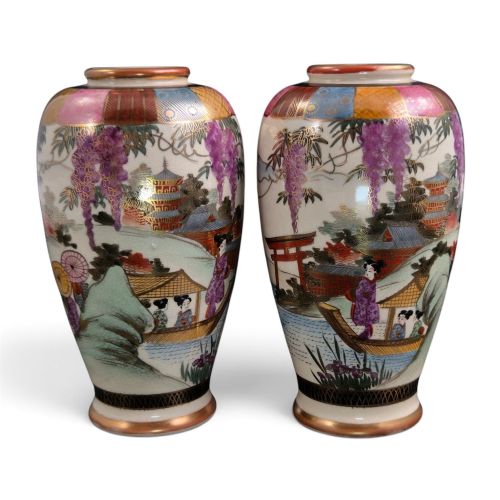
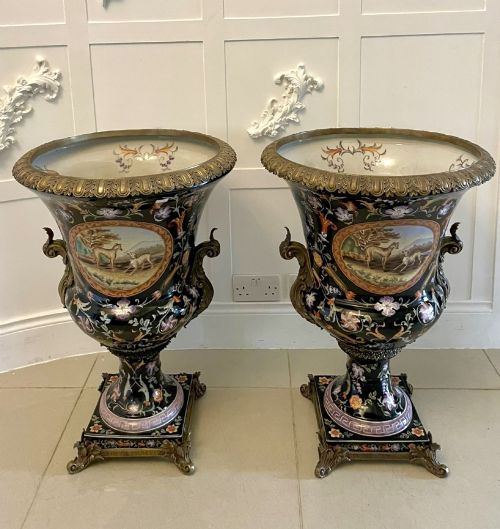
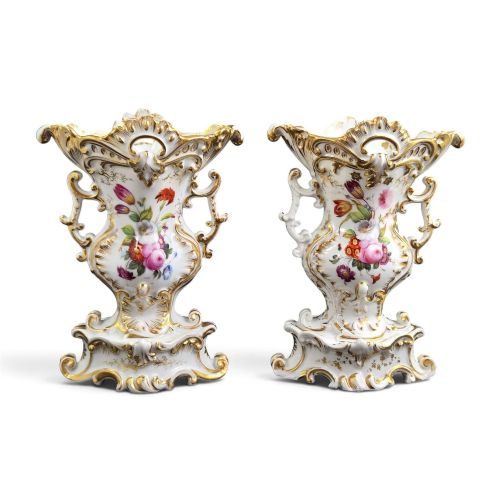
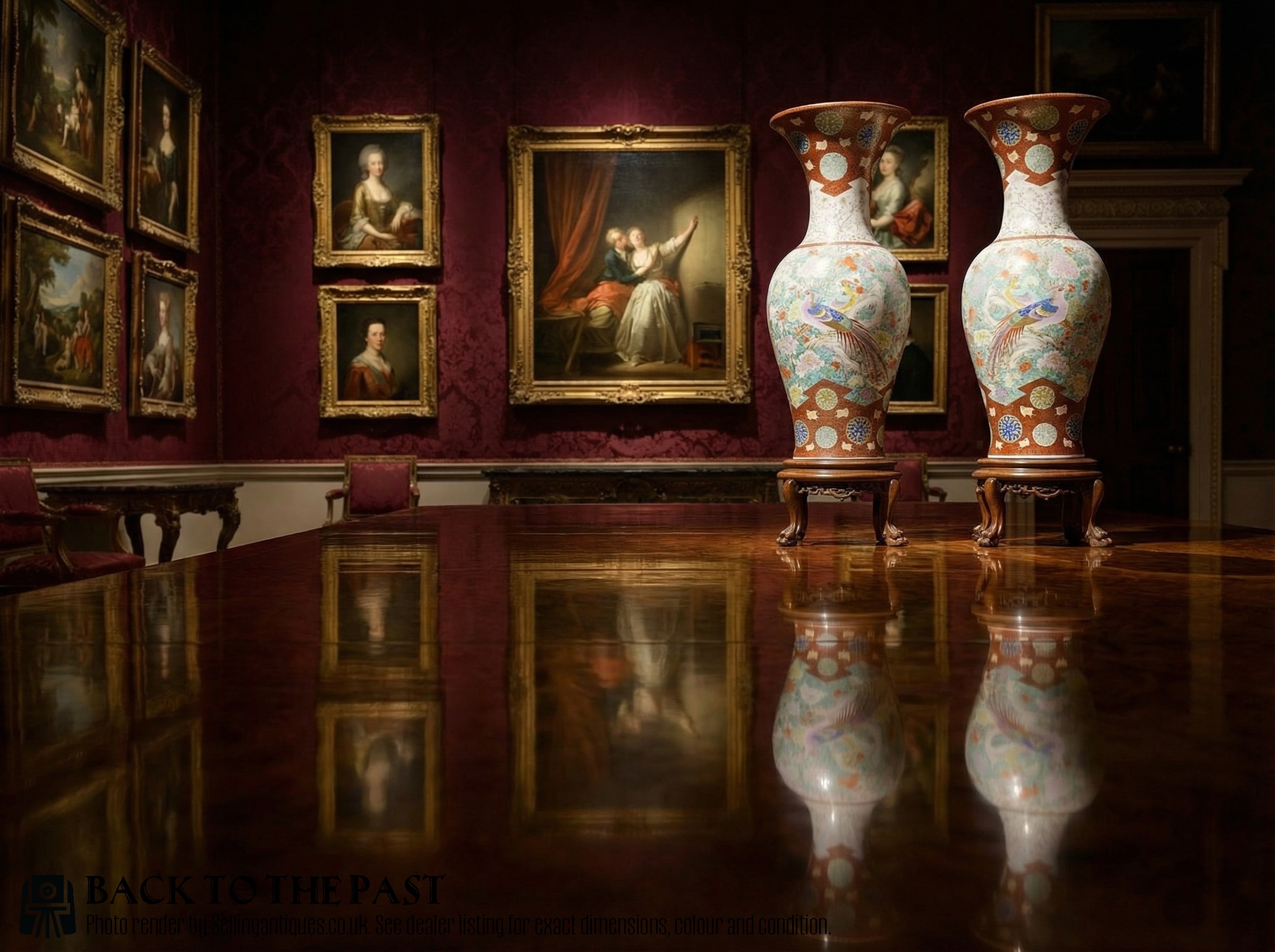
When you search for pair hand painted vases, you encounter symmetrical decorative objects spanning the nineteenth and early twentieth centuries across English, French, German, Chinese and Japanese workshops. The forms range from bulbous urns and slender bud holders to large floor jars, table lamps and mantle lustres.
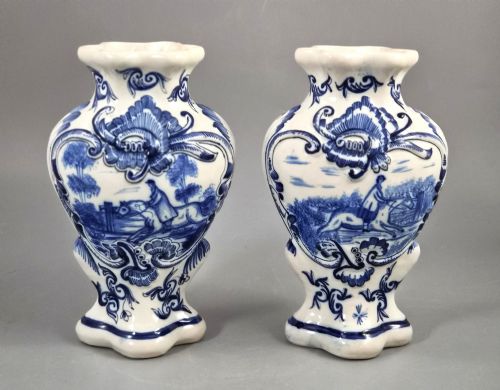
English porcelains from Worcester and Derby sit alongside French porcelain, earthenware and faience, whilst Japanese Satsuma and Imari earthenwares and porcelains represent major international output. Victorian glass vessels featuring ruby, pink, green and yellow hues complete the primary domestic forms met within these selections.
Gradations of Quality
The standard of hand painting dictates the upper tier, where named artists execute intricate figures, naturalistic birds, or delicate floral sprays with precise brushwork. Standard production pieces rely on repetitive transfer printing touched up by hand or simpler factory decoration.
The crispness of the porcelain paste, the even application of the glaze, and the richness of the gilding separate standard factory output from masterworks bearing specific studio signatures and factory ciphers.
Several Victorian glass lustres wear rows of dangling glass spears that chime musically whenever someone walks past the mantelpiece.
Flight Barr and Barr·Royal Worcester·Jacob Petit·Sitzendorf·Noritake
The Pair Hand Painted Vases Glossary
- Blush ivory
- A soft cream-coloured ceramic ground developed by Royal Worcester, typically decorated with pastel floral motifs and gilt detailing.
- Lustre
- A type of glass or ceramic vessel featuring hanging crystal prisms designed to reflect candlelight.
- Satsuma
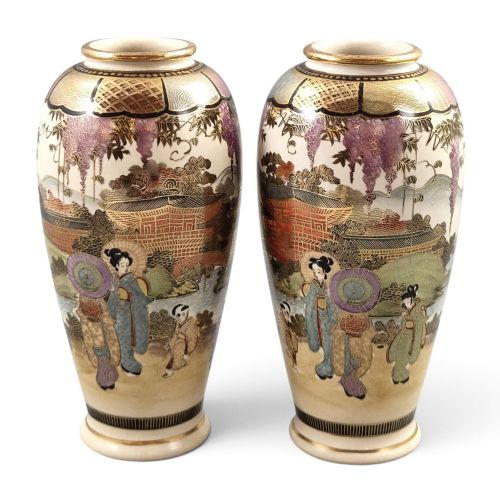
- Japanese earthenware featuring a crackled creamy glaze decorated with polychrome enamels and raised gold.
- Faience
- Tinsmith or earthenware pottery finished with an opaque white glaze before hand painting.
- Amphora
- A two-handled vase with a narrow neck, modelled on ancient Greek vessel shapes.
Pair Hand Painted Vases: Frequently Asked Questions
How do I display a pair safely?
Place them on stable console tables or mantelpieces away from heavy foot traffic to protect fragile handles and protruding rims. Ensure matching pairs maintain equal distance from centrepieces to preserve visual balance.
Keep glass and porcelain out of direct, prolonged sunlight to prevent fading in delicate hand-painted enamel colours over time.
Were these always decorative?
Many nineteenth-century examples served purely as ornamental garnitures for mantelpieces and drawing rooms, often accompanied by matching covers or clock sets.
Others functioned practically as table lamps, flower holders, or urns designed to contain dried botanicals and potpourri.
How do I clean painted ceramics?
Dust surfaces gently using a soft, dry ostrich feather duster or a clean, dry artist's brush to lift debris from crevices and hand-painted areas.
Avoid submerging antique pieces in water or using chemical solvents, as moisture and harsh agents can destabilise fragile overglaze enamels and gold leaf.
What defines Japanese Satsuma ware?
Satsuma wares utilise a distinctive warm, ivory-coloured earthenware body covered in a fine network of transparent crackle glaze.
Skilled artisans applied dense polychrome enamel painting and raised gold relief depicting figures, wisteria, and landscapes over this crackled base.