


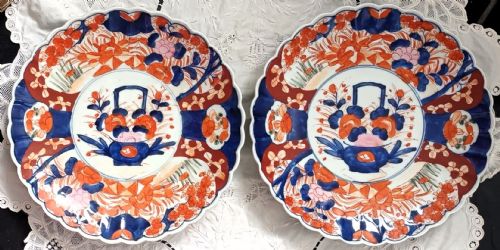
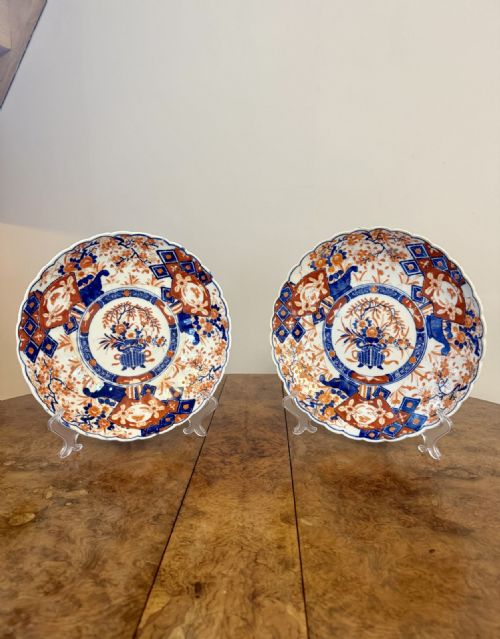
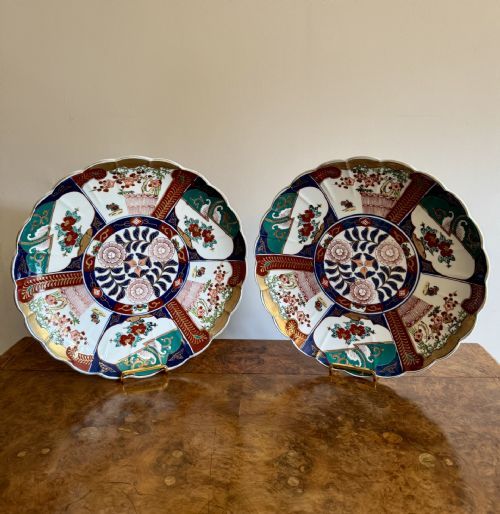
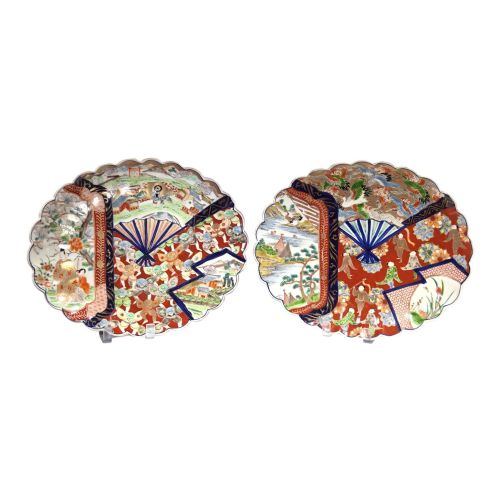

Pair Decorative Plates
Pair decorative plates bring matched symmetry and historic ornament to a wall or cabinet, spanning nineteenth-century porcelain and Japanese export wares.
Pair Decorative Plates
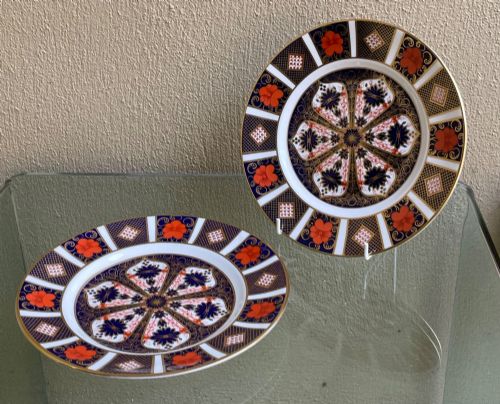
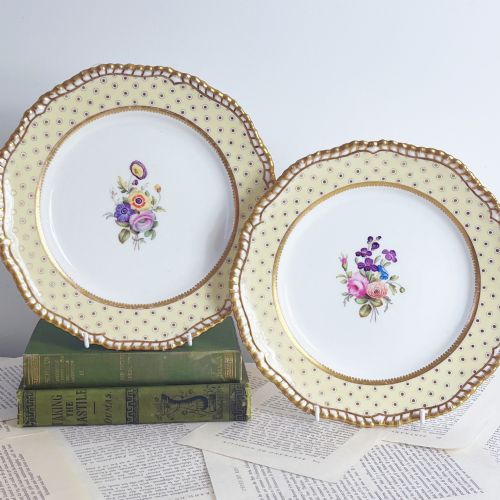
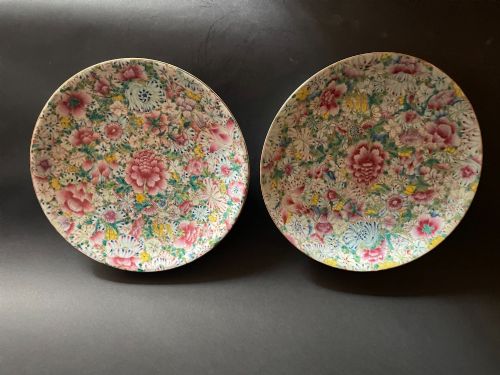
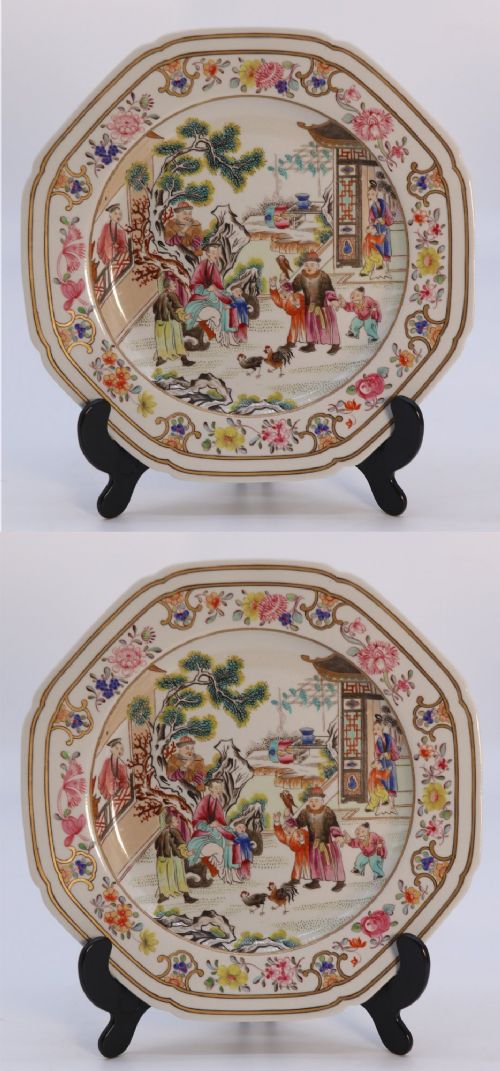
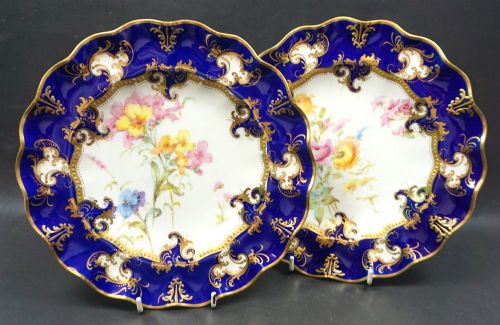
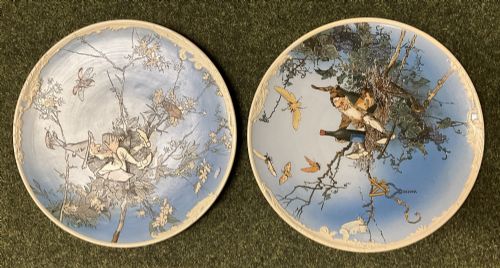
Pair decorative plates encompass cabinet plates, chargers, and dishes intended primarily for display rather than dining. The selection draws heavily upon nineteenth-century Japanese Imari porcelain, Chinese export pieces, and English factories such as Spode and Royal Crown Derby.
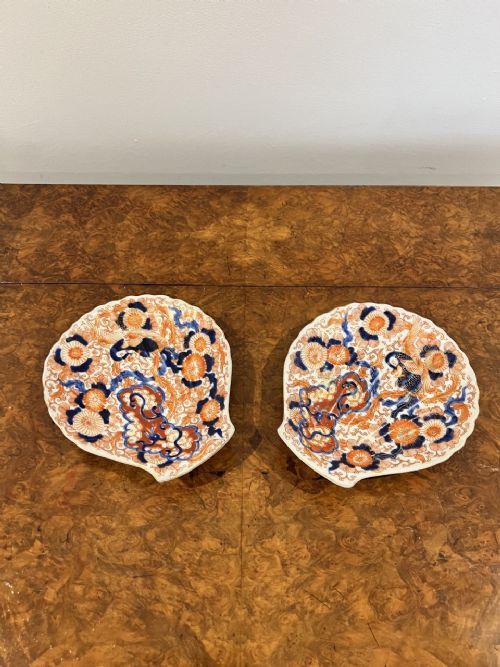
Buyers encounter substantial chargers and scalloped plates bearing traditional blue and white or iron-red and gilt palettes. These items reflect both European domestic tastes and Asian export traditions from the eighteenth century onwards.
How they were made
Potters shaped porcelain and stone china using traditional throwing and moulding techniques before applying underglaze cobalt or polychrome enamels. Gilding and gold leaf were frequently added in final firing stages to highlight decorative motifs on cabinet plates and chargers.
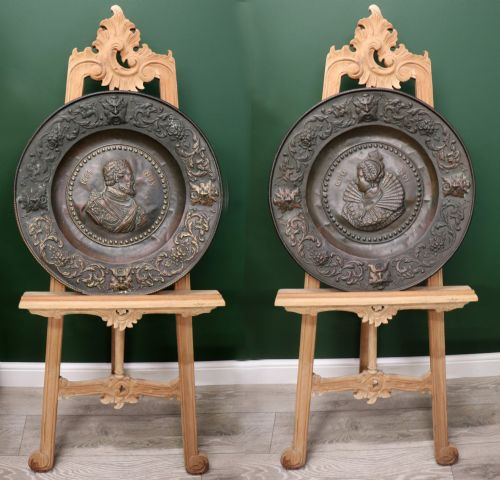
Alternative materials include copper, brass, and earthenware treated with silver plating, glaze, or cloisonné work such as totax shippo. These varied metallic and ceramic methods defined the finish and durability of each piece.
Listings feature porcelain, copper, and enamel materials across Victorian, Edwardian, and eighteenth-century periods.
What varies in quality
The standard of painting and enamel work distinguishes standard output from finer studio pieces. Crisp hand-painted details, rich iron-red tones, and intact gilding elevate the visual impact of an antique pair.
Purity of the ceramic body and the precision of moulding, particularly on scalloped or octagonal edges, dictate the workshop standing. Superior examples retain their original glaze lustre and structural integrity without heavy wear.
Royal Crown Derby·Spode·Darte Brothers·Minton·Helena Wolfsohn
The Pair Decorative Plates Glossary
- Imari
- A style of Japanese porcelain decorated in underglaze blue, iron-red, and gold. This palette became immensely popular across European interiors during the nineteenth century.
- Charger
- A large ornamental plate typically measuring over twelve inches in diameter. These pieces were designed for display on sideboards or walls rather than table service.
- Cabinet plate
- A high-quality decorative plate intended for display within a glass-fronted cabinet. They often feature intricate hand-painted scenes or rich gilding.
- Cloisonne
- A technique where enamel is applied within compartments created by soldered wire on a metal base. This method produces intricate textured patterns across decorative plaques.
- Spode stone china
- A durable feldspathic porcelain developed in England to rival Chinese imports. It combined hard-paste qualities with bright transfer-printed or hand-painted ornamentation.
Pair Decorative Plates: Frequently Asked Questions
How were pair decorative plates displayed?
These pieces were traditionally shown on sideboards, mounted on walls using specialist wire hangers, or housed inside glazed display cabinets to protect their delicate surfaces.
Pairs were specifically chosen to create balanced symmetry on either side of a fireplace or central furniture piece.
What is Japanese Imari porcelain?
Japanese Imari refers to wares produced in Arita and shipped from the port of Imari, distinguished by their rich cobalt blue, iron-red, and gold decoration.
Exported in large quantities during the Meiji period and earlier, these plates combined striking colours with dense floral and pictorial motifs.
What distinguishes a charger from a plate?
Chargers are significantly larger than standard dining or dessert plates, generally measuring upwards of twelve inches across.
Because of their substantial size and weight, they were primarily used as decorative wall plaques or centrepiece display dishes.