
Pair Carved Carvers
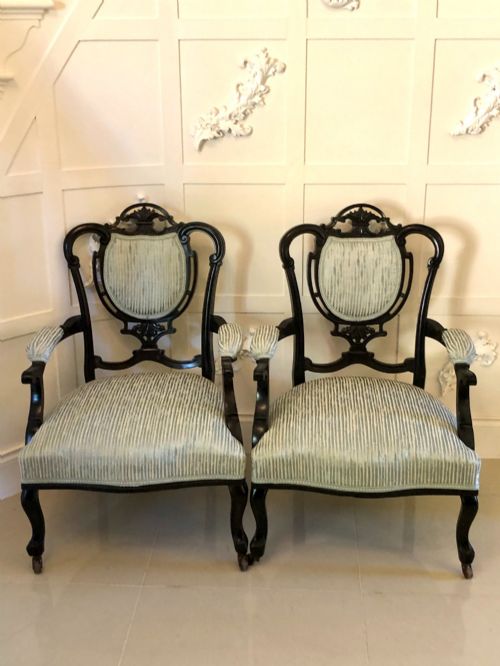
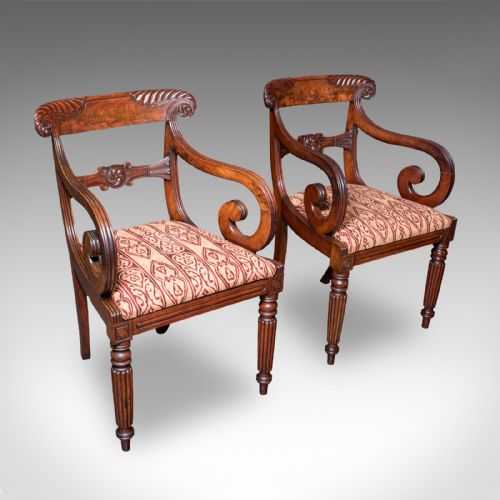
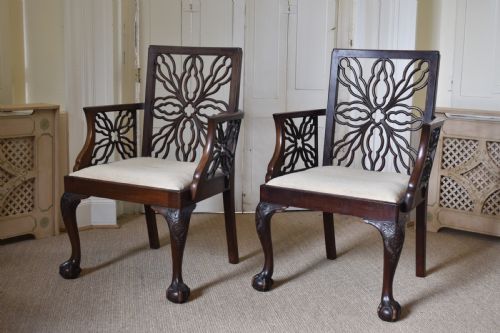
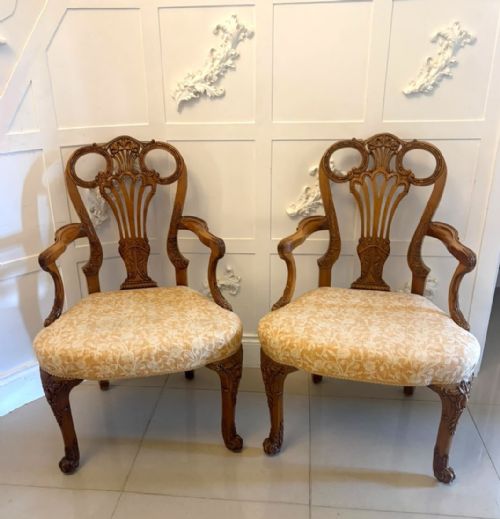
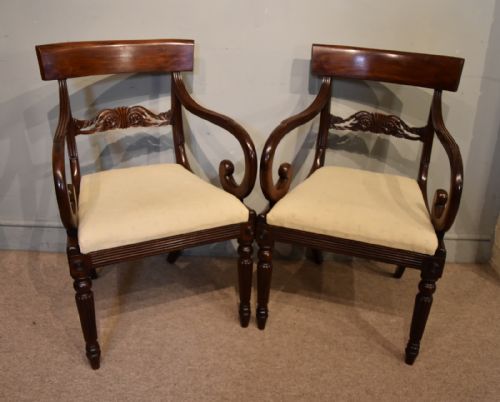
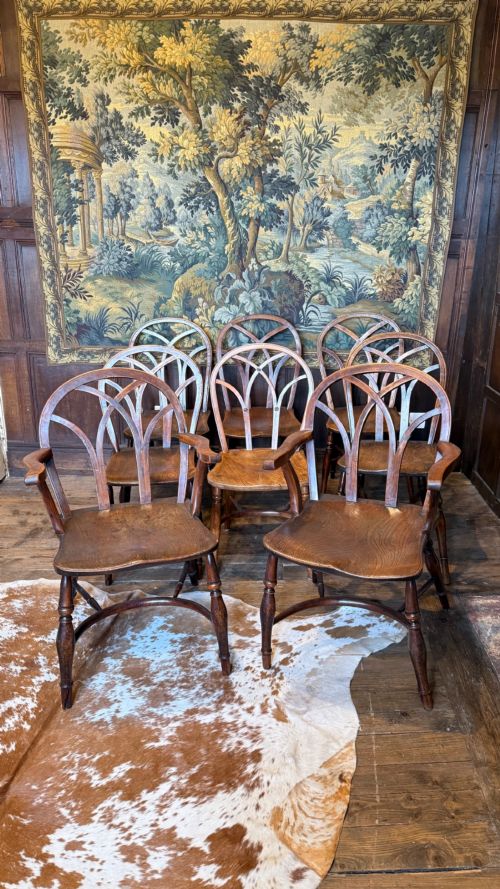
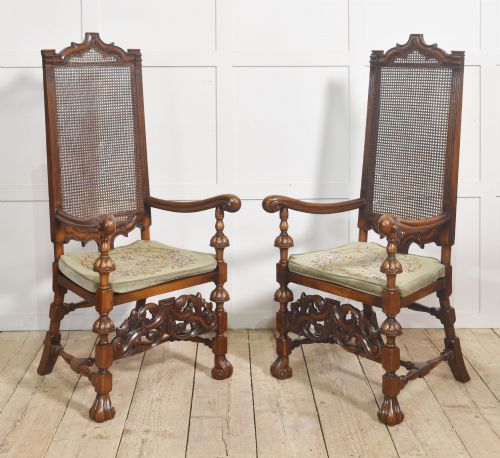
These pair carved carvers are substantial armchairs designed for the heads of a dining table, offering both presence and comfort.
Pair Carved Carvers
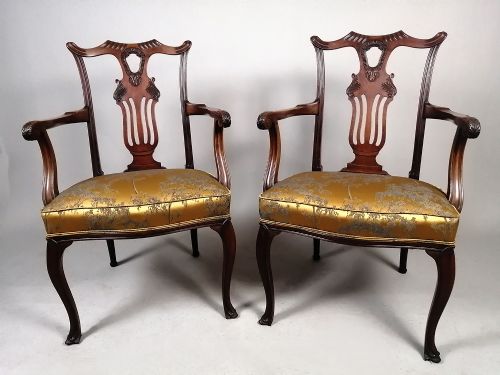
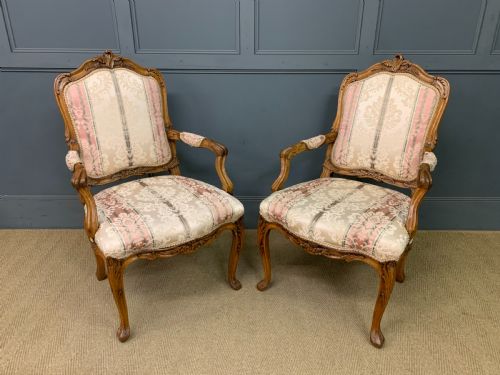
When searching for pair carved carvers, buyers encounter dining chairs and armchairs distinguished by structural armrests, often styled as elbow chairs or desk chairs. These seats appear across periods ranging from the Georgian and Regency eras through the Victorian period and into the early twentieth century.
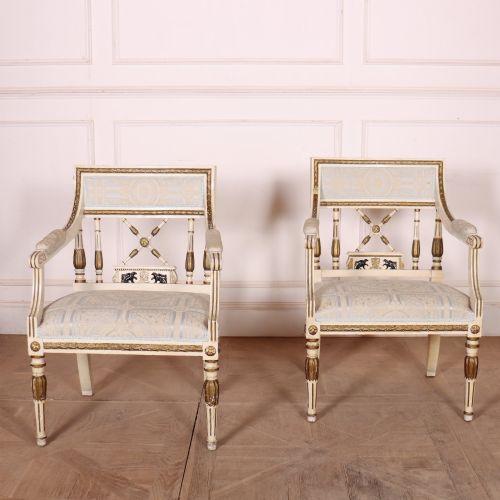
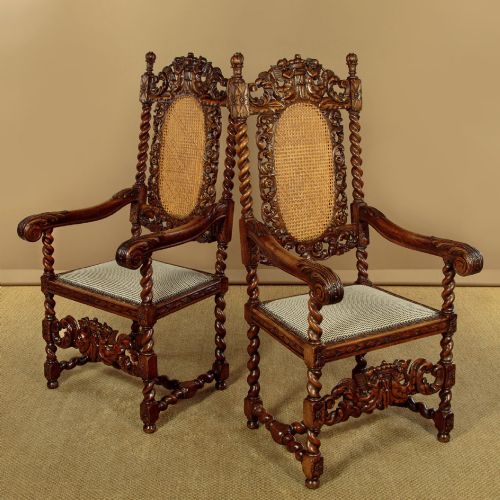
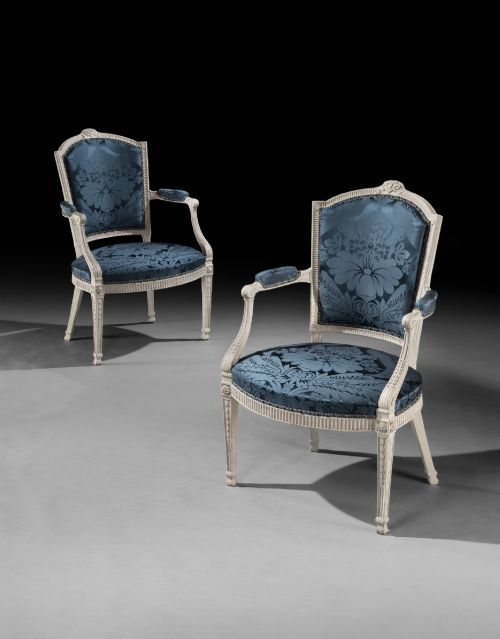
Mahogany and walnut form the primary timber framework for these seating pairs, while oak and occasional hardwoods also appear. Upholstery materials include fabric, cane, velvet, and woven leather, supporting varied styles from Chippendale and Hepplewhite revivals to Swedish Empire and William IV designs.
How they were made
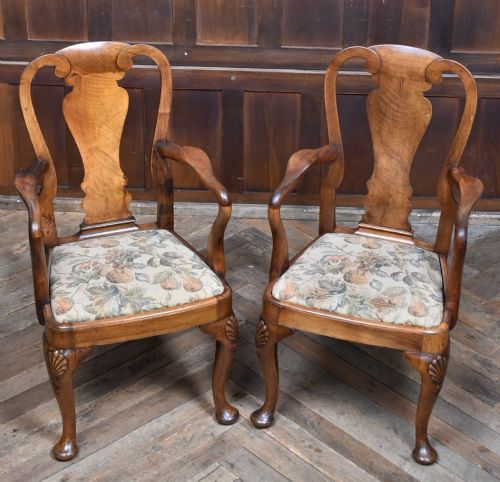
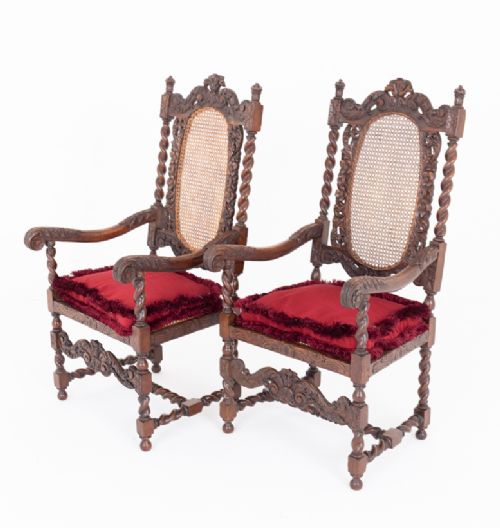
Cabinet makers constructed these frames using dense hardwoods like mahogany and walnut, employing traditional joinery to secure the arms and backrests. Skilled artisans hand-carved decorative motifs directly into the timber rails, splats, and cabriole or tapered legs.
Seating foundations utilised woven cane, webbing, or leather inserts, paired with upholstered pads covered in fabric, velvet, or specialised upholstery textiles. Giltwood and painted finishes also feature on selected continental and neoclassical examples.
The listings on this site record pairs spanning from the eighteenth century through the Regency, Victorian, and Edwardian periods.
What varies in quality
The crispness and depth of the timber carving dictate the visual distinction between standard production and exceptional workshop output. Sharply defined acanthus leaves, reeded arms, and balanced proportions signal superior craftsmanship.
The selection of timber grain and the integrity of the structural joints separate robust examples from weaker counterparts. Uniformity within the pair, where both armchairs match precisely in timber tone and decorative detail, determines the overall standard.
The Pair Carved Carvers Glossary
- Carver
- An armchair, typically larger and with armrests, designed to sit at the head of a dining table.
- Elbow chair
- A term used interchangeably with a carver, describing an armchair with short armrests intended for a dining or reception room.
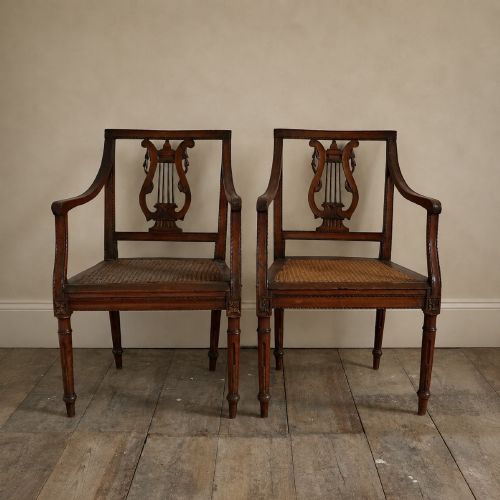
- Lyre back
- A chair back featuring an open splat shaped in the symmetrical outline of a classical musical lyre.
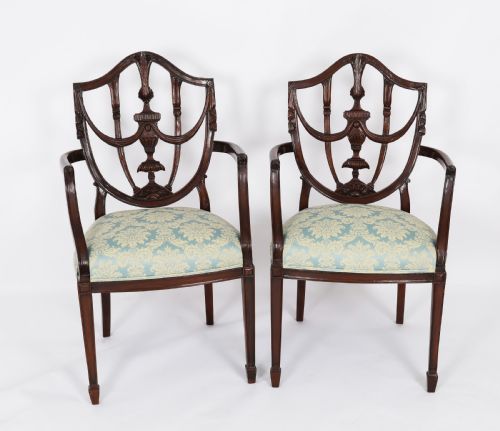
- Shield back
- A chair back design shaped in the outline of a heraldic shield, popularised during the Hepplewhite style period.
- Caned
- A seating or backrest method utilising woven rattan or cane strips to create a light, patterned mesh surface.
Pair Carved Carvers: Frequently Asked Questions
What is a carver chair?
A carver chair is an armchair traditionally placed at the head and foot of a dining table to distinguish the hosts from guests in sidechairs. These seats feature supportive armrests integrated into the wooden frame.
They share the stylistic design of the matching dining chairs but offer larger proportions and enhanced seating comfort.
Where were pair carved carvers used?
These armchairs served primarily in formal dining rooms, libraries, morning rooms, and parlours as principal seating options. The pair configuration allowed symmetrical placement around a fireplace or at opposite ends of a long table.
In domestic settings, they provided heavier, more decorative seating for daily use by the household heads.
How do I identify the wood?
Mahogany displays a reddish-brown hue with a straight or figured grain that darkens gracefully over time. Walnut exhibits a richer, darker brown tone with distinctive swirling grain patterns.
Oak presents a coarser grain with visible medullary rays, while giltwood or painted finishes conceal the underlying timber entirely.
How do I care for antique carvers?
Maintain wooden frames by applying appropriate wax polish sparingly to nourish the timber and preserve the polished finish. Avoid placing antique chairs in direct sunlight or near heat sources to prevent timber splitting.
Protect upholstered surfaces with gentle vacuuming and professional cleaning when handling delicate velvet or fabric coverings.