
Pair Bronze Urns
Pair bronze urns bring classical proportion and rich patination to a room, drawing the eye with their sculptural presence and historical resonance.
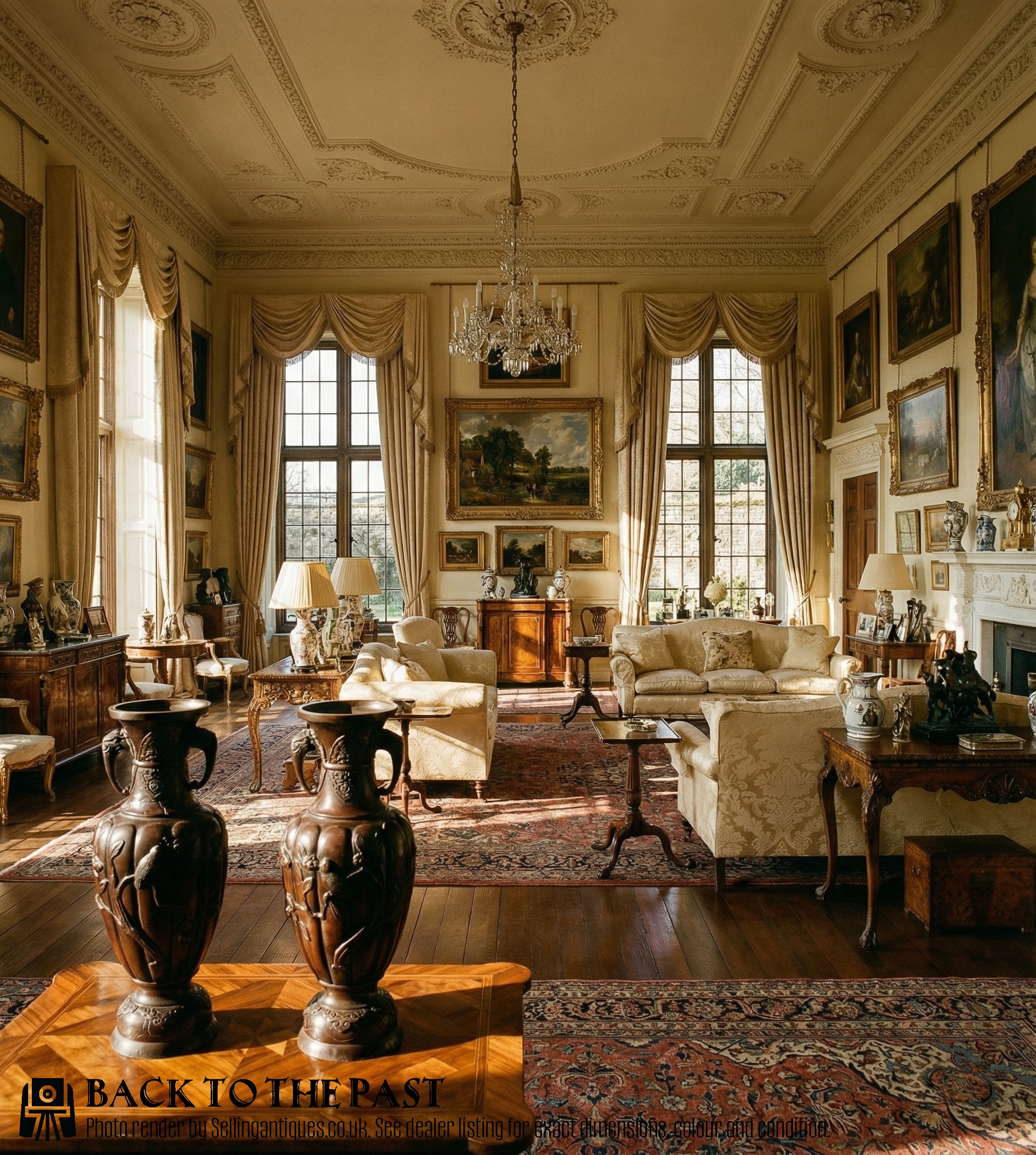
What pair bronze urns are
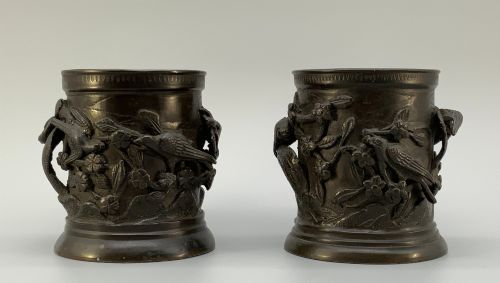
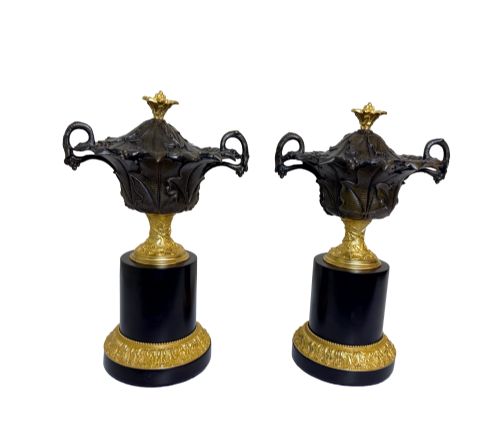
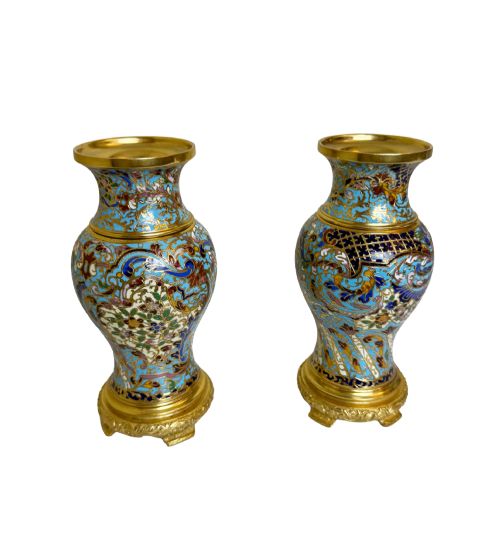
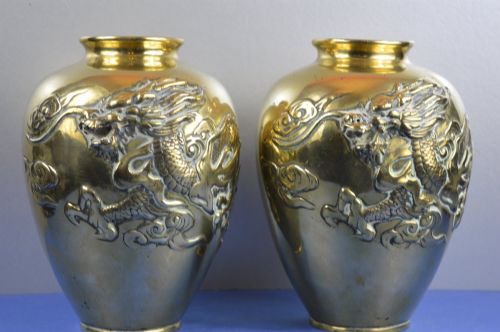
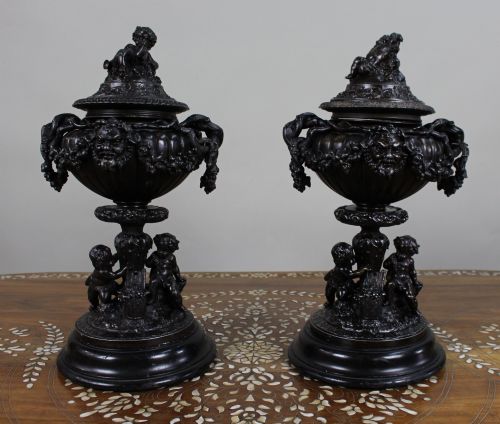
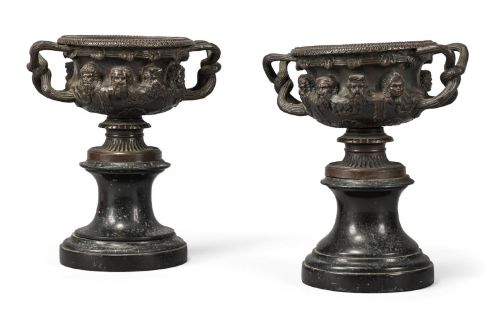
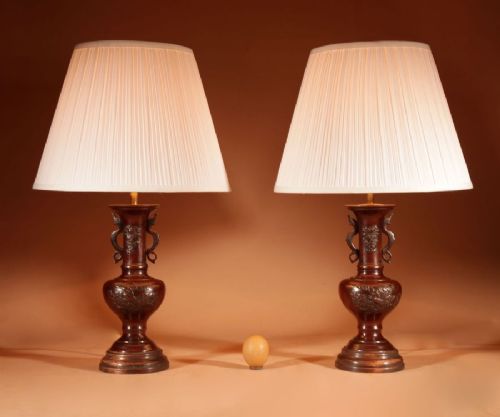
When searching for pair bronze urns, collectors encounter items spanning the nineteenth century, including Victorian, Charles X, and Meiji period examples. These objects take the form of campana-shaped vessels, decorative vases, and ornamental urns intended for display.
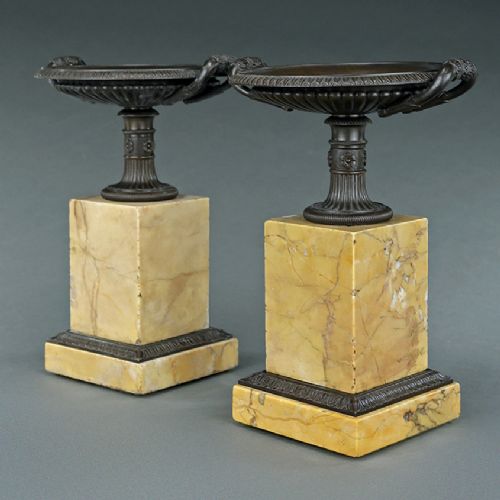
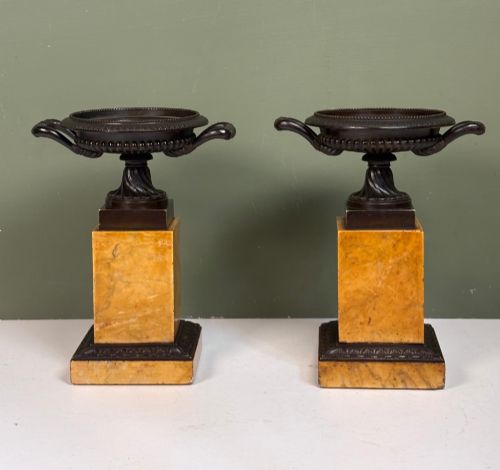
The aesthetic reaches across several design traditions, encompassing French classical styling, Italian Grand Tour souvenirs, and Japanese export work. Many pieces incorporate stone elements such as black, green, or Siena marble plinths and pedestals.
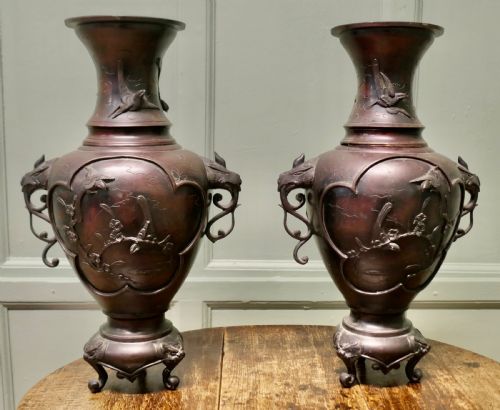
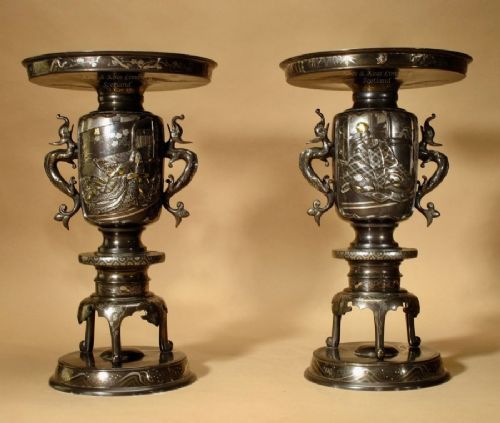
French and English workshops dominate the European examples, often following neoclassical models derived from ancient Roman antiquities and palace designs. Alongside these stand substantial Japanese bronze vases produced for international markets during the Meiji era.
How they were made
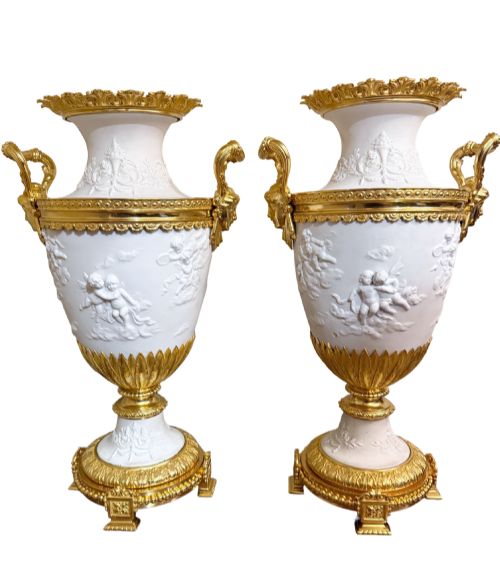
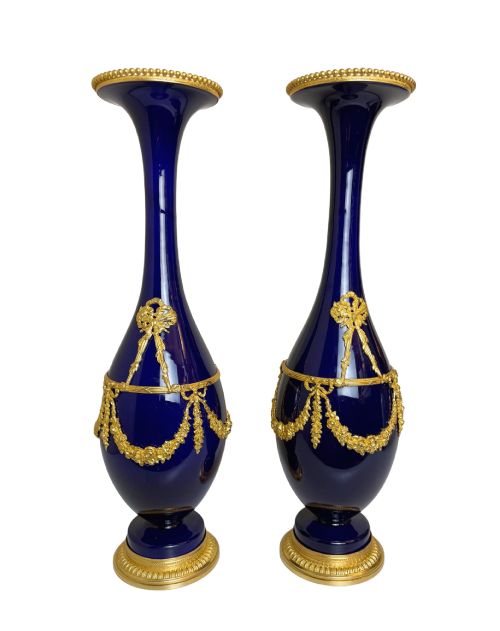
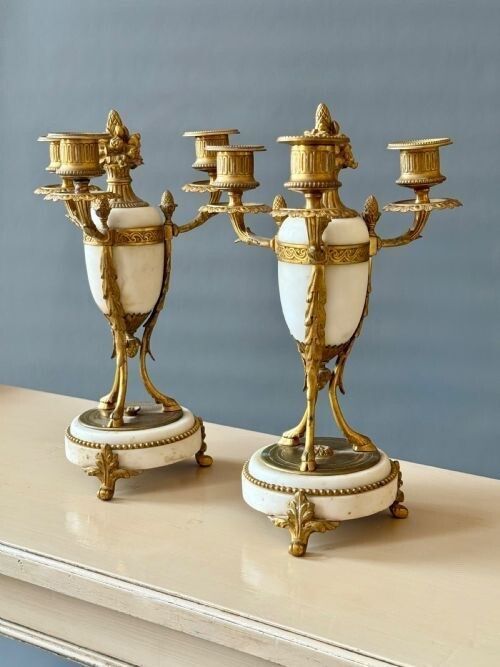
Maker operations utilised bronze, brass, and patinated metal, frequently combining cast bronze components with marble bases or gilt mounts. Surface treatments range from dark patination and silvering to ormolu gilding.
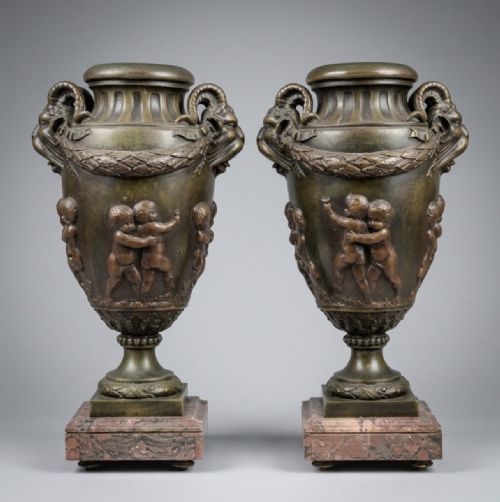
Casting methods produced substantial vessels with crisp architectural details, scroll handles, and classical relief decoration. Artisans also incorporated porcelain bodies, such as Sevres style ceramic inserts, secured within metal mounts.
Retail Price Guide 2026
Typical UK retail prices for pair bronze urns, calculated from the Sellingantiques database of over a million retail prices indexed since 2003. This retail price guide relies exclusively on Sellingantiques data; no external sources or auction records are used, so the figures do not describe the wider market.
The documented periods span the nineteenth century, incorporating Victorian, Meiji, and Charles X eras.
What varies in quality
Distinctions in quality rest upon the crispness of the casting and the refinement of the chased surface details. Superior examples display sharply defined relief work and harmonious integration between the metal vessel and any stone plinth.
The depth and consistency of the patination or gilding contribute significantly to the visual success of an object. Heavier gauge metal and balanced proportions distinguish pieces produced by skilled workshops from more utilitarian ornamental wares.
The Pair Bronze Urns Glossary
- Grand Tour
- A term describing nineteenth-century souvenirs acquired by travellers visiting cultural sites in Italy and France. These pieces typically reproduce classical vases, architectural bronzes, and antique sculptures.
- Ormolu
- Finely ground high-carat gold applied to a bronze base through a mercury amalgamation process. This technique produces a rich golden surface found on mounts and decorative details.
- Patination
- The surface coloration and texture developed through age or chemical treatment on metal. A stable patina enhances the contours and depth of bronze castings.
Frequently Asked Questions
Where were pair bronze urns displayed?
These decorative objects sat upon mantelpieces, console tables, and pedestals within nineteenth-century drawing rooms and libraries.
They functioned as ornamental focal points that signalled the owner's cultural interests and engagement with classical history.
What is a campana urn?
A campana urn takes its name from the Latin word for bell, describing its characteristic flared rim and deep bowl.
This classical shape derives from ancient pottery and stone vessels discovered during archaeological excavations.
How do you date a bronze urn?
Dating relies on stylistic markers, casting techniques, and material combinations associated with periods like the Victorian era or Charles X reign.
Evidence of wear, construction methods within the base, and handling marks on the metal further help establish the age of the piece.
Why are some urns mounted on marble?
Marble plinths added architectural height and visual stability to metal vessels intended for formal display.
Using contrasting black, green, or Siena marble highlighted the rich tones of the patinated bronze or gilt mounts above.