
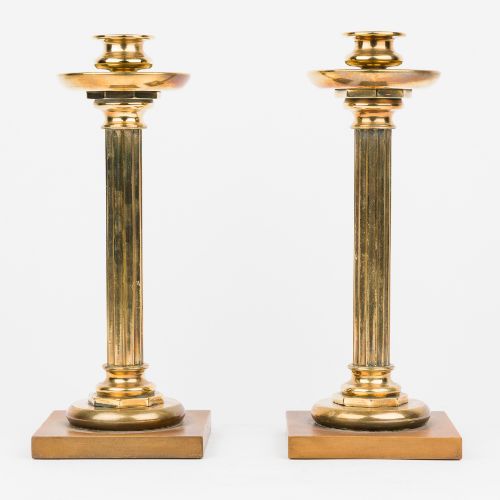
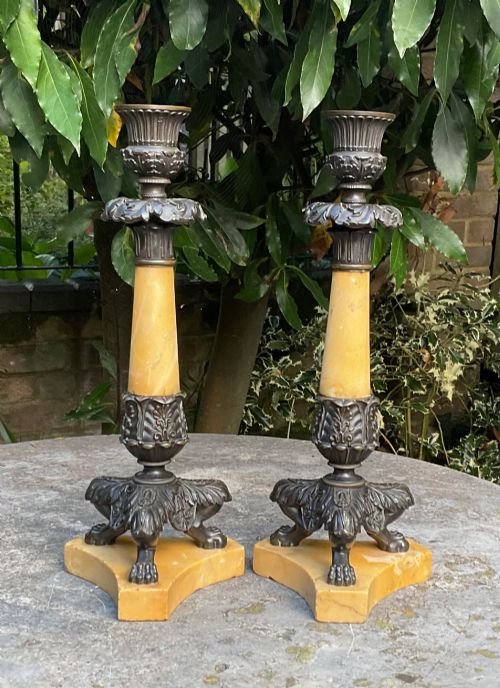

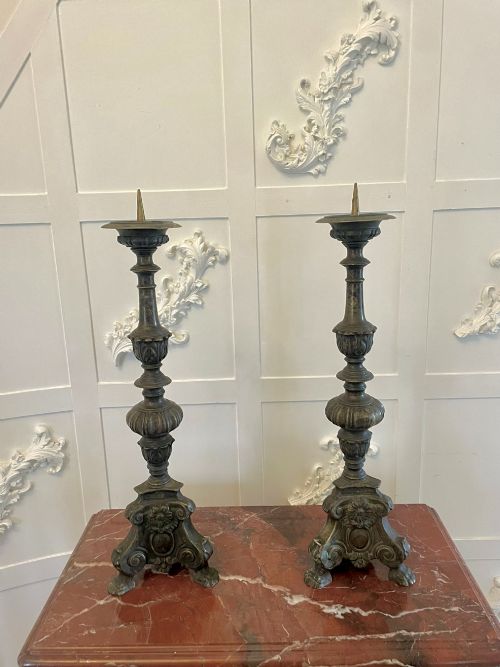
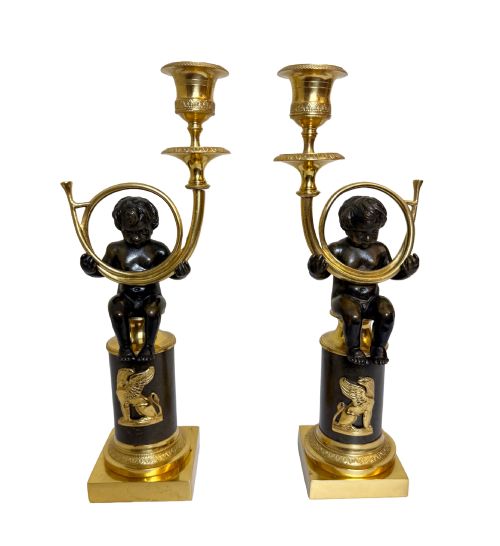
Pair Bronze Candle Holders
These pair bronze candle holders bring sculptural weight and warm metallic lustre to a room, shifting easily from mantelpieces to dining tables.
Pair Bronze Candle Holders
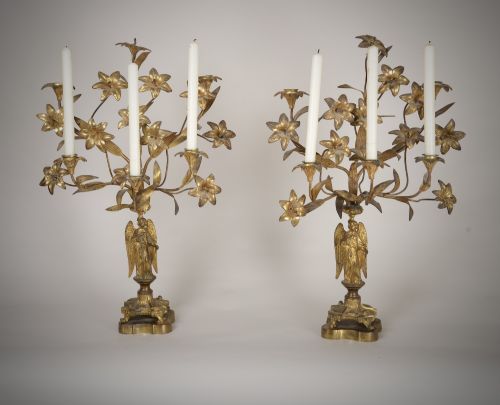
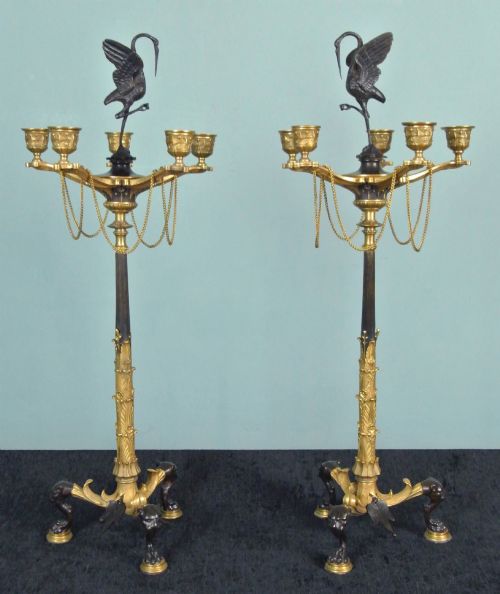
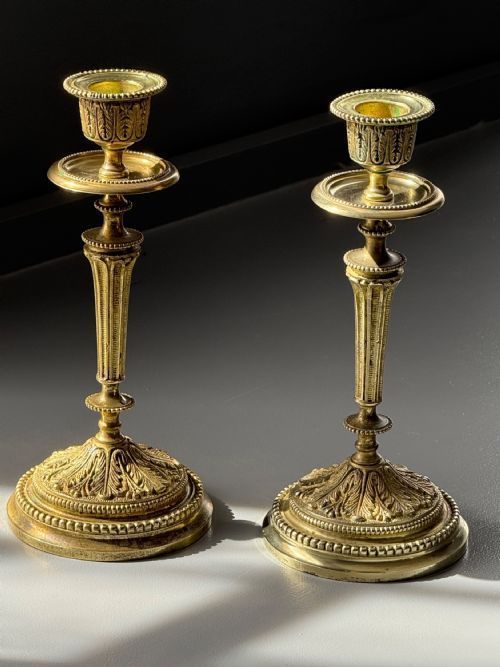
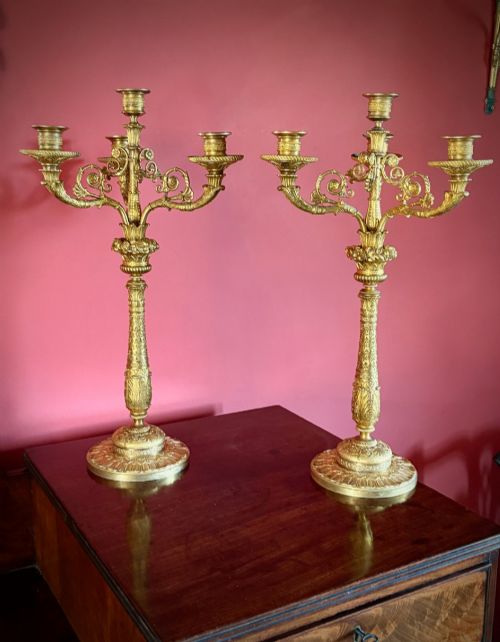
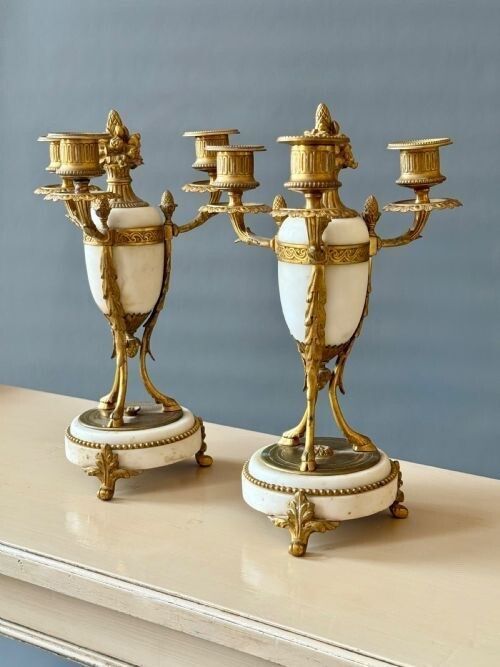
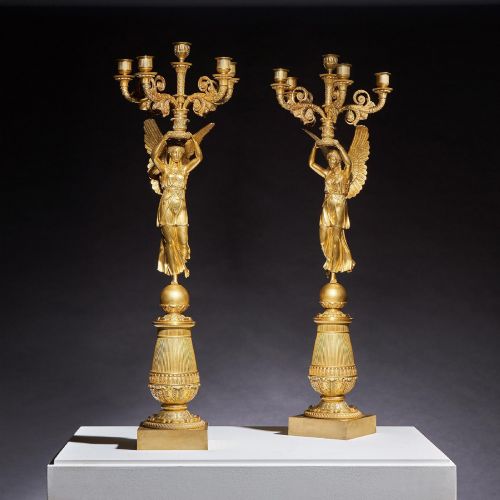
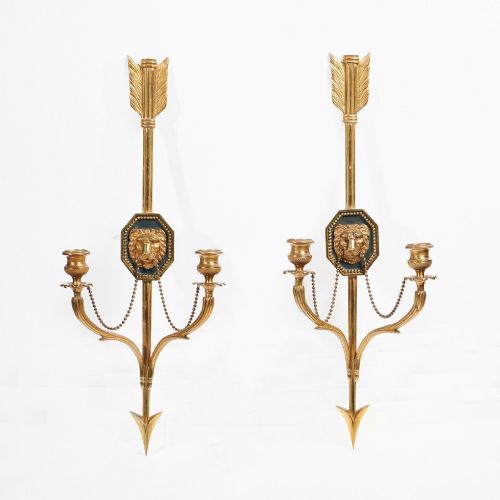
When you search for pair bronze candle holders, you encounter items designed to hold illumination securely while serving as ornamental centerpieces. These objects appear primarily as candlesticks and multi-armed candelabra, often reflecting French Empire, Regency, and Louis XVI styles.
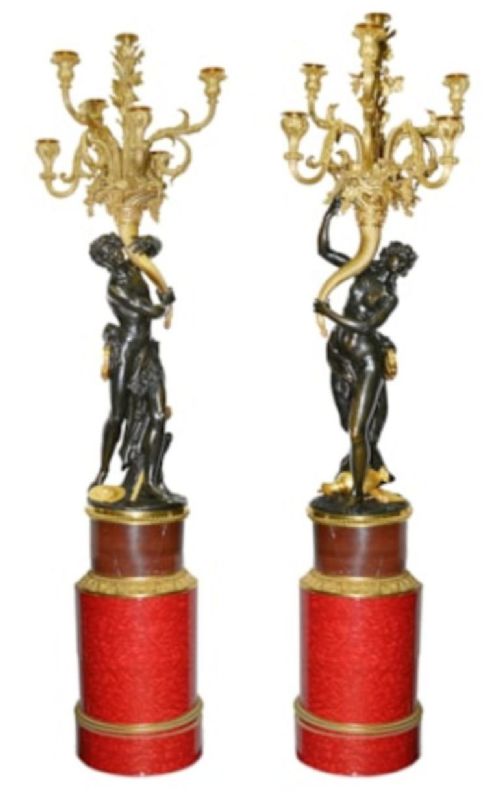
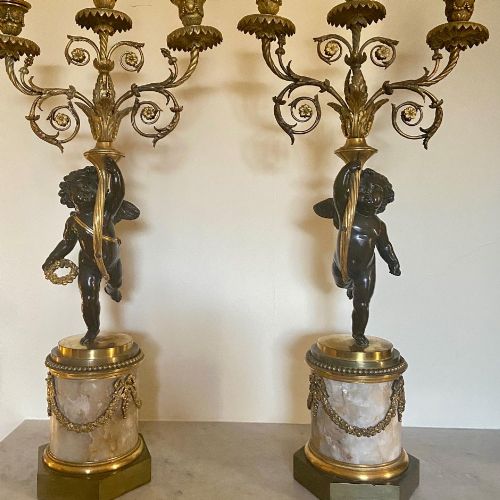
The selection ranges from simple cast metal shapes to elaborate figural works incorporating marble, porcelain, and onyx bases. Nineteenth-century examples dominate the offerings, spanning periods from Regency and Victorian eras through to later revival styles.
How they were made
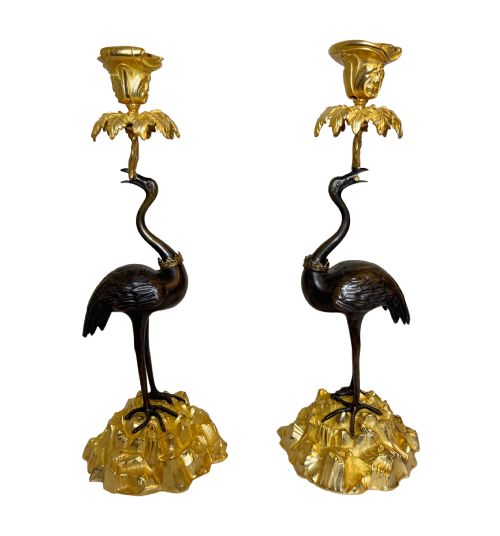
Foundry workers utilised lost-wax or sand-casting techniques to shape the metal components, subsequently refining the surfaces with chisels and files. Gilding, ormolu finishes, and patination were applied to create contrast between bright gold tones and dark bronze.
Many items incorporate secondary materials such as white marble, fluorspar, and onyx, fixed together with threaded pins and nuts. Details like caryatids, putti, and foliage were cast separately before assembly into the final composition.
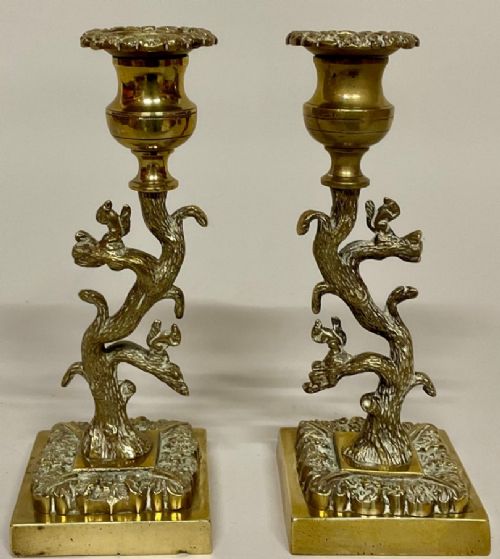
Squirrels clamber up tree-form trunks and frogs peer from bases, reminding us that past lighting makers had a sense of fun.
What varies in quality
The weight of the metal and the quality of the material combination also set examples apart. Heavier bases, genuine ormolu rather than simple paint, and integrated stone or marble elements elevate an object's presence.
Barbedienne·Francois Redmond·Pierre Philippe Thomire·Thomas Hope·Antonio Pandiani·Dugourc
The Pair Bronze Candle Holders Glossary
- Ormolu
- Gilded bronze, produced by applying a mercury-gold amalgam to a bronze base and heating it. This technique creates a durable golden surface frequently seen on French decorative arts.
- Pricket
- A sharp metal spike in the centre of a drip pan designed to skewer a candle. This form is common in Gothic revival pieces and ecclesiastical lighting.
- Girandole
- A branched wall light or ornamental candelabrum fitted with mirrors or reflective backplates. These pieces multiply the flickering effect of the flames within a room.
- Patinated bronze
- Bronze treated with chemicals to produce a dark brown, green, or black surface finish. This treatment protects the metal and highlights sculptural contours.
- Caryatid
- A sculpted female figure serving as an architectural support instead of a column. They frequently appear supporting the stems of classical candlesticks.
Pair Bronze Candle Holders: Frequently Asked Questions
What is the difference between ormolu and brass?
Ormolu refers specifically to high-carat gold applied to a bronze substrate through a traditional amalgamation process. Brass is an alloy made primarily of copper and zinc, possessing a naturally brighter yellow tone throughout its entire thickness.
While brass can be polished to a bright shine, ormolu retains a deep, warm metallic glow beneath its gilded layer. Many antique items combine bronze frames with genuine ormolu highlights.
Were these designed for daily use?
Many examples served practical lighting needs in homes before the widespread adoption of electricity. However, larger multi-armed candelabra and figural pieces were primarily ornamental status symbols for drawing rooms and dining tables.
Today, they function well with standard taper candles, though collectors often choose to display them unlit to preserve the material integrity.
How can I tell a 19th-century piece from a later copy?
Examine the construction methods, including the type of screws, threading, and casting seams visible on the underside. Nineteenth-century examples typically show hand-finished chasing work and natural wear patterns on the high points of the metal.
Castings from later revival periods often feel lighter or display uniform machine tooling without the crisp detail of earlier workshops.