



Cast Bronze Table Candlesticks
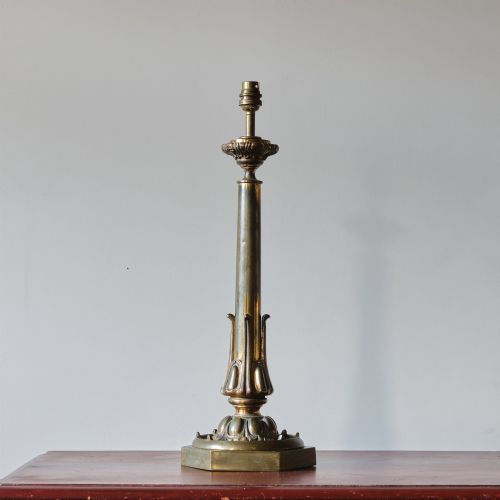
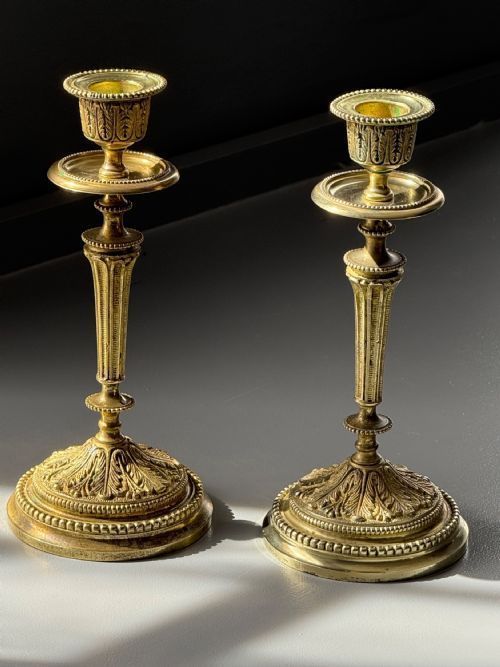
Cast bronze table candlesticks bring weight and steady proportion to a room, cast solid and detailed with classical ornament.
Cast Bronze Table Candlesticks
When you search for cast bronze table candlesticks, you encounter heavy metal objects designed to hold candles or converted later into table lamps and lamp bases. The pieces available span from the eighteenth century through to the early twentieth century, showing a strong presence of French design influences alongside English and Russian examples.
You are most likely to meet pairs designed in the Louis XVI style, Louis XV style, or Venetian tradition, alongside Victorian productions. These domestic lighting items include single candlesticks, twin-arm candelabra, and figurative bases incorporating mermans or human forms.
The forms shift between formal neoclassical symmetry and asymmetrical rococo curves, reflecting grand tour tastes and nineteenth-century revivals. Many examples have been adapted over time to take electrical fittings while retaining their original metal stems and bases.
Materials and construction
The primary material is cast bronze, frequently paired with ormolu, gilt bronze, or silvered bronze finishes to enrich the surface texture. Some pieces combine the metal bodies with marble elements or utilise cast brass and cast iron foundations.
Foundries shaped these objects through metal casting before applying chased detail and patination by hand. The resulting structures possess a solid heft and durability that allowed them to survive centuries of domestic use.
Cast Bronze Table Candlesticks Retail Price Guide 2026
Typical asking prices for cast bronze table candlesticks among the pieces listed under this phrase on Sellingantiques today, from the lower quarter to the upper quarter. They describe what is for sale here now, not the wider market.
Merman twin-arm candelabra bring mythical sea creatures straight onto the Victorian dining table.
Assessing quality
Quality rests in the crispness of the original metal chasing and the depth of the gilding or patination applied to the surface. Better examples retain sharp relief in their decorative foliage and figures, whereas weaker pieces show softened detail from worn moulds.
Proportion and the integrity of the casting seams also separate standard production from superior work. A well-balanced silhouette and heavy, solid construction indicate a higher grade of workshop output.
Ferdinand Barbedienne
The Cast Bronze Table Candlesticks Glossary
- Ormolu
- Gilded bronze, usually produced by applying a mercury and gold amalgam to a bronze base and heating it to drive off the mercury. This technique creates a rich, lasting golden surface common in French decorative arts.
- Gilt bronze
- Bronze that has been covered with a thin layer of gold leaf or gold paint to simulate solid gold. The finish adds brightness to decorative metalwork.
- Patination
- The natural or induced coloration that forms on the surface of bronze over time through age and handling. It provides depth and character to the metal.
- Grand Tour
- The cultural journey of Europe undertaken by wealthy young men in the eighteenth and nineteenth centuries. It generated a demand for classical bronze souvenirs and decorative objects brought back to England and elsewhere.
Cast Bronze Table Candlesticks: Frequently Asked Questions
What are cast bronze table candlesticks?
They are solid metal lighting supports cast in bronze, often finished with gilding, silvering, or patination. Makers shaped them into classical columns, figurative forms, and ornate scrolling designs.
Over the centuries, many of these domestic objects transitioned from holding wax candles to serving as lamp bases with electrical wiring.
How do I identify French versus English styles?
French examples typically display Louis XV or Louis XVI styling, featuring rococo curves or strict neoclassical symmetry with gilt bronze surfaces. English pieces from similar periods often lean towards simpler brass construction or aesthetic movement designs.
Regional differences also appear in the crispness of the chasing and the specific choice of patination.
Are these pieces wired for electricity?
A significant portion of surviving examples have been converted into table lamps or lamp bases to suit modern homes. This adaptation usually involves running a cord through the centre without destroying the antique metal body.
Unconverted candlesticks still retain their original candle sockets and drip pans.
How should I clean antique bronze?
Dust the surface gently with a soft dry cloth to remove everyday particles. Avoid using harsh chemical polishes that can strip away the historic patination or damaging gilding.
Professional conservation advice is recommended if the metal requires deeper cleaning or restoration.