
Pair Brass Table Lamps
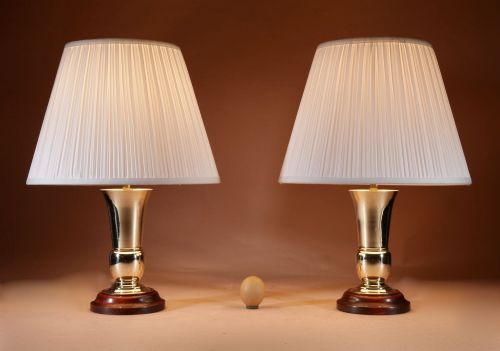
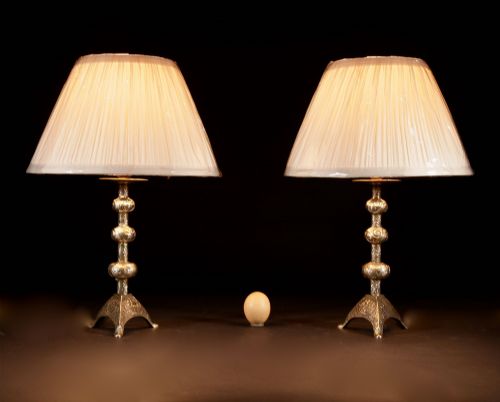
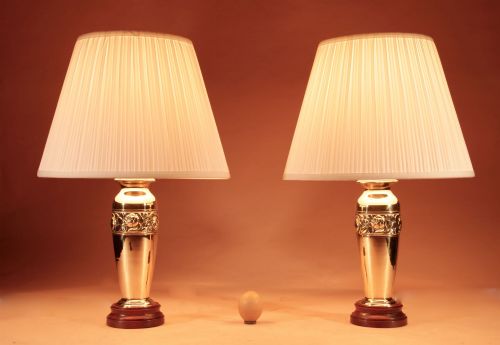
Pair brass table lamps bring symmetry and warm illumination to an interior, drawing on centuries of metalwork traditions ranging from Victorian revivalism to industrial utility.
Pair Brass Table Lamps
Buyers browsing this selection encounter pieces spanning the Victorian and Edwardian eras, alongside Neoclassical designs and early twentieth-century interpretations.
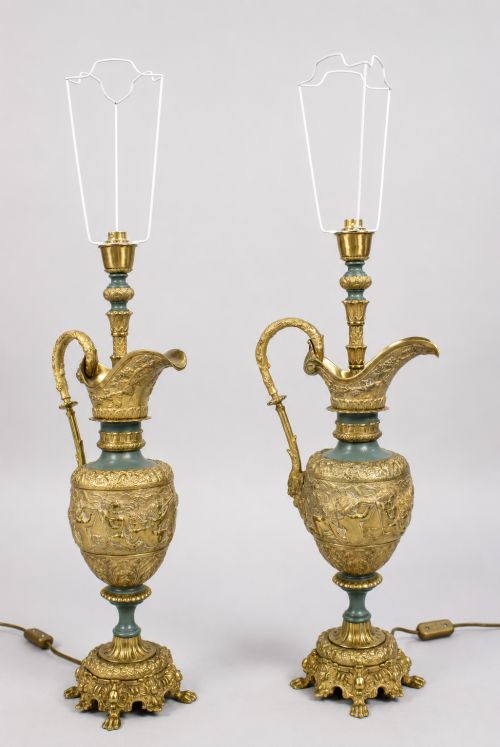
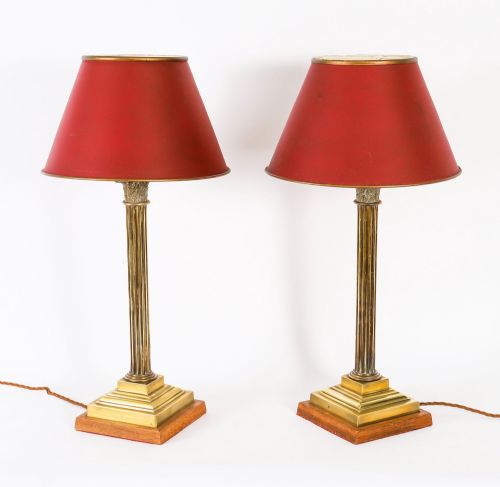
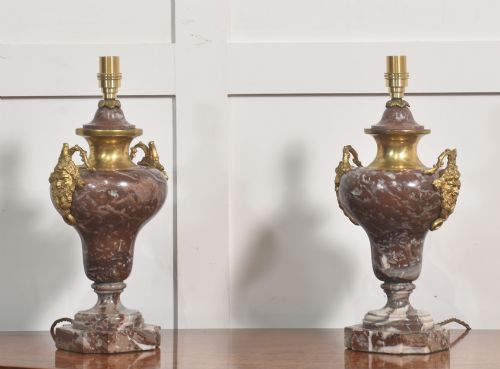
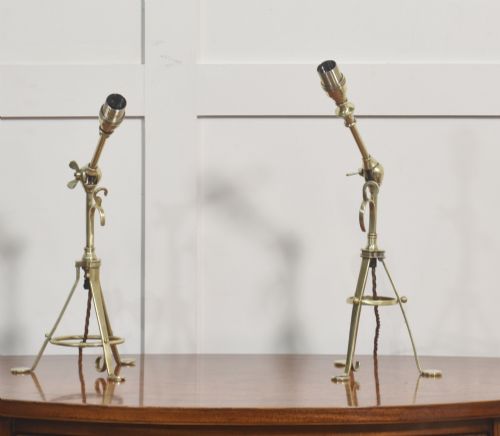
The assortment includes weighty Corinthian columns, adjustable reading lights, and ornamental pieces mounted with marble, glass, or enamel details.
How They Were Made
Craftsmen utilised techniques such as fine casting, turning, and piercing to shape solid brass into fluted columns, ornate bases, and structural components.
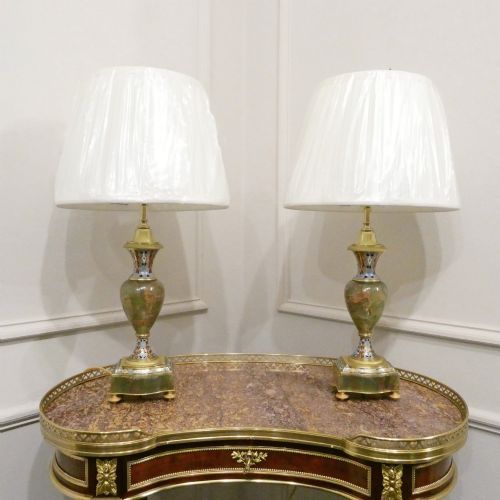
Many examples incorporate secondary materials like white marble, onyx, opaline glass, and cloisonné enamel to add colour and textural contrast to the metallic body.
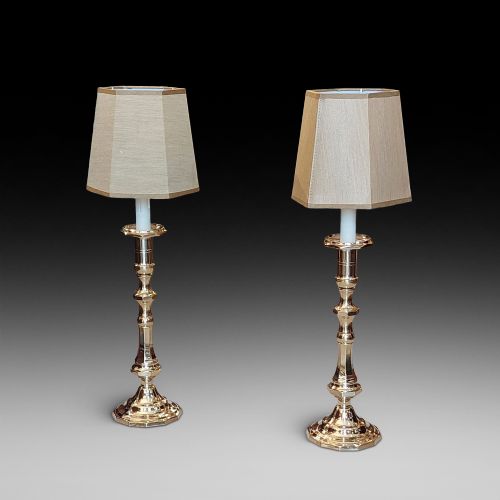
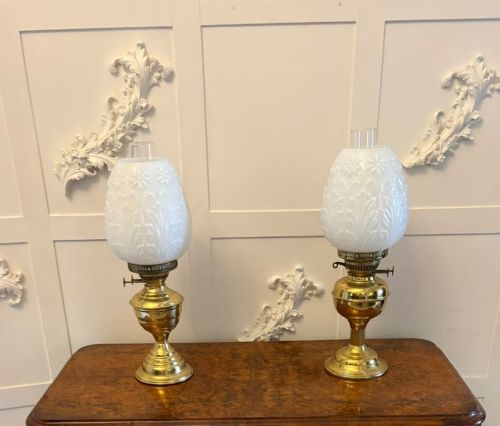
Older lighting conversions frequently utilise antique candlesticks or oil lamp reservoirs fitted later with electrical wiring and fabric shades.
Pair Brass Table Lamps Retail Price Guide 2026
Typical asking prices for pair brass table lamps among the pieces listed under this phrase on Sellingantiques today, from the lower quarter to the upper quarter. They describe what is for sale here now, not the wider market.
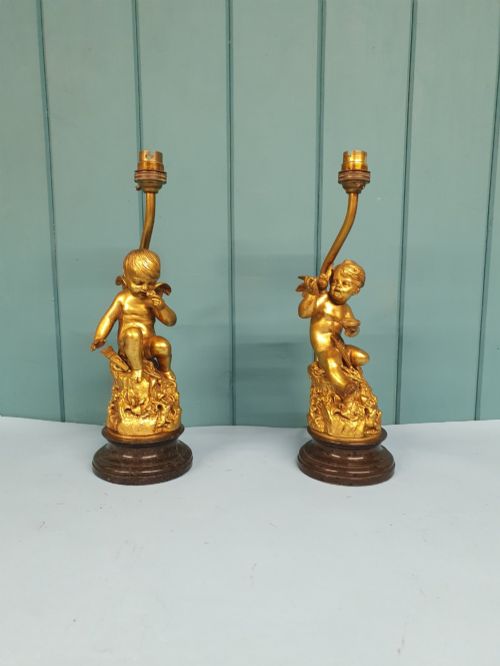
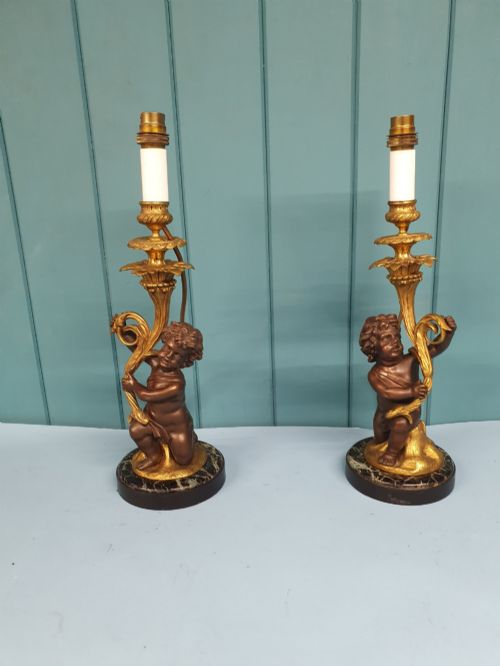
Several lamps double as silent sentinels with bronze cherubs supporting the light.
What Varies in Quality
The distinction between standard production and superior craftsmanship rests on the weight of the cast brass, the crispness of architectural details like acanthus leaves, and the depth of the chasing.
Compositional balance also dictates value, seen in the seamless integration of secondary materials such as rouge marble or hand-painted enamel panels rather than superficial surface plating.
W.A.S. Benson·Angelo Brotto for Esperia·Hinks and Sons·G.E.C.
The Pair Brass Table Lamps Glossary
- Corinthian column
- A classical architectural support featuring an ornate capital decorated with carved acanthus leaves, frequently adapted into tall table lamp shafts.
- Ormolu
- Gilded bronze or brass applied to decorative objects, offering a bright golden finish that mimics solid gold without the heavy weight.
- Champlevé
- An enamelling technique where troughs are dug into the metal surface, filled with coloured glass powder, and fired to create vibrant patterns.
- Student lamp
- A traditional adjustable lighting fixture originally designed to provide focused illumination for reading or writing.
- Tassel
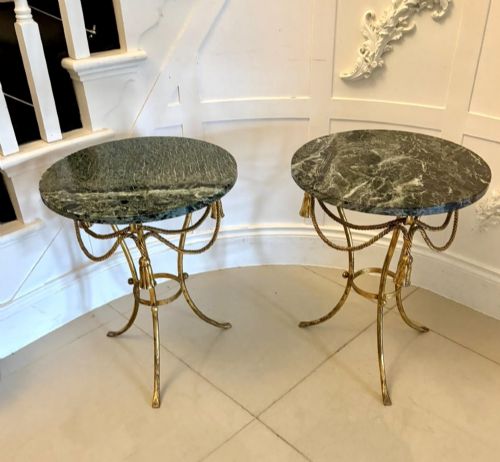
- A decorative tuft of threads suspended from a cord, sometimes referenced in the styling of fringe lampshades or supporting gilt metal mounts.
Pair Brass Table Lamps: Frequently Asked Questions
How do I date a brass lamp?
Dating relies on observing construction methods, switch types, wiring access points, and stylistic markers such as Neoclassical fluting or Art Deco geometry.
Heavier cast components and hand-finished surfaces generally point towards nineteenth-century production, whereas twentieth-century items often show standardised internal fittings.
Were these originally electric?
Many surviving examples began life as oil lamps, gas fixtures, or candlesticks before undergoing conversion to electricity during the twentieth century.
Original oil reservoirs and burner mechanisms are frequently adapted to house lamp holders while retaining the historic exterior appearance.
How do I clean brass safely?
Maintenance requires gentle dusting with a soft cloth to protect the metal and preserve any aged patina that has developed over decades.
Harsh chemical polishes should be avoided, particularly on lacquered surfaces or where ormolu and enamel details risk permanent abrasion.
What styles are most common?
Neoclassical and Victorian revival styles dominate the selection, featuring architectural motifs such as columns, urns, and classical pedestal bases.
Edwardian interpretations also appear frequently, alongside occasional geometric Art Deco designs and decorative Asian cloisonne pairings.