

Pair Blue Vases
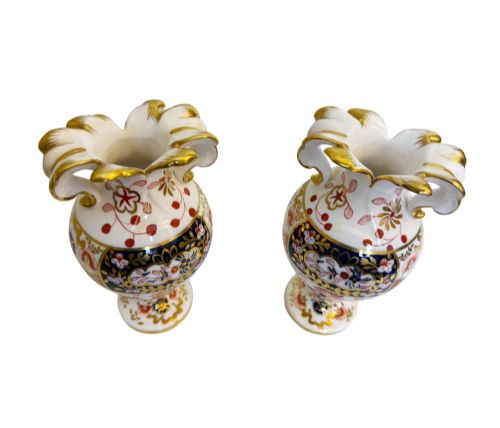
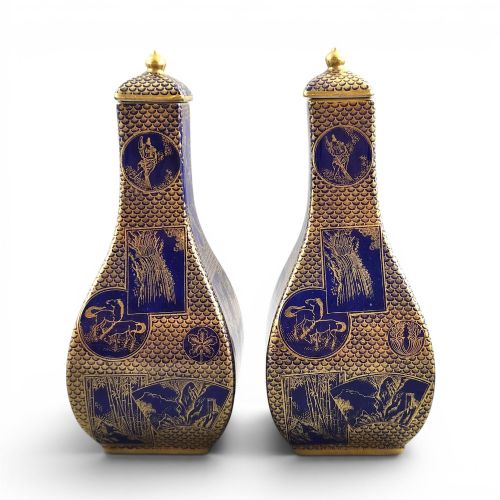
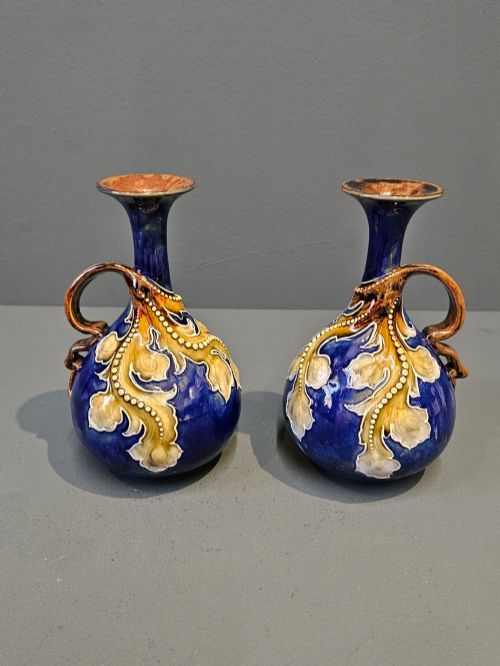
These pair blue vases bring symmetry and rich cobalt tones to an interior, spanning centuries of global ceramic and glass traditions.
Pair Blue Vases
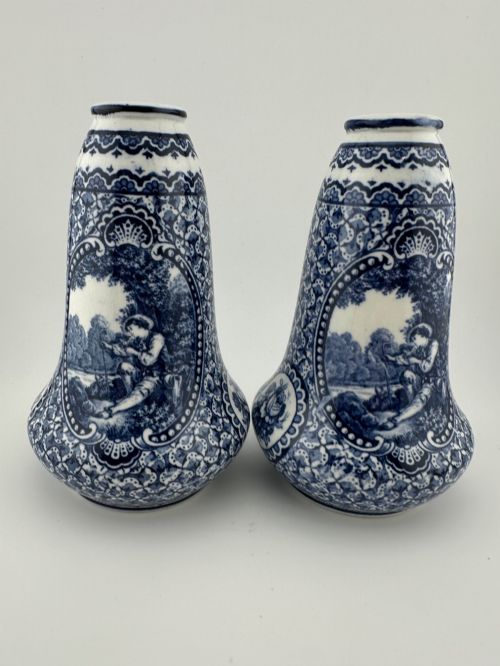
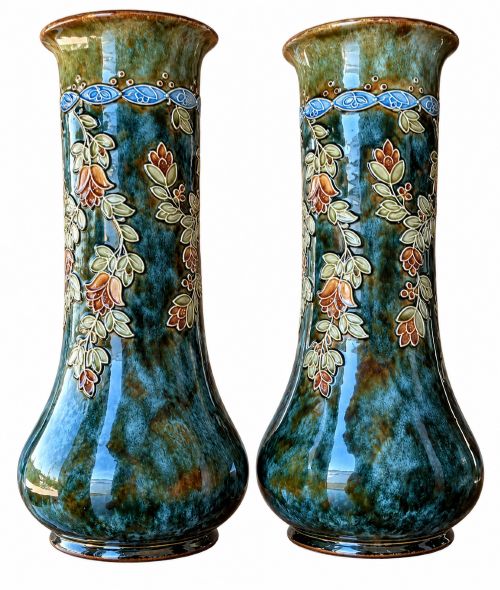
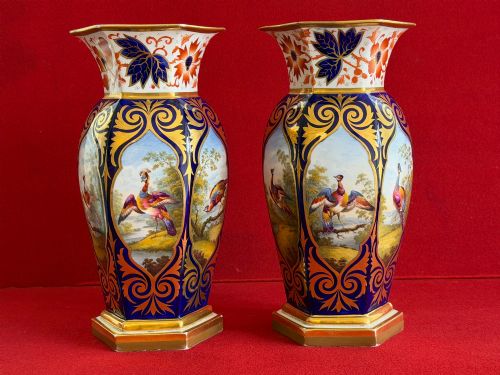
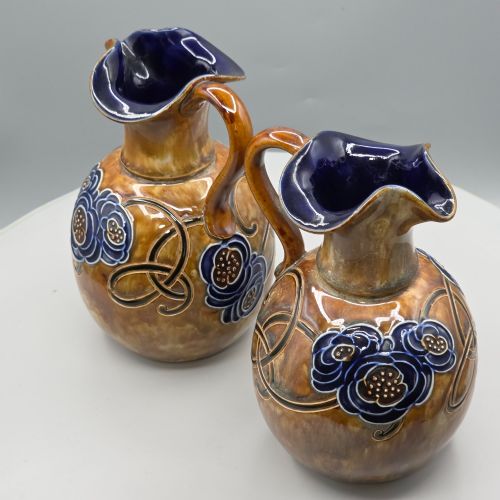
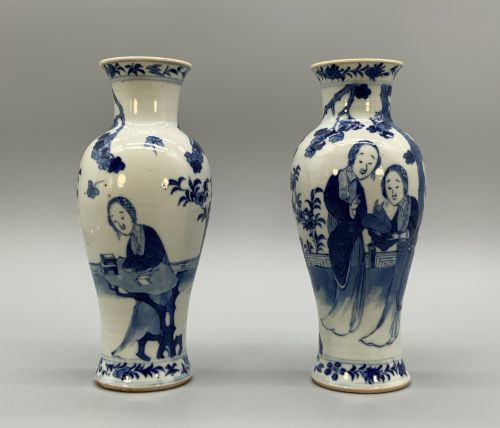
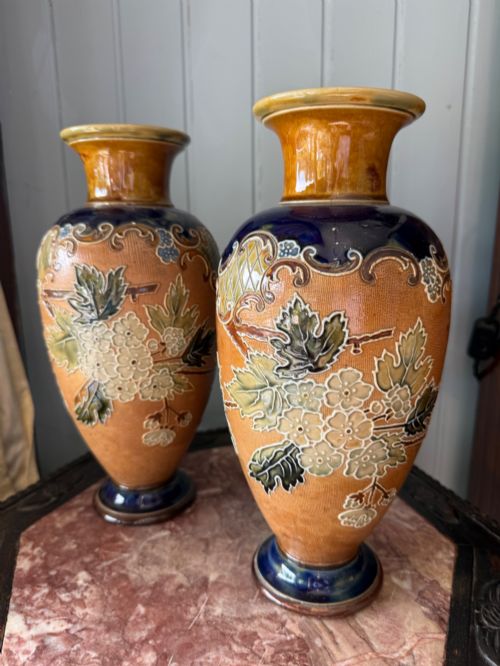
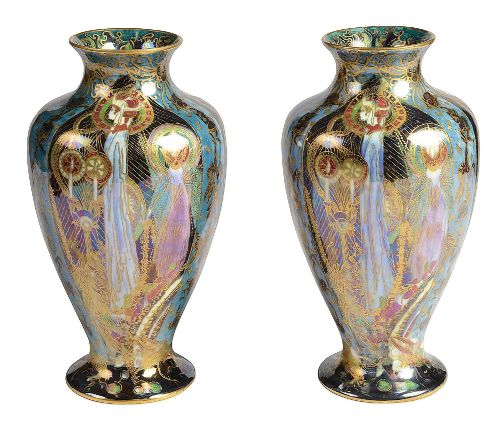
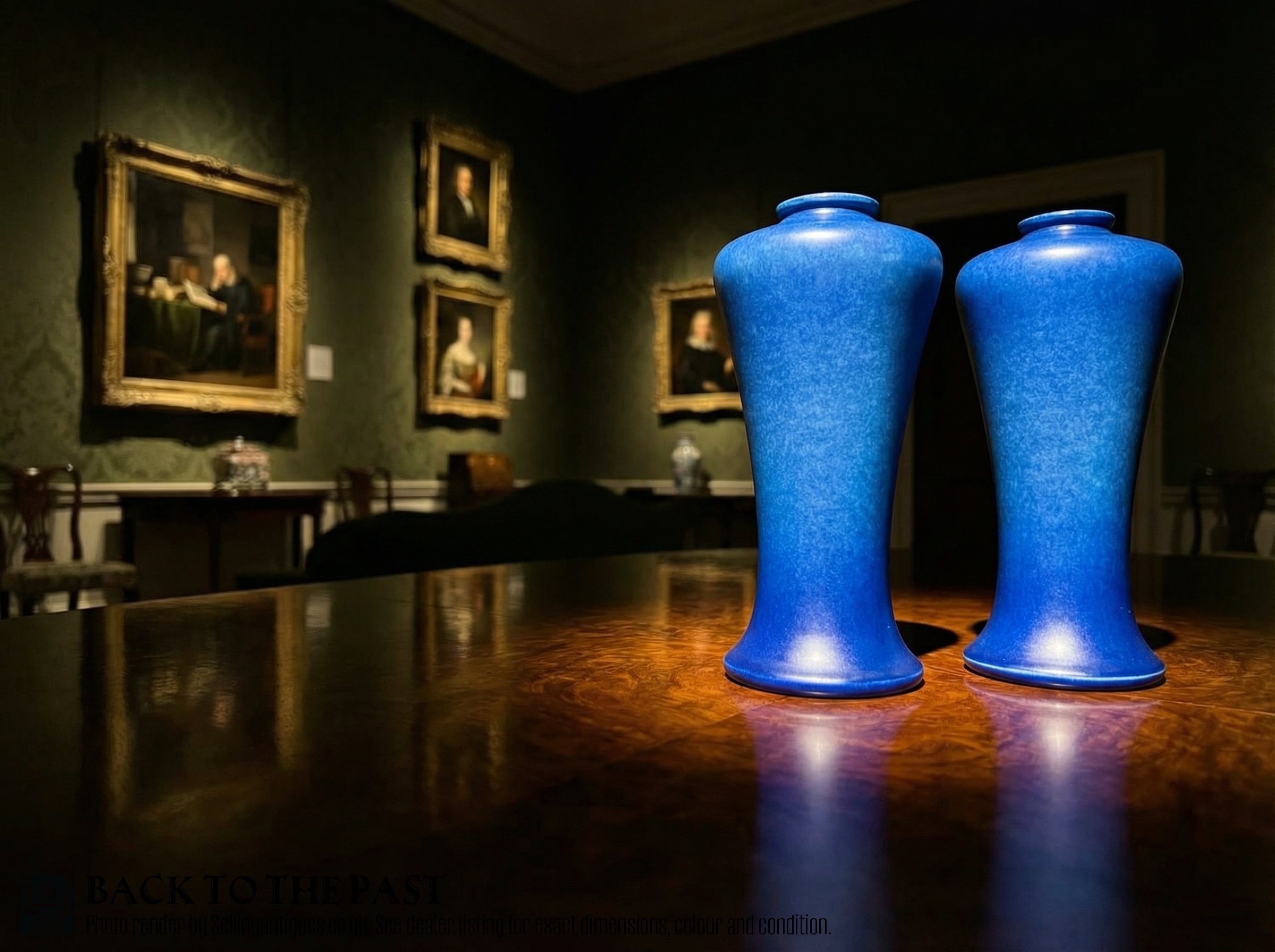
When searching for pair blue vases, a buyer encounters symmetrical vessels designed for display, mantel decoration, or conversion into lighting. The selection spans the nineteenth and early twentieth centuries, featuring European porcelain, English stoneware, and East Asian imports.
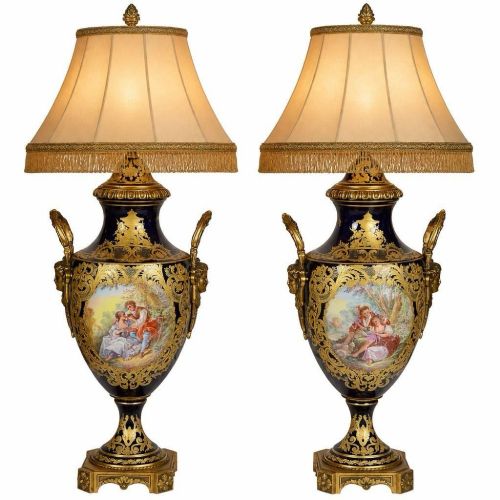
The forms range from small baluster shapes and ginger jars to large temple urns and amphorae. Many examples incorporate metal mounts, handles, or covers, reflecting the diverse decorative arts movements of their respective periods.
How They Were Made
Potters and glassmakers utilised porcelain, earthenware, stoneware, and coloured glass, applying cobalt oxides to achieve deep blue grounds. Techniques such as hand-painting, transfer printing, cloisonné enamelling, and crystalline glazing define the surface treatments.
Many ceramic and glass bodies received ormolu, gilt bronze, or brass mounts, merging ceramic craft with metalwork. Kiln firing methods varied from traditional high-fired oriental porcelain to Western industrial earthenware production.
Scholars retreating to nineteenth-century studies evidently required very heavy jars.
What Varies in Quality
Execution of the painted or transferred design separates standard production from exceptional studio work. Crispness in hand-painted detail, depth of the blue glaze, and the weight and precision of ormolu or gilt bronze mounts dictate the standing of a piece.
Makers known for rigorous standards, such as Royal Doulton, Sevres, or Wedgwood, demonstrate superior paste consistency and finishing. The integrity of the matching pair, with uniform firing results and undamaged mounts, determines overall success.
Royal Doulton·Flight Barr And Barr·Fourmaintraux Courquin·Mason·Hicks And Meigh·Samson Paris·Coalport
The Pair Blue Vases Glossary
- Ormolu
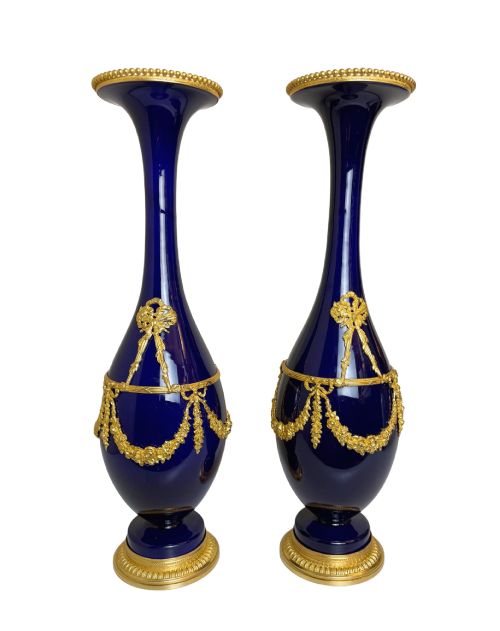
- Gilded bronze mounts applied to the base, rim, or handles of ceramic vessels. This French technique was widely utilised during the nineteenth century to elevate decorative utility.
- Imari
- A Japanese export porcelain style characterised by underglaze blue and iron red, often highlighted with gold. These patterns were frequently copied by European factories.
- Baluster
- A vertical ceramic form with a rounded lower body tapering to a narrow neck. This shape provides stability and visual balance for display.
- Stoneware
- A dense, impermeable ceramic fired at high temperatures. English makers utilised this material for durable art pottery decorated with incised foliage.
- Cloisonne
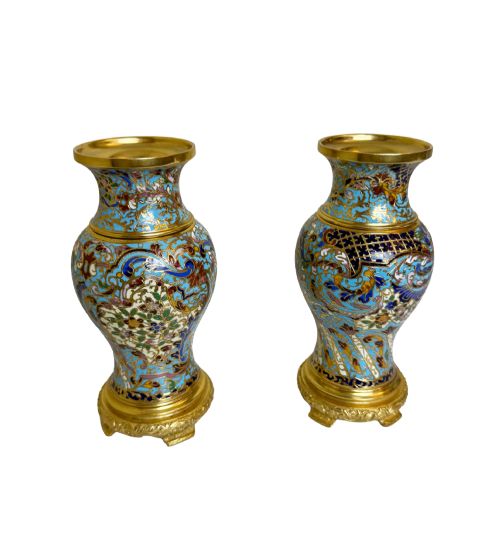
- Enamel work created by soldering wire compartments onto a metal base before filling with paste. The piece is then fired and polished to a smooth finish.
Pair Blue Vases: Frequently Asked Questions
How do I date a pair of blue vases?
Examine the base marks, glaze composition, and manufacturing style. Backstamps, impressed factory ciphers, and registration dates provide precise chronological markers.
Stylistic cues such as Art Nouveau floral motifs or Regency ormolu mounts further narrow the production period within the nineteenth or early twentieth centuries.
Were these vases made as lamps originally?
Most antique vases were produced purely for display or functional holding, converted into table lamps during later decades. Wiring often passes through drilled bases or fitted metal collars.
Checking the interior and base reveals whether holes were added after initial manufacture.
How do I clean antique porcelain and glass?
Dust gently with a soft dry cloth to prevent scratching fragile enamel or gilt surfaces. Avoid immersing pieces with metal mounts or glued repairs in water.
Harsh chemical detergents can strip delicate overglaze decoration and damage historic glass finishes.
What is the difference between Delft and Imari styles?
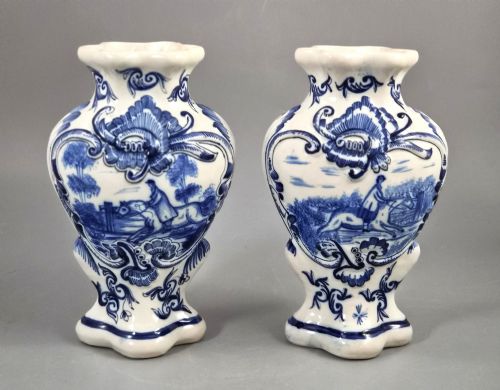
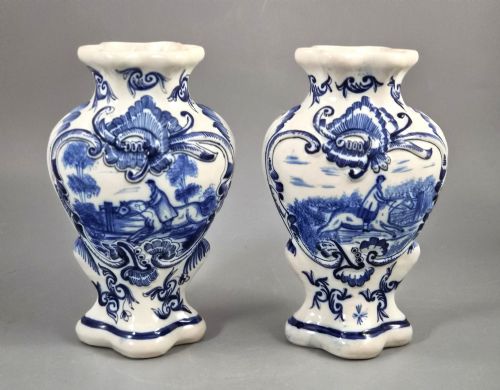
Delft style references European tin-glazed earthenware emulating Chinese blue and white motifs. Imari refers to Japanese export porcelain featuring distinct red, blue, and gold palettes.
Both traditions influenced global interior decoration across multiple centuries.