



Pair Spill Holders
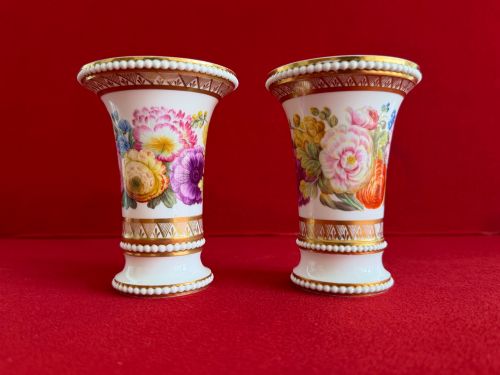
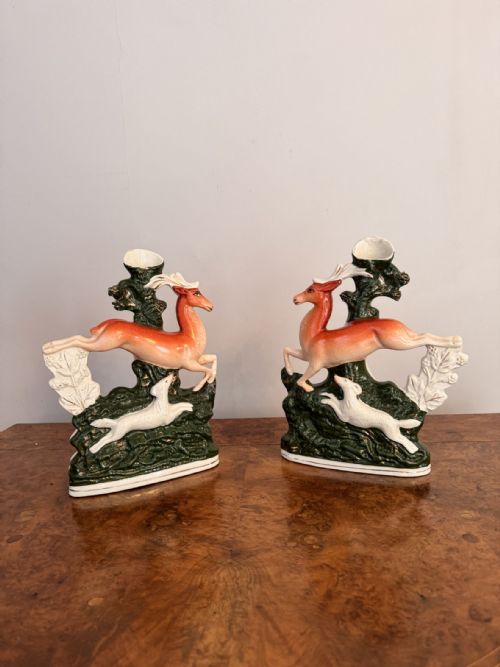
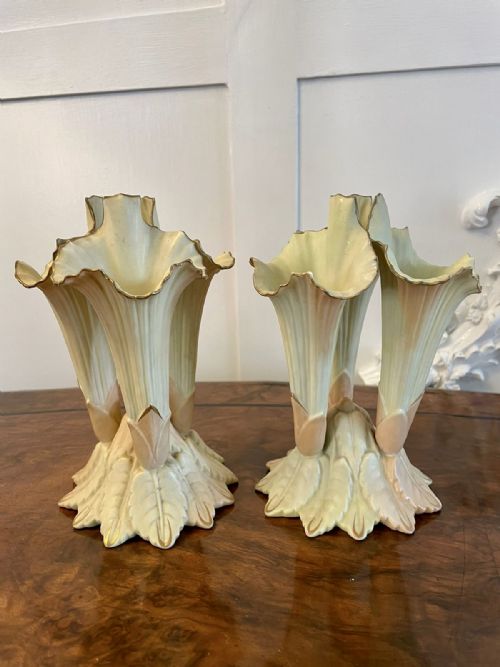
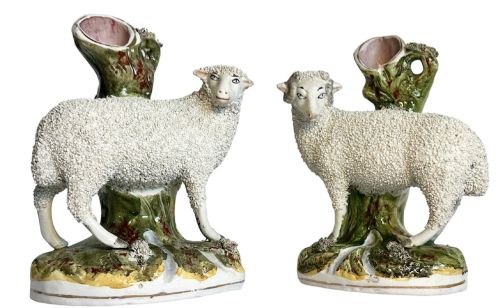
Pair antique spill holders stand ready on the mantelpiece, offering both a decorative anchor and a practical home for taper candles.
Pair Spill Holders
These objects are dual vessels designed to hold thin spills of wood or paper used to transfer a flame from the hearth to a candle or pipe. When collectors search for a pair antique spill holders, they encounter symmetrical matched sets intended to balance either end of a mantel shelf or tabletop.
The selections span distinct periods from the mid-nineteenth century through the early twentieth century, encompassing Victorian and Edwardian aesthetics. Common forms include figural pottery groups depicting animals and human figures, alongside turned wooden urns and porcelain vases.
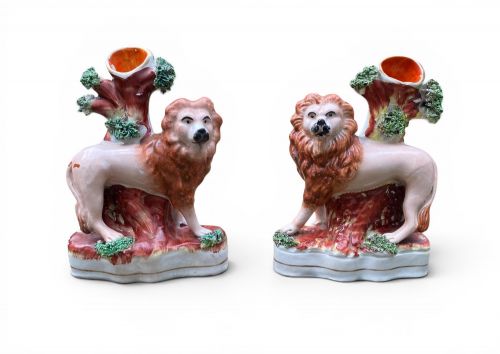
Ceramic examples frequently originate from Staffordshire potteries, featuring domestic animals and figures flanking a hollow tree trunk meant for spills. Other varieties showcase porcelain and silver plate, demonstrating the diverse materials utilised by makers across Britain.
How they were made
Pottery examples rely on earthenware and porcelain bodies shaped in moulds, then finished with glazes and hand-painted enamel details. Gilding is often applied to highlight decorative rims and bases on porcelain specimens.
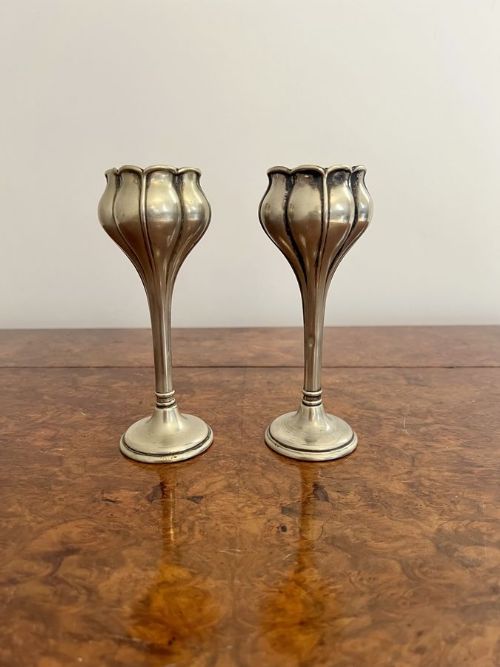
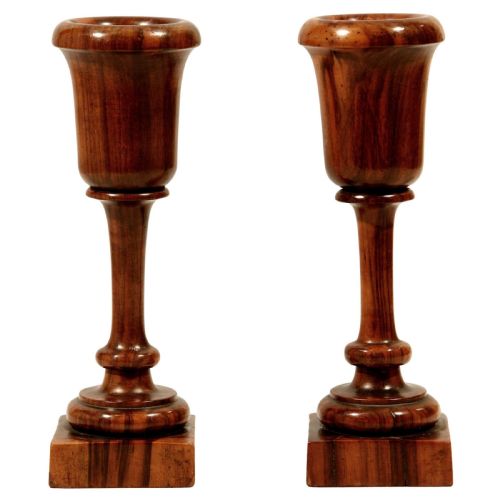
Wooden spill stems are turned on a lathe from dense timbers such as oak and lignum vitae to create urn shapes. Metal counterparts utilise silver plate or hallmarked silver, often paired with weighted bases for stability.
Listings feature earthenware, porcelain, and turned wood across the Victorian and Edwardian periods.
What varies in quality
The standard of painting and modelling dictates the distinction between ordinary pottery and finer works. Hand-painted naturalistic scenes by named artists demonstrate superior artistic execution compared to standard factory output.
The crispness of detail in moulded earthenware figures and the precision of the lathe work in turned wooden urns separate standard domestic items from finer decorative pieces. Original surfaces and well-preserved gilding also elevate the standing of ceramic and metal pairs.
Locke & Co.·Royal Worcester·Staffordshire
The Pair Spill Holders Glossary
- Spill
- A thin slip of wood or rolled paper used for transferring a fire from the hearth. These were essential household items before the invention of safety matches.
- Flat back
- A ceramic figure or vase moulded with a flat, unpainted rear side. This construction allowed the piece to sit flush against a wall or mantelpiece.
- Earthenware
- A porous pottery body fired at lower temperatures and coated with a glaze to ensure it holds items securely. It serves as the primary material for nineteenth-century figures.
- Blush ivory
- A soft, creamy porcelain glaze popular around the turn of the twentieth century. It provides a warm background for delicate hand-painted floral and fruit motifs.
Pair Spill Holders: Frequently Asked Questions
What were pair antique spill holders used for?
These vessels held tapers of wood or paper known as spills near the fireplace. Users lit the spill from the hearth fire to carry a flame to lamps, candles, or pipes.
Because matches were expensive or unreliable in earlier centuries, keeping a ready supply of spills on the mantelpiece was a daily household necessity.
How do I display them on a mantelpiece?
A matched pair balances the mantel shelf when placed at either end. They look best framing a clock, mirror, or centrepiece ornament.
Keep the hollow spill tubes upright and empty, allowing their decorative forms to contribute to the room's traditional interior styling.
How can I tell Victorian pieces apart?
Victorian examples often take the form of Staffordshire pottery figures depicting animals, domestic scenes, or literary characters flanking a hollow tree trunk. These display moulded details and hand-painted enamel colours typical of nineteenth-century earthenware.
Later Edwardian and twentieth-century items shift towards porcelain, silver plate, or painted fruit and cattle scenes signed by factory artists.
Are wooden spill holders as common as ceramic ones?
Turned wooden examples in dense timbers like oak or lignum vitae appear less frequently than ceramic Staffordshire figures. They rely on clean turned urn shapes rather than figural modelling.
Both types served the same domestic purpose by the hearth, though wood offers a different textural warmth compared to glazed earthenware.