

Painted Wood Dresser
A painted wood dresser brings honest regional character and functional storage to a room through centuries of tradition.

Painted Wood Dresser
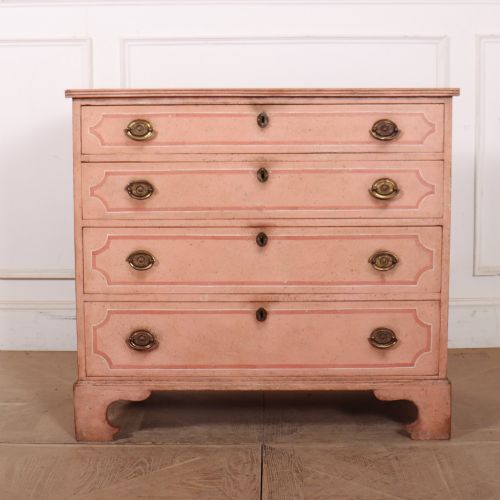
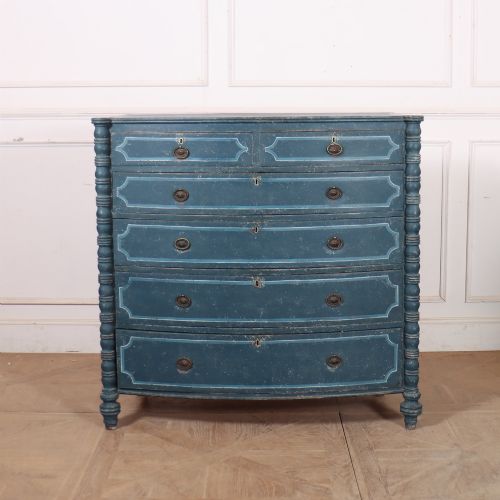
A painted wood dresser encompasses substantial storage furniture such as dresser bases, chests of drawers, and cupboards finished in paint, often originating from English, French, Swedish, and Italian workshops. These pieces serve practical household needs while displaying distinct regional decorative styles from the eighteenth and nineteenth centuries.
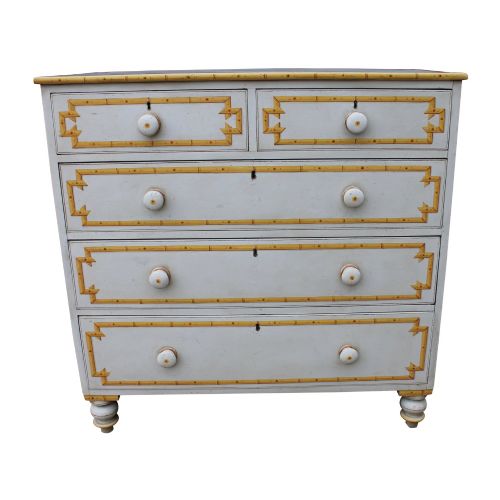
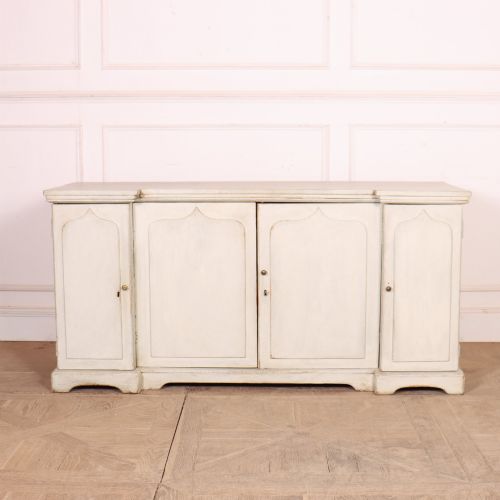
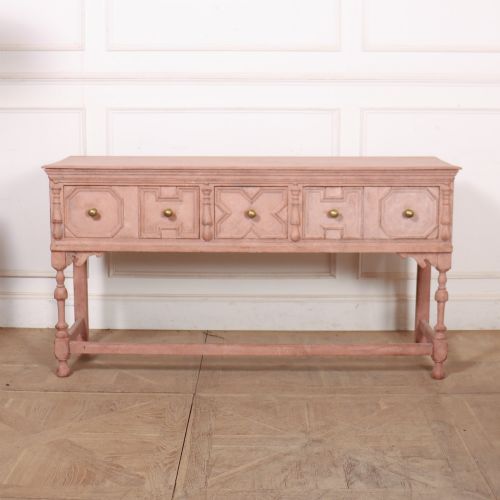
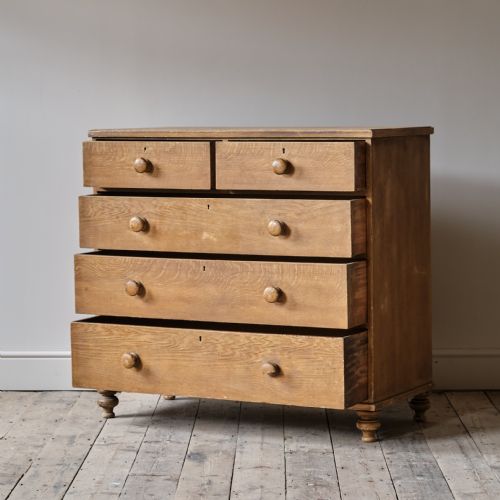
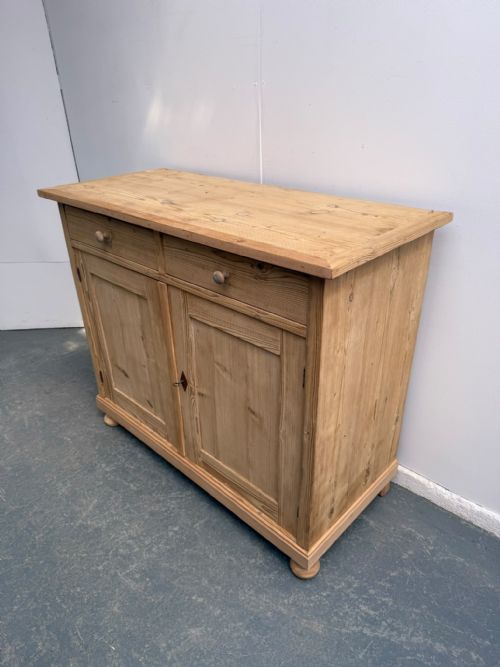
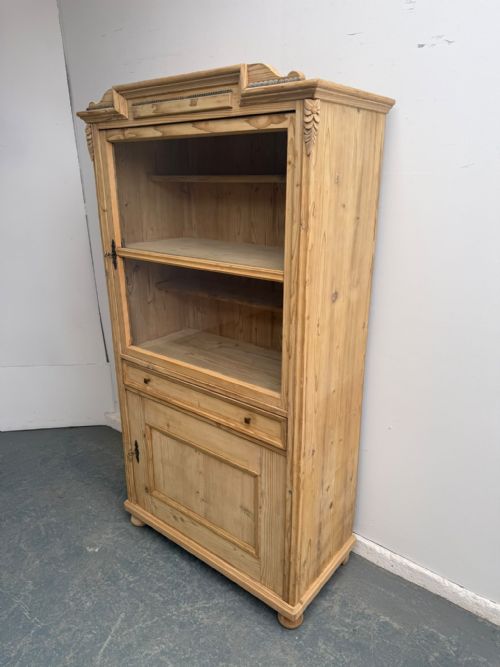
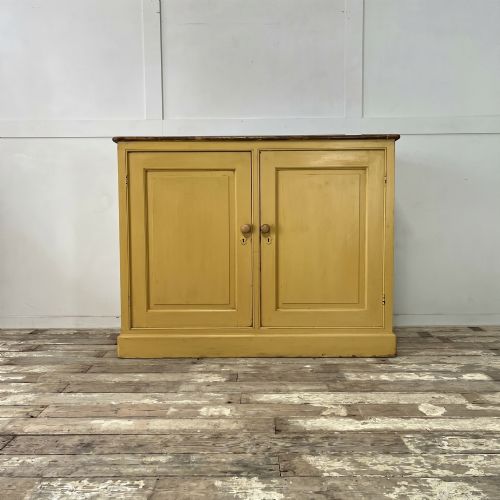
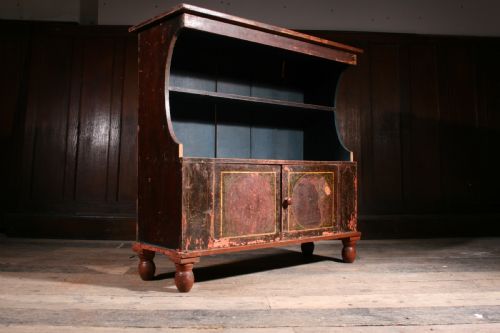
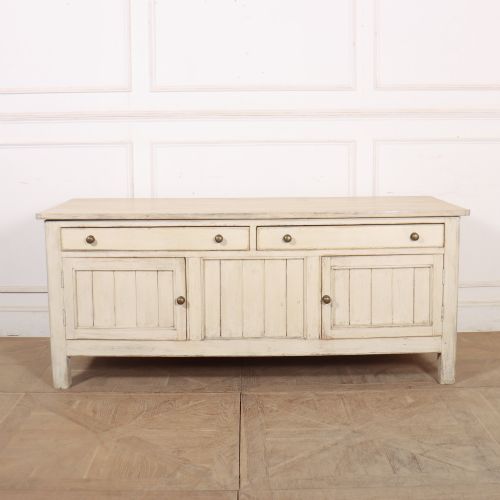
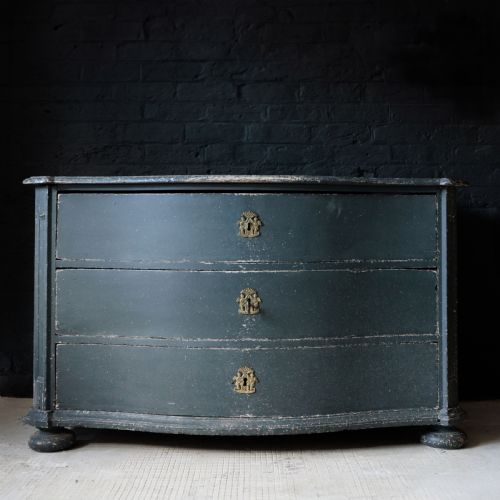
The version most commonly encountered on this page is the nineteenth-century pine or hardwood chest of drawers and dresser base, frequently found in original paint or country finishes. Such pieces range from utilitarian school cupboards and potboard dresser bases to elegant bowfront and serpentine commodes.
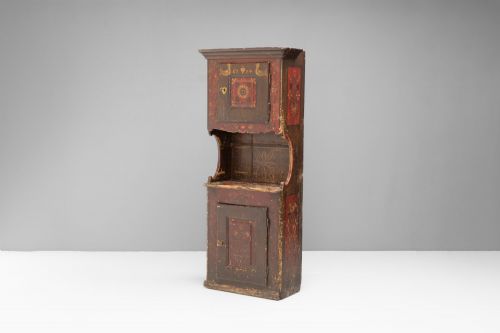
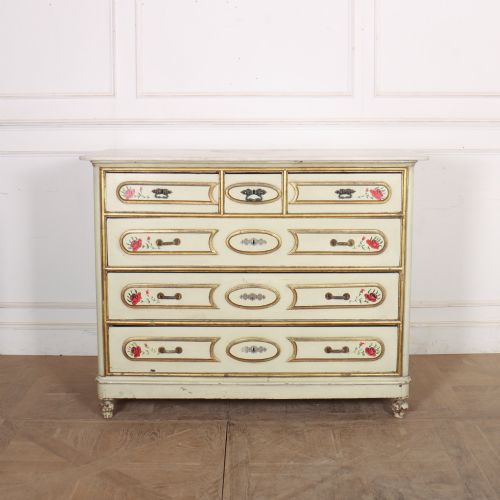
Makers and regional artisans built these items using sturdy timbers like pine and birch, applying decorative schemes that include faux bamboo, scumbled surfaces, and hand-painted Venetian scenes. Buyers select them for their combination of robust construction and expressive surface decoration.
Judging Quality and Character
Quality rests in the integrity of the original painted surface and the survival of untouched decorative details, such as hand-painted scenes or authentic scumbled finishes. Pieces retaining their original hardware and untouched timber carcases stand apart from later repainted examples.
Proportion and structural refinement dictate the standing of a piece, separating utilitarian workshop items from high-style Gustavian or serpentine commodes. The skill of the original brushwork and the stability of the dovetailed drawer construction further distinguish superior examples.
Some nineteenth-century furniture makers ingeniously painted ordinary pine to mimic exotic birch or expensive marble.
Gemla Fabrikers
The Painted Wood Dresser Glossary
- Dresser base
- A low sideboard or cabinet with drawers and sometimes a lower potboard shelf, designed for serving and storage.
- Scumbled
- A decorative paint technique involving translucent layers dragged or brushed over a base coat to simulate grain or texture.
- Serpentine
- A curved furniture front featuring a convex centre flanked by concave ends, common in finer eighteenth and nineteenth-century commodes.
- Potboard
- An open lower shelf fitted between the legs of a traditional dresser base, originally intended for storing pots and pans.
- Commode
- A low freestanding chest of drawers, often with decorative painted surfaces originating from French, Italian, or Spanish traditions.
Painted Wood Dresser: Frequently Asked Questions
What is a painted wood dresser?
A painted wood dresser is a utilitarian or decorative storage piece, including dresser bases and chests of drawers, finished with paint rather than polished wood. They range from simple pine country furniture to sophisticated Gustavian and serpentine commodes.
These items provide enclosed shelving and drawer space while introducing historical colour and texture into an interior scheme.
How do I date a painted chest of drawers?
Dating relies on examining construction methods, timber types, and the characteristics of the paint surface. Eighteenth-century pieces often feature hand-cut dovetails and early pigment mixes, while Victorian examples frequently utilise sturdy pine and scumbled finishes.
Hardware styles, drawer linings, and overall proportions also offer reliable clues to a piece's period of manufacture.
Are painted finishes original?
Original paint surfaces show natural wear, stable craquelure, and integration with the underlying timber consistent with their age. Evidence of early pigment layers beneath later coats helps confirm the history of the finish.
Many antique pieces survive in their first decorative scheme, though some nineteenth-century examples were made to be waxed or painted later.
How do I care for antique painted furniture?
Care involves keeping pieces away from direct sunlight and fluctuating humidity to protect the wood substrate and fragile paint layers. Gentle dusting with a dry, soft cloth preserves the surface without introducing moisture.
Avoid chemical cleaning products that can strip or soften historic paintwork and original scumbled glazes.