

Painted Wood Accent Chairs
These painted wood accent chairs bring distinct character and colour to a room, offering functional seating rooted in centuries of decorative traditions.
Painted Wood Accent Chairs
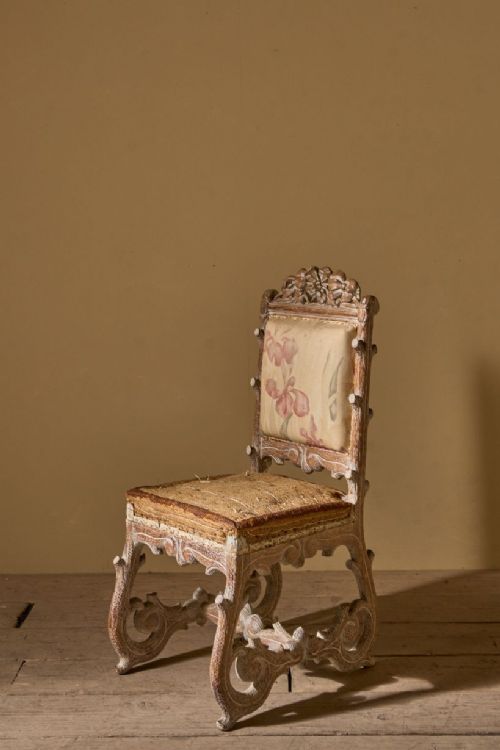
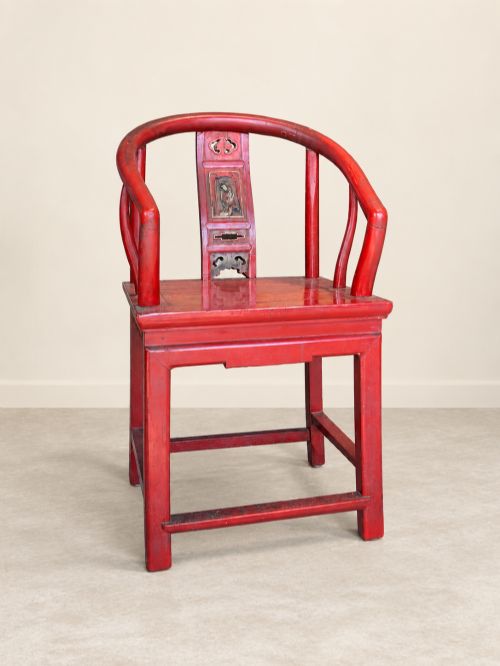
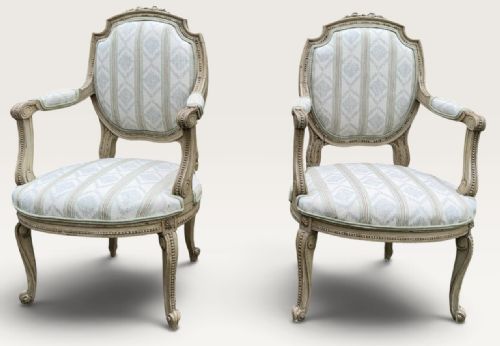
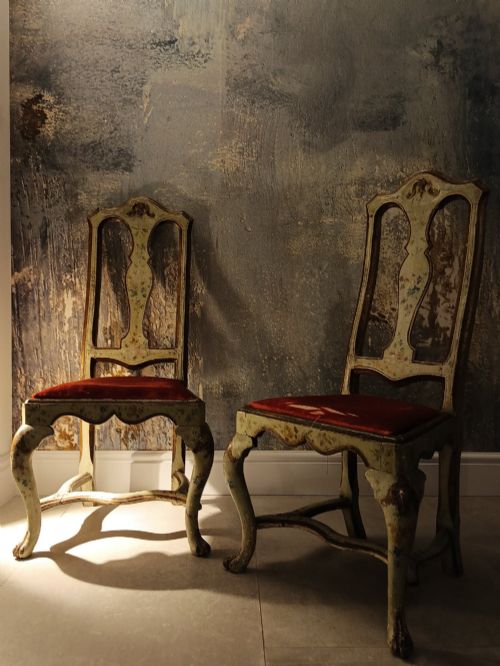
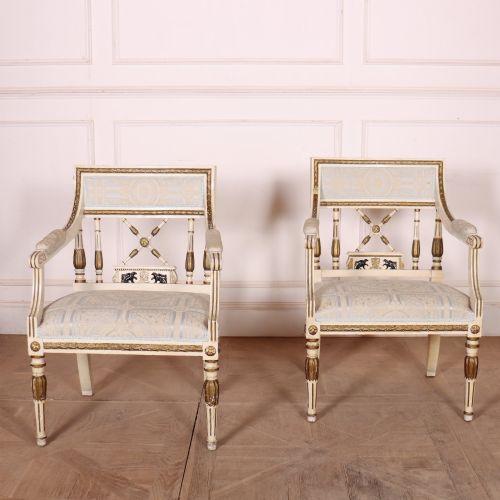
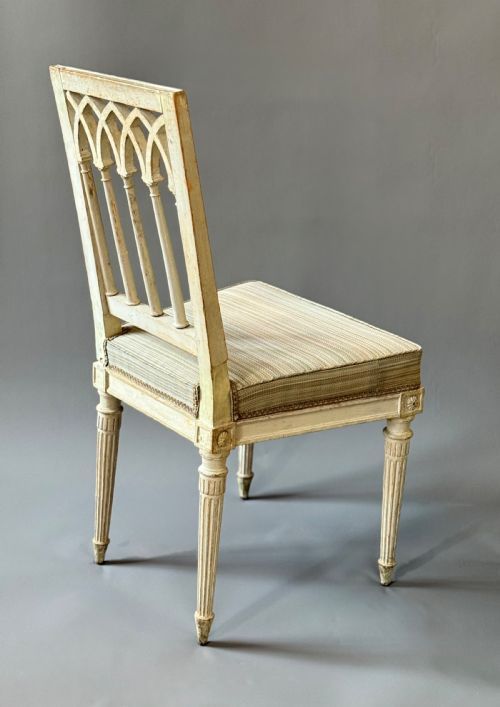
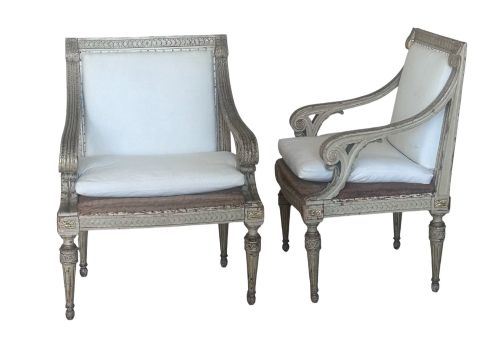
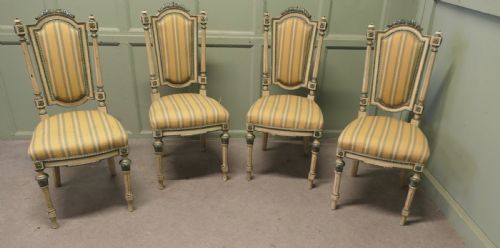
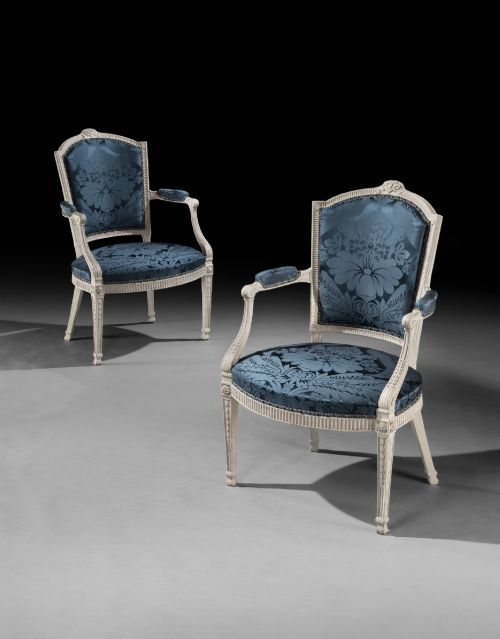
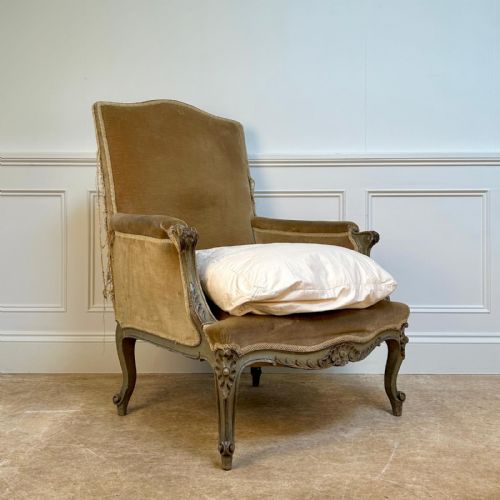
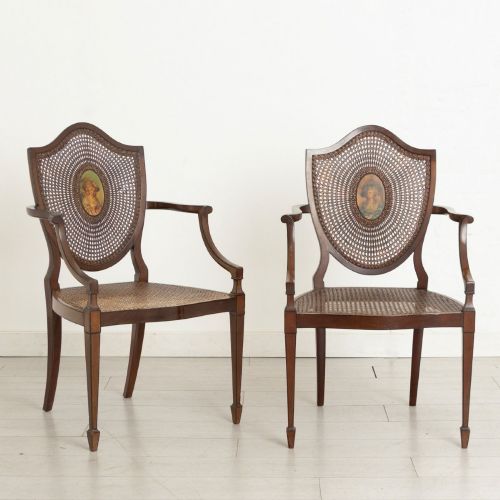
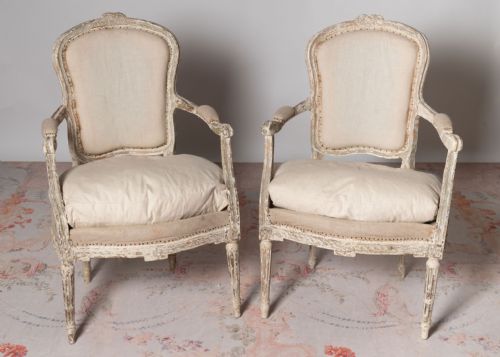
Painted wood accent chairs span multiple centuries of design, encompassing seating meant for salons, halls and parlours. The pieces found here include armchairs, side chairs, bergères and rocking chairs originating from English, French, Italian, Swedish and Chinese workshops.
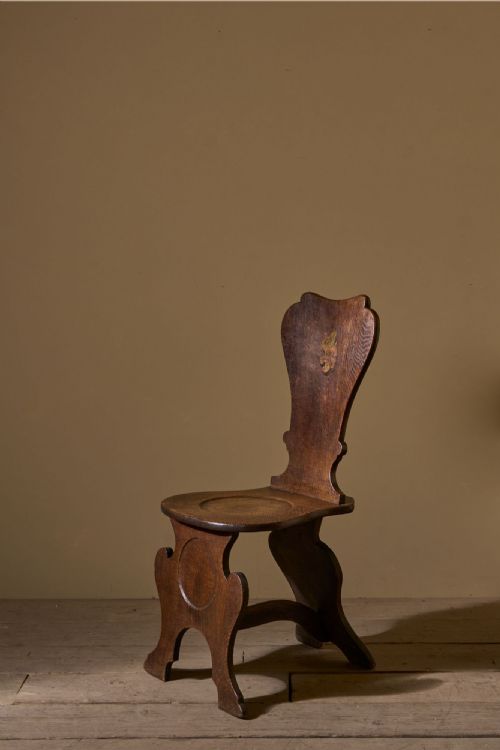
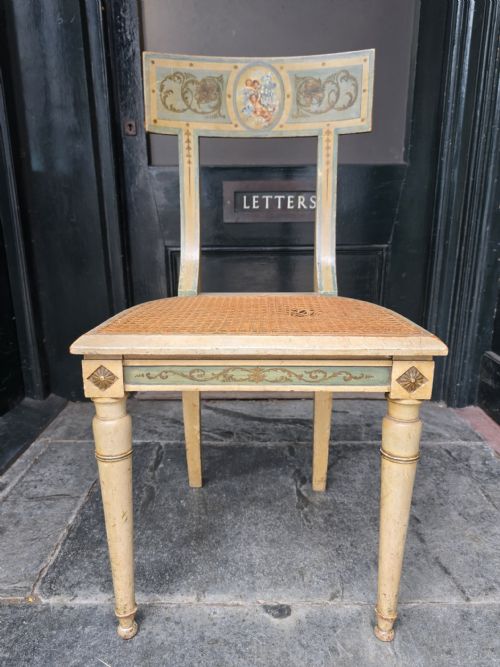
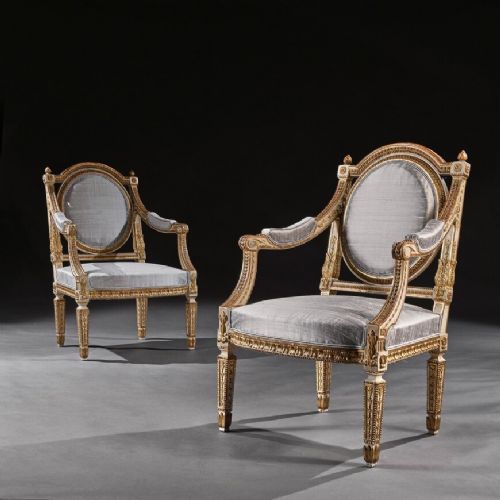
The selection ranges from simple country forms like bobbin thrones and spinning chairs to ornate revival styles. Examples include Louis XVI medallion chairs, Gothic Revival dug outs and Regency country chairs, showcasing diverse regional interpretations of decorative seating.
How they were made
Construction relies on traditional timbers such as beech, oak and general wood frames, often enhanced with carved details and gesso preparation before the application of paint. Many pieces retain original or later paint surfaces, sometimes accented with parcel gilt or faux bois finishes.
Seating and backrests incorporate texturing materials like cane and textile upholstery, ranging from newly recovered fabrics to historic coverings. Structural joinery varies from robust country construction to the refined carving seen in continental European revival pieces.
Among the seating arrangements, a humble Welsh spinning chair sits ready for cottage tales, though spinning wool is entirely optional.
What varies in quality
The standard of a painted wood accent chair rests upon the integrity of its surface finish and the crispness of its carved ornamentation. Pieces retaining untouched original paint or authentic period decoration command greater appreciation than those with later, heavy-handed repainting.
Proportion and structural balance separate standard utilitarian seating from masterworks designed in specific historical idioms like Louis XVI or Neo-classical styles. The harmony between the wood frame, the upholstery materials and the decorative paint scheme dictates the visual weight of the piece.
Heals·Anton Rosen
The Painted Wood Accent Chairs Glossary
- Fauteuil
- An open-framed armchair with upholstered armrests, originating in France. The wooden structure is usually exposed and carved.
- Gesso
- A plaster-like mixture applied to wood surfaces to prepare them for painting or gilding. It provides a smooth base for fine decorative work.
- Sgabello
- A Renaissance-style wooden chair characterised by a high back and a base formed by solid boards rather than legs. These are often used as decorative hall chairs.
- Faux Bois
- A technique where wood or other materials are painted to imitate the grain and texture of a different wood. This finish was frequently utilised in nineteenth-century decorative pieces.
Painted Wood Accent Chairs: Frequently Asked Questions
How do I identify original paint on an antique chair?
Original paint surfaces show natural wear patterns, craquelure and patina consistent with age that newer applications cannot easily replicate. Examination under magnification often reveals historic layers beneath the surface.
Inspect areas subject to minimal handling for remnants of early decorative schemes and subtle colour variations that indicate genuine historical application.
Where should I place an accent chair in my home?
These chairs function well in living rooms, hallways and bedrooms where they provide both seating and a focal point of colour and texture. Their varied forms allow them to fit into corners or act as standalone decorative objects.
Consider the scale of the piece relative to surrounding furniture to ensure the chair complements the spatial balance of the room.
How do I care for antique painted furniture?
Maintain painted wooden surfaces by dusting gently with a soft, dry cloth and avoiding harsh chemical cleaners that might strip the historic finish. Keep the chairs away from direct sunlight and extreme humidity fluctuations to protect the wood and paint.
Professional conservation advice should be sought before attempting any cleaning of fragile or original painted surfaces.
What is the difference between a salon chair and a side chair?
Salon chairs are typically designed for formal entertaining and conversation, often featuring more decorative carved details, upholstery and lighter frames. Side chairs are generally smaller, armless chairs meant for dining or auxiliary seating.
Both types serve as versatile accent pieces, but salon variations usually display higher levels of ornamentation and stylistic reference.