
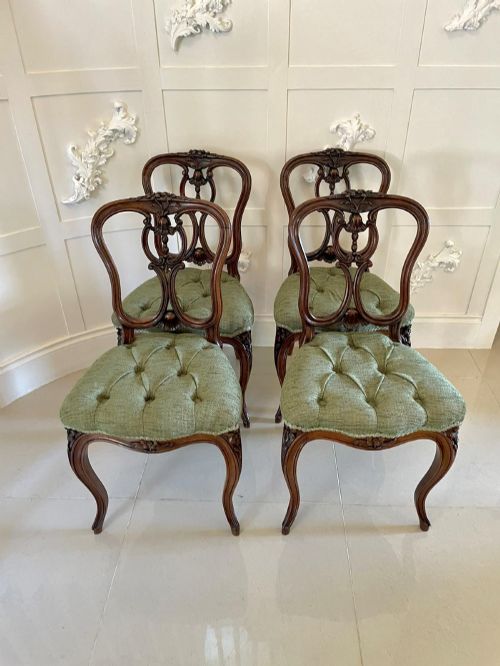
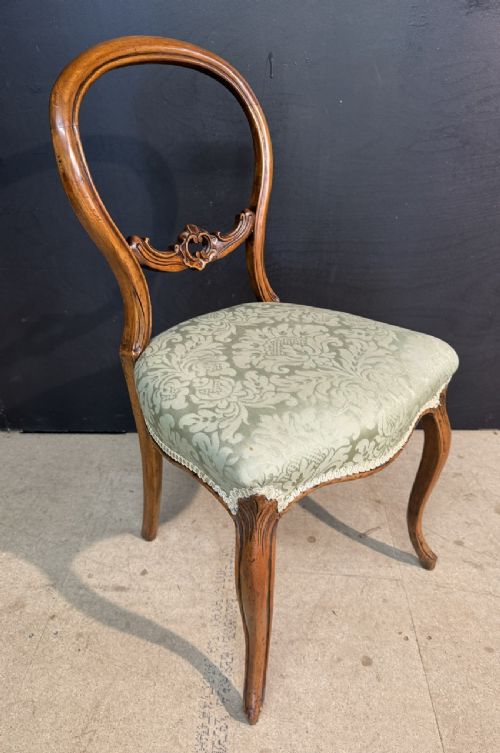
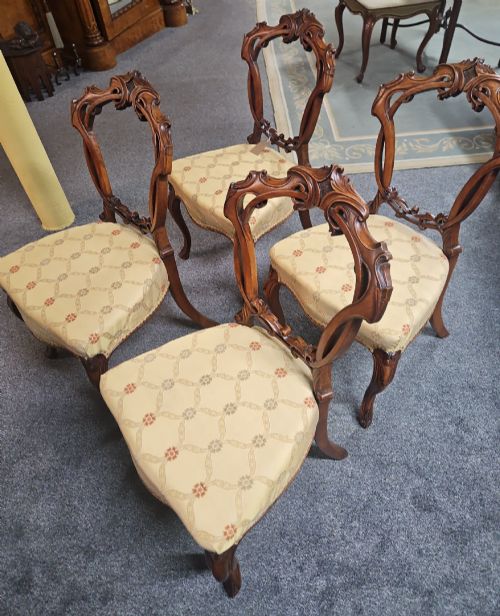
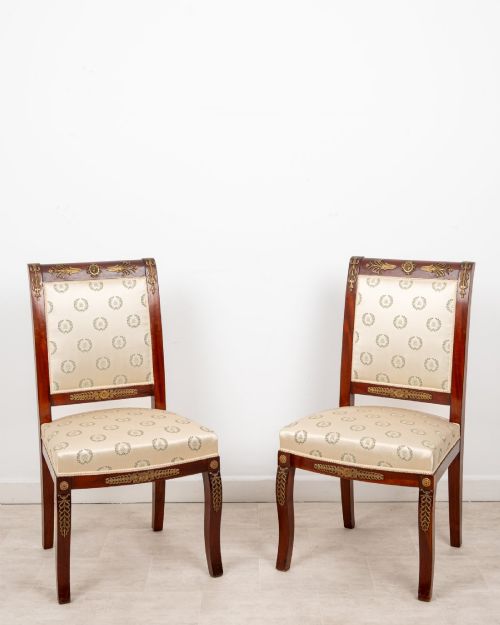


French Upholstered Desk Chair
These french upholstered desk chair pieces combine seating comfort with continental style, offering functional elegance for a home workspace or study.
French Upholstered Desk Chair
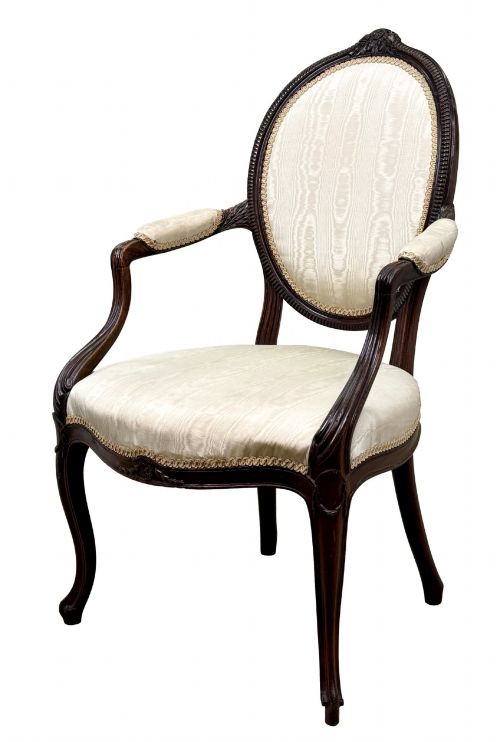
A french upholstered desk chair brings together continental design and padded comfort, taking forms from the eighteenth and nineteenth centuries such as fauteuils, salon chairs, and compact armchairs.
The selection includes pieces spanning the eighteenth century through to the early twentieth century, encompassing Victorian interpretations, French Chateau aesthetics, and Empire Revival pieces.
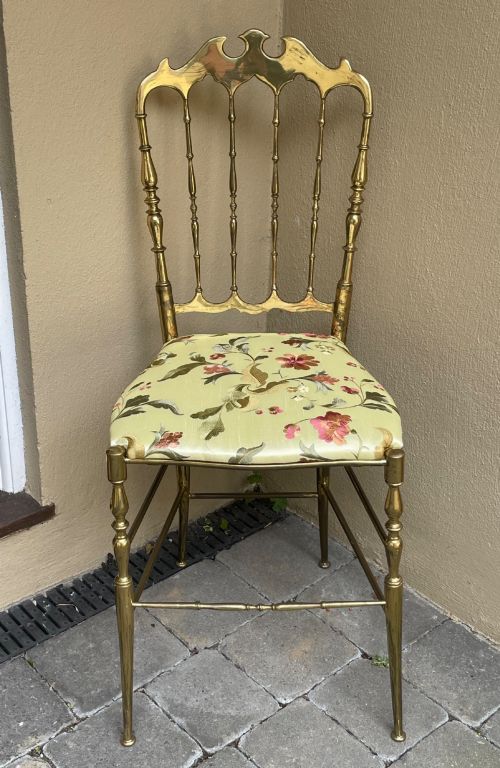
Buyers encounter walnut and mahogany frames alongside occasional giltwood and polished brass examples, paired with various upholstery fabrics and leather.
Materials and construction
Frames take shape in solid walnut and mahogany, occasionally supported by ormolu mounts, brass details, or giltwood finishes.
Upholstery relies on traditional textiles and leather, secured to padded seats and backs designed for supportive daily use.
The listings span from the eighteenth century to the 1920s, featuring walnut, mahogany, brass, and leather.
Defining quality
Carved wooden details on walnut and mahogany frames reveal the hand of the maker, distinguishing simpler production from finer cabinetwork.
The choice of covering material, whether leather or specialised upholstery fabric, influences the overall character and finish of the seating.
Louis Majorelle
The French Upholstered Desk Chair Glossary
- Fauteuil
- An open-armed wooden armchair originating in France, typically featuring upholstered back and seat panels. These chairs combine decorative framework with comfortable armrests.
- Ormolu
- Gilded bronze ornamentation applied to furniture frames. This decorative technique adds metallic contrast to mahogany and walnut surfaces.
- Cabriole leg
- A furniture leg that curves outward and then tapers inward, finishing in a pad or scroll foot. This profile characterises many eighteenth and nineteenth-century seating designs.
- Giltwood
- Timber coated with gold leaf or gilt paint. This finish appears on decorative salon and occasional chairs.
- Hepplewhite
- A late eighteenth-century English furniture style known for elegance, slender supports, and shield-backed chair designs. Pieces in this tradition incorporate refined mahogany construction.
French Upholstered Desk Chair: Frequently Asked Questions
How do I choose the right desk chair?
Consider the height of your writing surface and the depth of the seat to ensure daily comfort.
Look at the arm height to check whether the chair slides neatly beneath your desk.
Are these chairs suitable for daily work?
Many period seating options offer supportive padded backs and upholstered seats suitable for regular use.
Checking the internal padding and frame stability helps determine suitability for long hours at a desk.
What woods were used in these chairs?
Cabinetmakers primarily employed walnut and mahogany for structural frames, ensuring long-term durability.
Alternative materials like brass, giltwood, and ebonised timber appear in specific revival styles.
How do I identify French revival styles?
Empire Revival pieces often display characteristic mahogany frames paired with metallic mounts.
Chateau and Rococo Revival examples tend to feature carved walnut frameworks with curved supports.