

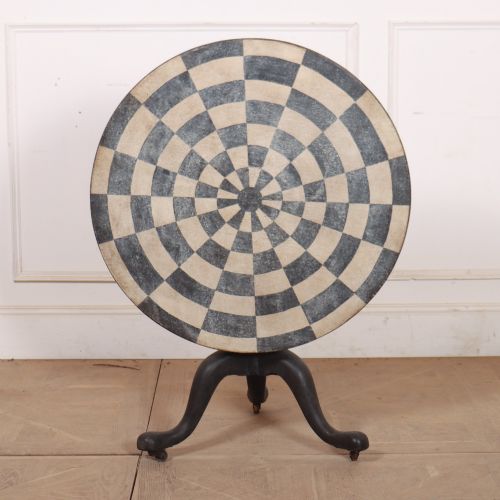
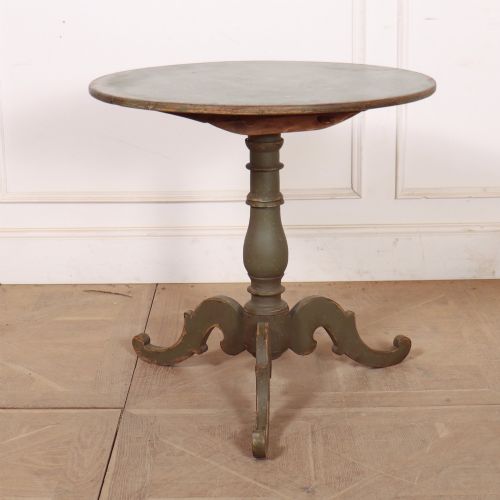
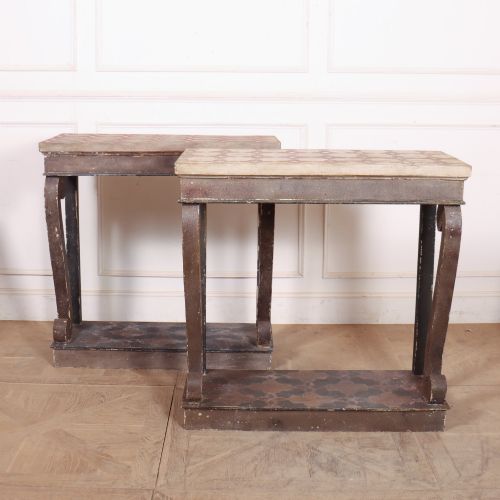
Painted Top Side Table
A painted top side table brings decorative colour and practical surface space to a room, drawing on centuries of European and Asian workshop traditions.
Painted Top Side Table
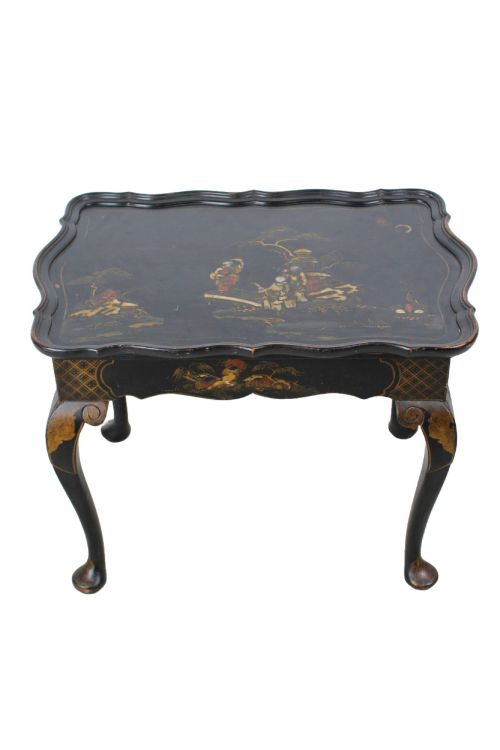
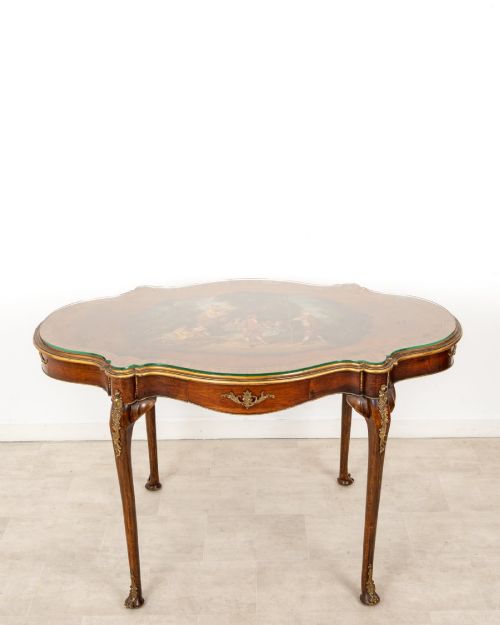
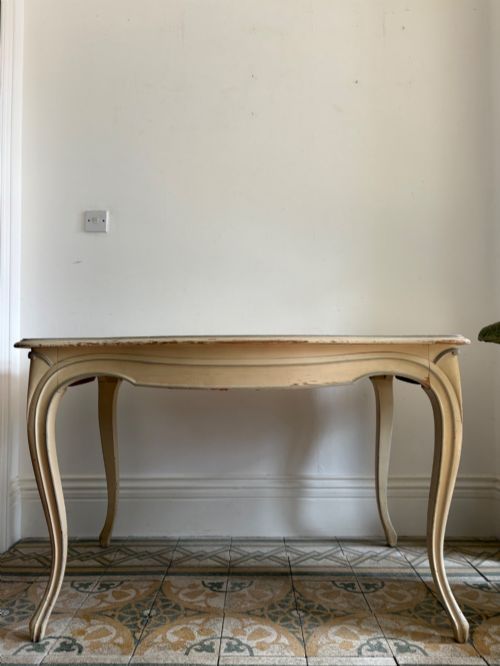
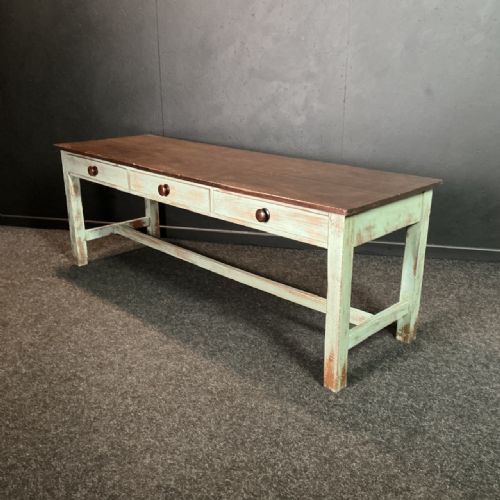
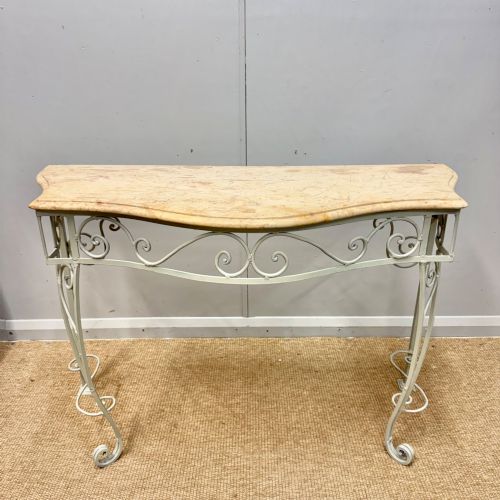
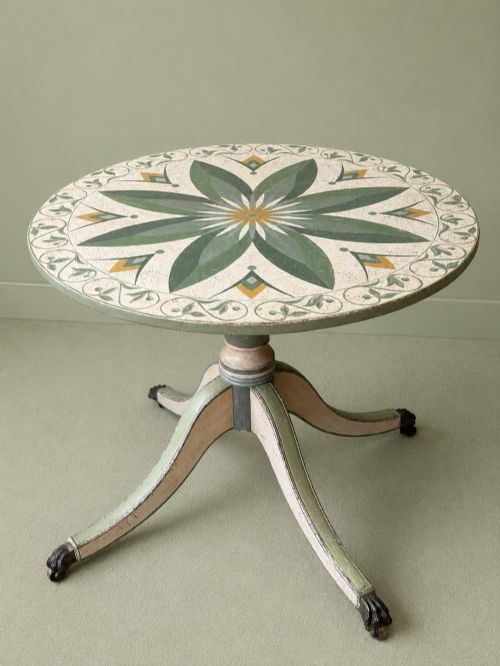
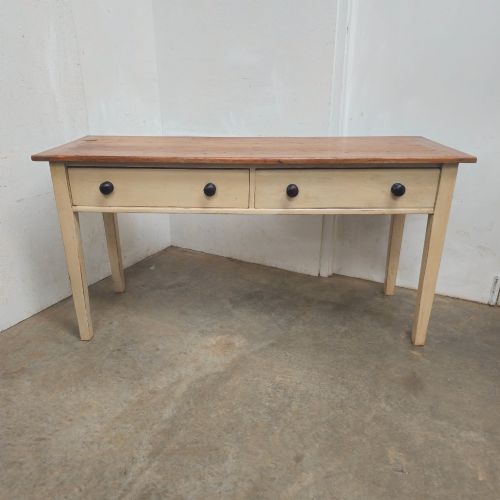
When you search for a painted top side table, you encounter a diverse group of occasional furniture spanning multiple centuries and international design traditions. These range from modest English country pine tables with decorative surfaces to grander continental console and lamp tables.
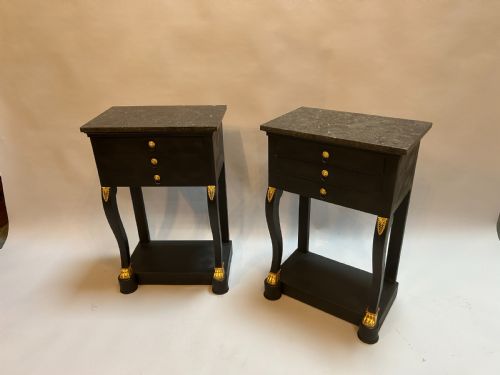
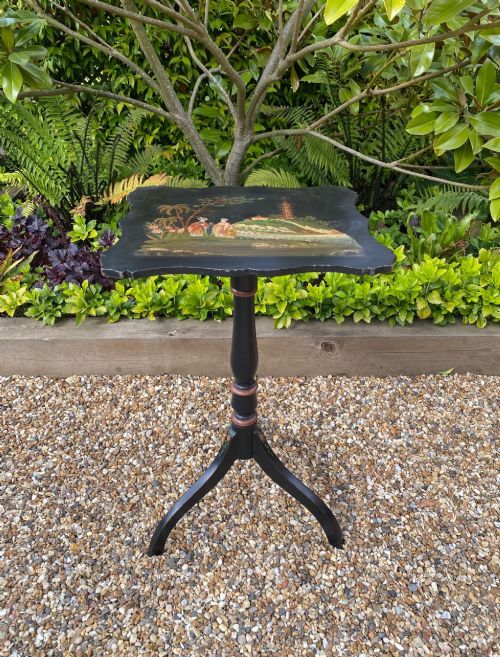
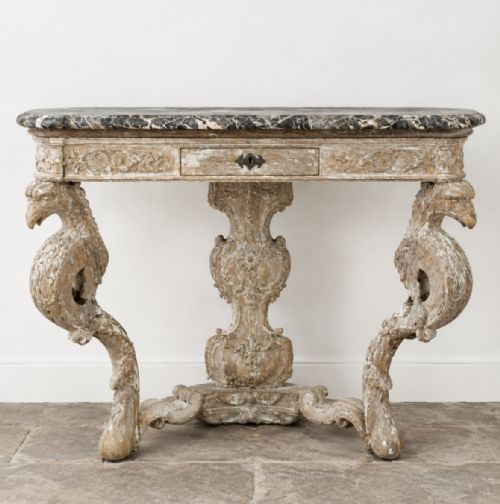
The pieces on this page appear in various forms, including tripod tables, tilt-top designs, demi-lune consoles, and compact bedside cabinets. Victorian and nineteenth-century examples frequently combine functional wooden frames with ornate hand-painted or lacquered motifs.
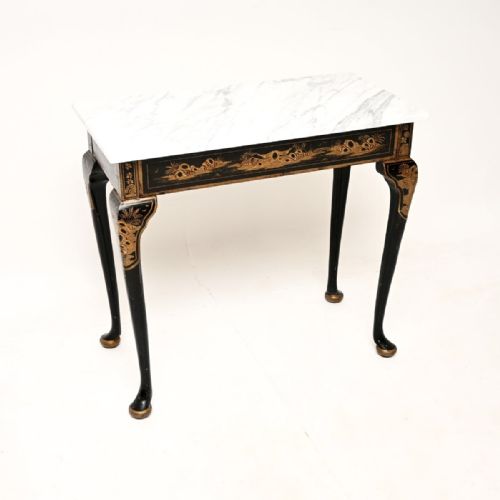
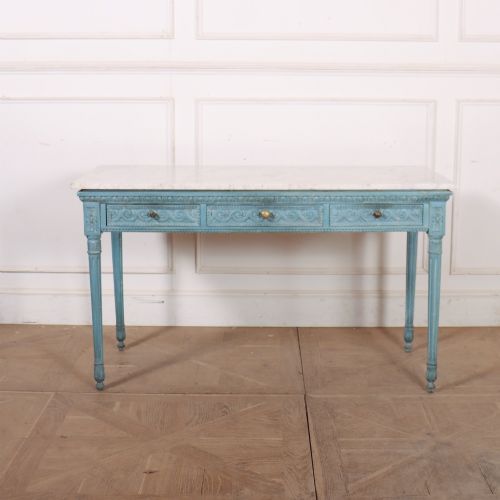
Geographic origins vary widely across the selection, featuring English vernacular pieces alongside French provincial consoles, Swedish lamp tables, and intricate Chinoiserie lacquerwork. Each regional workshop brought distinct aesthetic priorities to the creation of these decorative surfaces.
How they were made
Makers utilised solid timbers such as pine, oak, and satinwood as foundations, often applying gesso and layers of paint to create smooth decorative planes. Surfaces were subsequently hand-painted, gilded, or finished with lacquer to achieve the desired visual depth.
Selected examples incorporate heavy stone inserts, mounting slabs of marble directly into wooden frames for robust utility. Metal components like brass, gilt bronze, and wrought iron appear across nineteenth-century framework to provide structural support and ornamental contrast.
Form variations span console tables, occasional tables, bedside cabinets, and tilt-top designs across Victorian, French Chateau, and Chinoiserie styles.
What varies in quality
The integrity of the decorative surface distinguishes finer examples, where delicate brushwork, original pigment, and intact lacquer layers remain undisturbed by heavy restoration. Superior pieces demonstrate confident hand execution in floral, figurative, or geometric motifs rather than mechanical uniformity.
Structural harmony between the painted top and the supporting base dictates overall refinement, ensuring that console, tripod, and occasional forms retain their intended balance. The selection of base materials, from dense hardwoods to finely carved giltwood and cast elements, further elevates the stature of individual items.
The Painted Top Side Table Glossary
- Chinoiserie
- European decorative style reflecting Chinese artistic motifs. Artisans applied lacquer, gilt, and painted scenes depicting pagodas and figures onto furniture surfaces.
- Demi-lune
- Half-moon shape characteristic of console tables designed to sit flush against a wall. These surfaces frequently carry painted or marble tops.
- Gueridon
- Small French round table supported by a central column or several legs. The form originated in the seventeenth century and adapted through successive design periods.
- Vernis Martin
- Eighteenth-century European lacquer technique simulating Asian lacquer finishes. Named after the Martin brothers, it involved multiple layered varnishes applied to wooden furniture.
Painted Top Side Table: Frequently Asked Questions
How do I clean a painted top?
Dust the surface gently with a soft, dry cloth to prevent accumulation of grit. Avoid harsh chemical cleaners and excessive moisture that might damage historic paint.
For stubborn marks, use a damp cloth wrung out thoroughly, followed immediately by drying with a soft towel. Test any cleaning method on a hidden underside area first.
Where should I place a side table?
Position these pieces beside seating arrangements to hold lamps, books, or decorative objects. Their compact footprints make them suitable for hallways, bedrooms, and drawing rooms.
Keep wooden and painted furniture away from direct sunlight and strong heat sources to prevent timber movement and paint fading.
How do I date a painted table?
Examine the construction methods, timber types, and wear patterns on the underside and joints of the piece. Hand-cut fixings and secondary woods often indicate nineteenth-century or earlier manufacture.
Compare the decorative style, such as neoclassical motifs or Victorian floral designs, against established period aesthetics to narrow down the decade of production.
Are marble tops original to these tables?
Many nineteenth-century console and commode tables were designed specifically to house inset marble slabs for durability. These heavy stone surfaces provided practical workspaces in dining and preparation areas.
Check the fit and edge finish of the stone to determine if it matches the age and construction of the wooden base frame.