
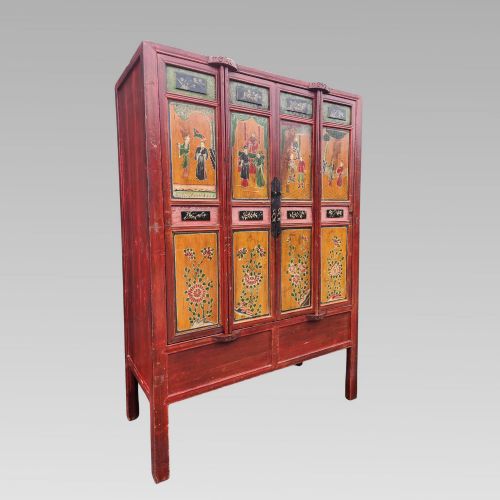
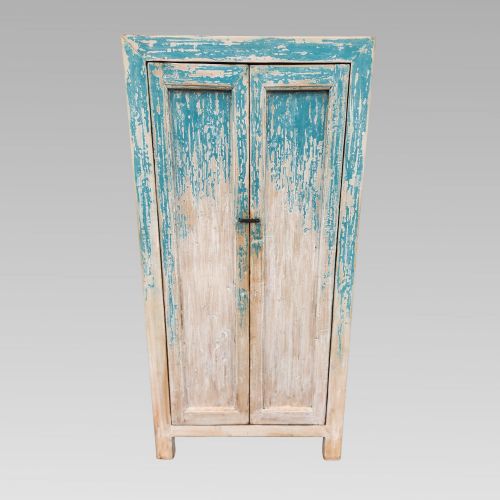
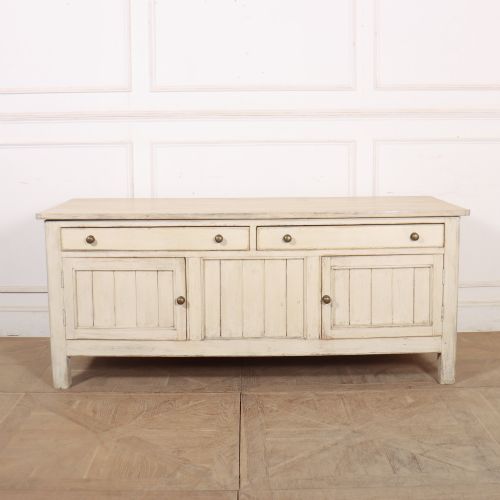


Painted Timber Storage Cabinet
These painted timber storage cabinets offer practical utility combined with regional decorative finishes from several centuries of domestic life.
Painted Timber Storage Cabinet
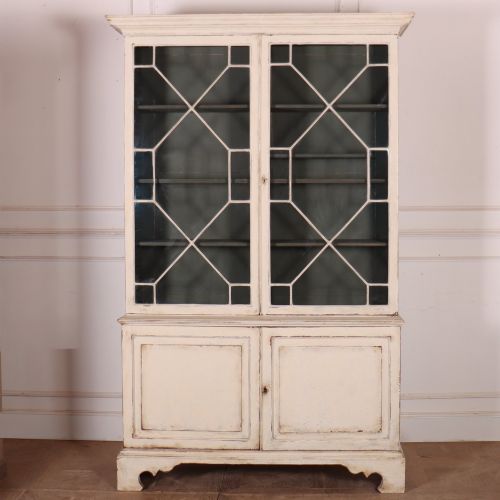
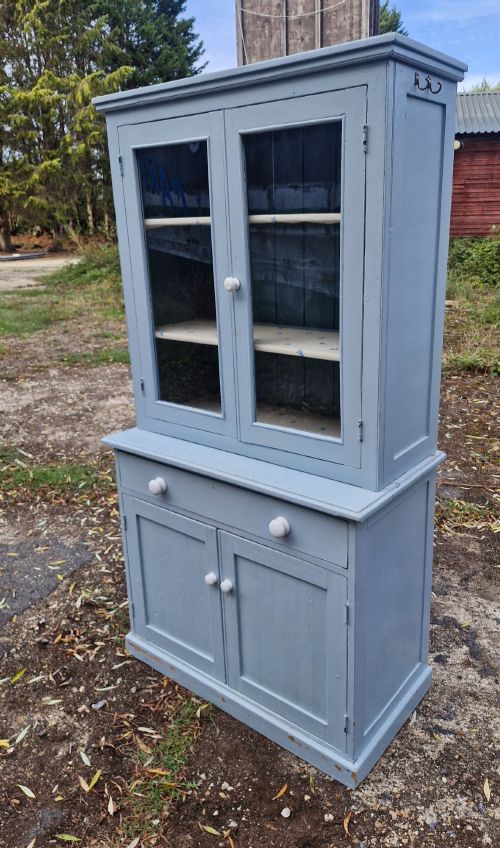
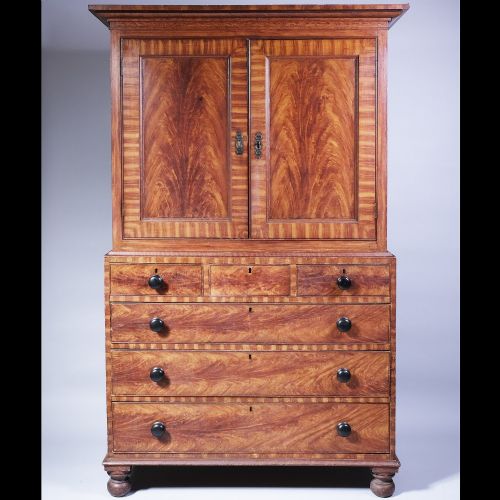
A painted timber storage cabinet provides enclosed space for household goods, drawing on domestic traditions across English, European, and Asian workshops. These pieces range from tall kitchen cupboards and housekeeper larders to marriage cabinets and chests of drawers.
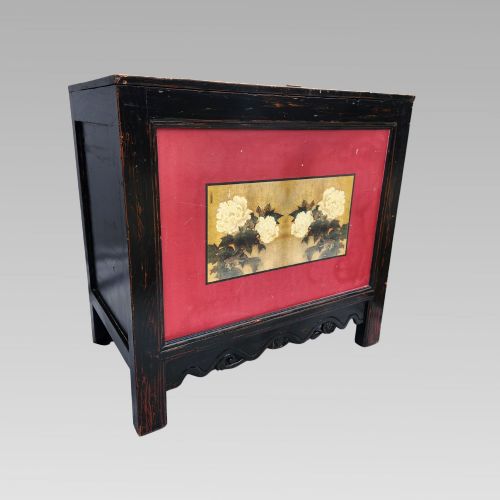
The selection on this page centres heavily on nineteenth-century pieces alongside examples from the eighteenth century and the 1930s. Buyers frequently encounter regional forms like English country dressers, Swedish kitchen cabinets, and Chinese lacquer chests.
Makers utilised various functional formats, including two-part kitchen cupboards, glazed bookcases, and banks of drapers' drawers. Each piece reflects the specific domestic storage needs of its period and geographic origin.
How they were made
Construction relies primarily on pine and timber, assembled with traditional joinery suited to heavy domestic storage. Iron and brass hardware such as hinges, handles, and locks secure the doors and drawers of these cabinets.
Surface decoration involves diverse painting techniques, from simple scumble glazes and polychrome finishes to elaborate black and red lacquer with floral chinoiserie. Surviving pieces often retain their original paint layers applied over wood or painted timber.
Listings feature pine and painted timber across periods spanning the eighteenth century, the Victorian era, and the 1930s.
What varies in quality
The distinction between tiers rests upon the preservation of original decorative surfaces and the integrity of the timber structure. Pieces retaining untouched period paintwork or specialised finishes like chinoiserie lacquer command greater attention than later repainted surfaces.
Construction details also separate standard utility furniture from finer examples, such as the weight of the timber, the complexity of internal shelving, and the originality of brass or iron hardware.
The Painted Timber Storage Cabinet Glossary
- Scumble paint
- A decorative surface technique where a translucent glaze is manipulated over a lighter base colour to simulate grain or texture. This finish is frequently found on nineteenth-century country furniture.
- Chinoiserie
- European decorative style inspired by Chinese artistic traditions, featuring motifs like landscapes and figures rendered in lacquer. It appears on storage chests and cabinets from various periods.
- Housekeeper cupboard
- A large utilitarian storage piece traditionally used in substantial homes for linens, dry goods, or china. These often feature large panelled doors enclosing multiple shelves or drawers.
- Polychrome
- The practice of decorating architectural elements or furniture in multiple colours. Italian and continental pieces often utilise this vibrant surface treatment.
- Breakfront
- A cabinet design where the central section projects forward from the flanking wings. This architectural form adds depth and formal presence to larger bookcases and storage units.
Painted Timber Storage Cabinet: Frequently Asked Questions
How do I date a painted cabinet?
Dating relies on examining construction methods, timber types, and the composition of the paint layers. Secondary woods, hand-cut nails, and wear patterns help establish the period.
Stylistic cues such as proportions, mouldings, and regional decorative motifs also anchor the piece to a specific century or decade.
Are the paint finishes original?
Original finishes show natural craquelure, consistent wear patterns, and appropriate adhesion to the timber beneath. Microscopic examination of pigment layers can confirm age.
Many functional pieces received later coats of paint during their working lives, which changes their visual character significantly.
How were these cabinets used originally?
These pieces served as heavy-duty storage for food, textiles, and household provisions in kitchens, larders, and bedrooms. Larder cupboards ventilated dry goods, while marriage chests held family linens.
Larger bookcases and dressers displayed tableware or housed library collections in formal rooms.
How do I care for antique painted wood?
Protect painted surfaces from direct sunlight and fluctuating humidity to prevent cracking and flaking of the finish. Dust gently with a dry, soft cloth without using harsh chemical cleaners.
Maintain stable indoor temperatures to preserve both the timber substrate and the historic paint layers.