

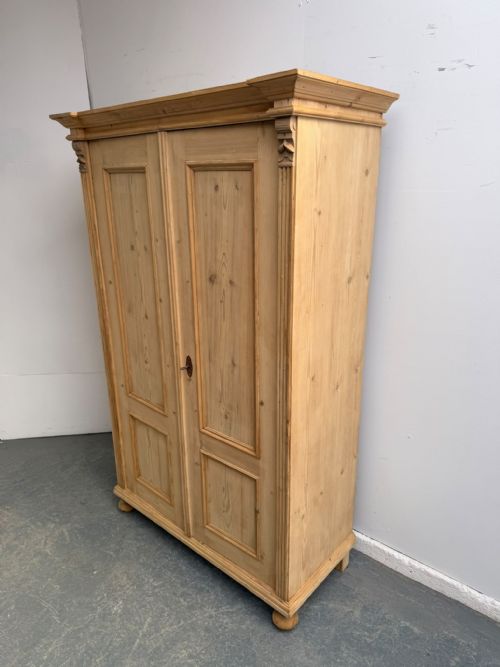
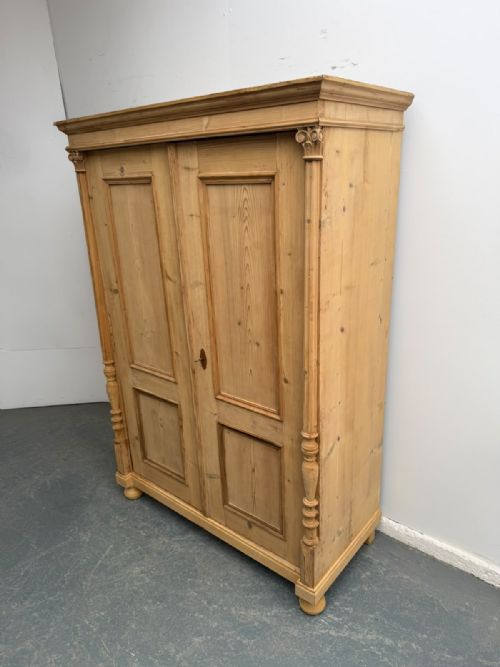
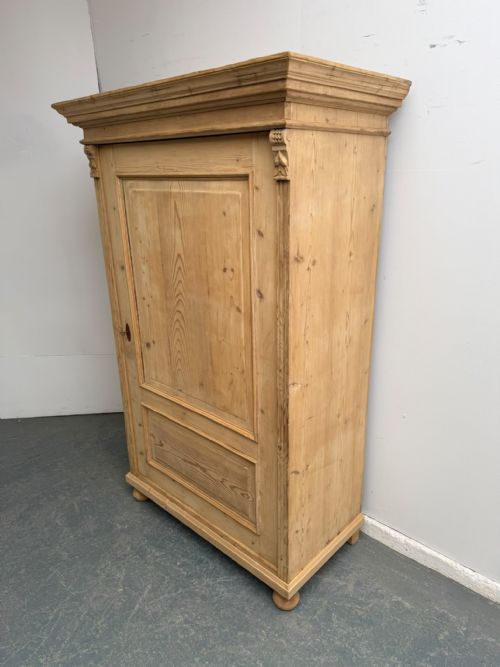
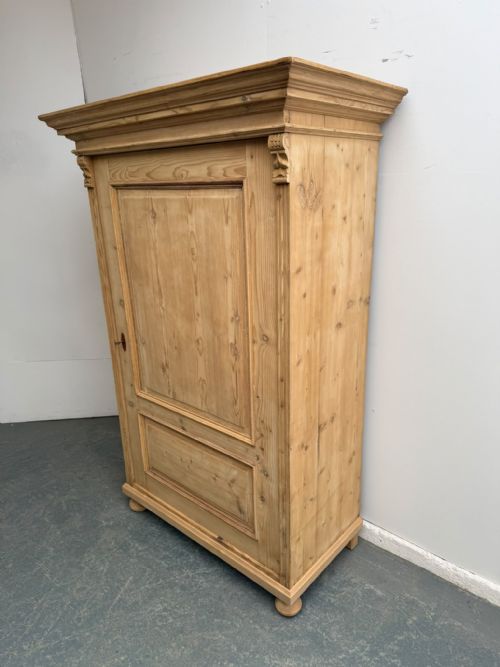
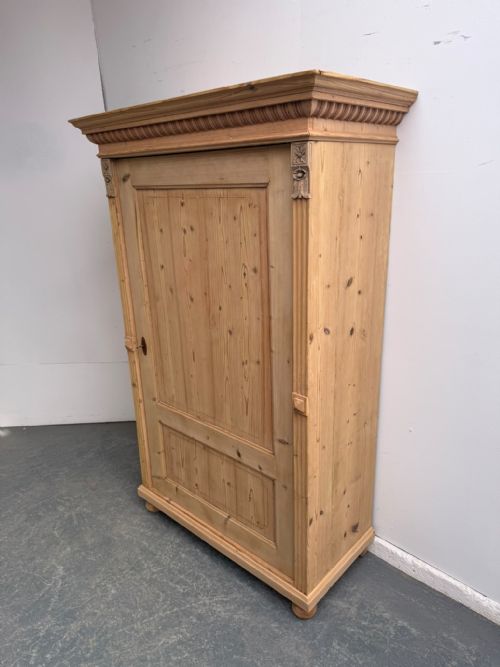
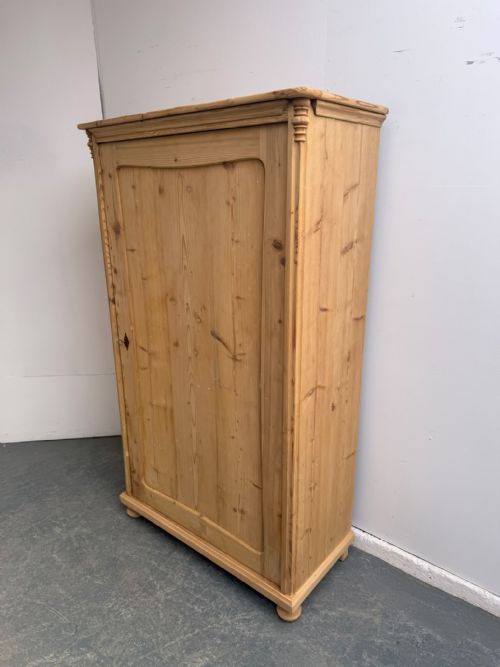
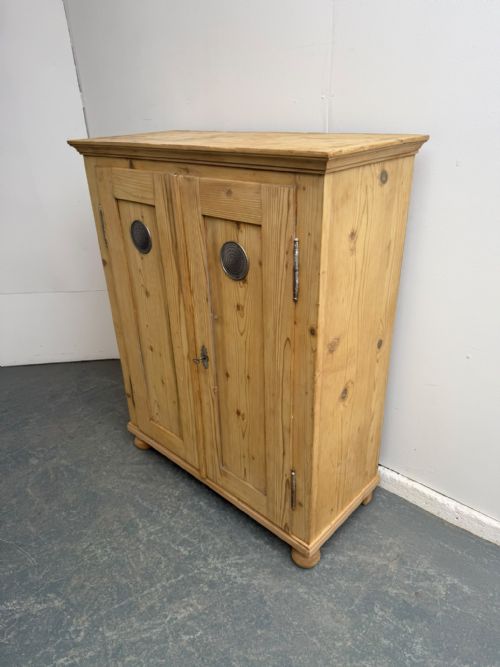
Rustic Painted Larder Cupboard
A rustic painted larder cupboard offers generous vernacular storage, bringing period character and practical utility to domestic interiors.
Rustic Painted Larder Cupboard
A rustic painted larder cupboard is a substantial storage piece designed for provisions and kitchen goods, originating primarily from the Georgian, Victorian and Edwardian eras. Buyers searching this phrase encounter large timber cabinets and housekeepers' cupboards shaped by regional domestic needs across England, France, Scandinavia and Hungary.
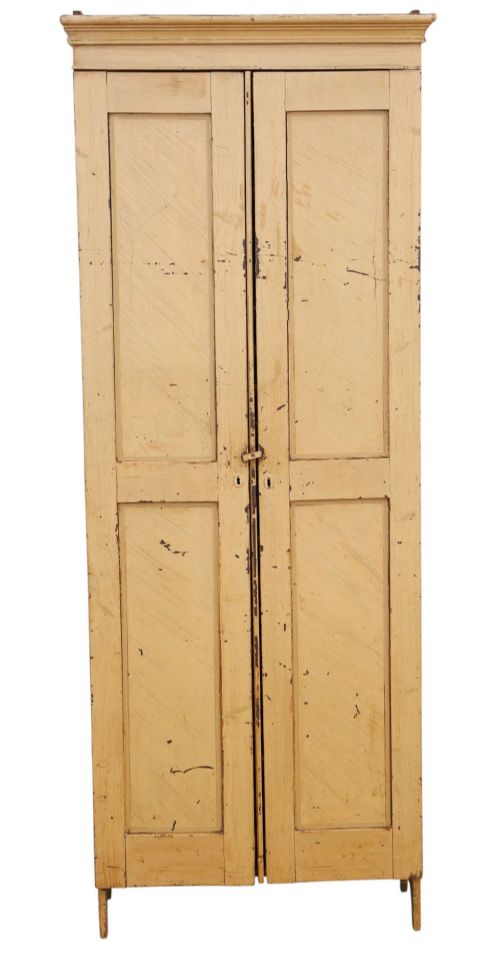
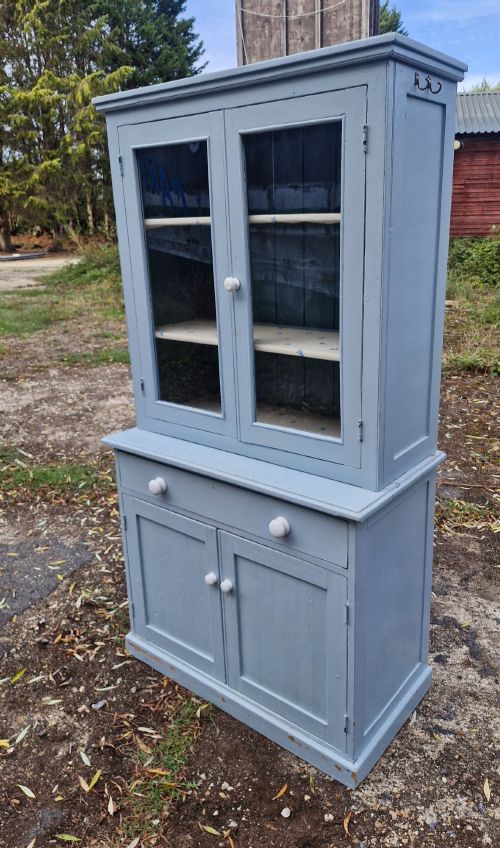
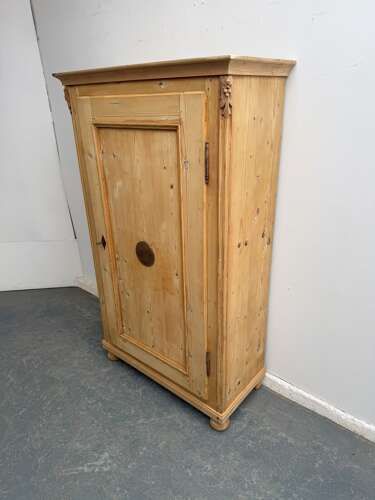
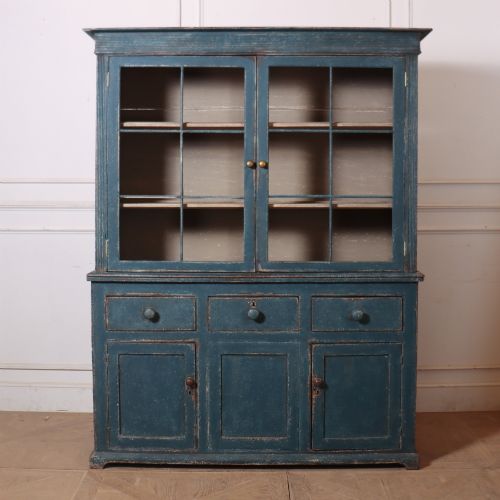
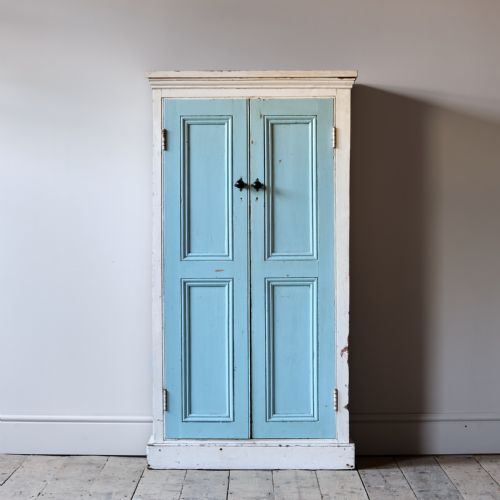
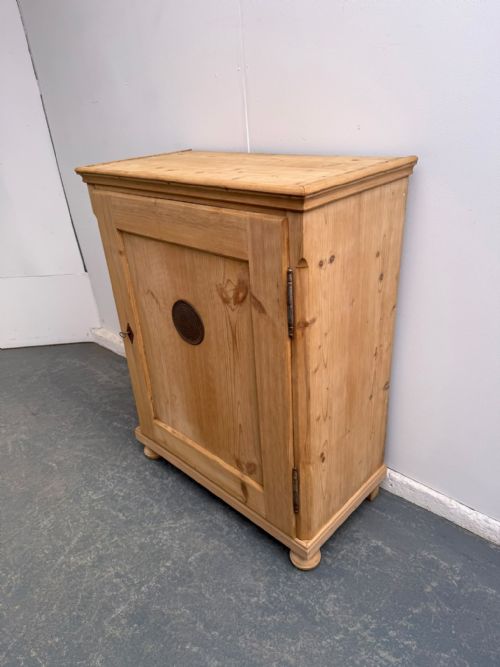
The versions most commonly met on this page are constructed from pine, often retaining layers of old cream, grey or coloured paint. These listings include single and two-door storage cupboards, vented food cupboards, and kitchen dressers that served similar pantry functions.
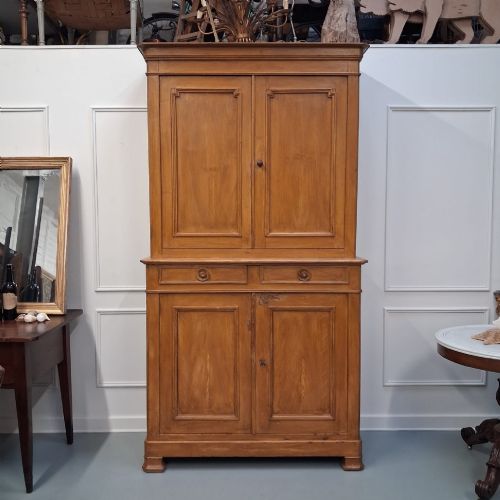
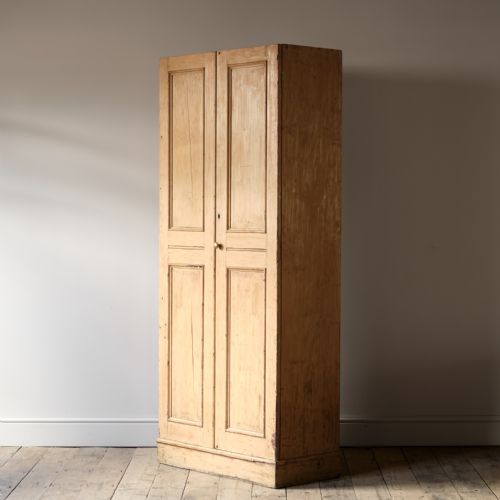
Forms range from tall narrow configurations and shallow vented designs to wide two-piece cabinets with drawers and adjustable internal shelving. The aesthetic draws on English country, French provincial and Victorian farmhouse traditions, prioritising robust utility over formal ornamentation.
Materials and construction
Construction relies primarily on solid pine, selected for its availability and workability in regional workshops. Joinery methods include fielded panels, beaded mouldings and hand-carved details suited to everyday domestic furniture.
Surface treatments involve historical applications of paint, wax or layered pigments in shades of grey, cream and natural pine tones. Iron, brass and metal hardware such as hinges and latches complete the construction of these cupboards.
Listings span the eighteenth, nineteenth and early twentieth centuries, featuring pine construction, iron hardware and painted finishes from English, French and Scandinavian traditions.
Evaluating construction and finish
Quality in these cupboards depends upon the integrity of the original timber and the survival of early surface paint. Pieces retaining authentic period pigments or original hardware demonstrate higher integrity than those stripped or repeatedly refinished.
Structural refinement distinguishes finer examples, visible in well-proportioned cornices, cleanly fitted doors and functional internal shelving systems. The distinction lies in the balance between robust vernacular utility and considered cabinet-making detail.
The Rustic Painted Larder Cupboard Glossary
- Housekeeper's cupboard
- A large storage cabinet traditionally used in country houses for linens, provisions and kitchen stores. These pieces often feature a combination of deep cupboards and internal shelving.
- Fielded panel
- A wooden panel with bevelled edges designed to fit securely into a grooved frame. This technique allows the timber to expand and contract with humidity changes without cracking.
- Vented cupboard
- A cabinet incorporating pierced or screened panels to allow air circulation. These were essential for keeping food stores cool and fresh before mechanical refrigeration.
- Bread and cheese cupboard
- A regional vernacular food cupboard designed for domestic provisions. They frequently include perforated ventilation elements to protect perishable items.
- Pine
- A softwood widely used in regional furniture making due to its accessibility. It accepts paint and wax finishes readily, forming the primary structural material for these pieces.
Rustic Painted Larder Cupboard: Frequently Asked Questions
What is a rustic painted larder cupboard?
A rustic painted larder cupboard is a period timber storage unit designed for kitchen provisions and household goods. These cabinets reflect regional domestic traditions from the eighteenth, nineteenth and early twentieth centuries.
They combine practical shelving with painted wooden surfaces, serving as both functional storage and decorative furniture for modern interiors.
How were these cupboards used historically?
Historically, these pieces functioned as central storage points in domestic kitchens, dairies and large houses. They housed dry goods, linens, kitchen utensils and perishable foods.
Vented variants specifically aided air circulation to keep provisions fresh before the advent of domestic refrigeration.
How do I date a painted pine cupboard?
Dating relies on examining construction techniques, hardware, timber characteristics and decorative styles. Georgian and Victorian examples display distinct proportions, moulding profiles and joinery methods.
Paint layers and surface wear also provide physical evidence of age, separating nineteenth-century originals from later Edwardian cabinets.
How do I live with a large wooden cupboard?
Living with these substantial pieces involves placing them in kitchens, dining rooms or hallways where their scale complements the room. Stable indoor humidity protects the pine timber and preserves original paint surfaces.
Internal shelving accommodates modern storage needs while retaining the historic character of the piece.