
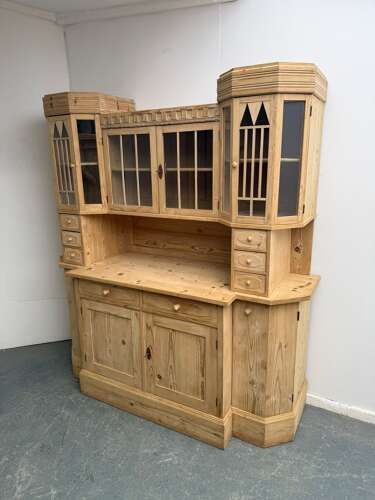
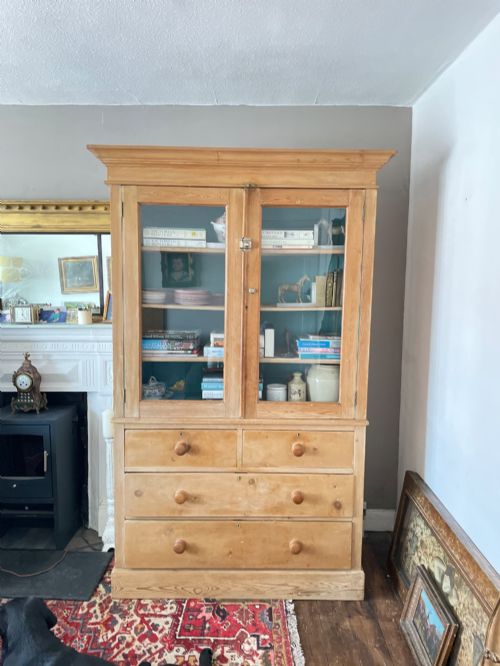
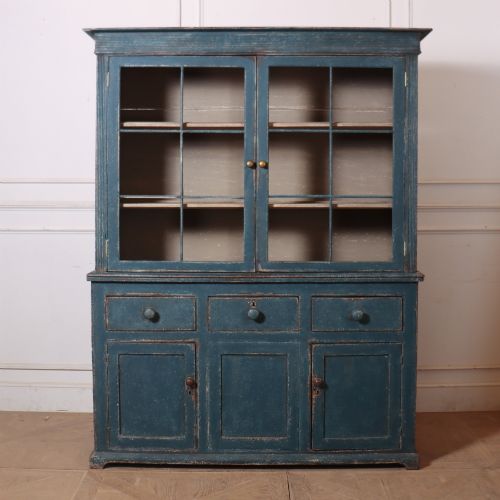
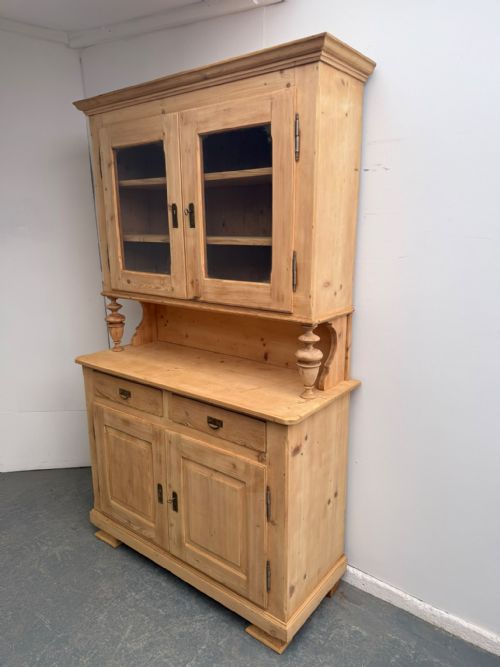
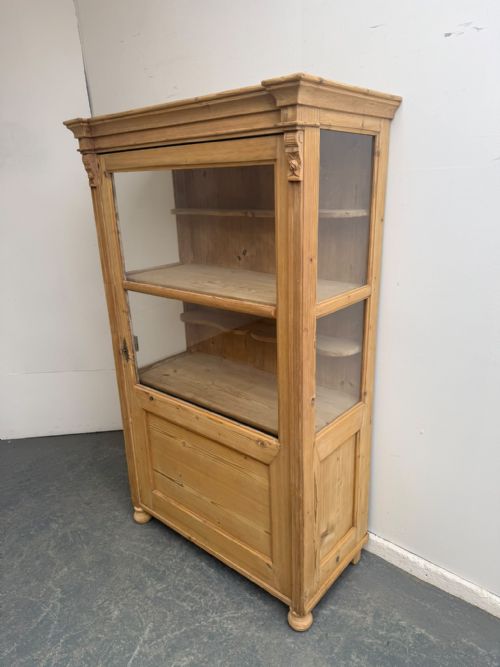
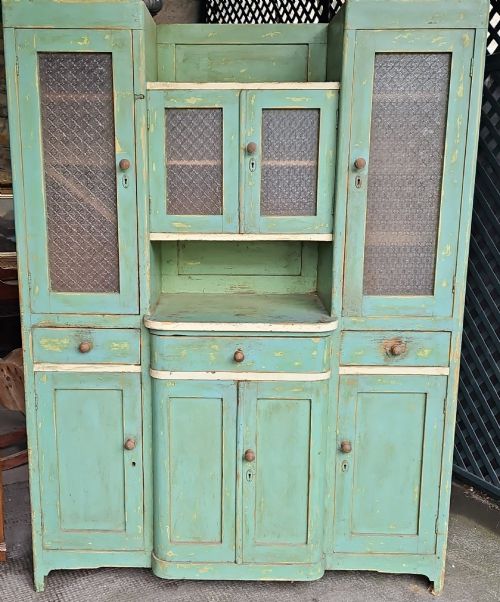


Painted Pine Glazed Dresser
A painted pine glazed dresser brings utilitarian storage and regional character to domestic spaces through glass panels and timber construction.
Painted Pine Glazed Dresser
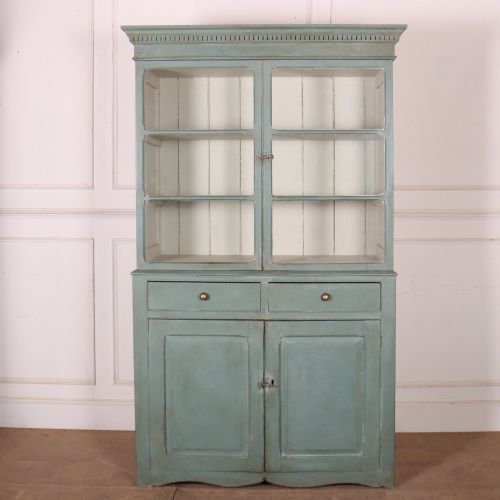
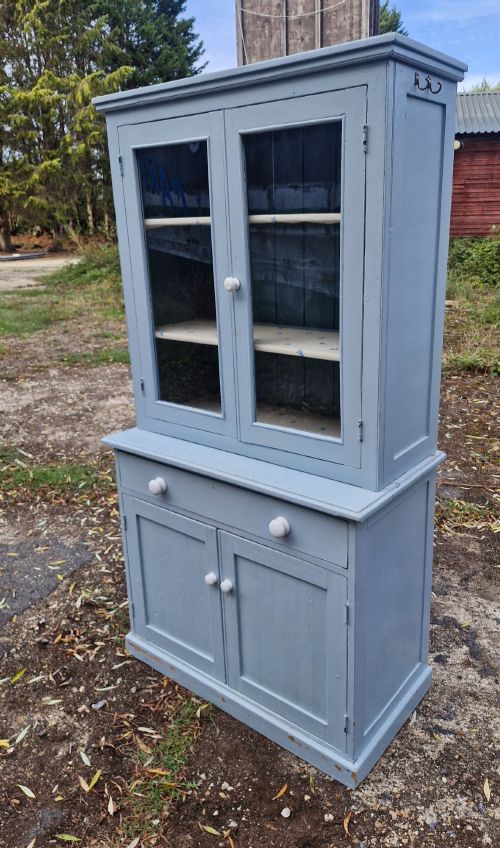
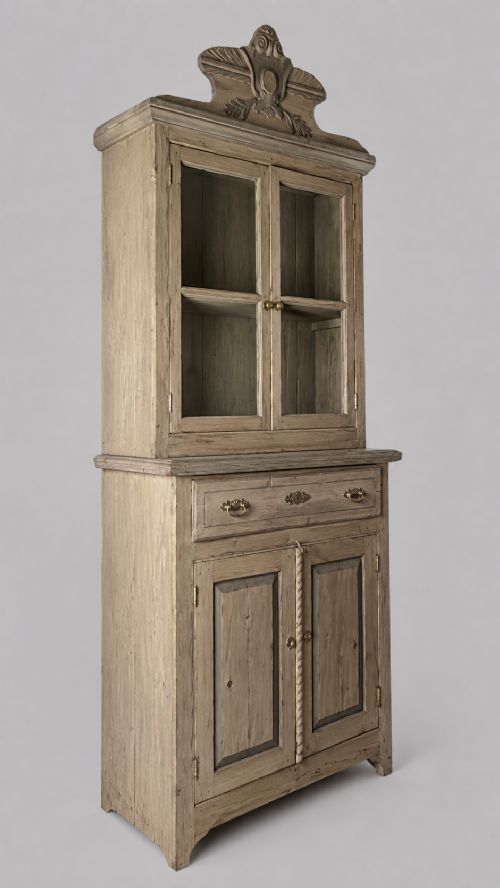
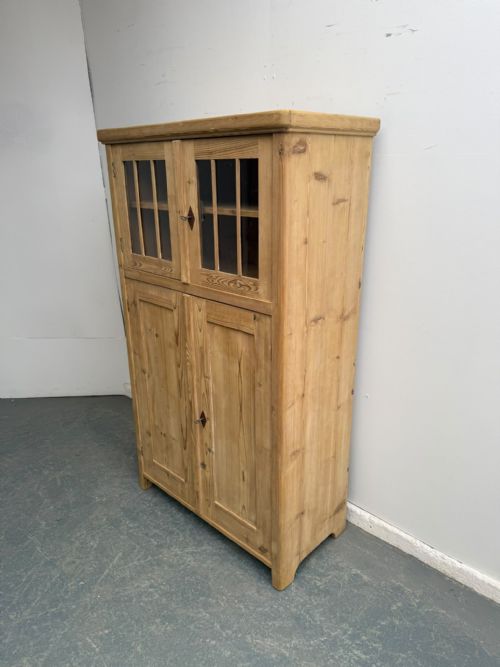
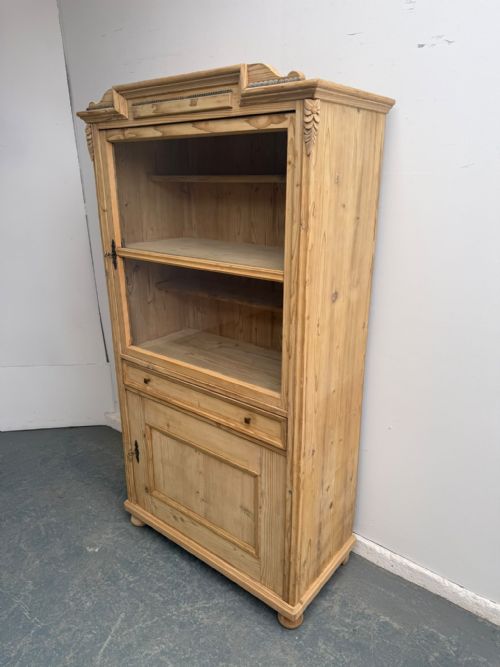
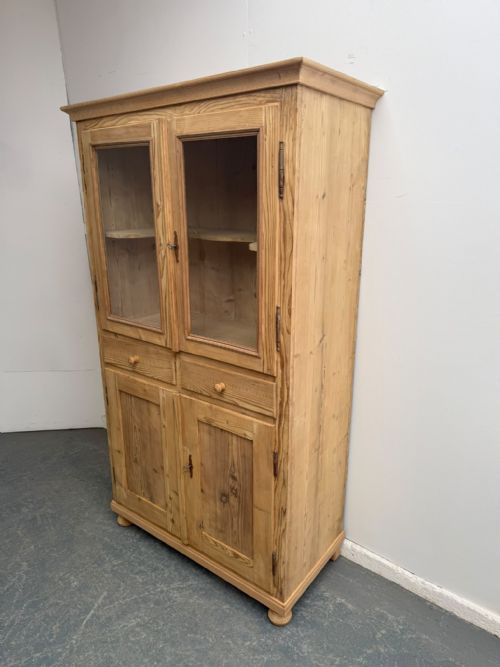
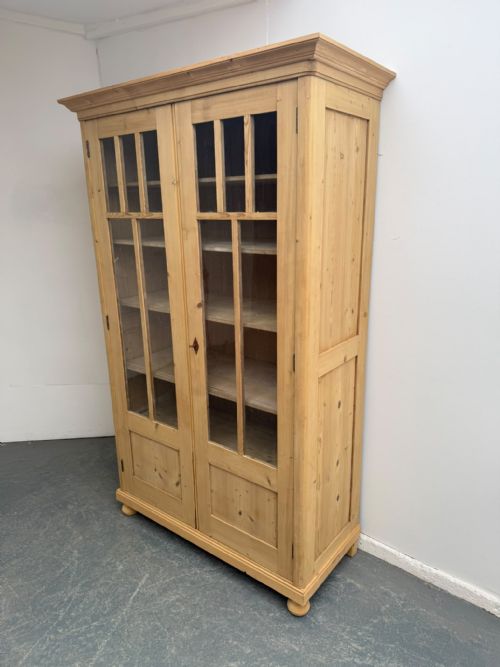
A painted pine glazed dresser combines a lower storage base with an upper glazed cabinet, serving as a prominent kitchen or dining room fixture. These pieces emerge primarily from the nineteenth century, including Victorian, Edwardian, and eighteenth-century examples.
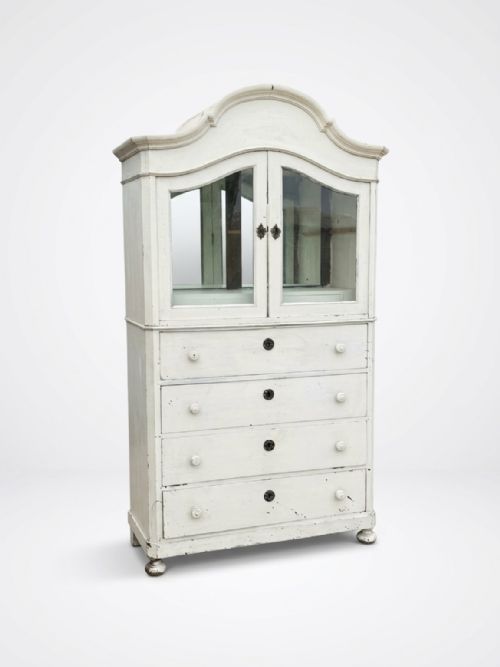
Regional variations dominate this selection, featuring English country, West Country, Irish, Scottish, Swedish, French provincial, and Danish origins. Forms range from two-part kitchen dressers and breakfront cupboards to library bookcases and bonnet top cabinets.
Buyers most frequently encounter nineteenth-century English and West Country examples alongside multi-piece kitchen cupboards and display cabinets. These items reflect domestic storage traditions across rural and provincial households.
Materials and construction
Makers utilised pine as the primary timber, shaping the carcase and shelving to withstand daily household use. Glass panels fitted into wooden doors allow visibility for displayed contents while protecting stored items.
Surfaces feature historic paint applications, scrumbled finishes, or wax treatments over wood. Metal elements such as brass and iron provide structural support and operational hardware for doors and drawers.
Materials recorded across the inventory include pine, glass, paint, brass, iron, and wood configured into dressers, bookcases, and display cabinets.
Qualities of construction and finish
Proportion and scale distinguish superior examples, particularly in breakfront and four-door formats where symmetry matters. The integrity of the original painted surface or scumble finish contributes significantly to the character of the piece.
Joinery execution within the two-part construction determines the stability of the upper glazed cabinet upon the lower base. Intact original glass and well-preserved internal shelving separate standard storage pieces from finer display examples.
The Painted Pine Glazed Dresser Glossary
- Glazed
- Fitted with glass panels in the doors. This term describes cabinets designed to display contents while keeping dust out.
- Scumble
- A decorative painting technique involving a translucent top layer dragged over a base colour. It mimics the grain of more expensive hardwoods on pine carcases.
- Breakfront
- A cabinet design where the central section projects forward from the flanking wings. This architectural arrangement adds depth and presence to large bookcases and dressers.
- Bonnet top
- A curved or arched upper pediment resembling a bonnet. It appears on regional European cupboards and display cabinets.
- Two part
- Constructed as a separate upper section resting upon a lower base. This configuration facilitated transport and installation in domestic quarters.
Painted Pine Glazed Dresser: Frequently Asked Questions
How do I clean the painted finish?
Dust surfaces gently with a dry, soft cloth to preserve the historic paint or scumble layer. Avoid abrasive cleaners or excess moisture that might damage the timber.
Test any cleaning product on a hidden area before applying it to visible portions of the cupboard.
What is scumble paint?
Scumble paint involves applying a translucent glaze over a lighter base coat and manipulating it with tools to create decorative patterns. It was frequently used on pine to imitate figured woods.
This technique adds rich visual texture to country furniture.
How do I distinguish regional styles?
Regional characteristics appear in the proportions, cornice details, and specific paint palettes applied to the pine carcase. West Country and Irish pieces often display distinct local joinery traits and colour choices.
Swedish and French examples show different pediment shapes and hardware styles compared to British furniture.