
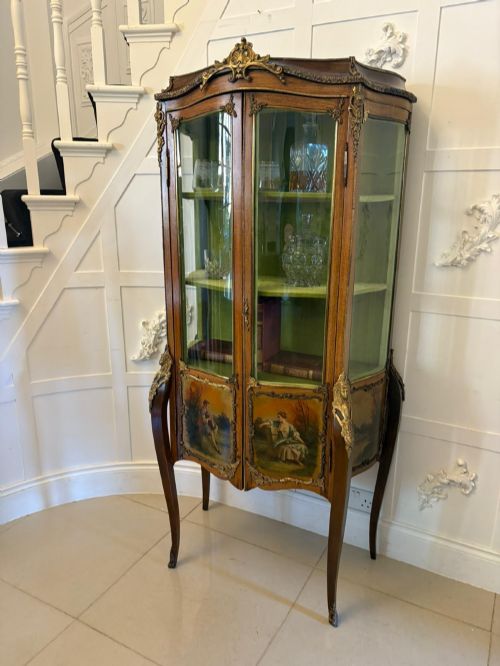
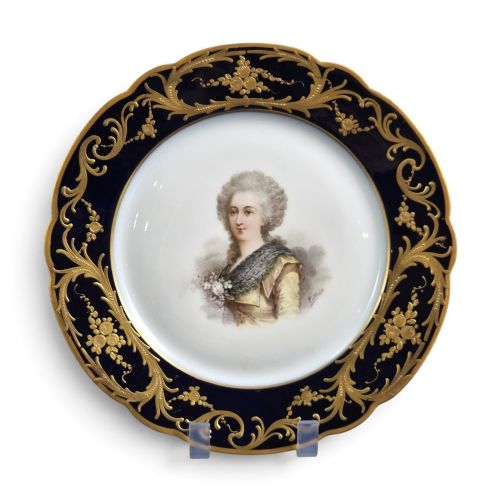
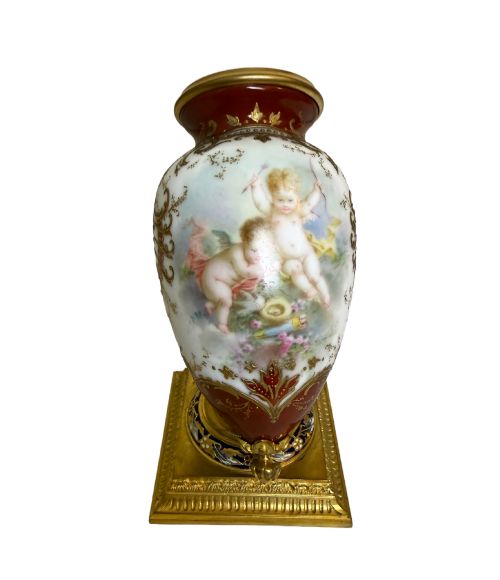
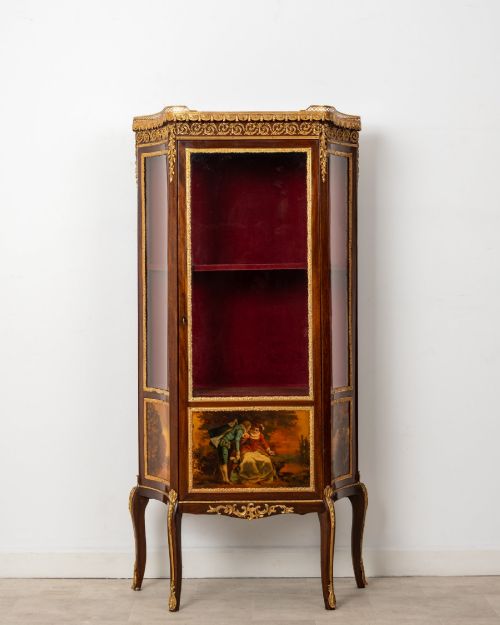
French Style Painted Cabinet
When you want a french style painted cabinet, you are looking at glazed vitrines, commodes, and bedside tables built across the eighteenth, nineteenth, and early twentieth centuries.

French Style Painted Cabinet
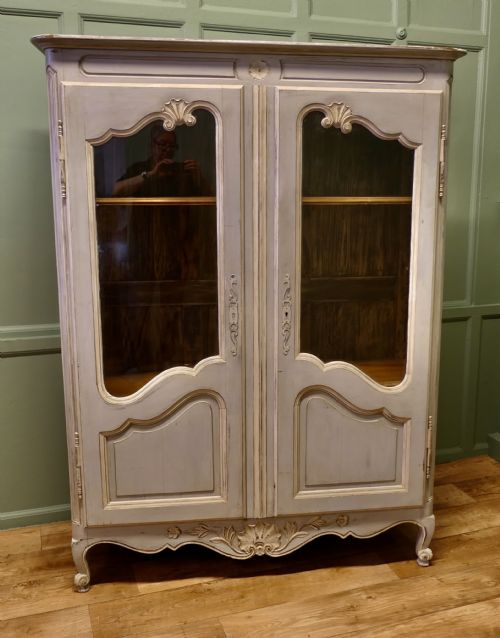
A french style painted cabinet brings decorative storage into a room through forms that span from eighteenth-century commodes and buffet à deux corps to nineteenth-century vitrines, display cabinets, and bookcases. Buyers seek these pieces to introduce Continental elegance and painted surfaces into domestic spaces.
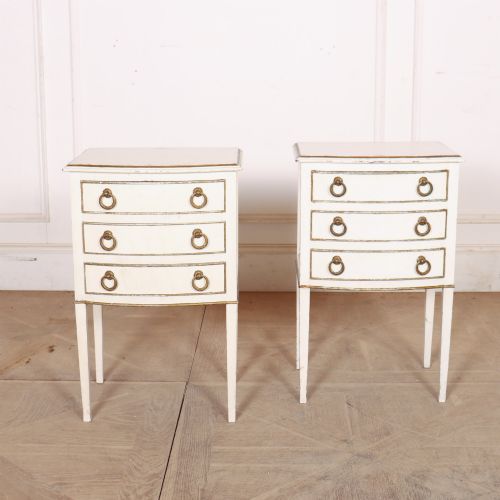
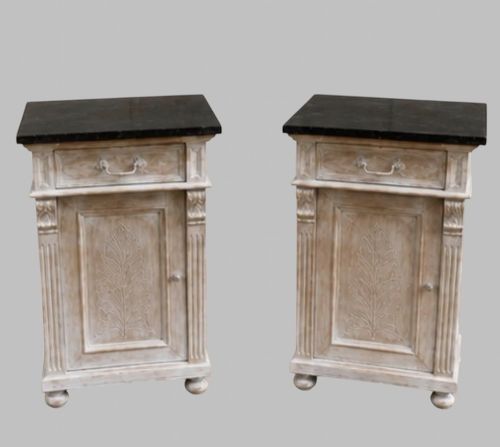
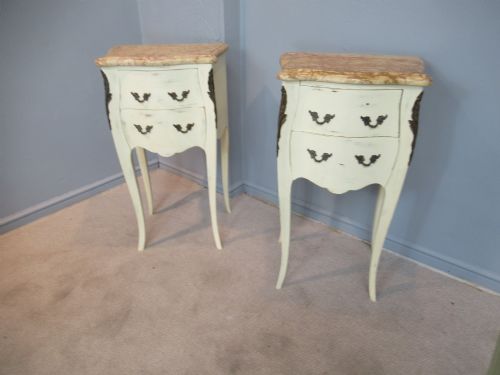
The selection here draws heavily on nineteenth-century craftsmanship, including Louis XV and Louis XVI revivals, alongside French provincial and chateau interpretations. Alongside these larger display pieces, you will frequently encounter smaller bedside chests and lamp tables dating into the early twentieth century.
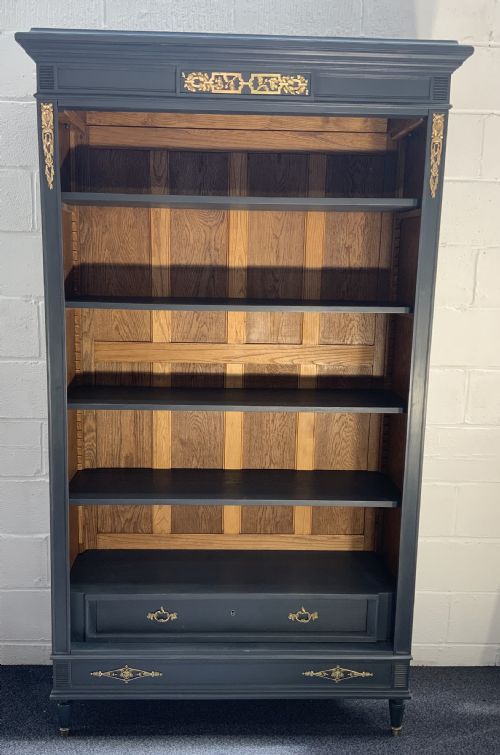
Forms vary from serpentine commodes and wall-hanging vitrines to tall bookcases with brass embellishments and concave glass. Each piece reflects the enduring appeal of painted wood combined with classical revival details.
How they were made
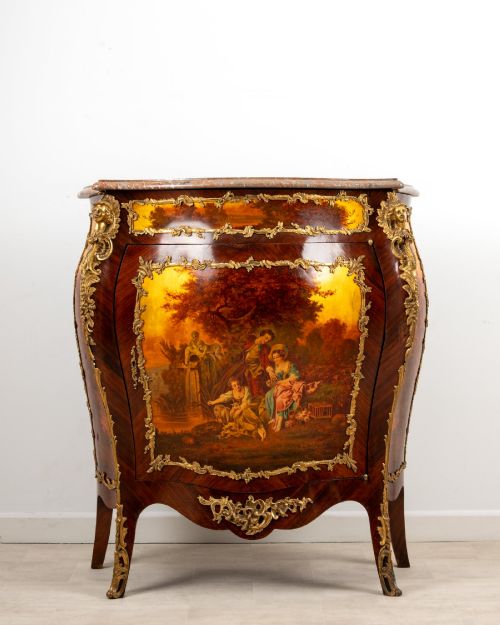
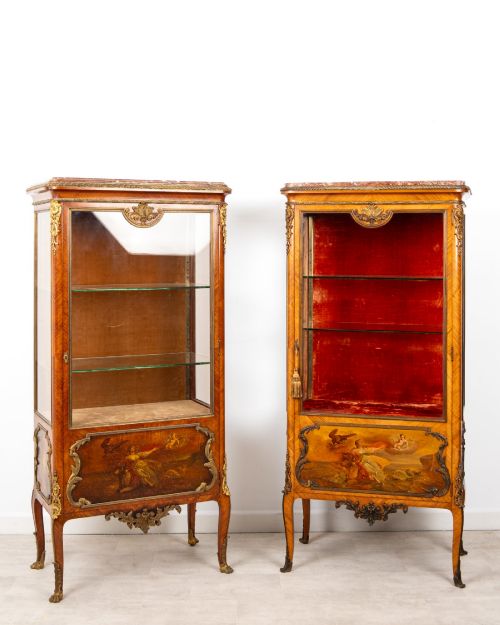
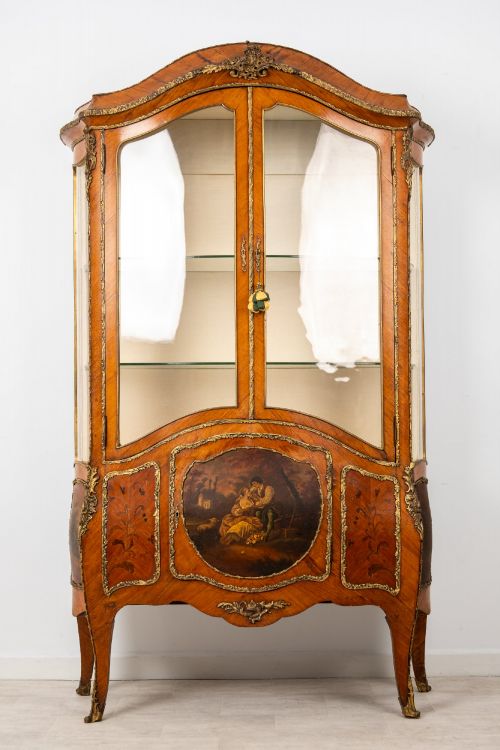
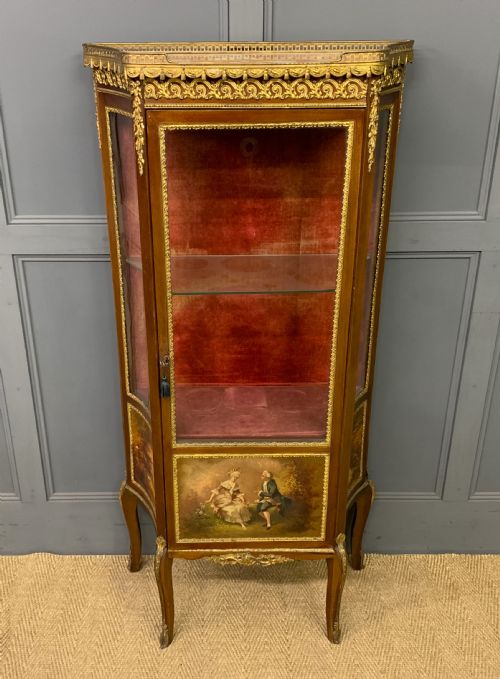
Cabinetmakers utilised painted wood, kingwood, mahogany, and rosewood as primary structural timbers, often incorporating Vernis Martin panels for decorative narrative scenes. These surfaces were frequently enhanced with polychrome paintwork and gilding.
Mounts of gilt bronze, brass, and ormolu punctuate the designs, framing glass panels and outlining doors. Tops in marble, including serpentine and shaped slabs, provide durable and contrasting finishes to the wooden carcasses.
Listings span periods from the 18th century through the 1930s, featuring materials such as ormolu, marble, kingwood, and painted wood.
What varies in quality
The standard of a french style painted cabinet rests upon the depth of the painted decoration and the precision of the joinery in the timber carcass. Pieces featuring hand-painted Vernis Martin panels and finely chased ormolu mounts sit clearly apart from simpler decorative iterations.
Materials dictate the upper tiers of the range, where heavy marble tops and substantial kingwood or mahogany structures meet meticulous gilt bronze embellishments. The fluidity of the revival curves and the crispness of the applied brass and glass work define the overall calibre.
The French Style Painted Cabinet Glossary
- Vernis Martin
- A type of simulated Japanese lacquer developed in eighteenth-century France by the Martin brothers, utilising resin varnishes on furniture panels. It frequently depicts pastoral scenes in green or gold tones.
- Ormolu
- Gilt bronze applied as mounts, feet, and decorative framing on fine furniture. The technique involves coating bronze with a mercury and gold amalgam before firing.
- Vitrine
- A glass-fronted display cabinet designed for porcelain, books, or curiosities. These pieces often feature glazed sides to maximise light exposure.
- Commode
- A low chest of drawers, often featuring serpentine or bombe fronts in the French taste. They typically display decorative marble tops.
- Enfilade
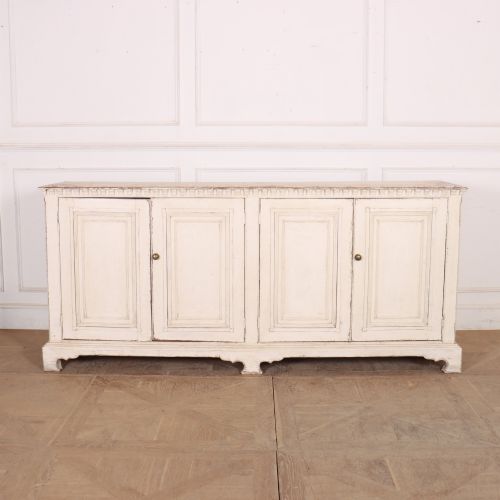
- A long sideboard or cabinet designed for formal dining rooms, usually featuring a series of cabinet doors in a line. This form appears across nineteenth-century European cabinetmaking.
French Style Painted Cabinet: Frequently Asked Questions
How do I identify a revival period piece?
Revival pieces draw on eighteenth-century Louis XV and Louis XVI aesthetics, incorporating characteristic curved cabriole legs, symmetrical ormolu mounts, and painted finishes. Construction methods and secondary timbers often point to nineteenth or early twentieth-century dates.
Examining the interior woodwork and the casting quality of the brass or ormolu mounts helps distinguish nineteenth-century interpretations from earlier originals.
Where should I place a display cabinet?
Display cabinets and vitrines suit sitting rooms, hallways, or dining spaces where glazed doors protect collections of ceramics and glassware. Their reflective glass and metallic mounts introduce light into darker corners of a room.
Ensure the floor is level, particularly with older pieces carrying heavy marble tops, to maintain door alignment.
What are bedside chests used for?
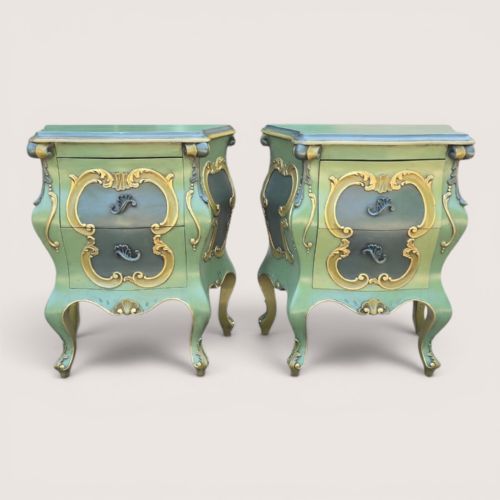
Bedside chests and lamp tables provide compact storage with enclosed cupboards or small drawers beside seating or sleeping areas. Early twentieth-century pairs often match the painted and gilded finishes of larger bedroom suites.
They offer surface space for lamps while concealing small items within painted wooden carcasses.