
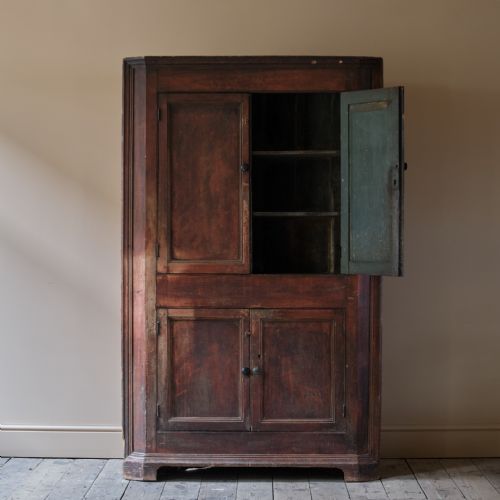
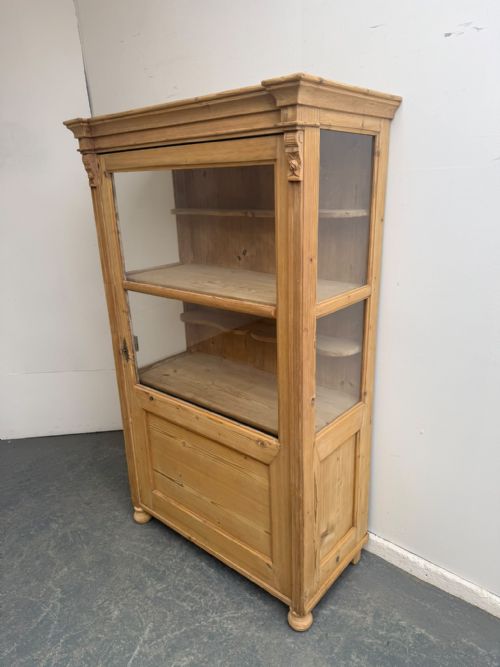
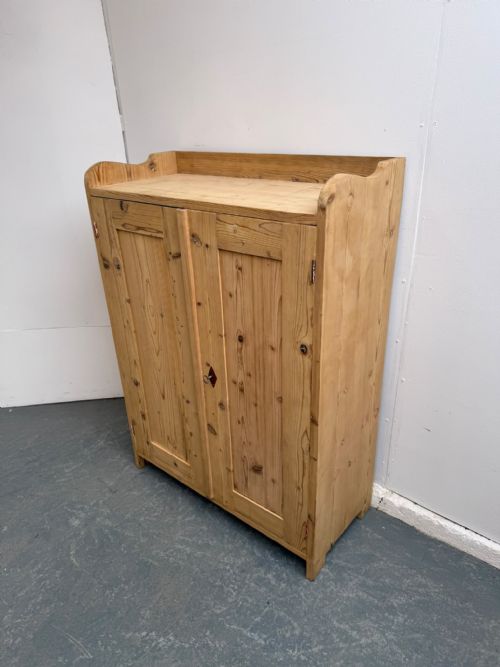
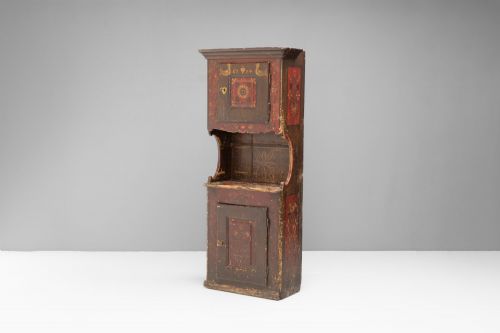
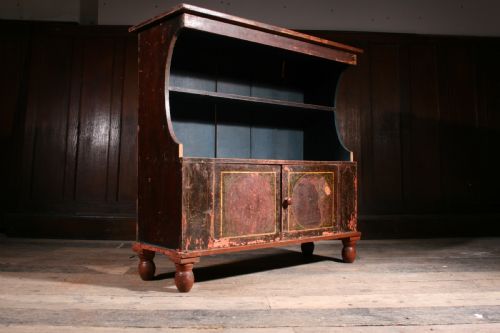
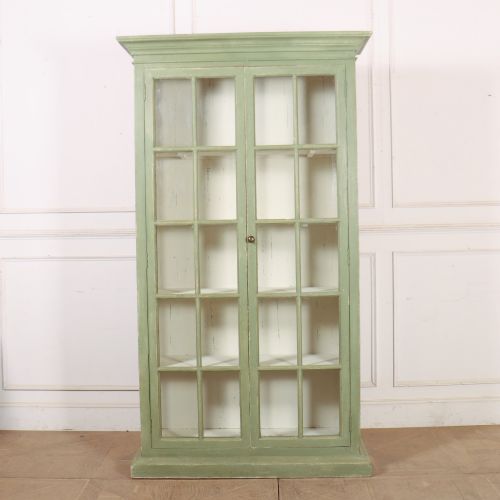


Painted Cabinet on Stand
A painted cabinet on stand brings surface decoration and elevated storage together, turning a utilitarian cupboard into a statement piece.

Painted Cabinet on Stand
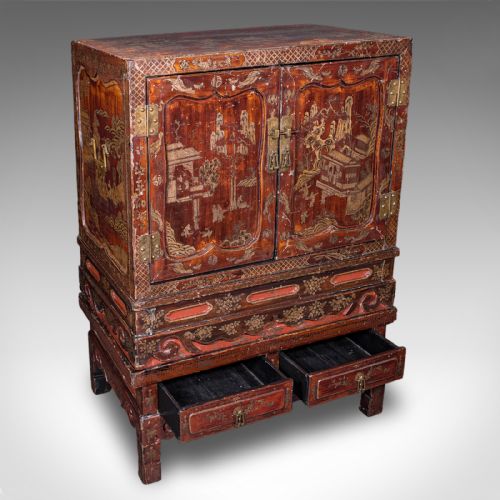
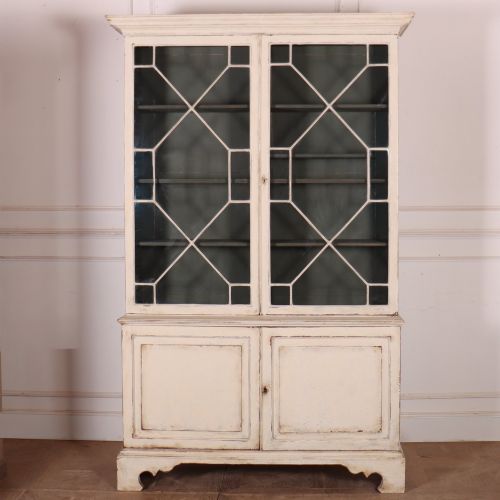
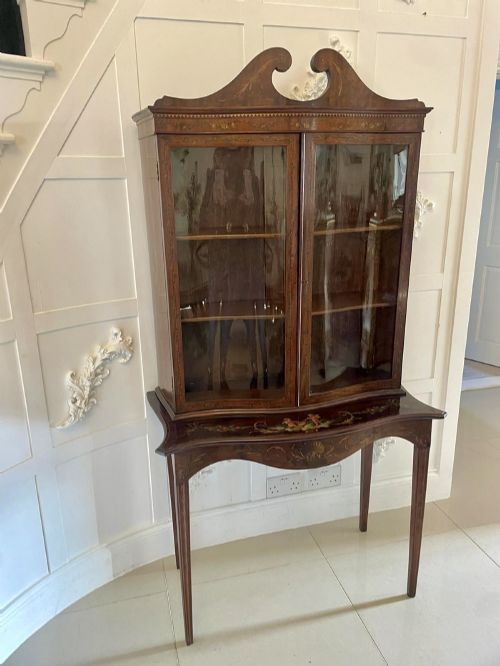
When you search for a painted cabinet on stand, you are looking at elevated storage furniture combining an enclosed cupboard or display section with a raised underframe. These pieces span the eighteenth, nineteenth and early twentieth centuries, drawing on Georgian, Victorian, Edwardian and Chinoiserie traditions.
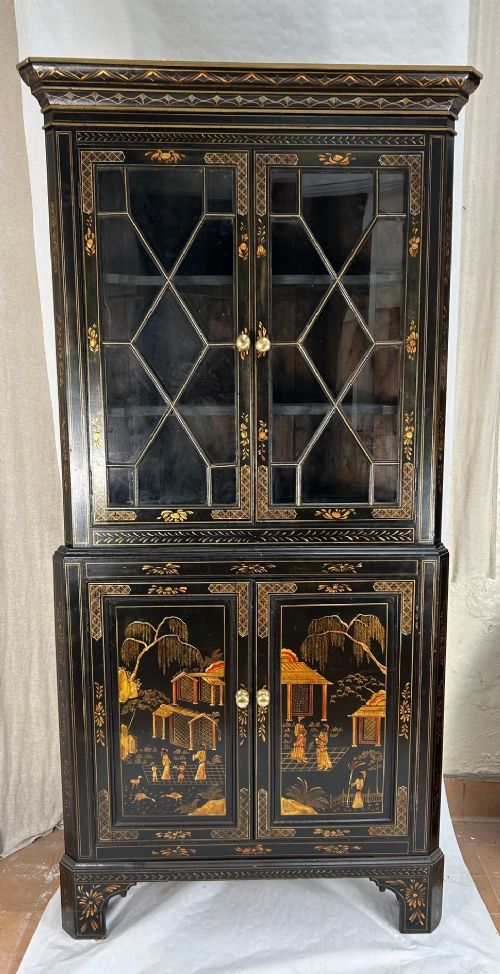
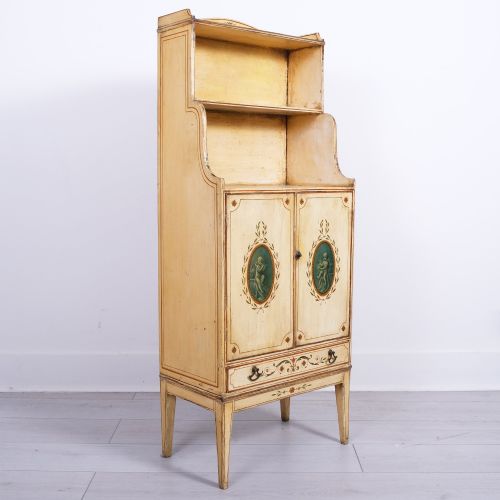
The versions met most frequently range from compact eighteenth-century examples to Edwardian satinwood and Chinoiserie interpretations. They utilise diverse surface finishes including lacquer, gilt highlights and original painted decoration.
Object forms vary across the selection, appearing alongside related pieces like bookcases, corner cupboards and cocktail cabinets. Their origins stretch from English workshops to French and Swedish makers.
How they were made
Construction relies upon traditional timber carcases fashioned from pine, mahogany, satinwood or walnut, providing a stable foundation for decorative treatments. Joinery methods reflect the period of origin, from Georgian cabinet-making to later manufacturing techniques.
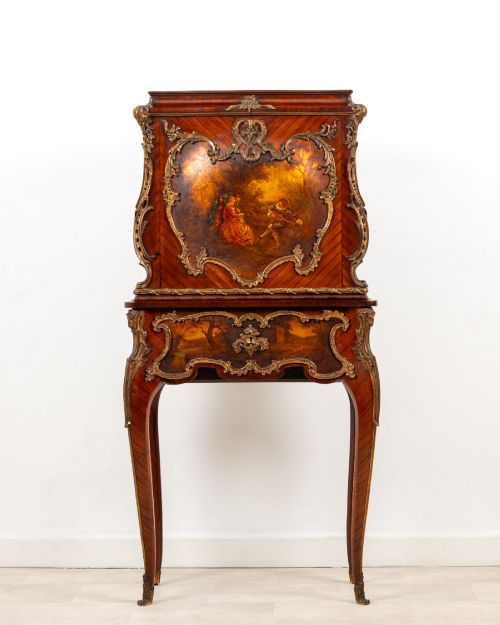
Surface finishes involve applied layers of paint, lacquer or Vernis Martin, frequently enhanced with hand-painted details, gilding or faux graining. Brass hardware, glass panels and occasionally iron or ormolu mounts complete the assembly of body and stand.
Several pieces owe their existence to seventeenth-century European fascination with Asian lacquerware, inspiring craftsmen to invent entirely new chemical varnishes.
What varies in quality
Quality separates along the integrity of the painted surface and the harmony between the upper cabinet and its stand. Original untouched decoration commands attention, whereas later overpainting alters the historic character of the piece.
Proportion and execution of the stand dictate overall refinement, with delicate turned or carved legs supporting the weight of the cabinet above. Finer examples display meticulous joinery and balanced proportions rather than purely decorative additions.
The Painted Cabinet on Stand Glossary
- Cabinet on stand
- A two-part furniture form consisting of an enclosed upper storage section raised upon a distinct supporting base or legs.
- Chinoiserie
- European decorative style imitating Chinese artistic traditions, typically executed in lacquer, paint and gilt on furniture surfaces.
- Vernis Martin
- Eighteenth-century French imitation lacquer perfected by the Martin brothers, prized for its translucent polished varnish layers.
- Satinwood
- A lustrous tropical hardwood with a golden yellow sheen, frequently utilised for fine veneering and painted neoclassical furniture.
- Stand
- The supporting underframe or legs beneath a cabinet, chest or case piece, raising the main body off the floor.
Painted Cabinet on Stand: Frequently Asked Questions
What is a painted cabinet on stand?
A painted cabinet on stand combines an enclosed upper storage box or cupboard with an elevated support base. These pieces utilise decorative paint finishes, lacquer or gilding to transform functional storage into display furniture.
Originating across multiple centuries, they appear in forms ranging from compact eighteenth-century Chinoiserie designs to Edwardian satinwood variations.
How were these cabinets used?
These pieces served as specialised storage for valued possessions, textiles, documents or tableware within domestic interiors. Their elevated design kept contents away from damp floors while displaying decorative surface art.
Later iterations functioned as cocktail cabinets or display furniture, housing glassware and entertaining accessories in reception rooms.
How do I identify the period?
Dating relies upon timber selection, construction methods, joinery details and the style of the painted decoration. Eighteenth-century examples often feature pine or hardwood carcases with hand-applied Chinoiserie or floral motifs.
Victorian and Edwardian pieces frequently incorporate satinwood, mahogany or ebonised elements alongside neoclassical or Revival ornamentation.
How do I care for painted surfaces?
Preserving historic painted and lacquered surfaces requires stable indoor humidity away from direct sunlight and heat sources. Gentle dusting with a dry, soft cloth prevents the accumulation of particulate matter without abrading the finish.
Avoid chemical cleaning agents, polishes or excessive moisture, which can damage original varnishes and painted decoration.