
19th Century Glazed Cupboard
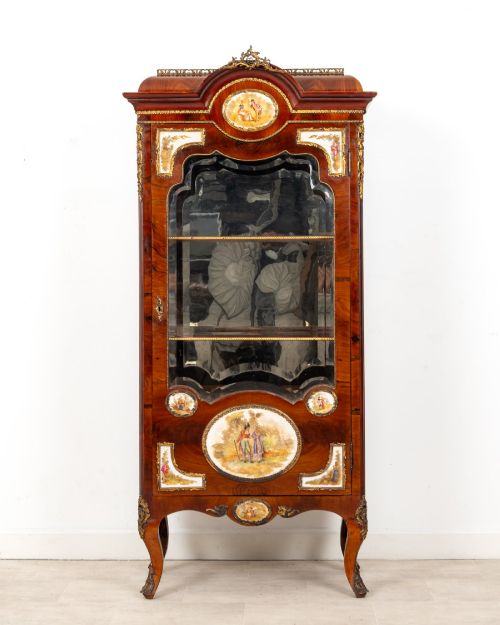
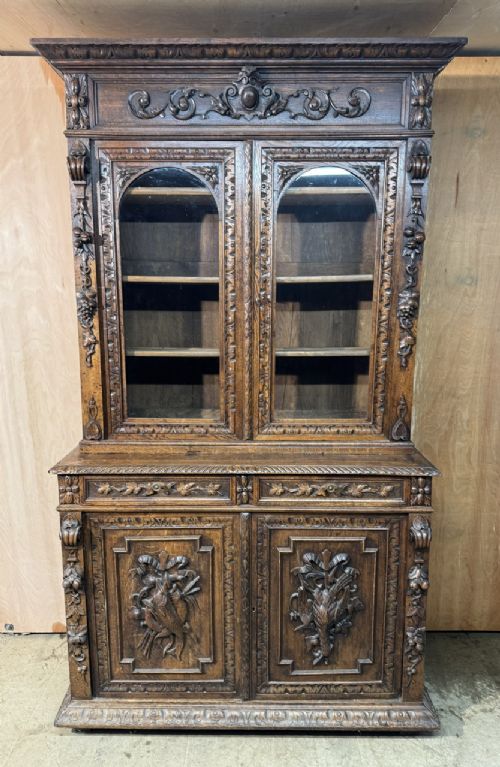
When you look for a 19th century glazed cupboard, you encounter a wide array of timber display pieces and bookcases designed to hold books and porcelain.
19th Century Glazed Cupboard
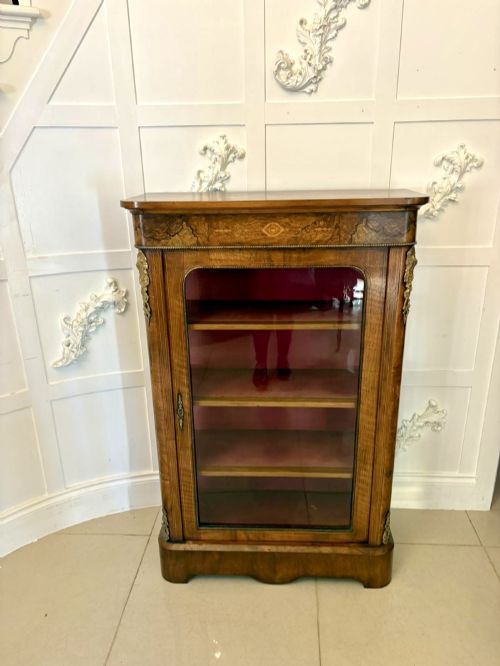
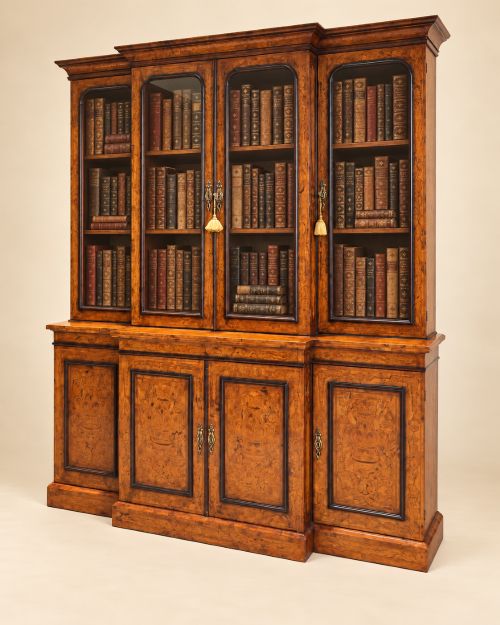
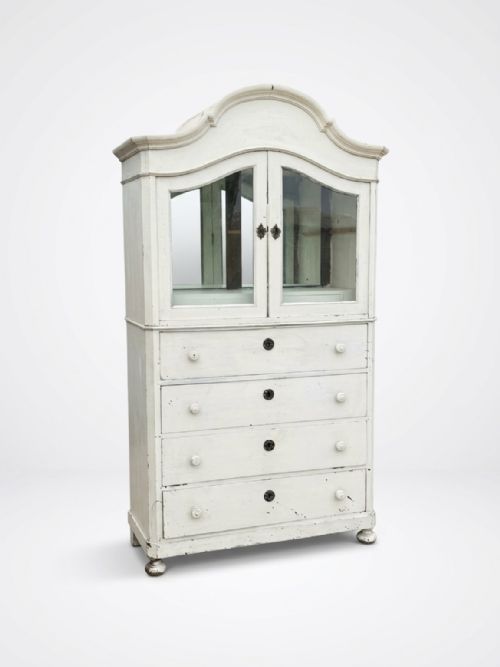
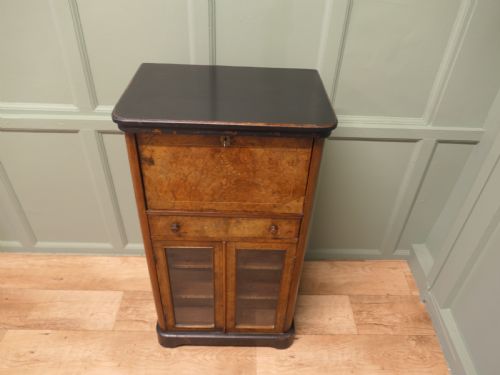
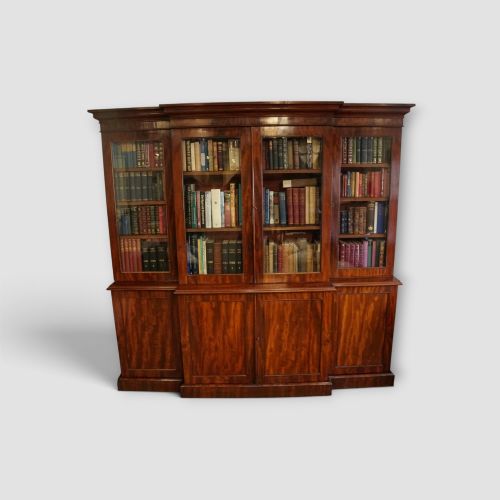
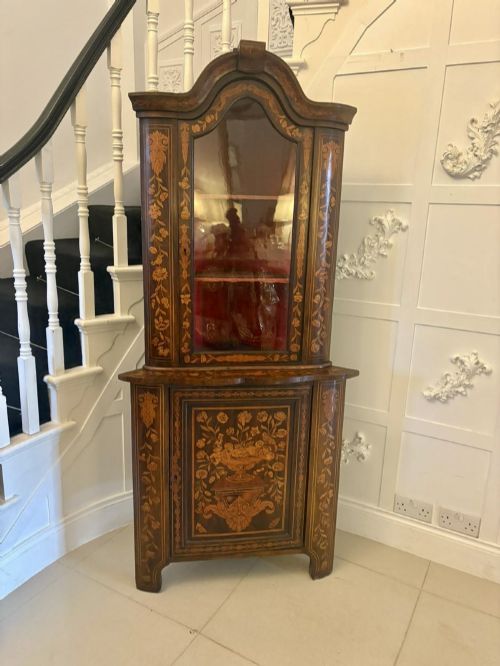
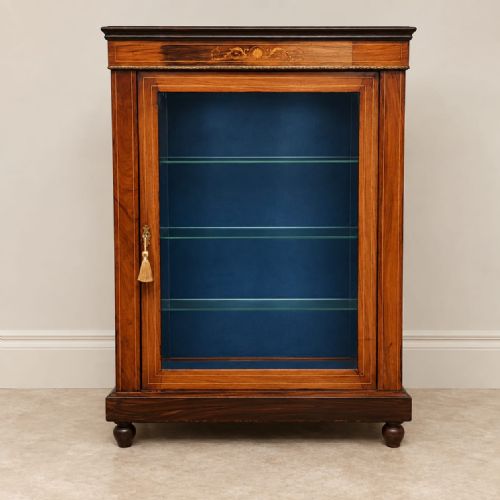
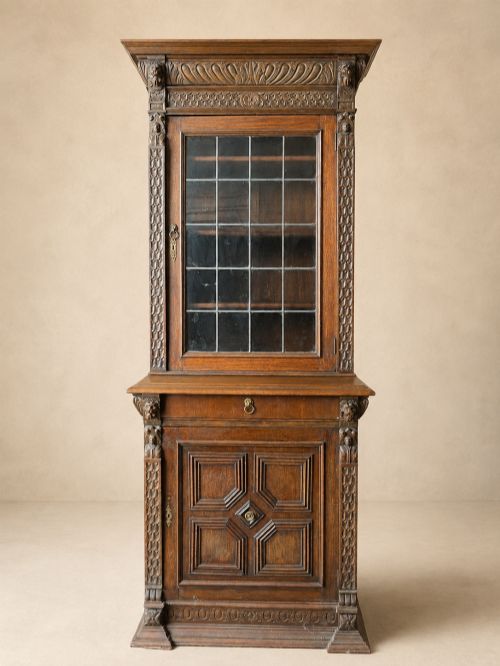
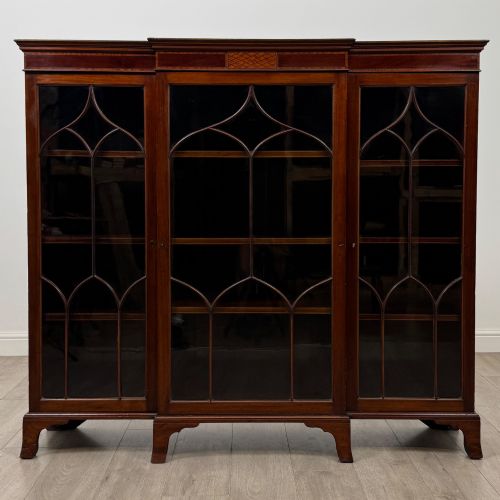
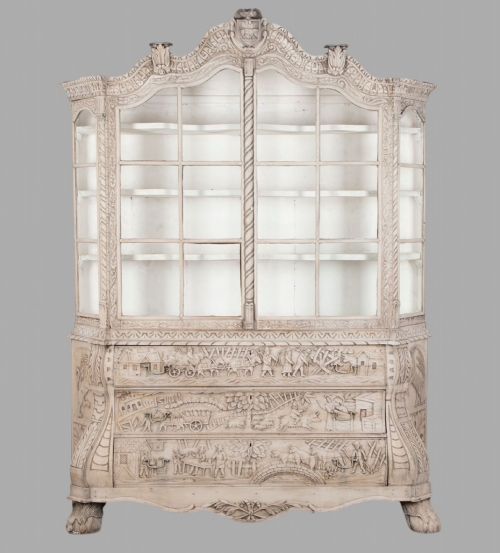
A 19th century glazed cupboard encompasses various formats such as breakfront bookcases, pier cabinets, corner cupboards, and library bookcases. These pieces originate from distinct regional traditions, including English, French, Dutch, and Swedish workshops.
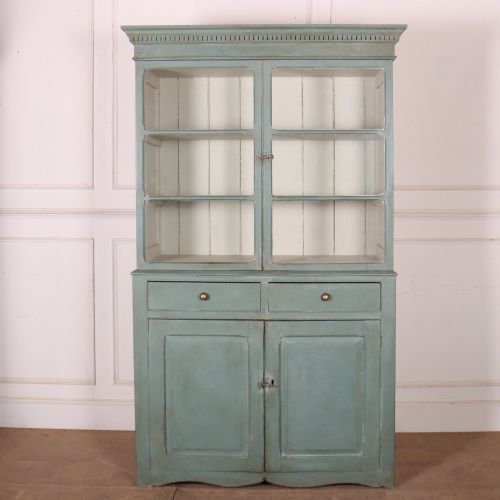
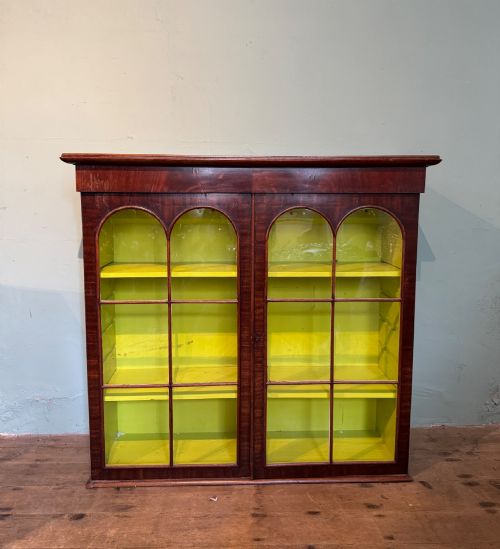
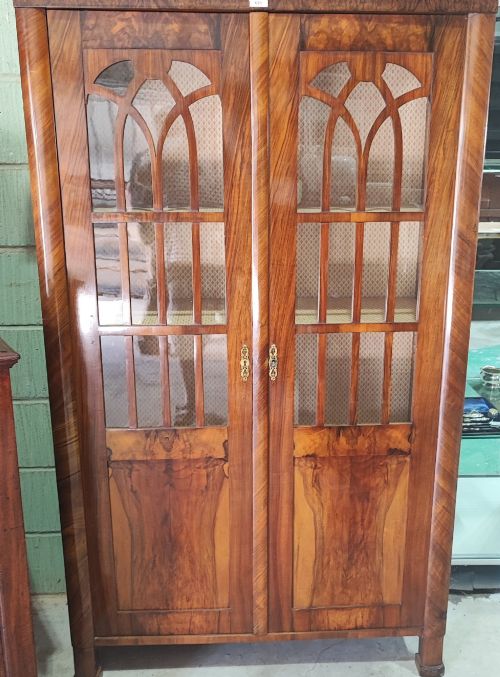
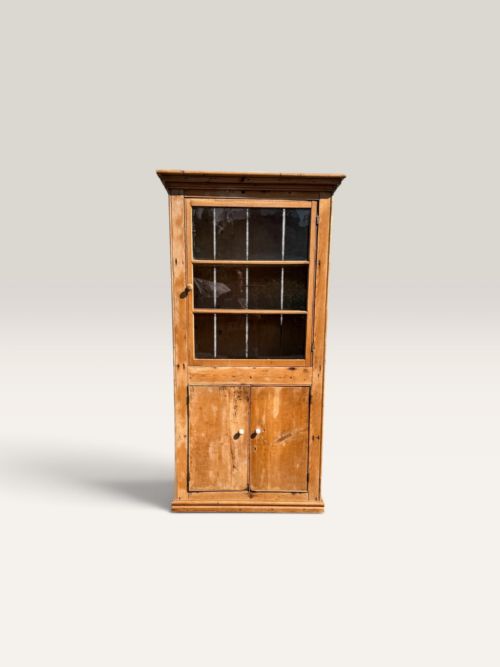
The most common examples on this page are Victorian mahogany bookcases and walnut display cabinets. Buyers also encounter painted pine kitchen dressers, oak corner cupboards, and occasional satinwood pieces reflecting diverse 19th-century domestic interiors.
How They Were Made
Cabinet makers utilised dense native and imported timbers, notably mahogany, walnut, and oak, often reinforced with satinwood, brass fittings, and glass panes. Construction techniques involved framed glass doors, adjustable shelving, and occasionally marquetry or intricate carved details.
Surfaces received various finishes depending on the regional style, from polished burr veneers and scumble paint to French polish on library bookcases and glazed corner units.
Cabinets utilise glass, brass, mahogany, walnut, oak, fabric, satinwood, and ormolu.
What Varies in Quality
Quality rests upon the selection of timber veneers, such as figured mahogany or burr walnut, and the precision of inlaid details and marquetry. Superior pieces exhibit refined proportions, original glass panes, and well-executed joinery on breakfront cornices and door frames.
The sophistication of internal fittings, including adjustable shelving and functional brass hardware, separates standard utility cupboards from high-status library bookcases and display vitrines.
Jas Shoolbred·Gillows
The 19th Century Glazed Cupboard Glossary
- Breakfront
- A cabinet design where the central section projects forward from the flanking wings. This architectural form provides visual depth to large library bookcases.
- Pier Cabinet
- A narrow display cabinet designed to fit wall spaces between windows. These Victorian items frequently feature glass doors and brass mounts.
- Marquetry
- Decorative veneer work arranged in geometric or pictorial patterns using various coloured woods. Dutch makers frequently utilised this technique on oak and walnut carcasses.
- Secretaire
- A desk component incorporated into a larger cabinet or bookcase, featuring a pull-down writing flap. This dual-purpose form became popular during the Regency and Victorian periods.
- Veneer
- A thin layer of figured timber applied to a secondary wood carcass to provide a decorative surface. Burr walnut and figured mahogany are typical examples.
19th Century Glazed Cupboard: Frequently Asked Questions
Where were these cupboards placed in a home?
These cupboards served multiple domestic functions, standing in libraries, drawing rooms, and kitchens. Tall bookcases housed extensive book collections, whilst smaller pier cabinets and corner cupboards displayed porcelain and decorative objects.
In larger spaces, breakfront library bookcases commanded entire walls. Kitchen dressers and painted pine cupboards provided practical storage for everyday provisions and crockery in domestic quarters.
How do I care for a mahogany cupboard?
Maintenance involves keeping the timber away from direct heat sources and sudden humidity changes to prevent veneer lifting. Regular dusting with a dry, soft cloth preserves the polished surface.
Avoid silicone-based polishes, opting instead for traditional wax applied sparingly to nourish the mahogany or walnut grain over time.
Are the shelves adjustable?
Many 19th-century bookcases and glazed cupboards feature adjustable shelving systems supported on wooden racks or metal pins. This allowed owners to alter shelf heights for varying book sizes.
Some smaller corner cupboards and older farmhouse pieces retain fixed shelves secured permanently into the carcass sides.
What is a corner cupboard used for?
Corner cupboards utilised awkward room angles to provide display space and concealed storage. They typically featured glazed upper doors for showing china and lower wooden doors for general items.
Originating in oak, mahogany, and pine, these hanging or floor-standing units maximised floor space in smaller period rooms.