




Glazed Housekeeper Cabinet
A glazed housekeeper cabinet brings honest domestic storage to a room, offering glass-fronted display above solid timber organisation.
Glazed Housekeeper Cabinet
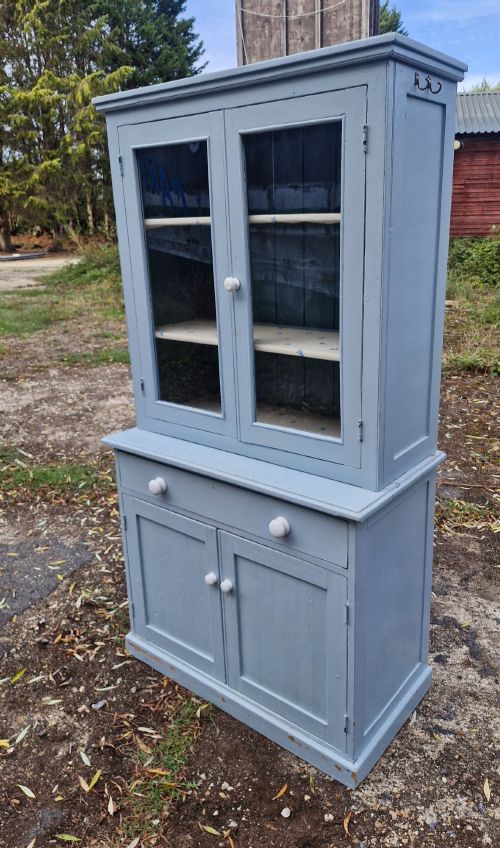
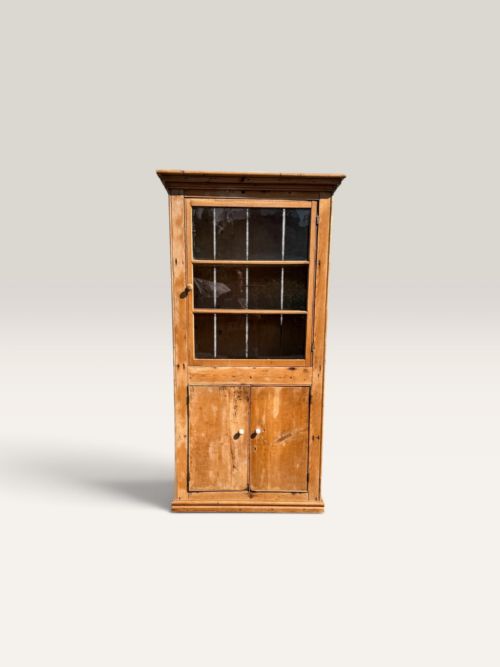
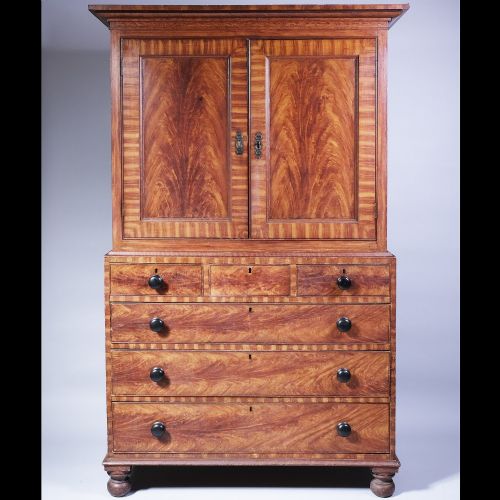
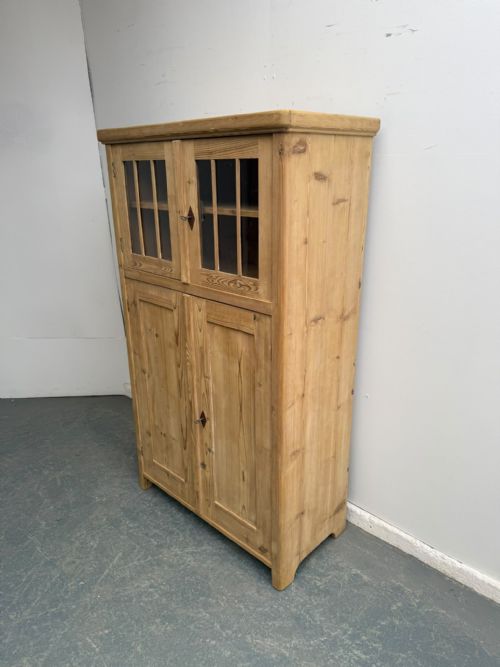
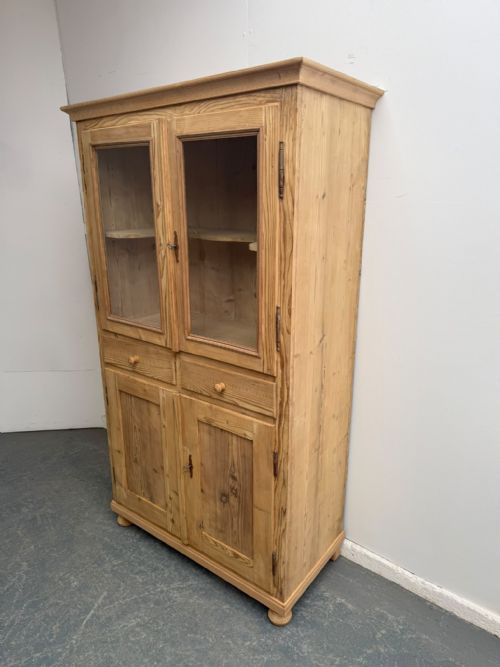
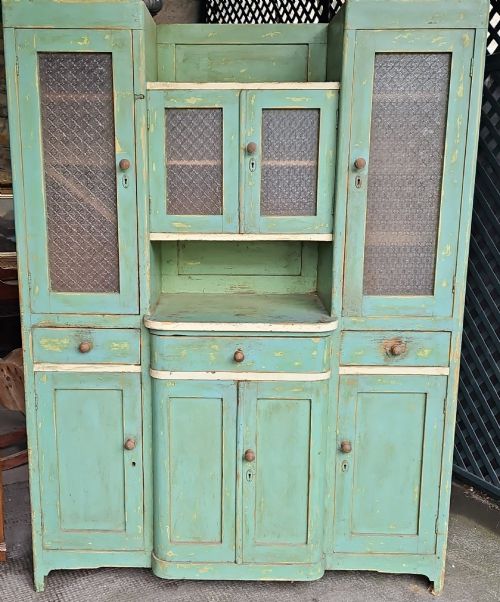
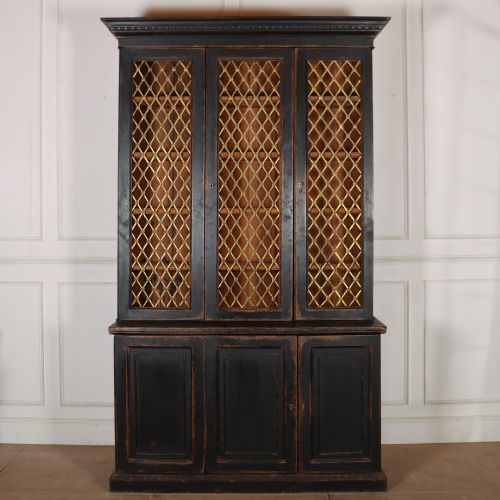
A glazed housekeeper cabinet represents large-scale domestic storage designed for country houses and rural properties, combining utility with display space. These pieces appear across the nineteenth century, including Victorian and Edwardian examples, taking the form of tall kitchen cupboards, dressers, and linen presses. The versions most commonly found here are substantial timber structures built in two sections, pairing enclosed shelving with glass doors.
The regional origins shown on this page stretch across English, Irish, Scottish, and Danish workshops, reflecting local vernacular traditions. Styles lean towards country and rustic farmhouse aesthetics, utilising straightforward forms intended for daily service rather than formal drawing rooms. Buyers encounter everything from tall larder cabinets to scumble-painted food cupboards adapted for modern kitchen or dining room storage.
Construction and materials
Makers relied on solid native timbers, predominantly pine and oak, often finished with paint, scumble glazes, or wax to protect the grain. Pitch pine and standard pine form the carcase of many regional pieces, providing sturdy internal shelving and heavy frames built to withstand decades of household use. Iron and brass hardware, including traditional hinges and latches, secure the doors and drawers.
Glazing techniques incorporate glass panes set into timber framing to protect linens, provisions, or china while keeping contents visible. Two-part construction allowed workshops to transport these tall items more easily to country houses, where lower cupboards held heavier stores and upper glazed sections displayed household wares.
Some nineteenth-century pine cupboards retain traces of flour and spice inside their deep drawers, proof of hard-working country kitchens.
Judging quality and proportion
Quality rests in the balance of proportions and the integrity of the original timber rather than fine cabinetmaker polish. Stronger examples maintain original backboards, deep cornices, and untouched painted or scumbled surfaces that reveal the age of the wood beneath. The weight of the timber and the tightness of the joinery distinguish robust utility furniture from lighter domestic pieces.
The treatment of the surface finish plays a major role in character, as untouched nineteenth-century paint or aged wax patination elevates a piece above standard utilitarian cupboards. Original glass panes and sturdy internal shelving indicate careful preservation over generations of domestic service.
The Glazed Housekeeper Cabinet Glossary
- Scumble paint
- A decorative surface technique where a translucent top coat is manipulated over a lighter base to imitate the grain of richer woods. This finish appears frequently on nineteenth-century country furniture.
- Pitch pine
- A resinous softwood favored for its durability and prominent grain pattern. Makers utilised this timber for heavy-duty domestic cabinetry.
- Two-part
- A method of construction where a cabinet is built in separate upper and lower sections for ease of transport and placement. The upper glazed portion sits upon a deeper base cupboard.
- Larder cabinet
- A tall storage unit traditionally used for food provisions, featuring ventilation or enclosed shelving. These forms prioritize deep capacity within a vertical footprint.
Glazed Housekeeper Cabinet: Frequently Asked Questions
What rooms suit a glazed housekeeper cabinet?
These tall cabinets work effectively in kitchens, dining rooms, and large hallways where substantial storage and display space are required. Their glass-fronted upper sections hold tableware, books, or glassware, while lower cupboards conceal larger household items.
Because they arrive in tall proportions, measuring ceiling heights before placement ensures the piece fits comfortably within the room.
How do I clean painted pine furniture?
Painted surfaces benefit from gentle dusting with a dry microfiber cloth to remove everyday particles without disturbing the finish. Avoid harsh chemical cleaners or abrasive scourers that can strip historic paint or wax.
Applying a traditional beeswax occasionally helps nourish underlying timber surfaces where the paint has worn thin over time.
Are these cabinets difficult to move?
Most large examples utilise a two-part construction, separating the upper glazed section from the lower base to simplify transport. Removing internal shelves further reduces weight and protects the timber structure during relocation.
Enlisting professional handlers ensures safe transit for heavy pine and oak pieces.
How can I tell Victorian pieces apart?
Nineteenth-century vernacular pieces often display hand-planed boards, pegged joints, and regional timber choices unique to English, Irish, Scottish, or Scandinavian workshops. Tool marks on the interior woodwork point to hand construction methods common before mass production.
Examining the hinges, locks, and glass helps confirm the period of manufacture alongside the overall proportion and style.