




Country Style Glazed Cupboard
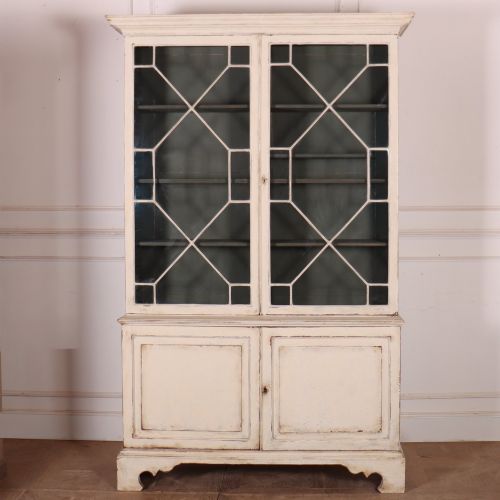
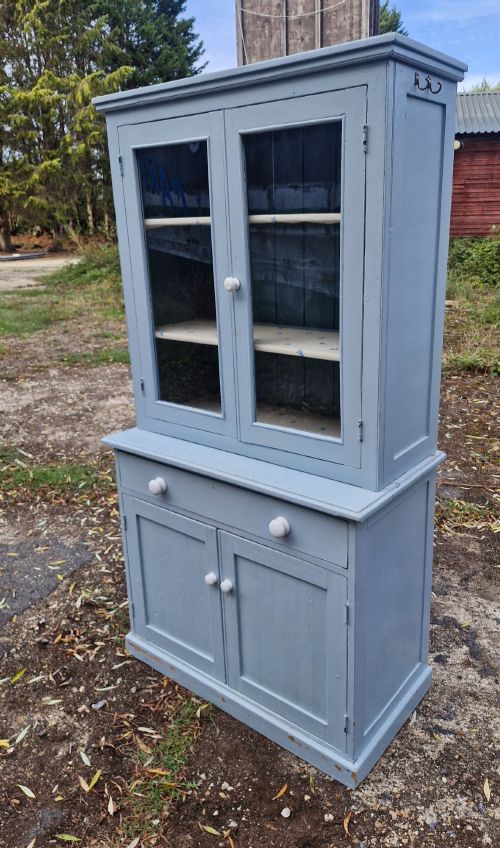
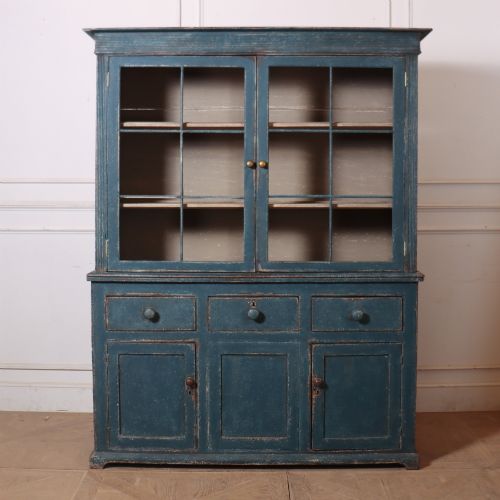
Country style glazed cupboard designs offer honest utility and rustic charm, combining painted timber with glazed doors to store and display kitchen ware or books.
Country Style Glazed Cupboard
A country style glazed cupboard provides functional storage with glazed doors for display, frequently taking the form of a kitchen dresser, bookcase, or food cupboard. These pieces emerge primarily from the nineteenth and eighteenth centuries, reflecting utilitarian domestic needs.
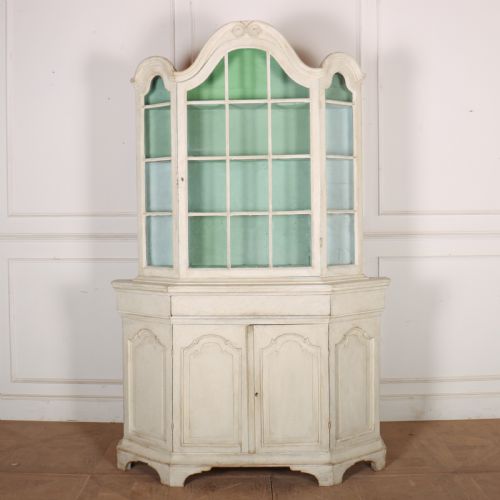
Buyers encounter regional English examples alongside Dutch vitrines and specific forms such as gun cabinets. The construction leans heavily towards pine and painted timber, often finished with glass panels and brass hardware.
The aesthetic embraces rustic farmhouse and English country traditions, sometimes showing the decorative influence of the Romanesque revival. Pieces range from two-part kitchen cupboards to breakfront dressers and signed vintage provisions cabinets.
How they were made
Construction relies primarily on pine and timber, shaped into robust carcases to withstand daily domestic use in kitchens and pantries. Paint finishes, often applied over wood, define the surface character of these utilitarian items.
Glazing forms a central element, requiring fitted glass panes to protect the contents while maintaining visibility for stored items. Iron and brass components, including hinges and latches, provide necessary structural and functional support.
One vintage pine cupboard wears a later painted sign for Hovis Bread, proving that even kitchen storage once moonlighted as advertising.
What varies in quality
The integrity of the timber framing and the preservation of original painted surfaces set superior examples apart from standard utility pieces. Proportion and regional vernacular details dictate the visual success of the form.
The quality of the glazing bars and the authenticity of period brass or iron hardware contribute significantly to the character and standing of an individual cupboard.
The Country Style Glazed Cupboard Glossary
- Glazed cupboard
- A storage piece featuring glass-fronted doors designed to display contents while keeping them dust-free. This form appears frequently in kitchen and bookcase contexts.
- Kitchen dresser
- A traditional dual-purpose item combining lower cupboards or drawers with upper shelving or display space. These items anchor rural domestic interiors.
- Breakfront
- A cabinet design where the central section projects forward from the flanking wings. This architectural arrangement adds depth to larger dressers and bookcases.
- Vitrine
- A glass-sided display cabinet traditionally used for showcasing fine objects. The Dutch examples introduce continental proportion to the category.
- Pine
- A soft timber widely utilised in regional furniture making for its accessibility and workability. It accepts paint finishes readily.
Country Style Glazed Cupboard: Frequently Asked Questions
Where did these cupboards originate?
The listings show English and Dutch origins, spanning regional workshops and rural domestic settings. West Country examples indicate specific British vernacular traditions.
Makers utilised local timber like pine, adapting forms to suit farmhouse kitchens, pantries, and living spaces.
What periods do these pieces date from?
The available items date from the eighteenth and nineteenth centuries into the early twentieth century. Dates span specific years such as eighteen-fifty and nineteen-twenty.
Earlier pieces show traditional construction methods, while later examples incorporate vintage sign-writing or revival styles.
How were these cupboards used?
These pieces served practical storage roles in domestic interiors, holding food, kitchen wares, books, or firearms. Glazed doors allowed contents to be viewed while protected from household dust.
Many combined lower enclosed storage with upper display sections, functioning as central furniture items in kitchens and dining areas.
What materials are typical?
Construction relies heavily on pine and painted timber, supplemented by glass for the cabinet doors. Iron and brass provide structural and functional hardware.
Surfaces often feature historic paint finishes or later sign-written details that reflect the working history of the object.