
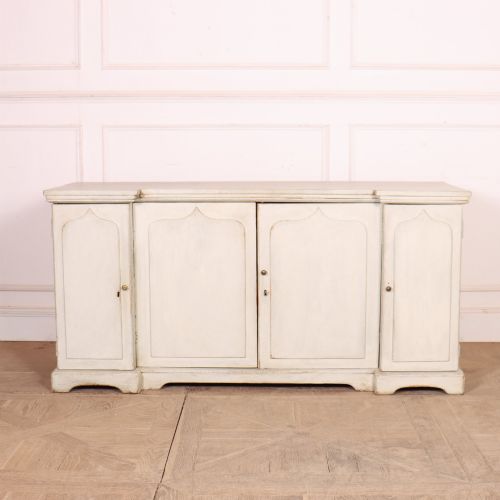
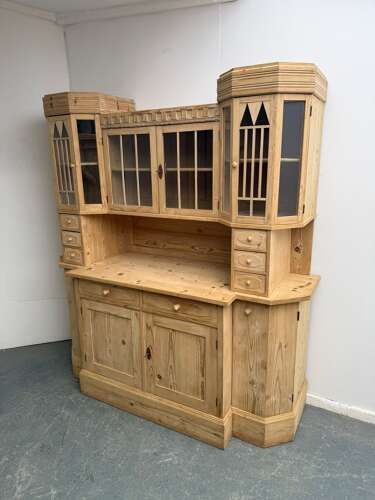
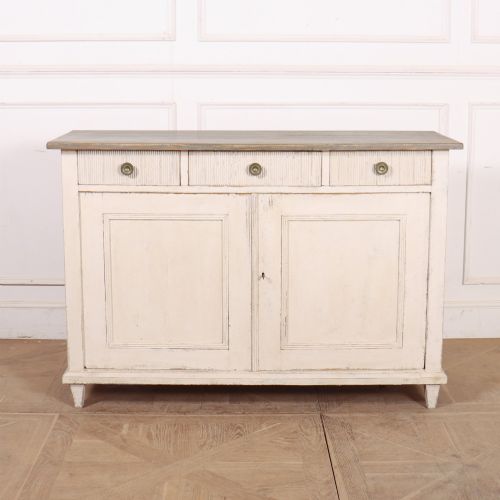
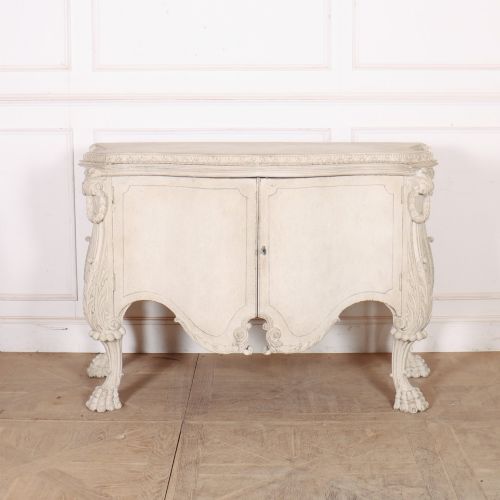
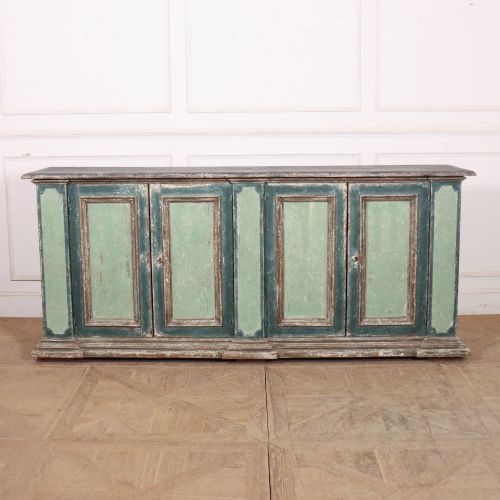
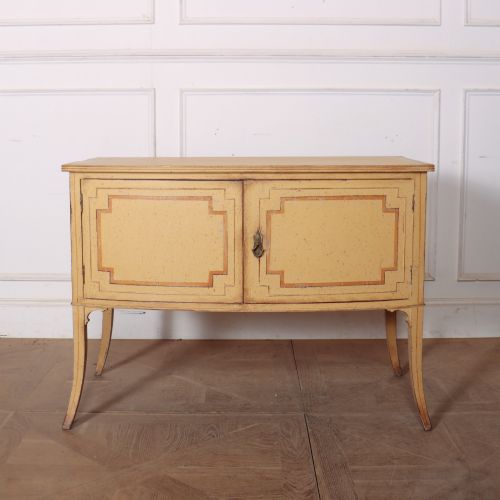
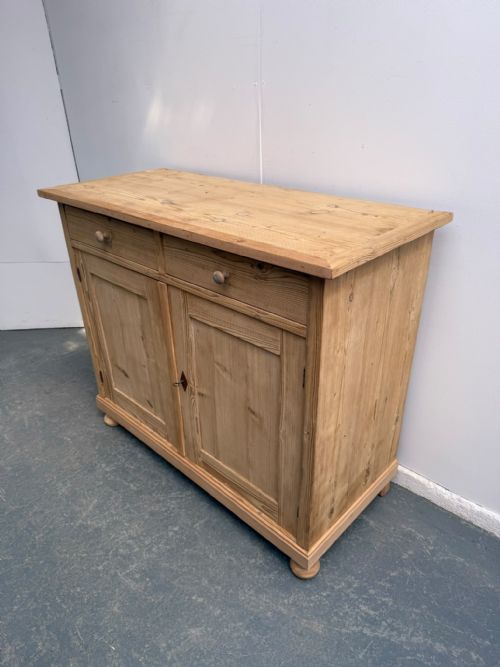
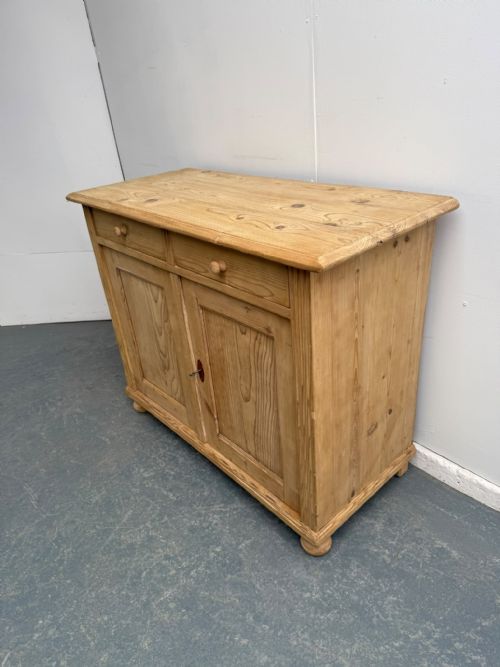
Painted Storage Sideboard
A painted storage sideboard brings both deep utility and vibrant regional character to a room, offering generous concealed storage beneath a broad display surface.
Painted Storage Sideboard
A painted storage sideboard encompasses a diverse group of functional furniture pieces designed to hold household goods while displaying a decorative painted finish. When searching for a painted storage sideboard, buyers encounter numerous regional variations spanning the eighteenth, nineteenth, and early twentieth centuries.
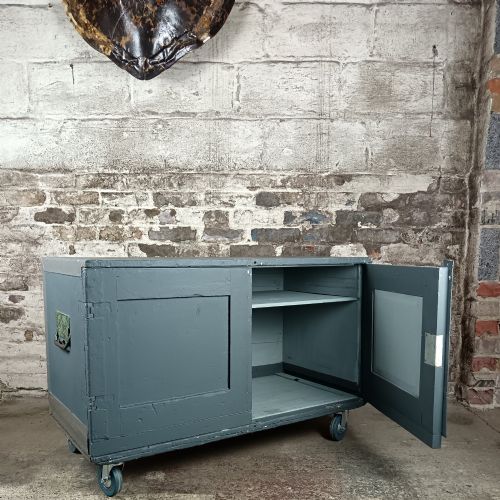
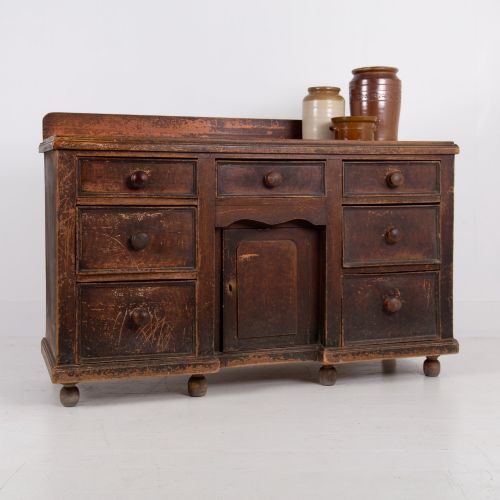
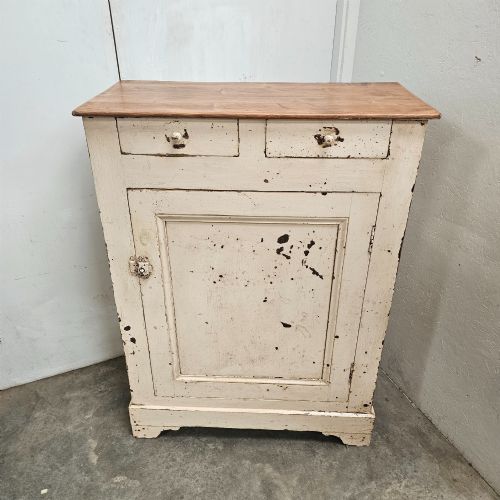
The most frequent examples on this page are nineteenth-century pine dresser bases and cupboards originating from English country houses, continental workshops, and Scandinavian rural communities. These pieces typically feature cupboards and drawers built for practical domestic storage in kitchens, dining rooms, and hallways.
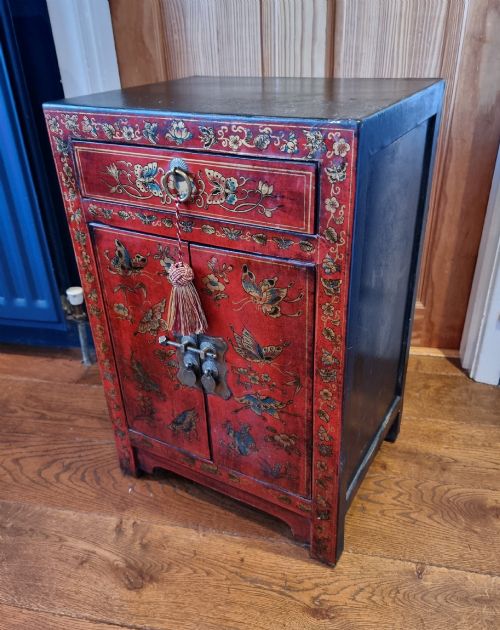
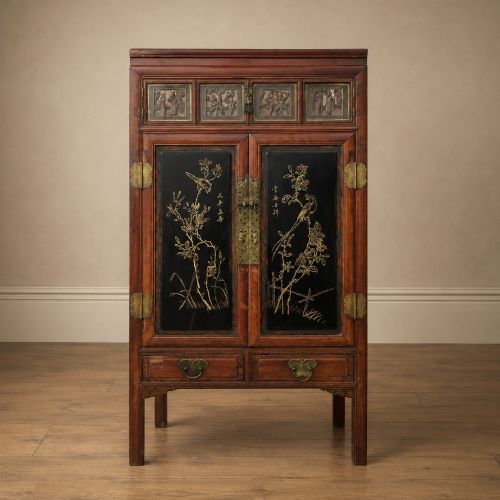
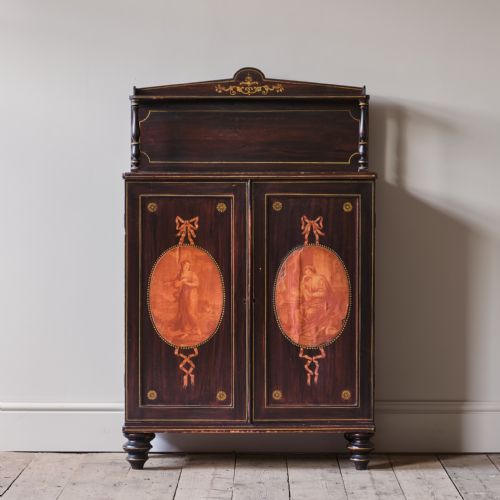
Beyond standard country pine, the selection includes specialised forms such as French confituriers, Italian side cabinets, and Chinese lacquer marriage cabinets. Each regional variation brings distinct proportions and surface treatments to the basic storage sideboard typology.
Materials and construction techniques
The primary structural material across these listings is solid timber, most notably pine, worked by hand into sturdy carcases, panelled doors, and dovetailed drawers. Carpenters relied on traditional joinery methods to ensure stability, utilising pegged mortise and tenon frames alongside robust internal shelving.
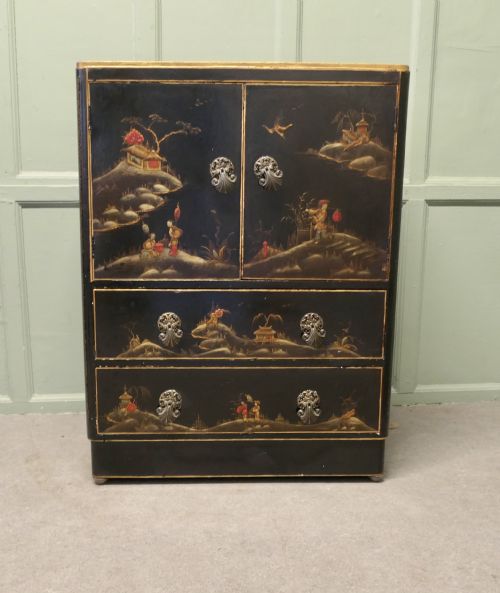
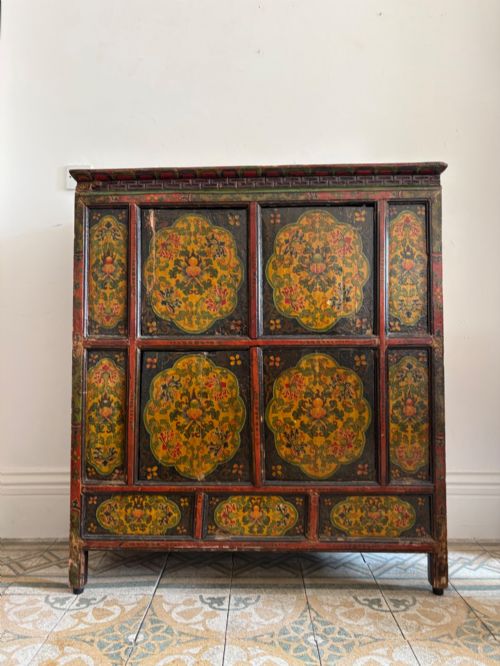
Surface decoration relies heavily on applied paint layers, ranging from plain historic scrubbed pigments and simulated wood graining to elaborate Chinoiserie lacquer and hand-painted floral motifs. Brass and iron hardware, including hinges, drop handles, and escutcheons, provide both functional operation and structural contrast against the painted wood.
Listings feature eighteenth and nineteenth-century forms including pine dresser bases, French confituriers, and Chinese lacquer cabinets.
Distinctions in quality and finish
Quality in these pieces rests primarily on the integrity of the original construction and the survival of its historic surface finish. Pieces retaining their untouched early or original paint layers command greater interest than those stripped down to bare timber or repeatedly repainted in modern decades.
Constructional finesse also separates standard utility furniture from finer examples, visible in the tightness of the drawer dovetails, the proportion of the mouldings, and the balance of the hardware. Well-proportioned scaling and robust timber thickness indicate a higher grade of regional workshop production.
The Painted Storage Sideboard Glossary
- Dresser base
- A low cabinetry unit featuring drawers, cupboards, or open space beneath a flat top surface, traditionally used for kitchen or dining room storage.
- Chinoiserie
- A European decorative style employing motifs inspired by Chinese art, frequently executed in raised lacquer work or hand-painted details.
- Confiturier
- A small French storage cupboard originally designed to hold confiture or preserved fruits.
- Japanned
- A European imitation of East Asian lacquerwork, created through successive layers of varnish and often finished with gilt decoration.
- Escutcheon
- A protective metal plate surrounding a keyhole, adding both structural reinforcement and decorative detail to a cabinet door or drawer front.
Painted Storage Sideboard: Frequently Asked Questions
What is a painted storage sideboard?
A painted storage sideboard is a functional timber cabinet featuring enclosed cupboards or drawers finished with a decorative painted surface. These pieces provide concealed storage while serving as a prominent decorative feature in a room.
They encompass various regional forms, including English dresser bases, continental buffets, and Scandinavian cupboards, all sharing a practical enclosed design paired with painted exteriors.
How were these sideboards used historically?
Historically, these cabinets served domestic storage needs in kitchens, dining rooms, and pantries, holding table linens, dry goods, and crockery. Their flat upper surfaces provided a convenient staging area for food preparation or serving.
Over time, regional variants adapted to specific household requirements, from jam storage in French farmhouses to linen organisation in Italian townhouses.
How do I style a painted sideboard at home?
A painted storage sideboard anchors a room effectively when placed against a plain wall, allowing its colour and form to stand out. You can balance the surface by pairing lamps or ceramics with practical daily items.
The internal shelving offers straightforward organisation for tableware or books, keeping living spaces tidy while displaying the character of the exterior paintwork.
How can I tell the age of a painted cupboard?
Dating these cabinets involves examining the construction methods, tool marks, and hardware integration within the timber frame. Hand-cut dovetails, handmade nails, and pegged joints typically indicate nineteenth-century or earlier manufacture.
The nature of the paint layer also provides clues, as historic surfaces often exhibit natural craquelure, wear patterns, and layered pigments distinct from modern synthetic applications.