
Painted Serving Tray
A painted serving tray brings together utility and detailed artistic ornament, offering a decorative surface that has served homes across centuries.
Painted Serving Tray
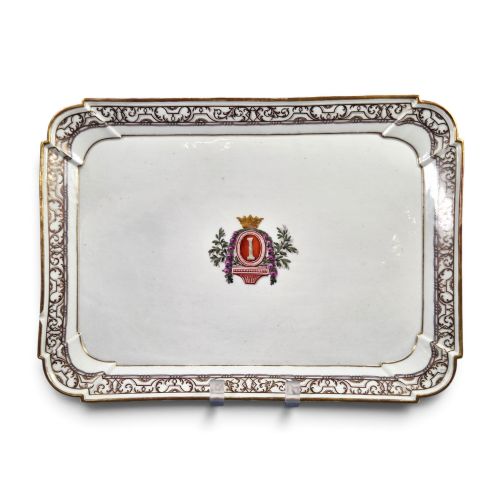
A painted serving tray functions as a portable surface for food and drink while doubling as a canvas for elaborate pictorial and decorative scenes. When exploring this selection, buyers encounter formats ranging from deep serving dishes and cabinet pieces to large display platters.
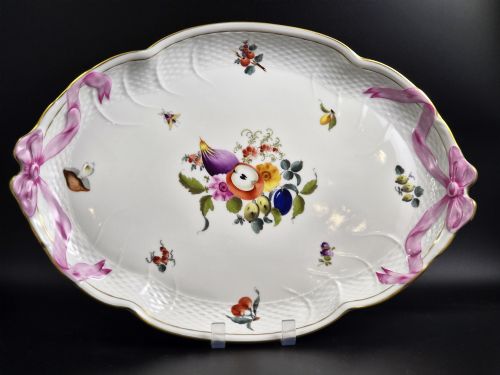
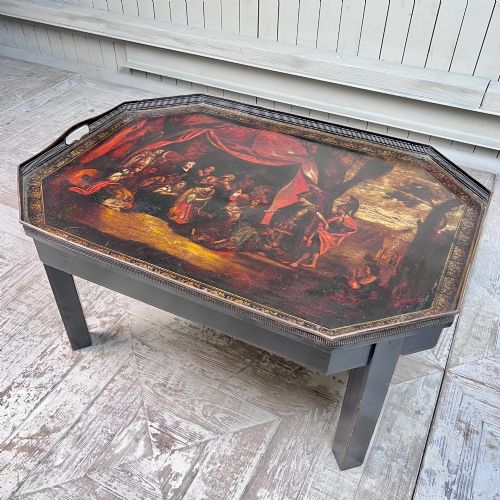
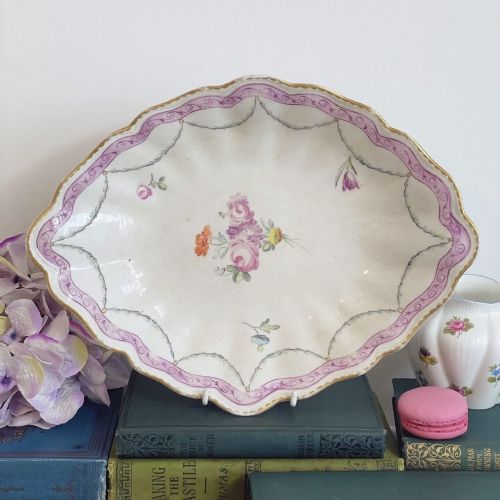
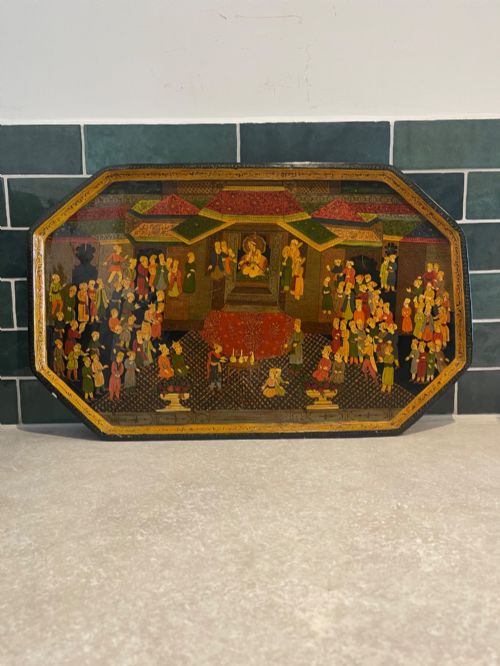
The objects span multiple eras, with pieces originating from Georgian, Regency, Victorian, and Edwardian periods. Common physical manifestations include octagonal toleware, lacquer finishes, and moulded porcelain shapes designed for both display and service.
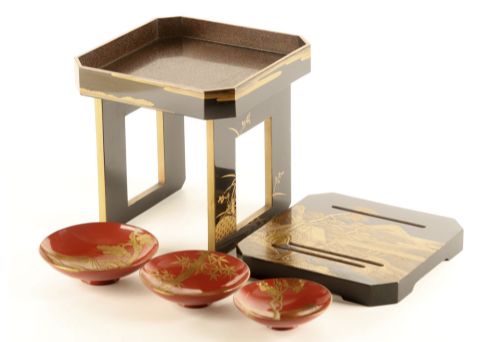
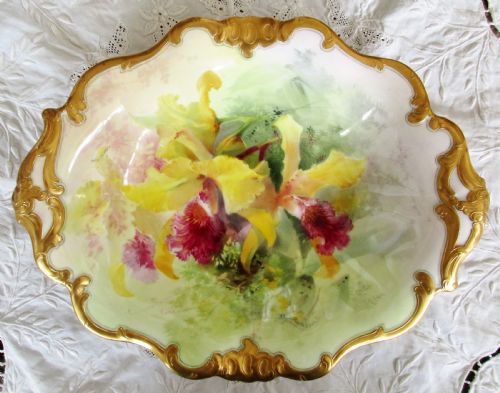
Origins vary widely across these items, incorporating English manufactories, continental European porcelain houses, and Asian export traditions. Papier-mâché and japanned surfaces appear frequently alongside hard-paste and soft-paste ceramic bodies.
How They Were Made
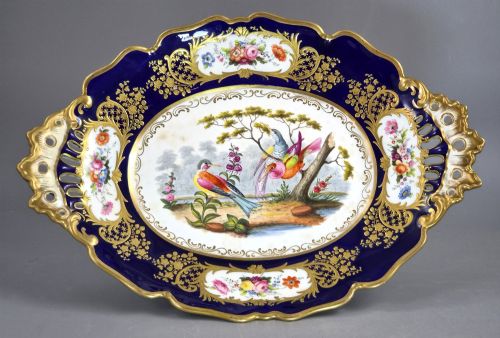
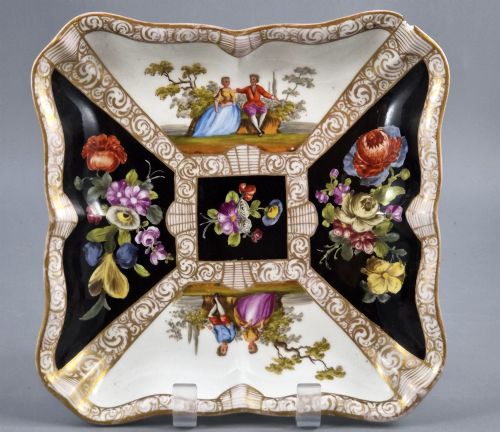
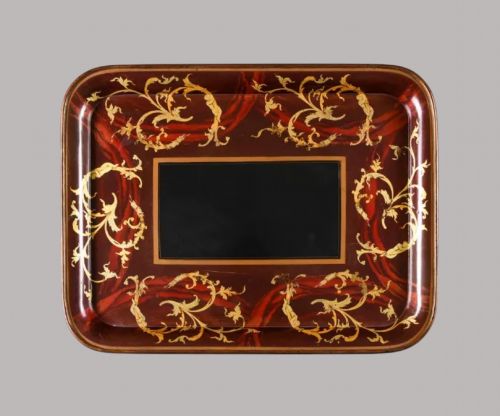
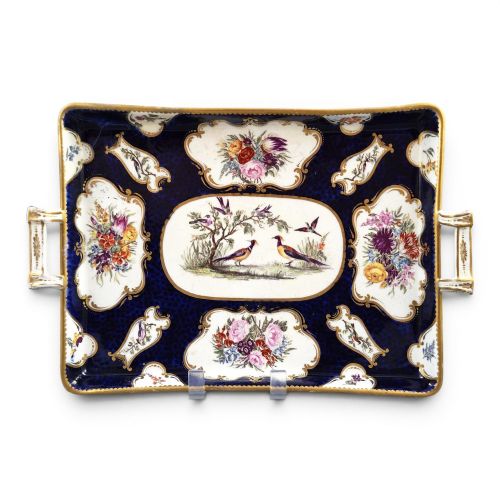
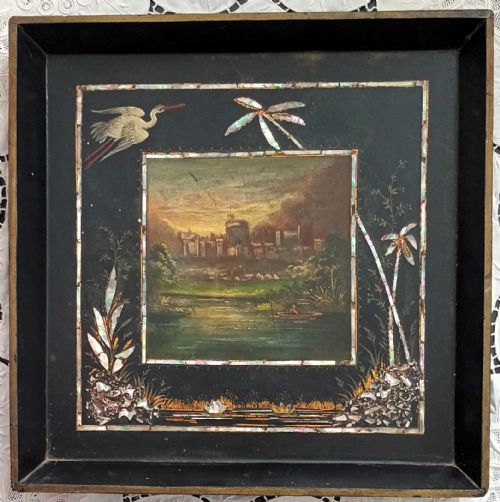
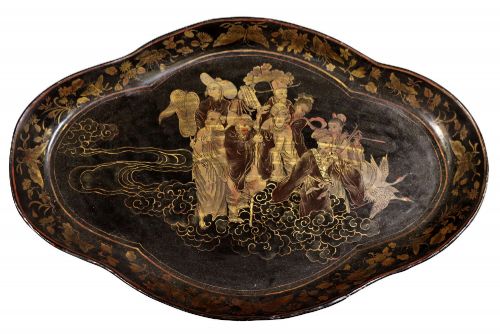
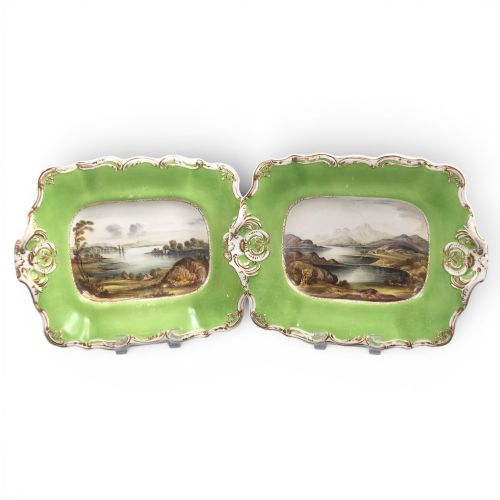
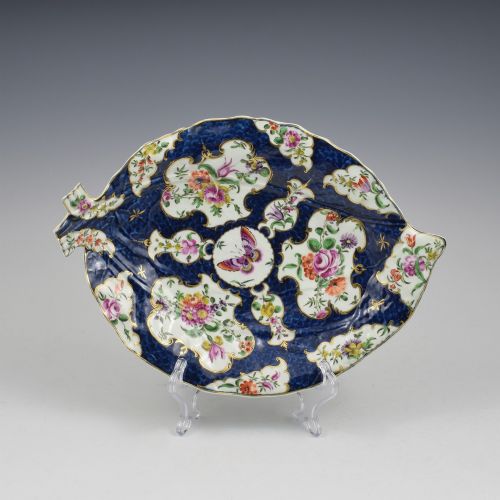
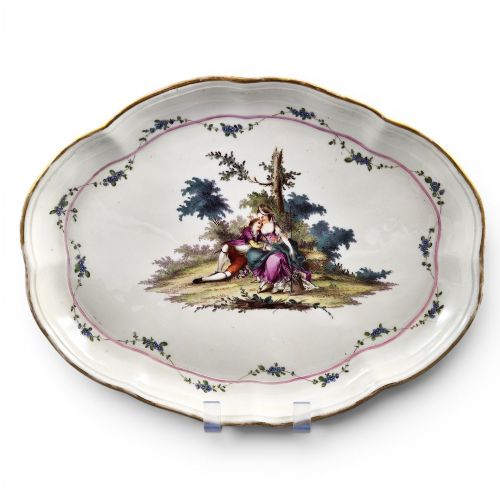
Makers shaped papier-mâché and toleware metal bases before applying layers of dark lacquer, japan, or paint, often finishing the surfaces with gold leaf and detailed gilding. Ceramic versions utilised porcelain bodies decorated with hand-painted polychrome pigments, cobalt blue underglazes, and enamel colours.
Techniques combined skilled metal japanning with miniaturist brushwork for subjects such as exotic birds, botanical studies, and classical narratives. Artisans secured these pigments through controlled kiln firings on ceramics or specialised drying processes on lacquered wood and metal.
One tray preserves the dramatic domestic strife of Esther accusing Haman on painted metal.
What Varies in Quality
The distinction between ordinary production and superior work rests on the execution of the hand-painted decoration, the crispness of moulded details, and the preservation of original gilding. Pieces bearing recognizable workshop signatures or attributed to prominent decorators demonstrate higher technical proficiency in their brushwork and surface preparation.
Structural integrity also dictates quality, visible in the stability of papier-mâché bases, the absence of extensive re-painting on metal toleware, and the purity of porcelain glazes free from heavy firing distortions.
Jennens & Bettridge·George Richmond Collis·David Dewsberry·Paul Müller Selb
The Painted Serving Tray Glossary
- Toleware
- Painted or lacquered sheet metal items, typically tinplate, produced extensively in Britain and France. These objects often mimic the decorative effects of oriental lacquer.
- Papier-mâché
- A composite material made from paper pulp or layers of paper pasted together, pressed in moulds, and treated with oil and tar to form rigid trays. It provides a lightweight yet durable base for fine painting and japanning.
- Japanning
- A European imitation of East Asian lacquerwork achieved through layers of varnish heated and polished to a hard, glossy finish. It is frequently seen on Georgian and Regency papier-mâché and metal trays.
- Chinoiserie
- The European interpretation and imitation of Chinese and East Asian artistic traditions, widely utilised in the decoration of trays and ceramics during the eighteenth and nineteenth centuries.
- Polychrome
- Multi-coloured decoration applied to ceramics, metal, or papier-mâché using various enamel or paint pigments.
Painted Serving Tray: Frequently Asked Questions
How were antique painted trays used?
These pieces served practical roles in domestic hospitality for carrying cups, glasses, and food items between rooms. They were also displayed on tables or mounted for visual appreciation when not in active service.
Larger formats functioned as tea trays or punch bowl bases, while smaller cabinet dishes remained strictly decorative.
How do I care for a papier-mâché tray?
Keep these items away from direct sunlight, excessive heat, and moisture to protect the delicate lacquer and paint layers. Dust gently with a dry, soft cloth rather than using liquid cleaning products.
Avoid placing hot vessels directly onto the surface to prevent thermal shock to the varnish and ground.
How can I tell a Regency tray apart?
Regency examples frequently feature japanned papier-mâché construction with classical motifs, Chinoiserie scenes, or gilt borders. They often display deep, lustrous black grounds characteristic of the early nineteenth century.
Form and weight help distinguish them, alongside the specific composition of the paper layers beneath the surface finish.
What is the difference between porcelain and toleware?
Porcelain items are ceramic pieces fired at high temperatures, offering a vitreous body suitable for detailed enamel painting and botanical studies. Toleware consists of painted sheet metal providing a durable, rigid alternative for large serving trays.
Both media carry painted scenes, but their weight, tactile qualities, and base materials differ entirely.