



Antique Display Tray
When you handle an antique display tray, you deal in portable timber, silver or brass surface-work that carries objects for service or holds them for viewing.
Antique Display Tray
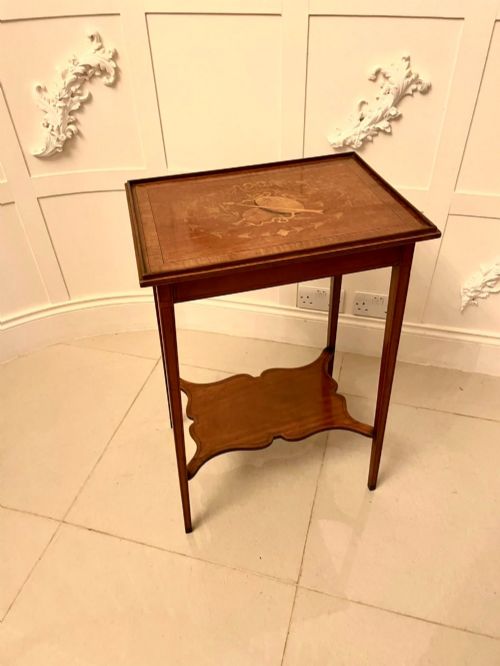
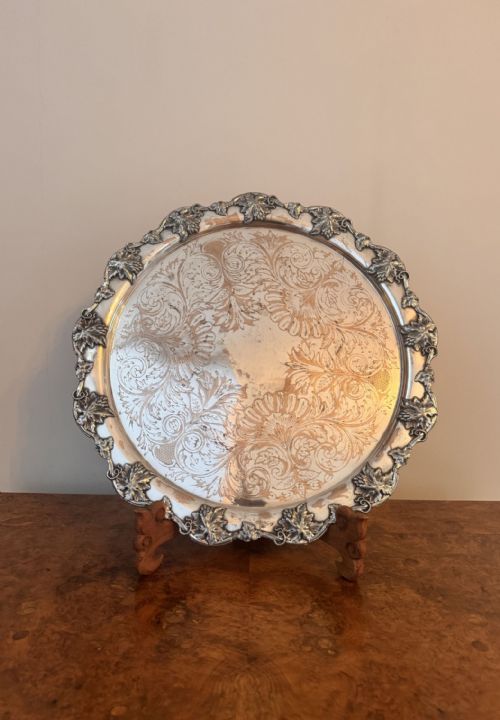
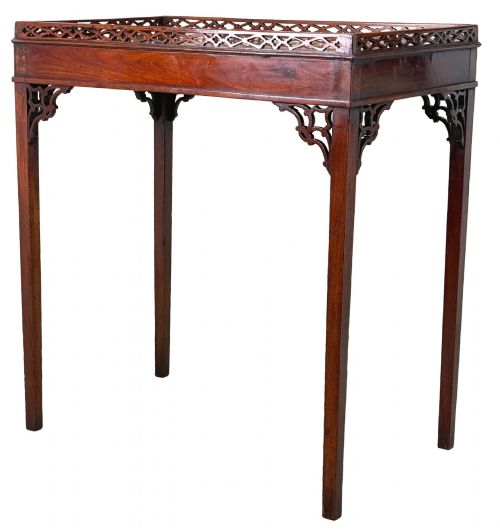
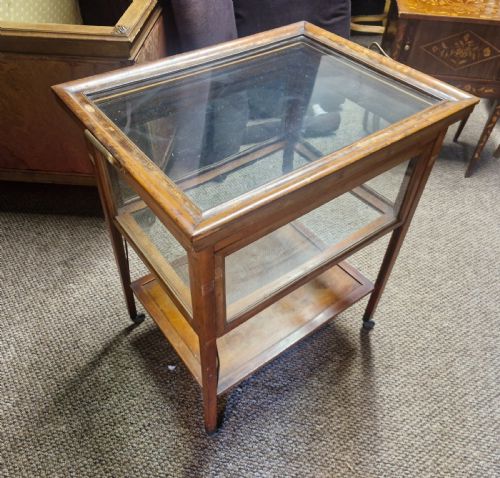
An antique display tray gathers small items on a firm surface, functioning either as a tabletop carrier or as an integrated top upon an etagere or display table. You encounter these most frequently in mahogany, satinwood or silver plate, alongside brass and copper pieces from the Victorian and Edwardian decades.
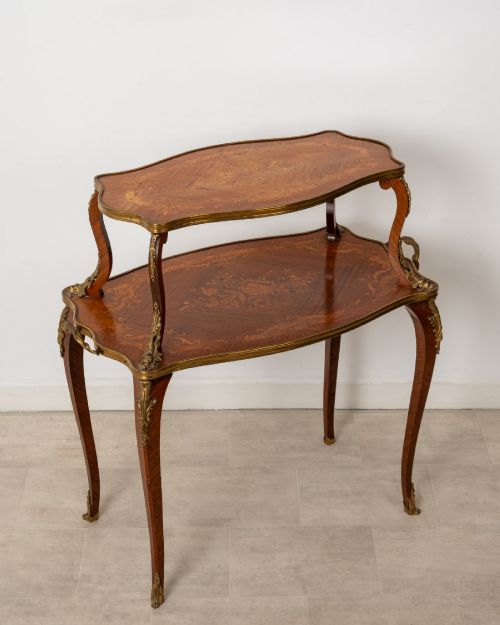
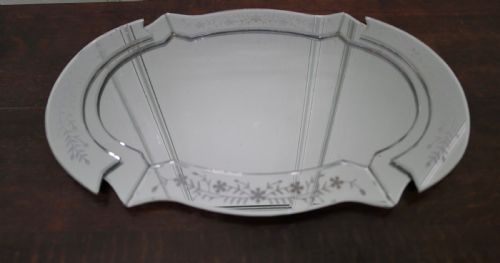
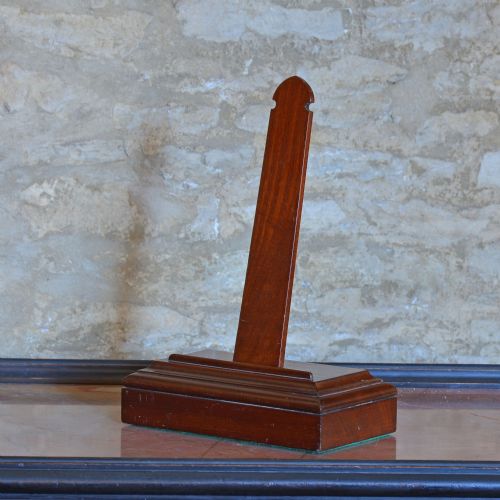
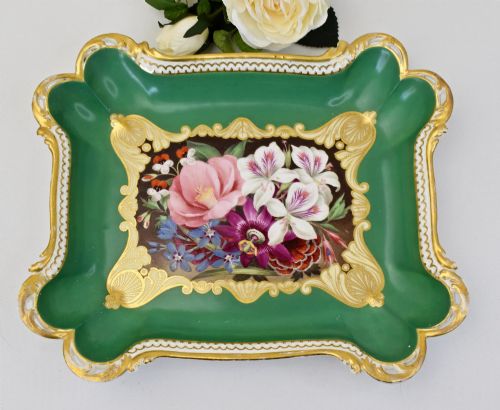
The form stretches from flat serving platters to raised edge trays and tiered display tables that elevate objects for inspection. Pieces range from simple mahogany tea trays with inlaid banding to elaborate mirrored plateau mirrors and etageres designed for stationary display.
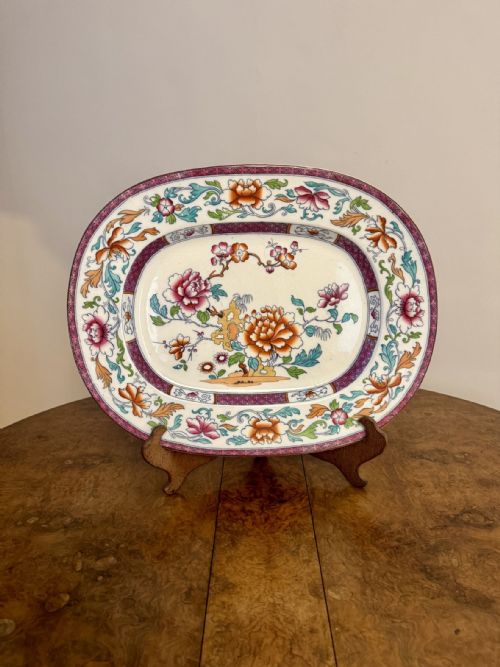
Makers shaped these items for both utility and presentation, adapting them to hold tea services, jewellery, porcelain dishes or decorative vessels. The surviving examples draw on Georgian cabinet-making traditions, Arts and Crafts metalwork and continental marquetry styles.
How they were made
Cabinet makers constructed timber trays using solid mahogany, walnut and kingwood, often applying satinwood stringing or pictorial marquetry to the flat surfaces. They integrated raised galleried edges or brass carrying handles to secure the contents during movement.
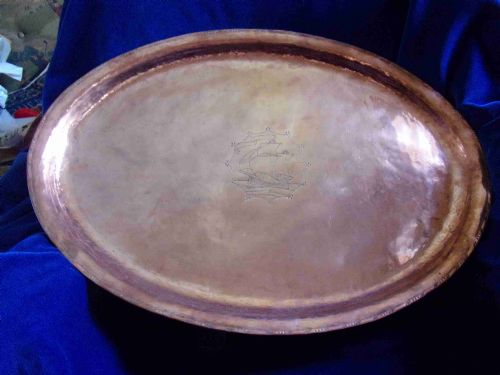
Metalworkers hammered and engraved copper, brass and pewter, particularly during the Arts and Crafts period, leaving tactile surface marks that contrast with smooth silver-plated chargers. Others cast bronze and brass into heavy platters or combined bevelled mirror glass with wooden frames.
The inventory records pieces spanning the Georgian period, the Victorian era, the Arts and Crafts movement and Art Deco.
What varies in quality
Quality rests upon the crispness of the timber joinery, the precision of satinwood inlay and the weight of the metal used in the gallery or handles. Superior examples maintain structural rigidity across wide timber boards without warping, whilst lesser pieces show fatigue at the corner joints.
Surface finish dictates distinction, separating factory silver plate from hand-hammered copper or finely polished kingwood marquetry. The depth of engraving and the clarity of mirror glass or porcelain plaques separate standard utility items from dedicated display pieces.
Doe and Rogers·Hugh Wallis·Jennens and Bettridge·Liberty and Co·Wemyss
The Antique Display Tray Glossary
- Étagere
- A set of open shelves or tiers used for displaying small objects or serving. These pieces often incorporate removable glass or wooden trays.
- Plateau mirror
- A mirrored tray or mirrored plateau placed in the centre of a table to reflect light and display silver, glass or porcelain centrepieces.
- Marquetry
- The art of applying pieces of veneer to a structure to form decorative patterns or pictures. Craftsmen used contrasting timbers like kingwood and satinwood.
- Gallery
- A raised miniature balustrade or railing running around the edge of a tray or table top. Its purpose is to prevent items from sliding off the surface.
Antique Display Tray: Frequently Asked Questions
What is an antique display tray?
An antique display tray is a portable or stationary surface fashioned from timber, metal or glass to hold and present objects. They range from simple tea trays to mirrored tabletops and tiered etageres.
These pieces served functional roles in domestic service as well as decorative roles for showcasing porcelain, silver and curiosities in reception rooms.
How do I date an antique tray?
Dating relies on identifying the primary materials, construction methods and stylistic motifs recorded in the piece. Georgian and Victorian examples favour solid mahogany and silver plate, while Edwardian pieces often introduce satinwood inlay.
Later pieces from the turn of the twentieth century show Arts and Crafts copper work or early twentieth-century Art Deco glass and mirror combinations.
How were display trays used?
They functioned primarily to transport tea, wine and food services across rooms or to anchor decorative arrangements upon occasional tables. Mirrored versions sat on dining tables to reflect candlelight and silver centrepieces.
In shops and parlours, specialised display stands elevated jewellery, coins and small plates for close inspection by collectors.
How do I care for wooden trays?
Maintain timber trays by keeping them away from direct heat sources and sudden humidity changes that cause wood to warp or veneer to lift. Dust them regularly with a dry lint-free cloth.
Apply a conservative amount of quality beeswax periodically to nourish polished mahogany, satinwood or walnut surfaces without building up heavy residues.