



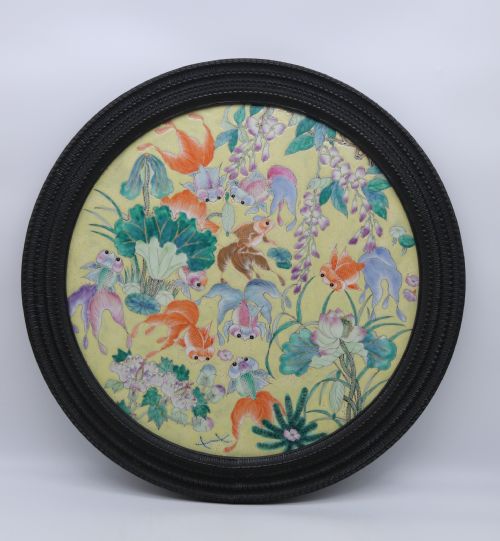


Painted Porcelain Plaque
When you examine a painted porcelain plaque, you find miniature canvases fired onto ceramic bodies, ranging from classical mythological scenes to botanical studies.
Painted Porcelain Plaque
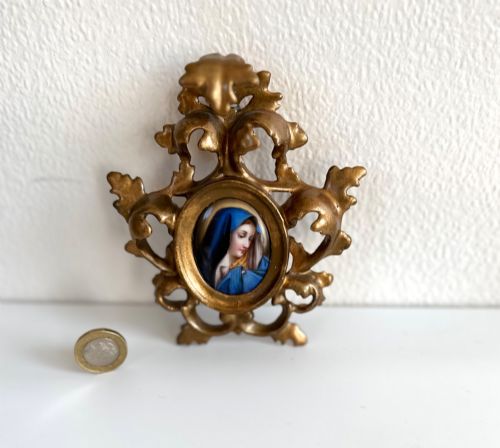
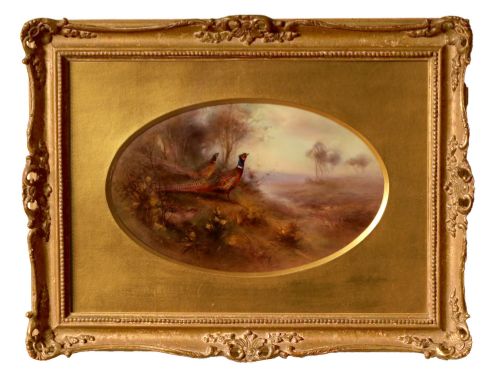
A painted porcelain plaque represents a specialised form of ceramic art designed primarily for wall hanging, framing, or mounting into furniture and decorative objects. These pieces function as independent artworks on porcelain surfaces, depicting everything from portraits of saints and literary figures to pastoral landscapes.
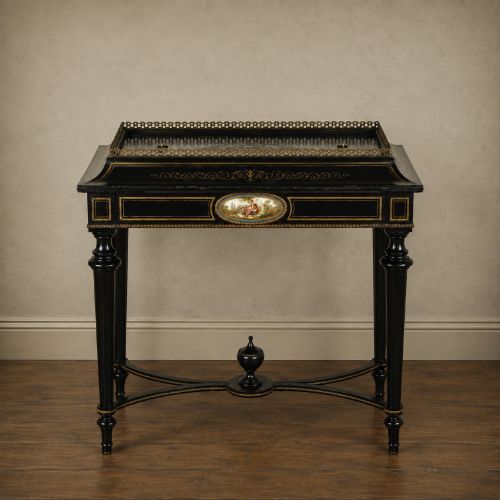
The versions most commonly met on this page date from the nineteenth century, reflecting Victorian and Edwardian tastes alongside continental European production. They appear as standalone framed panels, cabinet plates, or inset elements within clocks, tables, and boxes.
Originating from major European factories such as KPM Berlin, Vienna, and Sevres, alongside English manufacturers like Royal Worcester, these items capture detailed academic painting techniques executed on glazed porcelain substrates. Later examples extend into the twentieth century with Chinese panels and Japanese decorative plates.
How They Were Made
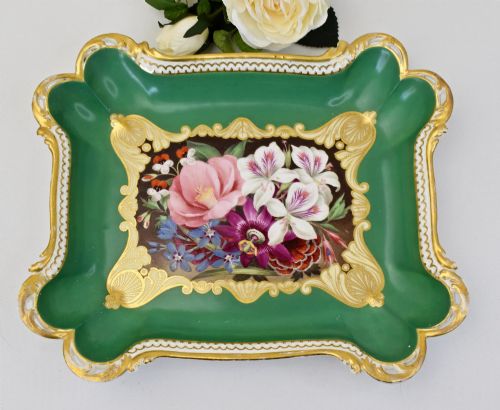
Makers utilised fine white porcelain blanks, applying enamel pigments mixed with oils before subjecting the pieces to high-temperature kiln firings to fuse the colours permanently to the glaze. Artists built up designs through multiple layers, often adding gold leaf and gilding to border the painted central subject.
Many superior works involved miniature painting after Renaissance masters or original compositions by notable porcelain painters, requiring steady brushwork and precise temperature control during firing. Completed plaques were frequently mounted into giltwood frames, carved wooden settings, or integrated directly into brass and ormolu furniture mounts.
Continental European pieces frequently depict elaborate literary and mythological narratives drawn from classical history.
What Varies in Quality
The skill of the painting forms the primary distinction between ordinary production and exceptional work, particularly evident in the rendering of facial expressions, drapery, and fine detail. Plaques bearing signatures of known factory artists or direct copies of master paintings demonstrate superior academic training and precision.
The physical mounting and framing also indicate grade, with heavy hand-carved giltwood frames, ormolu mounts, or integration into quality furniture pieces like Kingwood cabinets and burr walnut boxes pointing to higher original status. The purity of the porcelain blank and the evenness of the glaze further separate basic decorative plates from exhibition-standard panels.
Royal Bonn·James Stinton·Doe and Rogers·Royal Worcester·Stinton·KPM·Royal Vienna·Wagner·Baldwyn·Richard Sebright·H. Desprez·Roger Shufflebotham·George Richmond Collis·R. Dittrich
The Painted Porcelain Plaque Glossary
- Cabinet plate
- A decorative ceramic plate intended for display in a cabinet or on a wall rather than for dining use. These often feature elaborate painted scenes covering the entire surface.
- Enamel
- Vitreous pigments applied to the porcelain surface and fired in a kiln to achieve permanent colouration. These materials provide the rich palette seen in portrait and landscape miniatures.
- Gilding
- The application of gold leaf or powdered gold to ceramic edges and frames. This technique enhances the decorative framework surrounding the central painted image.
- Imari
- A style of Japanese export porcelain characterised by underglaze blue, iron red, and gilt detailing. Pieces in this tradition often form large chargers and decorative plates.
- Ormolu
- Cast brass that has been finished with a gold-wash or mercury gilding. It frequently appears as ornamental mounts framing antique porcelain plaques on furniture and clocks.
Painted Porcelain Plaque: Frequently Asked Questions
How were painted porcelain plaques displayed?
These pieces were frequently framed in wood, giltwood, or metal to hang directly on walls as independent works of art. Others were integrated into the design of larger furnishings, appearing mounted on cabinets, clocks, tables, and jewellery boxes.
Smaller examples were also set into trays, trinket boxes, and pendant brooches, allowing the painted miniature to be viewed closely or carried.
What subjects appear on these plaques?
The imagery spans classical mythology, religious scenes, literary narratives, and portraits after Renaissance masters like Raphael and Titian. Botanical studies, still lifes, and landscapes also feature prominently across different periods.
European factories frequently reproduced famous paintings in miniature, while Asian examples showcased aquatic scenes and traditional figurative motifs.
How do I distinguish German and Viennese plaques?
German plaques, particularly those from the KPM factory in Berlin, often display impressed factory marks and cipher stamps alongside meticulous academic painting. Vienna plaques typically feature distinct blue beehive or shield marks on the reverse and frequently illustrate classical or mythological titles.
Both traditions relied on skilled artists who signed their miniature compositions on the front or back of the porcelain panel.
Can these plaques be removed from their frames?
Most plaques fit snugly within custom wooden or metal frames, secured by backing boards, clips, or plaster compounds. Removing them risks damaging the fragile porcelain edges or the historical framing elements.
Leaving the piece undisturbed within its original housing preserves the structural integrity and the historical context of the mounting.