


Porcelain Still Life
Porcelain still life pieces bring hand-painted fruit and floral scenes into interiors, offering detailed artistry on plates, plaques, and vases.
Porcelain Still Life
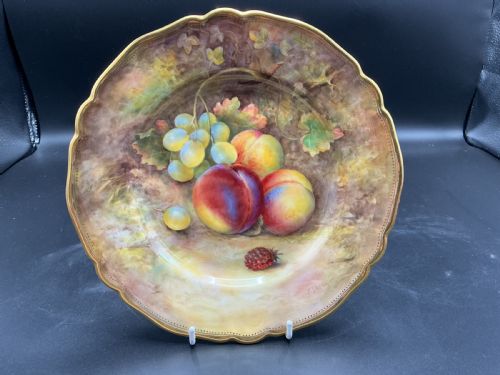
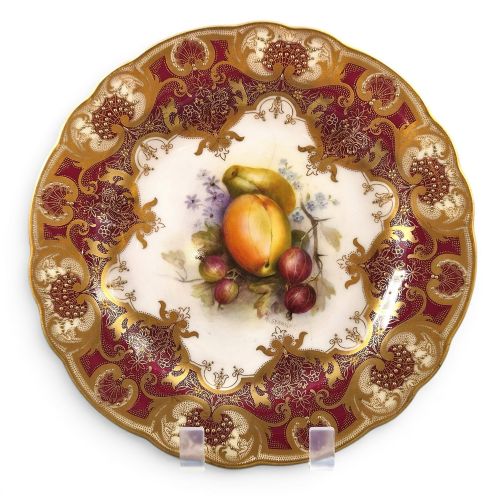
When you search for porcelain still life, you find hand-painted cabinet plates, decorative plates, cream jugs, vases, and oil paintings on porcelain panels. These works capture rendered fruit and floral arrangements with meticulous brushwork.
The selection on this page leans heavily toward English porcelain, spanning the nineteenth century, the Edwardian era, and the mid-twentieth century. Works by notable painters sit alongside traditional English cabinet pieces.
Forms range from rope-edge dinner plates and two-handled vases to framed oil paintings on porcelain panels. Buyers encounter both single decorative objects and matched pairs.
How they were made
Makers utilised fine porcelain as the base for delicate enamel pigments and oil paints, often enhanced with gold leaf, gilding, or gilt accents. Artisans painted detailed studies of fruit and flowers directly onto the glazed ceramic surface.
Many items incorporate traditional framing or mounting in wood, while ceramic forms utilise shaped edges like rope designs and moulded handles. Pieces required careful kiln firing to set the enamel colours permanently.
Listings include items from the nineteenth century, Edwardian era, and the decades up to 1960, featuring porcelain, oil paint, and gold leaf.
What varies in quality
The distinction between standard production and top-tier work rests on the skill of the named artist and the complexity of the painted subject. Signed works by recognised painters command greater attention for their precision and depth of colour.
Subtlety in shading, the realism of the fruit or floral arrangement, and the integration of gilding differentiate exceptional cabinet pieces from simpler decorative items.
Royal Worcester·Richard Sebright·J Smith·Ayrton·Richard Budd·William Rayworth·E Cremer·Herbert Davis Richter·Roger Shufflebotham
The Porcelain Still Life Glossary
- Cabinet plate
- A decorative ceramic plate intended for display in a cabinet or on a wall rather than for dining. These often feature elaborate hand-painted scenes.
- Gilding
- The application of gold leaf or gilt powder to ceramic surfaces or frames. This technique highlights edges and adds decorative contrast.
- Enamel pigment
- Coloured glass powder fused to porcelain during firing to create permanent, vibrant artwork. It allows for fine detail in floral and fruit subjects.
- Porcelain panel
- A flat ceramic tile used as a rigid support for oil paintings. It provides a smooth, non-porous ground for detailed brushwork.
Porcelain Still Life: Frequently Asked Questions
What is a porcelain still life?
A porcelain still life is a hand-painted artwork depicting arrangements of fruit, flowers, or objects on a ceramic base. These include cabinet plates, vases, and oil paintings on porcelain panels.
Artists used enamel pigments and oil paints to create detailed scenes, often finished with gilt or gold leaf. These pieces were created for display rather than everyday use.
How do I display a cabinet plate?
Cabinet plates are designed for display in glass-fronted cabinets, on plate stands, or mounted securely on walls. Their painted surfaces benefit from placement away from direct, harsh sunlight.
Because these items feature delicate enamel work and gilding, gentle dusting with a soft brush is the best method for maintenance.
Are these pieces signed by artists?
Many porcelain still life items bear the signature or initials of the artist who painted the subject. Signatures by notable painters add significant interest to cabinet plates and vases.
Factory marks on the reverse of plates often provide additional context regarding the date of manufacture and the producing pottery.
What periods do these pieces cover?
The pieces span the nineteenth century, the Edwardian period, and the twentieth century up to the 1960s. Victorian and Edwardian examples often feature traditional English floral and fruit compositions.
Mid-century works continue the tradition of detailed botanical and fruit painting on standard ceramic blanks.