





Porcelain Panel Painting
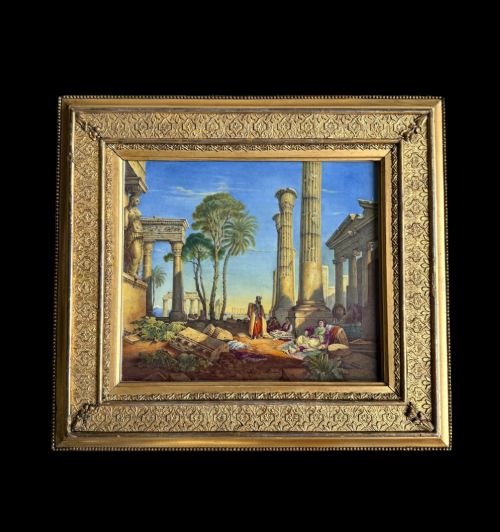
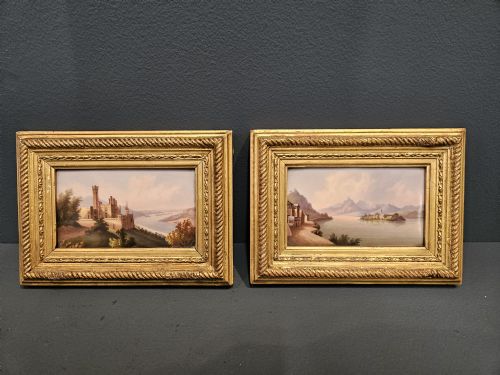
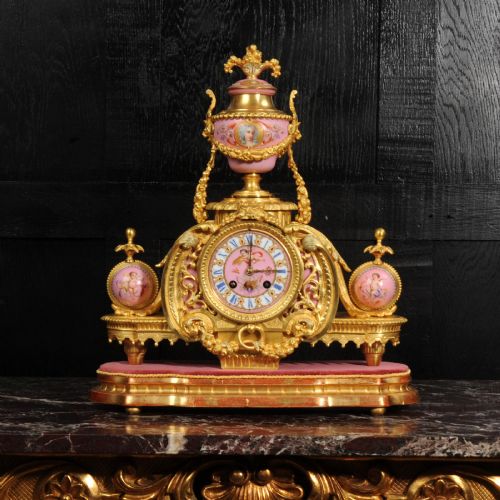
Porcelain panel painting brings together fine ceramic glazing and detailed miniature art, offering decorative scenes inset into clocks, vases and plaques.
Porcelain Panel Painting
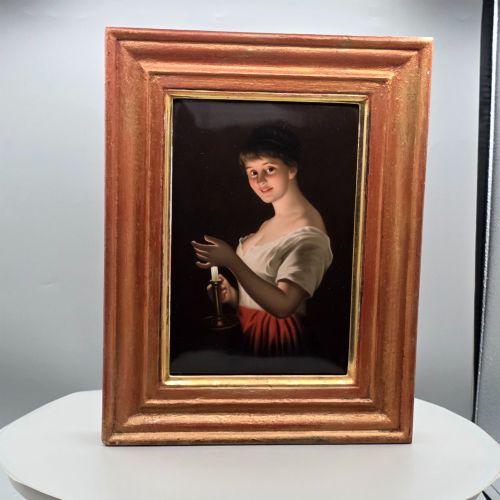
A porcelain panel painting combines ceramic plaques with artistic scenes, appearing across various decorative objects such as wall art, framed panels, portrait plaques and mounted clocks.
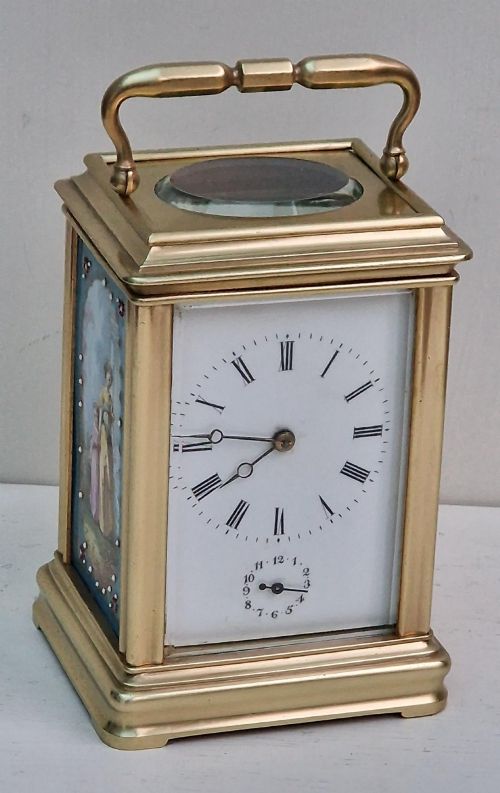
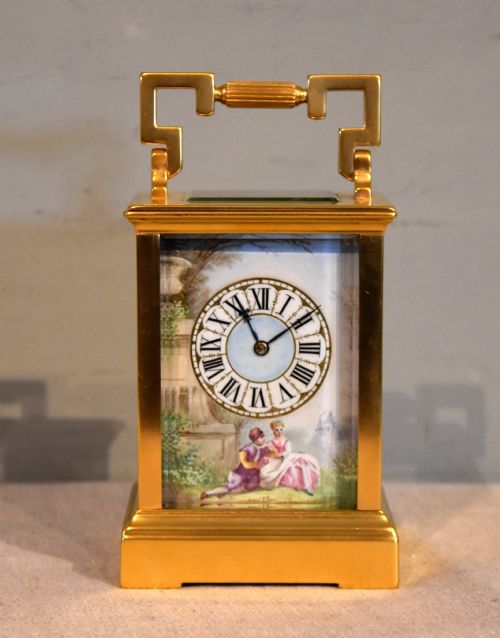
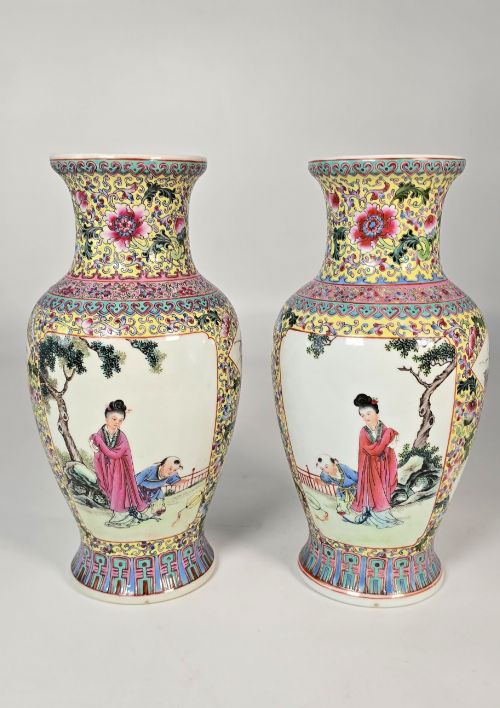
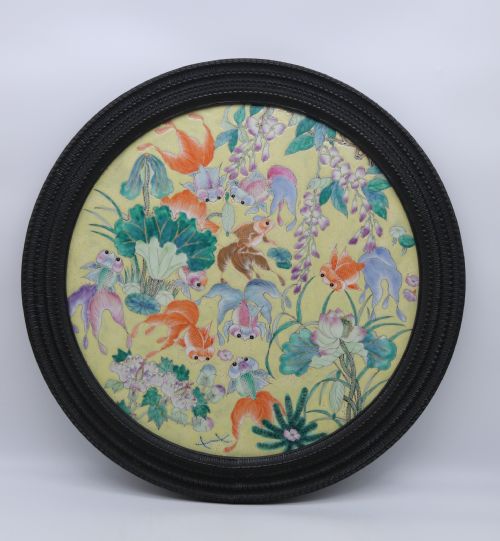
Buyers meet examples ranging from nineteenth-century French mantel clocks mounted with painted plaques to Chinese Republican period porcelain panels and English porcelain wares with scenic panels.
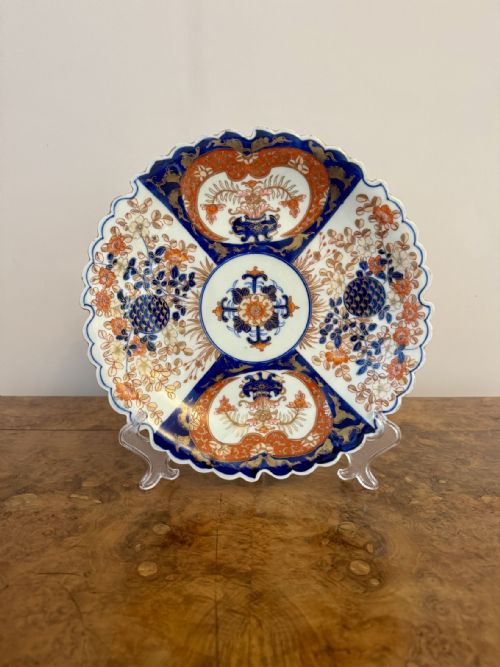
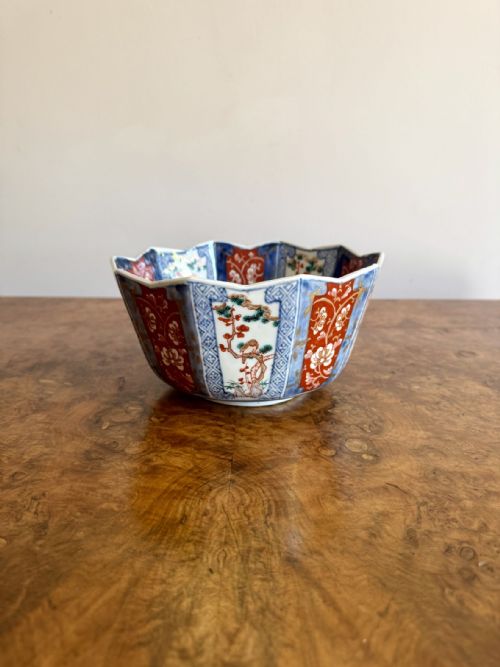
The selection includes Japanese Imari vases and plates featuring geometric inset panels, alongside portrait plaques and still life works painted directly onto ceramic surfaces.
Materials and construction
Makers utilised soft-paste and hard-paste porcelain bases, applying detailed enamel pigments and glaze before firing the ceramic panels at high temperatures to fix the colours.
Many painted panels received decorative framing in ormolu, gilt bronze, gold leaf or velvet mounts, while others were integrated directly into the bodies of clocks, vases and teapots.
Listings feature items from the eighteenth, nineteenth and early twentieth centuries, including Georgian and Meiji period examples.
Assessing quality in painted panels
The precision of the brushwork defines the superior examples, where hand-painted details in portraits, landscapes or aquatic scenes display fine control and depth.
Integration between the ceramic panel and its mount demonstrates higher craftsmanship, particularly in ormolu clocks and gilt frames where every element fits securely.
Achille Brocot·Stinton·William Rayworth·JP Delettrez
The Porcelain Panel Painting Glossary
- Soft-paste porcelain
- An early ceramic composition fired at lower temperatures, often used by eighteenth-century English factories like Derby and Philip Christian.
- Ormolu
- Gilded bronze mounts and decorative frames applied to French clocks and porcelain pieces during the nineteenth century.
- Imari
- A Japanese ceramic style featuring distinct blue, iron red and gilt decoration, frequently arranged within panels.
- Enamel
- Vitreous pigments fused to the porcelain surface through kiln firing to create permanent painted imagery.
Porcelain Panel Painting: Frequently Asked Questions
What is a porcelain panel painting?
It is an artwork or decorative element where a scene is painted onto a ceramic plaque, often integrated into furniture, clocks, or framed as wall art.
These pieces combine ceramic manufacturing techniques with miniature fine art traditions.
How were these painted panels used?
They served as decorative insets for French mantel clocks, standalone portrait plaques, framed wall art, and decorative panels on vases and teapots.
Makers incorporated them to add colour, narrative scenes, and luxurious detail to functional objects.
How do I care for a porcelain panel?
Keep the pieces away from direct sunlight and dust them gently with a soft, dry cloth to protect both the glaze and any surrounding gilt mounts.
Avoid liquid cleaners, particularly on antique ormolu and delicate enamel surfaces.
How can I tell the period of a piece?
Examine the mounting style, the formulation of the porcelain body, and the subject matter, such as nineteenth-century French ormolu or Chinese Republican period designs.
Signatures from makers or artists inscribed on the panels also help narrow down the date of creation.