


Painted Porcelain Milk Jug
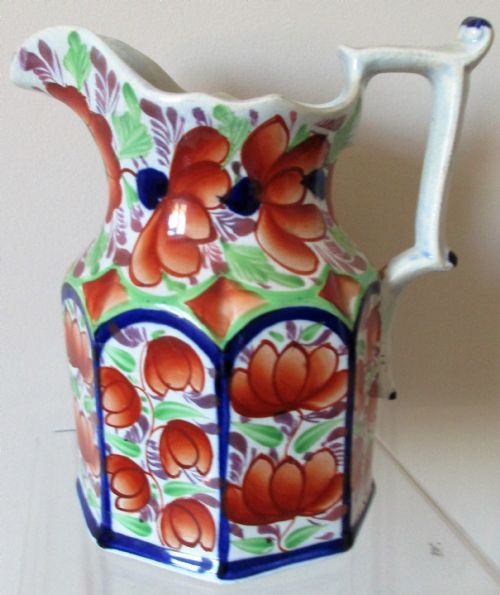
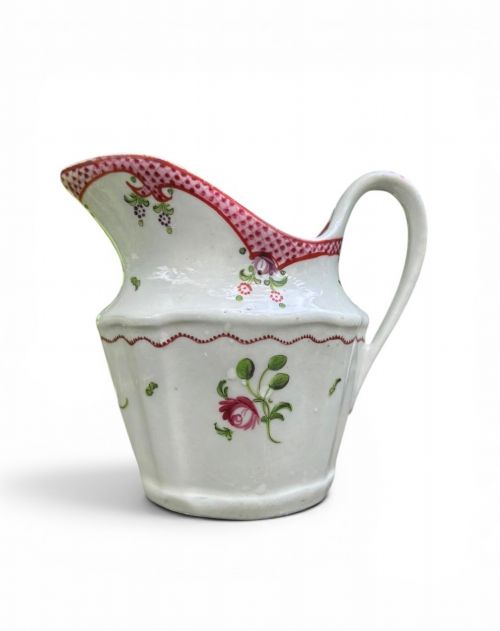
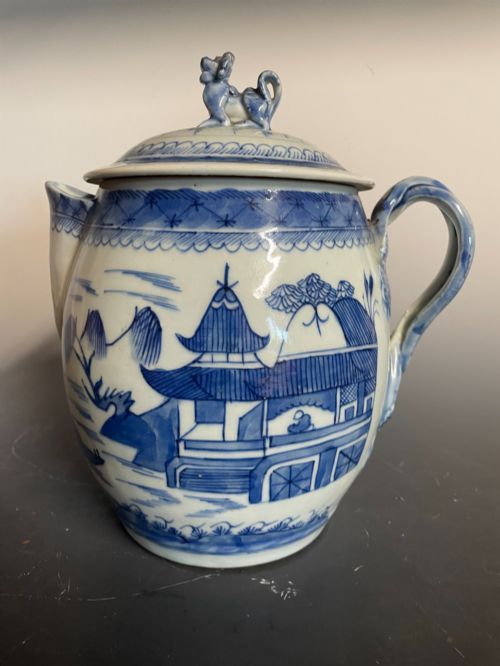
These painted porcelain milk jug examples are small domestic vessels finished with hand-painted details, selected here for their decorative appeal and historical variety.
Painted Porcelain Milk Jug
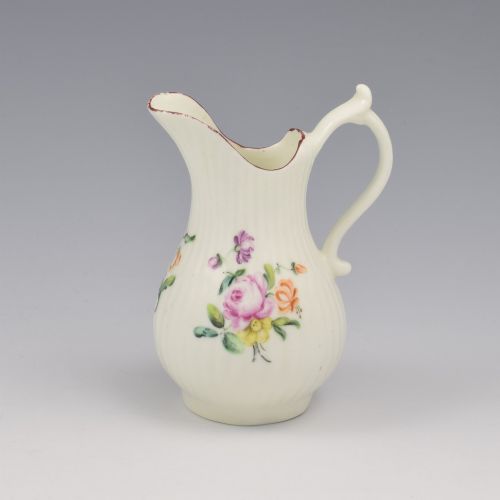
A painted porcelain milk jug is a small serving vessel used for dairy at the tea or breakfast table, appearing in forms such as sparrowbeak creamers, low Chelsea ewers, and fluted baluster jugs. When searching for a painted porcelain milk jug, buyers encounter domestic tableware originating from eighteenth-century factories through to twentieth-century makers.
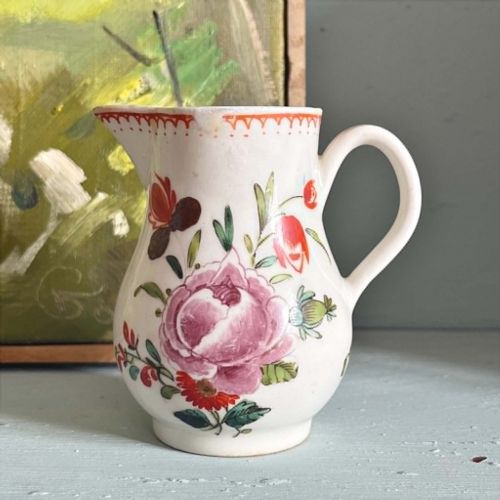
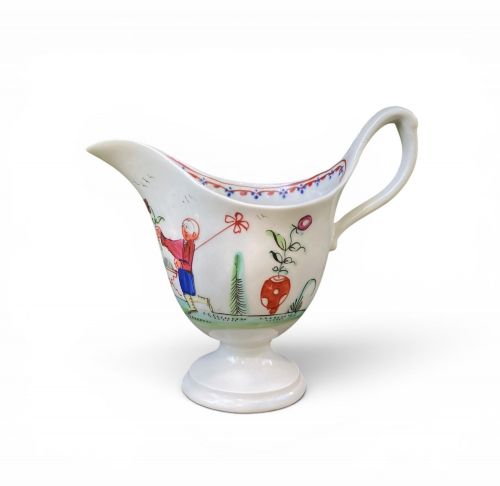
The pieces listed here span the eighteenth, nineteenth, and early twentieth centuries, featuring domestic English and continental porcelain alongside Chinese export wares. Most examples reflect traditional forms like clip-handled creamers and rope-edge jugs, decorated with floral motifs, landscapes, birds, or armorial crests.
Materials and Methods
Potters shaped these vessels using porcelain, soft-paste porcelain, and earthenware bodies, often formed into ribbed, fluted, or boat-shaped profiles. Early works rely on soft-paste bodies which yield a warm, creamy translucence under the glaze.
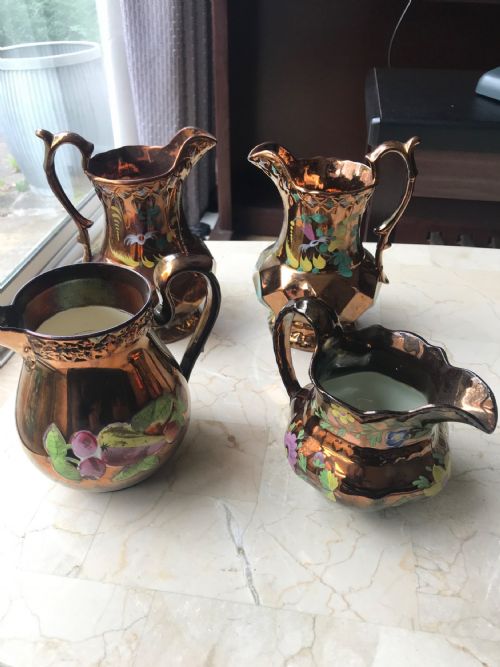
Decoration is applied through hand-painted polychrome enamel pigments, sometimes supplemented by gold leaf, copper lustre, or gilding. Enamel glaze seals the painted surfaces, fixing the pigments during a secondary kiln firing.
Materials recorded across the inventory include porcelain, soft-paste porcelain, earthenware, enamel, gold leaf, and gilding.
Assessing Quality and Execution
Quality rests in the crispness of the porcelain body and the precision of the hand-painted decoration. Finer examples display delicately rendered botanical studies, hand-painted birds, or armorial crests executed by skilled decorators.
The handling of the clay body also distinguishes the output, seen in thin-walled potting, well-defined spouts like the sparrowbeak, and neatly applied handles. Early soft-paste bodies and named factory pieces generally command greater interest from collectors.
Derby Porcelain·Bow porcelain·New Hall porcelain·Staffordshire·Meissen·H & R Daniel·Royal Worcester·Chamberlain Worcester·John Rose Coalport·Rockingham Porcelain·Crown Derby
The Painted Porcelain Milk Jug Glossary
- Sparrowbeak
- A small, pinched-lip cream jug with a beak-like spout characteristic of eighteenth-century porcelain production. This shape allows for a controlled pour.
- Soft-paste porcelain
- An artificial porcelain composition fired at lower temperatures than hard paste, popular in eighteenth-century English factories. It exhibits a distinctive warm tone under the glaze.
- Armorial
- A ceramic decorated with a family crest, coat of arms, or heraldic insignia. These were typically commissioned by landed families.
- Copper lustre
- A metallic glaze technique producing a reflective, copper-hued surface finish. It appears frequently on nineteenth-century earthenware and porcelain.
- Polychrome
- Painted or printed in several colours. This term describes ceramics featuring multi-coloured enamel designs.
Painted Porcelain Milk Jug: Frequently Asked Questions
What is a sparrowbeak jug?
A sparrowbeak jug is an eighteenth-century cream jug featuring a narrow, pointed spout resembling a bird's beak. These small vessels were designed for pouring cream at the tea table.
They appear in early porcelain bodies from factories such as Bow and Chinese export porcelain. Their diminutive size makes them distinct from larger water or milk pitchers.
How do I date an antique milk jug?
Dating relies on examining the porcelain body, glaze characteristics, shape, and painted decoration. Eighteenth-century pieces often use soft-paste porcelain with hand-painted polychrome floral sprays.
Later nineteenth and twentieth-century examples shift towards harder porcelain bodies and varied decorative styles such as copper lustre or hand-painted fruit. Maker marks and pattern numbers also provide chronological clues.
Were these jugs used for milk or cream?
Historical records and contemporary terminology use milk jug, cream jug, and creamer interchangeably for these small vessels. They served to hold dairy accompaniments for tea and coffee service.
Capacities varied from tiny individual creamers to larger jugs intended for family gatherings. Some matched sugar bowls in a set.
What is soft-paste porcelain?
Soft-paste porcelain is an artificial ceramic paste developed by European factories before the discovery of true hard-paste porcelain recipes. It combines white clay with glass frit and other materials.
When held to the light, soft-paste bodies often display a warmer, slightly translucent quality. They were widely utilised by eighteenth-century English potteries.
How should I display porcelain jugs?
Porcelain jugs can be displayed on stable flat surfaces away from direct sunlight and heavy foot traffic. Open shelving or glass-fronted cabinets keep the pieces secure while allowing their painted details to remain visible.
Ensure jugs are placed with adequate space between items to highlight their varied forms and handle designs.