
Painted Porcelain Cabinet Plate
A painted porcelain cabinet plate brings vibrant hand-painted artistry and fine ceramics directly into a room for display rather than dining.
Painted Porcelain Cabinet Plate
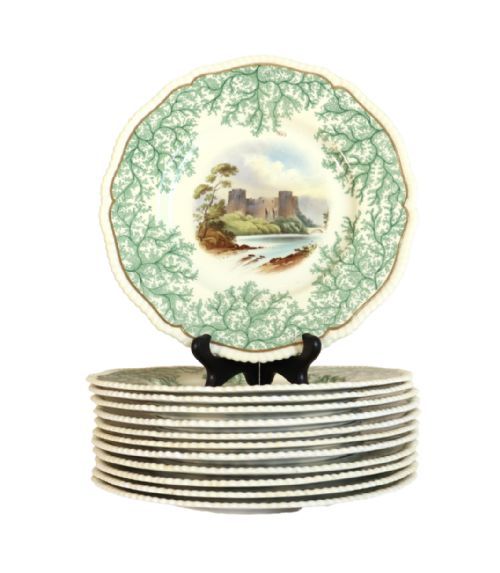
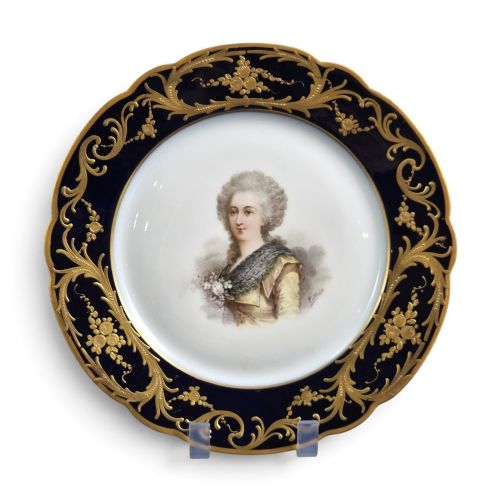
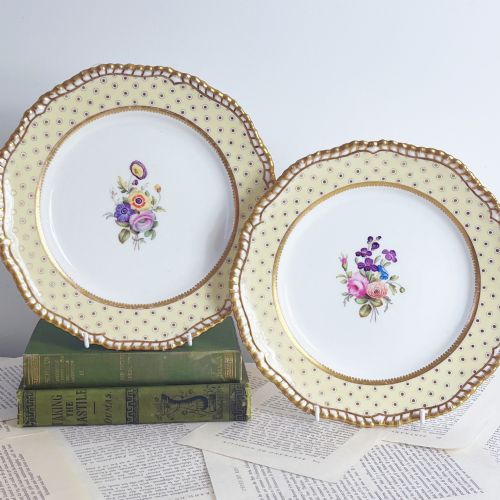
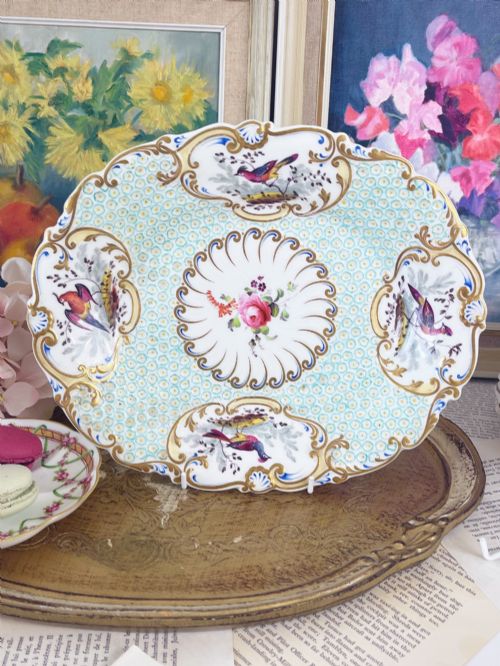
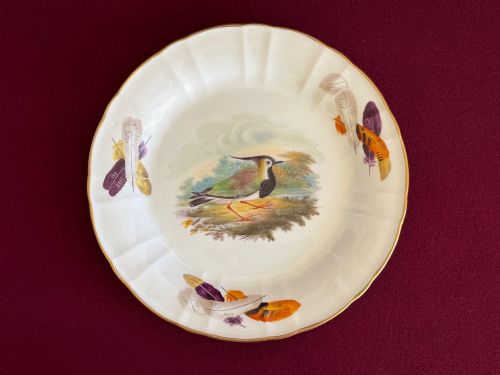
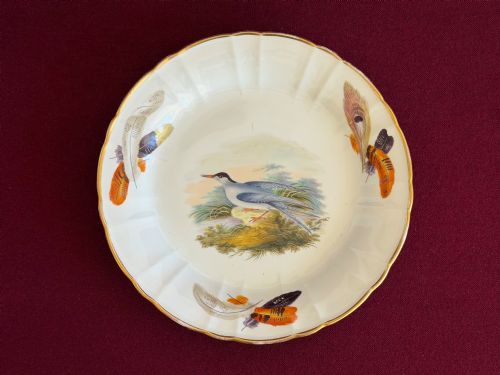
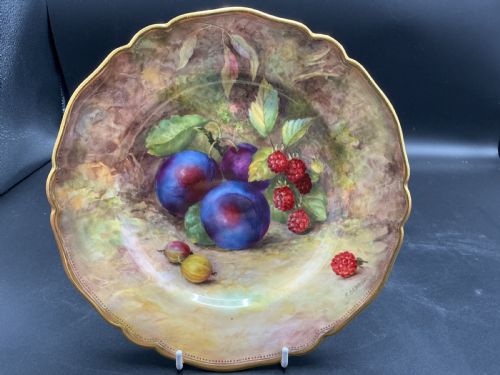
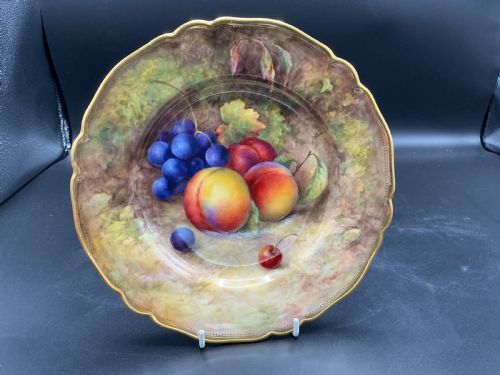
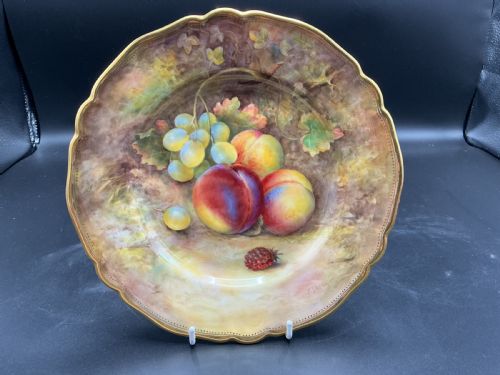
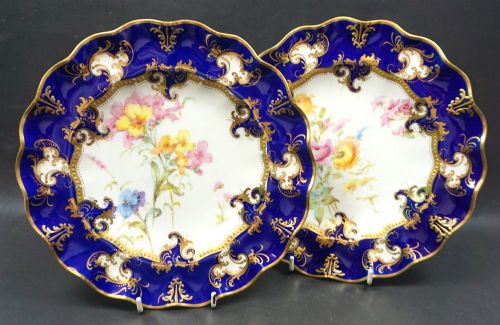
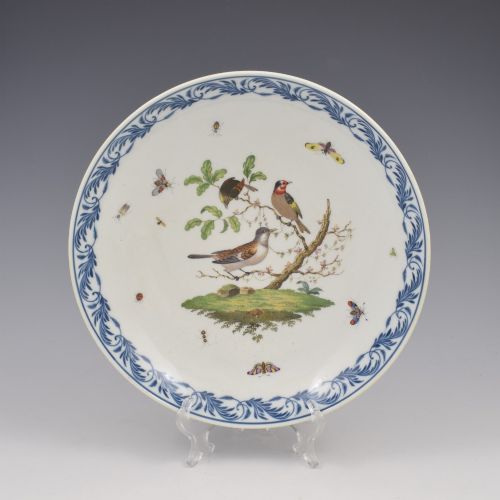
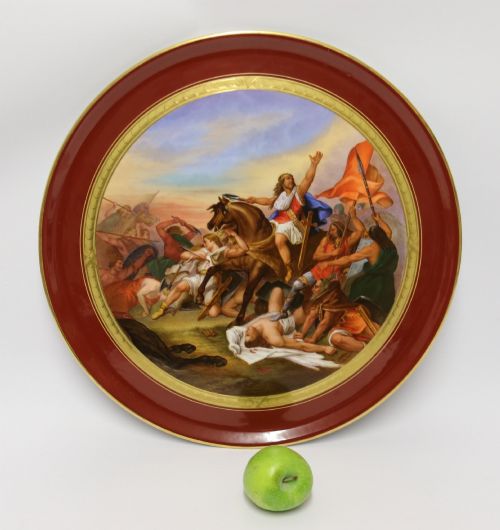
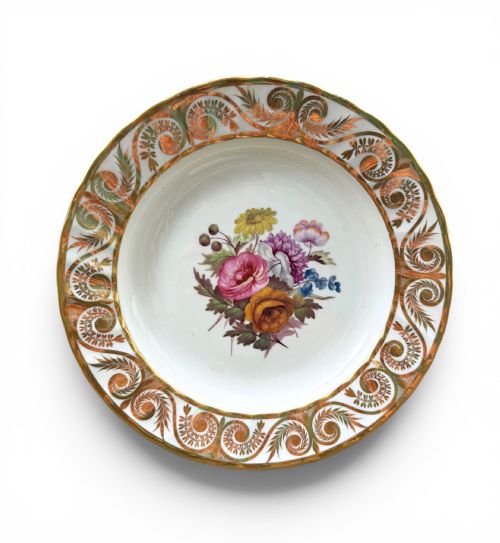
When you search for a painted porcelain cabinet plate, you encounter decorative ceramics created primarily for visual display rather than daily dining use. The versions met most frequently on this page span the eighteenth, nineteenth, and early twentieth centuries, featuring hand-painted botanical studies, ornithological scenes, portraits, and landscapes.
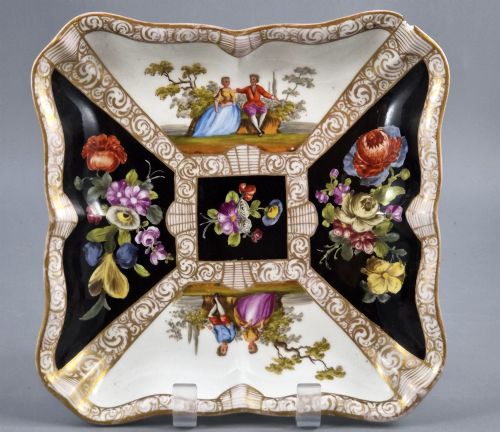
Makers across England and continental Europe produced these items in varied forms, including dessert plates, chargers, and oval serving dishes. Works range from English bone china and ironstone to soft-paste French porcelain and hard-paste Meissen wares.
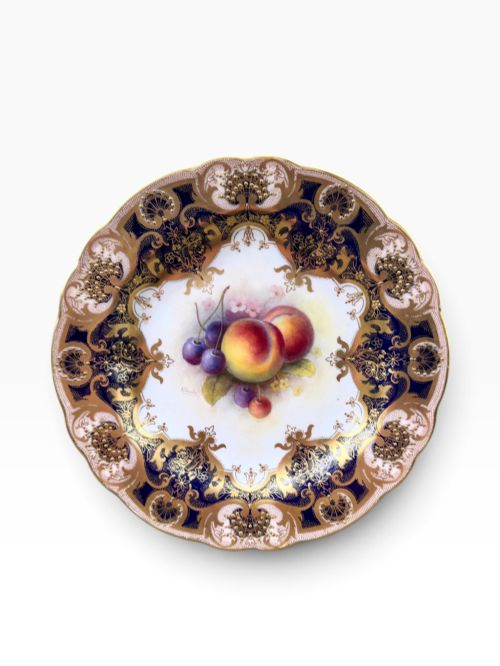
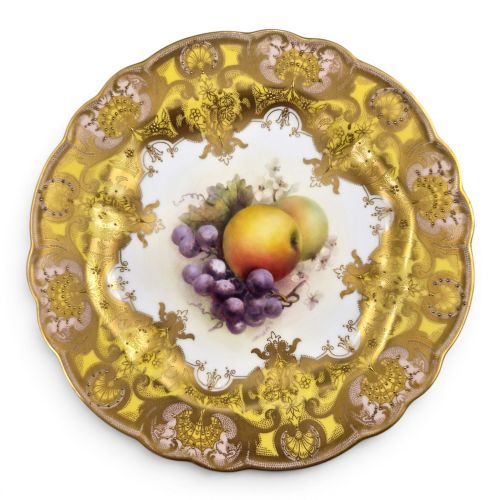
Styles mirror the shifting tastes of their periods, moving from Georgian and Regency armorial designs to Victorian floral compositions and Edwardian fruit studies. Collectors find both individual statement pieces and matched sets originating from prominent houses.
How they were made
Potters shaped fine porcelain, bone china, or soft-paste bodies before applying initial glazes and firing the clay in kilns to achieve a durable base. Artisans then hand-painted detailed subjects directly onto the ceramic surface using specialised enamel pigments.
Gilding with gold leaf or liquid gold was frequently added to borders, rims, and motifs, requiring additional low-temperature firings to bond the metallic finish. Skilled painters signed their work on botanical, fruit, and portrait compositions, marking individual artistic execution.
Some Victorian birds peer out from porcelain borders with remarkably stern expressions, as if judging the cleanliness of the drawing room.
What varies in quality
The distinction between standard commercial wares and exceptional pieces rests upon the execution of the hand-painted subject and the reputation of the artist or pottery. Detailed botanical studies, ornithological accuracy, and nuanced portraiture by recognised painters elevate a piece considerably.
The richness of the gilding, the complexity of border patterns such as raised gold work or cobalt grounds, and the clarity of the porcelain body define the upper tier of the range. Complete sets with documented provenance also command greater interest.
Spode·Meissen·Royal Worcester·Royal Crown Derby·Minton·Royal Doulton·Aynsley·Coalport
The Painted Porcelain Cabinet Plate Glossary
- Cabinet plate
- A decorative ceramic plate intended for display in a cabinet or on a wall rather than for serving food.
- Bone china
- A type of porcelain incorporating bone ash, known for its high strength, durability, and translucent white body.
- Soft-paste porcelain
- An early ceramic composition fired at lower temperatures than hard-paste, resulting in a softer body and distinct glaze interaction.
- Gilding
- The application of gold leaf or powdered gold to ceramic surfaces, typically accentuating rims and borders.
- Imari
- A decorative style inspired by Japanese export porcelain, featuring a distinct palette of underglaze blue, iron red, and gold.
- Armorial
- A design incorporating a family crest, coat of arms, or heraldic insignia commissioned by landed or noble families.
Painted Porcelain Cabinet Plate: Frequently Asked Questions
How were cabinet plates displayed?
Owners placed these decorative ceramics in specialised display cabinets, on wall brackets, or on sideboards to showcase their detailed artistry to guests.
Unlike everyday tableware kept in storage, these pieces formed part of a room's permanent interior decoration scheme.
Can I use these plates for dining?
These items are designed and valued strictly as decorative objects rather than functional tableware for meals.
Using antique painted porcelain for dining risks damaging delicate hand-painted enamel and wearing away the historic gold gilding.
How do I identify the maker?
Makers mark their porcelain using printed or impressed stamps, pattern numbers, and cyphers on the unglazed underside of the foot rim.
Comparing these factory marks against historical records helps confirm the specific pottery and approximate production era.
What subjects are painted on them?
Artisans painted a wide variety of subjects, including British birds, botanical specimens, classical figures, landscapes, and elaborate fruit studies.
Many plates replicate natural history illustrations or commemorate historical events and important family crests.