

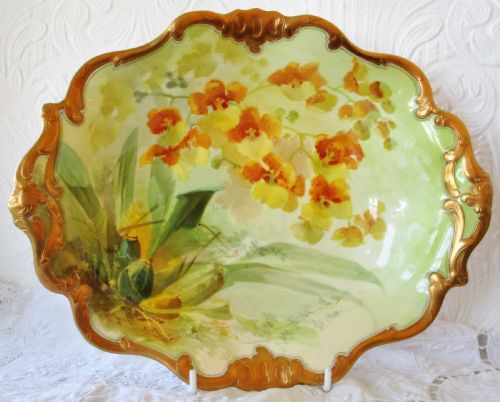


Edwardian Painted Fruit Plate
An edwardian painted fruit plate brings vibrant hand-painted botanical studies and gilt-rich porcelain directly into your cabinet.
Edwardian Painted Fruit Plate
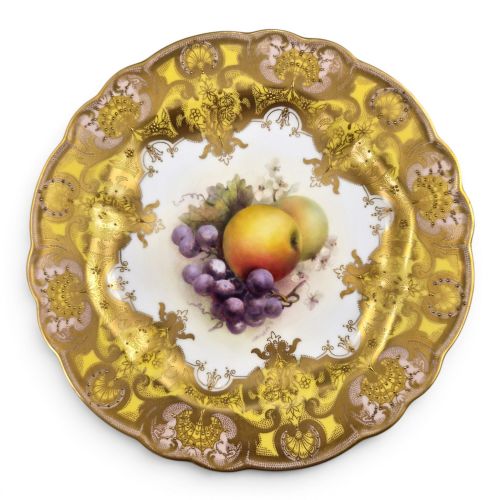
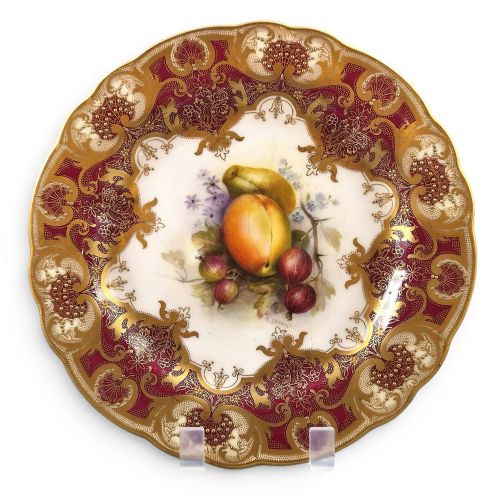
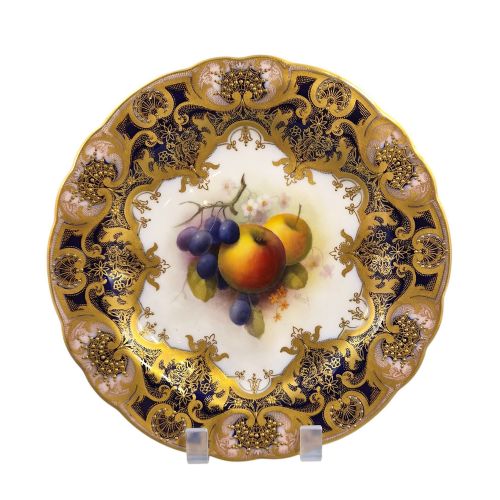
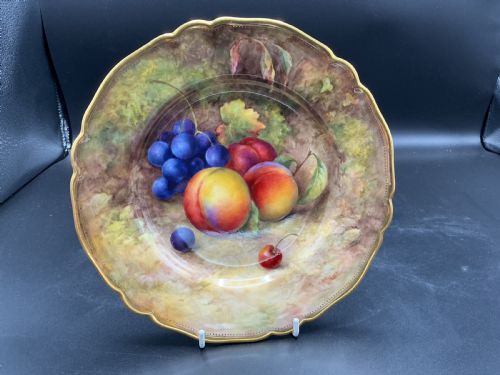
An edwardian painted fruit plate combines fine ceramic surfaces with detailed botanical artistry, typically presented on porcelain or bone china. These decorative plates and cabinet dishes arrive mostly from the Edwardian era, alongside pieces spanning the 1910s to the 1950s and the nineteenth century.
Makers and artists painted naturalistic studies of fruit directly onto the glaze, often framing the central motif with heavy gold leaf or gilt enamel borders. Certain examples feature specialised edges like rope patterns, while related oil painting studies on canvas appear within the selection.
Collectors encounter cabinet plates bearing signatures from noted porcelain painters alongside unmarked traditional English fine china. The forms range from standard dessert dishes and trays to expansive display pieces designed for wall hanging or cabinet storage.
How they were made
Potters shaped fine bone china and porcelain into flat plates and dishes before applying a smooth white glaze. Artisans then painted detailed still life fruit subjects by hand using specialised ceramic enamels.
Workers applied gold leaf and gilding to the rims and borders, often firing the pieces multiple times to set the metallic accents and vibrant colours permanently.
Edwardian Painted Fruit Plate Retail Price Guide 2026
Typical asking prices for edwardian painted fruit plate among the pieces listed under this phrase on Sellingantiques today, from the lower quarter to the upper quarter. They describe what is for sale here now, not the wider market.
Some plates feature heavily textured rope edges, proving that porcelain painters enjoyed playing with rope long before they picked up a brush.
What varies in quality
The distinction between standard production and top-tier examples rests upon the skill of the artist and the presence of a known signature. Pieces painted by master decorators display subtle shading and naturalism that elevates the work above routine factory decoration.
Richness and preservation of the gilding further separate the tiers, particularly where heavy gold leaf or intricate rope edge mouldings frame the painted centre. The quality of the porcelain body and the crispness of the enamel firing dictate the overall longevity of the piece.
Royal Worcester·Royal Doulton
The Edwardian Painted Fruit Plate Glossary
- Cabinet plate
- A decorative ceramic dish intended strictly for display rather than dining. These pieces usually feature elaborate painted scenes or heavy gilding.
- Gilding
- The application of gold leaf or gold paint to ceramic surfaces. This technique highlights rims, handles, and border designs.
- Bone china
- A type of porcelain incorporating animal bone ash. It produces a strong, translucent white body suitable for fine painting.
- Enamel
- A glass-like substance fused to the ceramic body during firing. It provides the permanent colour used in detailed fruit paintings.
- Dessert dish
- A shallow vessel designed for serving sweet courses at the table. Many surviving examples transitioned quickly into cabinet display roles.
Edwardian Painted Fruit Plate: Frequently Asked Questions
How do I display a cabinet plate?
Cabinet plates fit securely into specialised wire wall hangers or sturdy display stands placed on flat surfaces. Keep them out of direct sunlight to protect the enamel colours and gold leaf.
Ensure the display mount supports the rim evenly without putting undue pressure on the painted centre.
Are these plates safe to use for food?
These decorative items function best as display pieces rather than practical tableware. Historic glazes and delicate overglaze enamels can wear down with regular use and washing.
Age and valuable gold leaf detailing mean modern dishwashers and cutlery will damage the surface permanently.
How can I tell who painted the plate?
Look closely at the surface near the edge of the fruit painting for a signature or initials left by the artist. Maker marks on the reverse side of the porcelain provide additional clues regarding the date and workshop.
Researching recorded factory artists helps match specific handwriting styles to known decorators.