


Porcelain Fruit Wall Dish
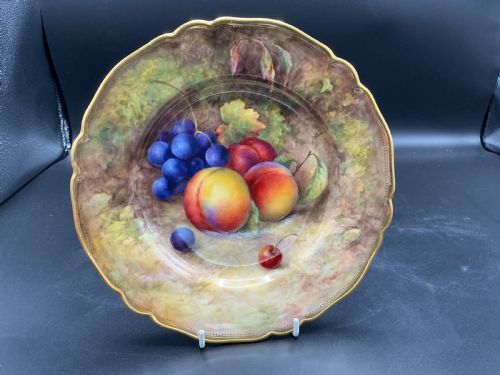
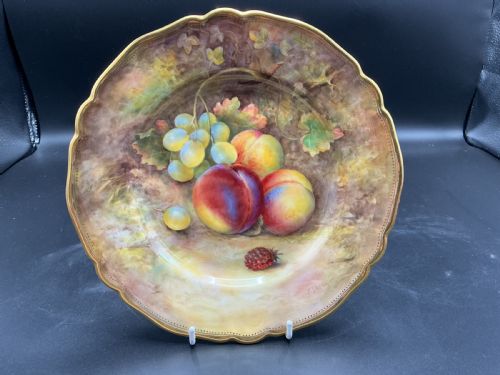
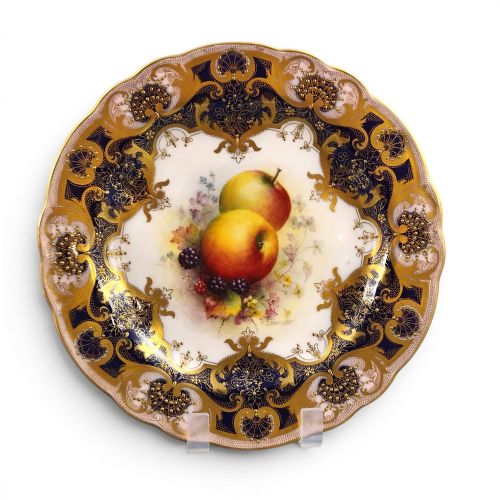
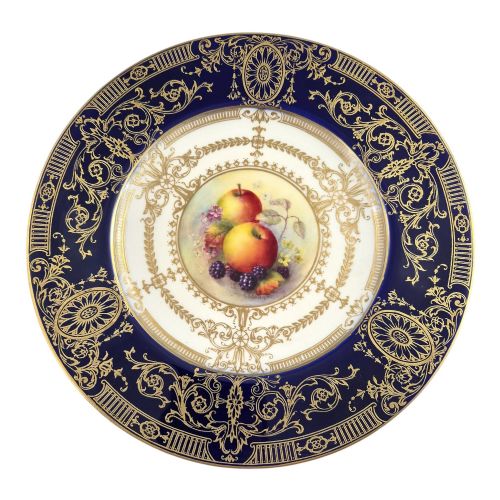
A porcelain fruit wall dish brings hand-painted botanical studies straight to the drawing-room display.
Porcelain Fruit Wall Dish
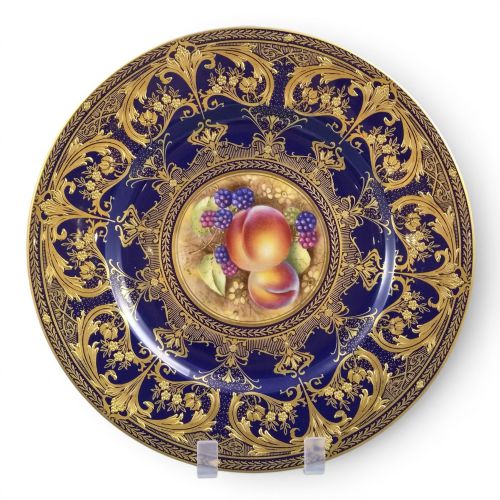
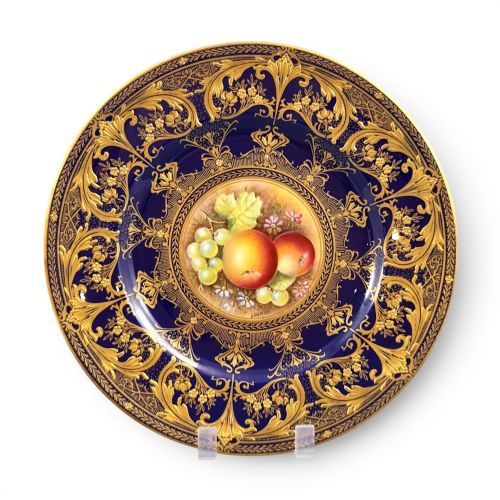
When you search for a porcelain fruit wall dish, you encounter cabinet plates, dessert dishes, and decorative baskets painted with botanical subjects. The pieces span the 18th Century, Georgian, Victorian, and later decades into the 20th century.
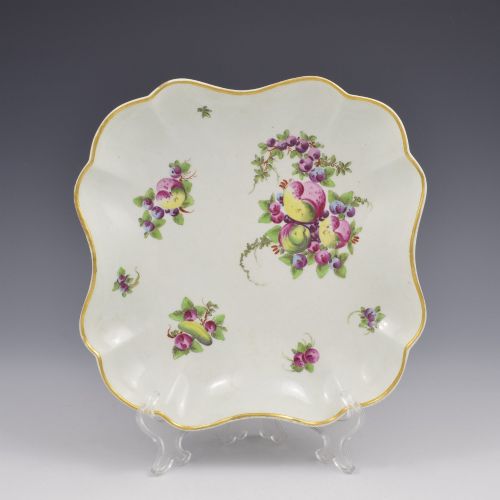
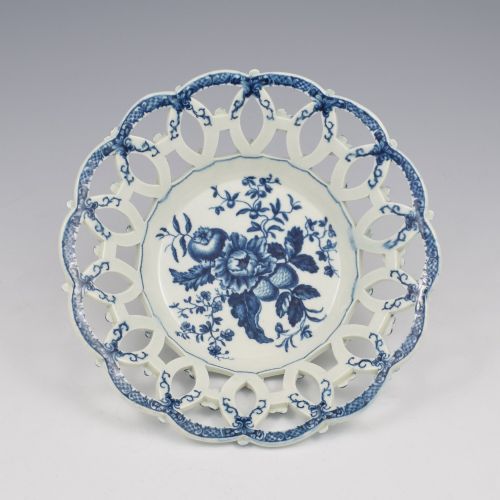
You are most likely to meet Royal Worcester plates and dishes bearing hand-painted fruit, alongside First Period Worcester porcelain pieces from the 1770s. Forms range from square lobed dessert dishes and circular baskets to traditional dinner plates.
Makers and decorators represented include Royal Worcester, Dr Wall First Period Worcester, Derby, and Copeland, showing traditional English and Japanese Imari styles. The selection covers functional dessert services adapted for display alongside dedicated cabinet pieces.
Materials and production methods
The body consists of porcelain, soft-paste porcelain, or bone china, shaped into plates, bowls, and pierced baskets. Potters formed these vessels using traditional moulds and throws before applying initial glazes.
Painters used enamel colours to render detailed fruit studies, often complemented by gold leaf, gilt, and gilding along the rims and borders. Skilled artisans signed their painted panels, marking individual works from manufactories.
First Period Worcester artists occasionally squeezed spotted fruit onto lobed dessert dishes simply because they liked the bounce of the green ground.
Distinctions in quality
The fineness of the hand-painted fruit motifs distinguishes standard factory output from master artist work. Pieces painted by named decorators command attention for their detailed brushwork and naturalistic shading.
The complexity of the ceramic form, such as pierced basketwork or lobed rims, alters the character of the piece. Preservation of the original gilding and enamel brilliance defines the condition of surviving items.
Royal Worcester·Dr Wall Worcester·Derby Porcelain·Copeland
The Porcelain Fruit Wall Dish Glossary
- Cabinet plate
- A decorative ceramic plate intended for display in a cabinet rather than dining use. These often feature elaborate painted scenes.
- Soft-paste porcelain
- An artificial porcelain composition fired at lower temperatures than hard paste, common in 18th-century English manufactories.
- Gilding
- The application of gold leaf or gold powder to ceramic surfaces, particularly along rims and handles to frame painted designs.
- Enamel
- Vitreous material fused to the ceramic surface during firing to provide bright, permanent colours for botanical painting.
Porcelain Fruit Wall Dish: Frequently Asked Questions
How do I hang a cabinet plate?
Display pieces utilise specialised wall fixings designed to grip the rim without damaging the ceramic body. Ensure the weight is supported evenly by the back wire.
Alternatively, some decorative baskets and dishes incorporate original foot rings or pierced handles suitable for cord suspension.
Are these dishes safe for food?
Most antique cabinet pieces are intended for display and feature delicate enamel work or gold leaf that suffers from regular use. Historic glazes may also contain compounds unsuitable for modern dining.
Appreciate these items as visual works rather than functional tableware.
How do I date an 18th-century Worcester piece?
Examinations rely on paste characteristics, underglaze blue marks, and specific patterns such as the pine cone design. First Period pieces from the 1770s show distinct potting traits.
Stylistic conventions of the period guide the attribution alongside physical inspection of the foot rim.
What is the difference between bone china and soft-paste?
Bone china incorporates bone ash into the ceramic paste, creating a durable, whiter body developed in England. Soft-paste porcelain uses glass frit and white clay, yielding a softer translucency.
Both materials served as canvases for detailed fruit and floral painting.