




Royal Worcester Ceramic Plate
These royal worcester ceramic plate examples combine traditional english porcelain with meticulous hand-painted detail, offering collectors enduring artistic merit.
Royal Worcester Ceramic Plate
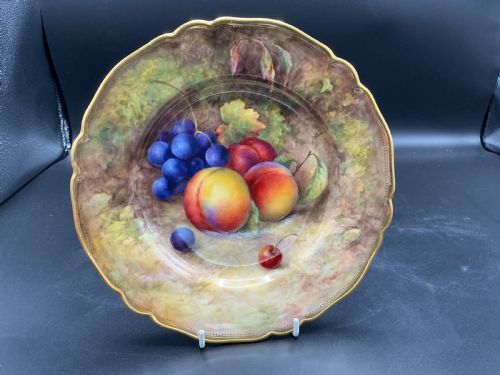
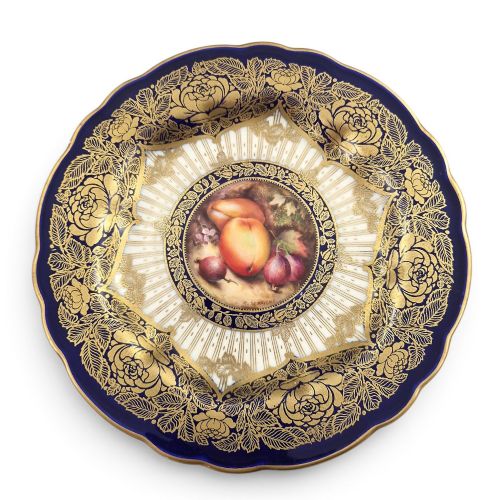
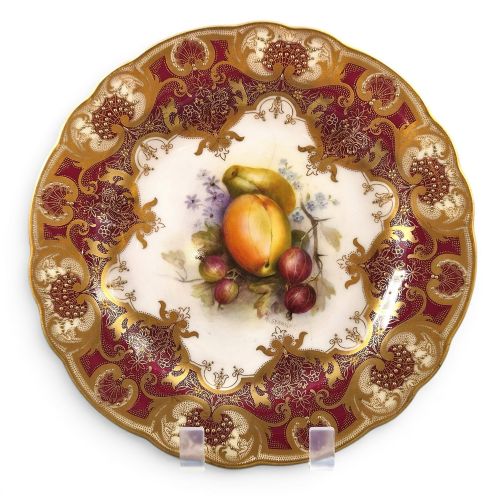
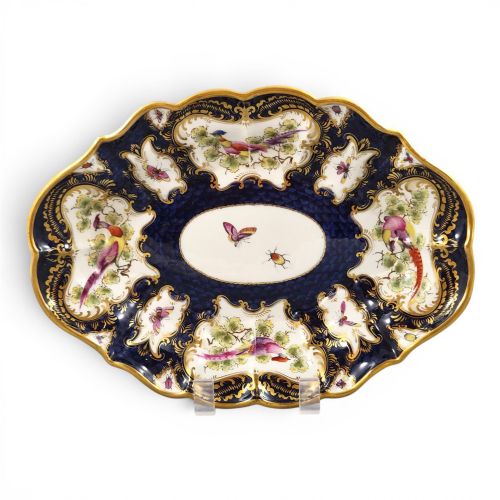
A royal worcester ceramic plate encompasses decorative cabinet plates, dessert dishes, and soup dishes produced across the Victorian, Edwardian, and mid-twentieth-century periods. These items range from floral designs and blue scale patterns to elaborate painted fruit compositions.
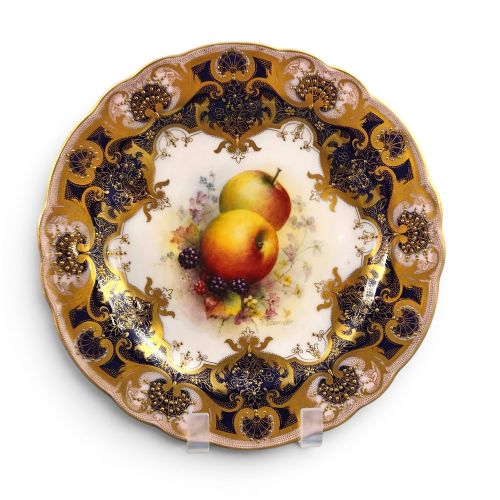
Buyers most frequently encounter early twentieth-century cabinet plates featuring botanical or fruit motifs, alongside notable pieces bearing the signatures of established decorators from the factory. Functional forms such as soup dishes and teacup sets also appear among the selections.
The objects originate from various decades spanning the late nineteenth century through to the nineteen-fifties, reflecting shifts in decorative taste from Rococo Revival and Aesthetic Movement influences to Art Deco.
Materials and manufacture
Production relies heavily on fine porcelain and bone china as the primary ceramic bodies, providing a smooth white surface suited to detailed pigment application. Artisans shape these materials into varied plate and dish forms prior to firing.
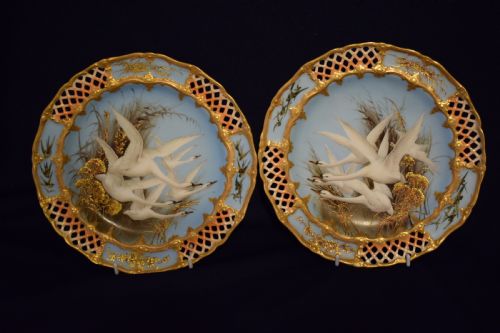
Decoration incorporates hand painting using enamel colours, often supplemented by gold leaf, gilding, and gilt enamel highlights. Specific pieces employ blush ivory grounds or pierced borders to achieve distinct aesthetic effects.
Factors determining quality
The standard of painting heavily dictates distinction, particularly where naturalistic fruit, birds, or floral arrangements display exceptional brushwork and depth. Pieces bearing the verified signature of notable artists command particular attention.
The application of gilding and the complexity of ground colours, such as blue scale or intricate raised gold detailing, contribute to a piece's visual weight. Preservation of the enamel and gilt surfaces without rubbing remains central to the overall standard.
Royal Worcester·Richard Sebright·C Baldwyn·Grainger And Co
The Royal Worcester Ceramic Plate Glossary
- Cabinet plate
- A decorative ceramic plate intended for display rather than general dining use. These pieces often feature elaborate painted scenes and gilded borders.
- Blush ivory
- A matte cream-coloured ceramic body developed by the factory to resemble ivory. It serves as a soft background for floral and gilt decoration.
- Blue scale
- A patterned underglaze blue ground resembling fish scales. It provides a rich background texture often enriched with gilded cartouches.
- Gilding
- The application of gold leaf or gold paint to ceramic surfaces. It is typically fired onto the piece to accent rims, handles, and borders.
- Enamel
- Opaque coloured glass fused to the ceramic body during firing. It provides the vibrant pigments used in botanical and pictorial subjects.
Royal Worcester Ceramic Plate: Frequently Asked Questions
How do I date a royal worcester plate?
Dating relies primarily on the factory's system of cipher marks stamped or painted on the underside, which changed systematically across the decades. Stylistic indicators such as blush ivory grounds or specific artist signatures also help narrow the period.
Examining the form and registration numbers provides further confirmation of the era in which the ceramic was produced.
Were these plates meant for daily use?
Cabinet plates and decorative dishes were created primarily for display in cabinets or on sideboards rather than for everyday dining. Their delicate enamels and extensive gilding make them unsuited to regular practical service.
Other items like soup dishes or teacup sets saw functional use while retaining high artistic standards.
How should I display cabinet plates safely?
Displaying these pieces requires stable plate hangers lined with protective material to prevent scratching the porcelain rim. Ensure that wall mounts or cabinet brackets bear the full weight securely.
Keep the items away from direct sunlight and areas prone to significant temperature fluctuations to protect the enamel and gilt details.
What does signed by the artist mean?
An artist signature indicates that a named painter executed the pictorial subject on the ceramic body by hand. Masters like Richard Sebright specialised in specific motifs such as fruit.
Signed works represent individual artistic execution rather than standard factory transfer printing.