

Worcester Cabinet Plate
A worcester cabinet plate brings hand-painted artistry and fine porcelain into domestic display, connecting collectors with centuries of British ceramic heritage.
Worcester Cabinet Plate
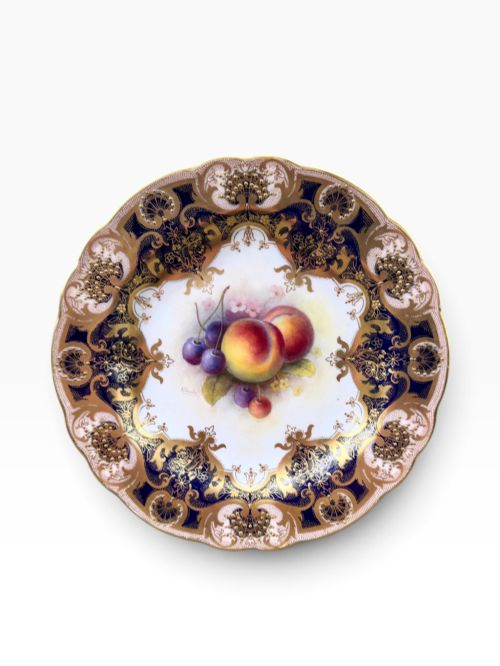
A worcester cabinet plate is a decorative ceramic piece intended for display in cabinets or on walls rather than daily dining. These items emerge from various historical eras, ranging from Georgian and Regency productions to robust 20th-century creations.
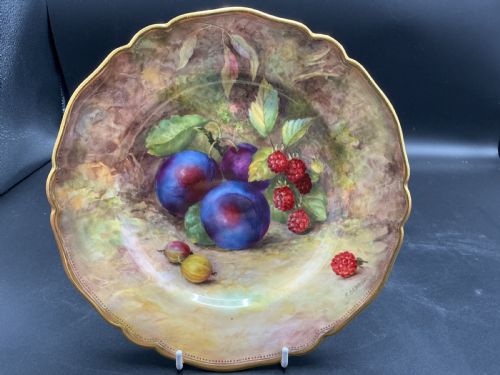
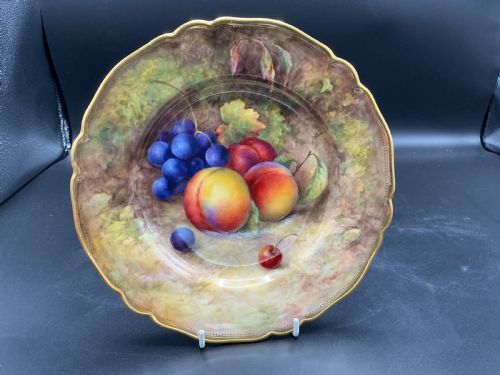
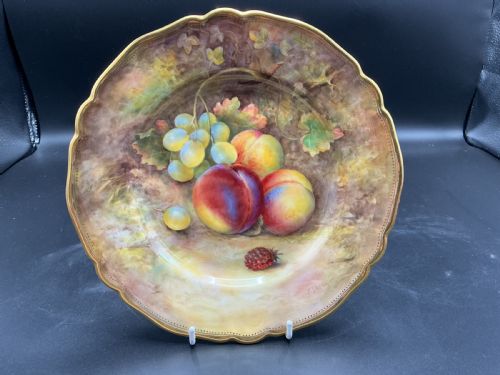
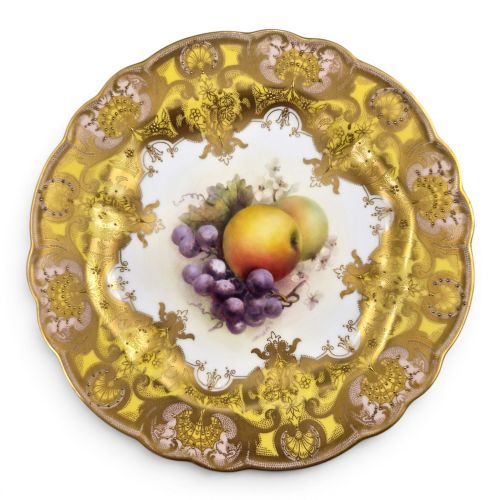
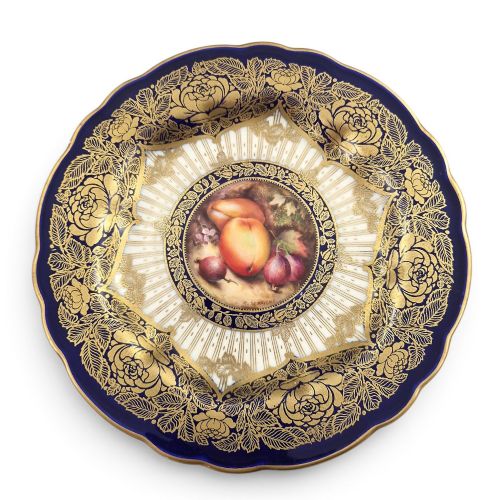
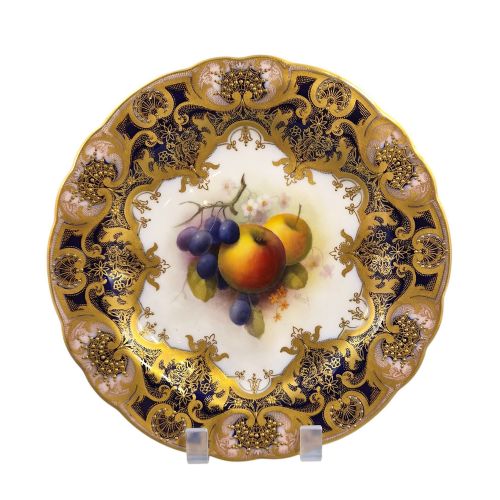
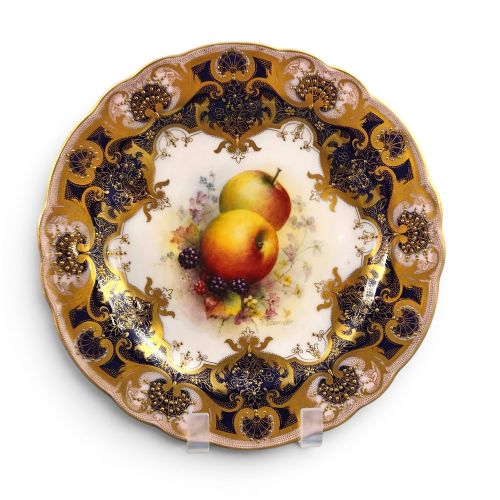
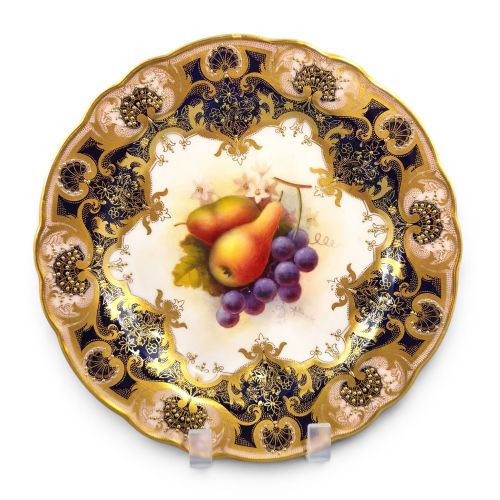
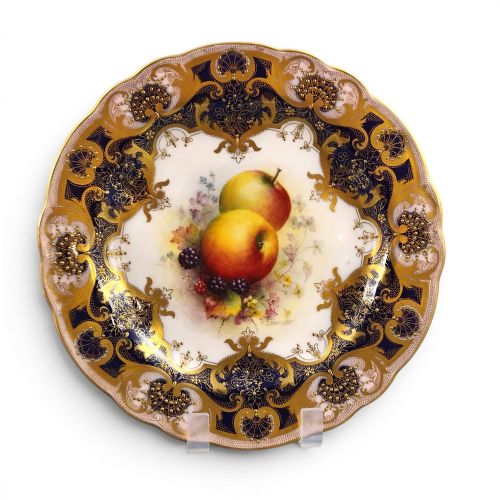
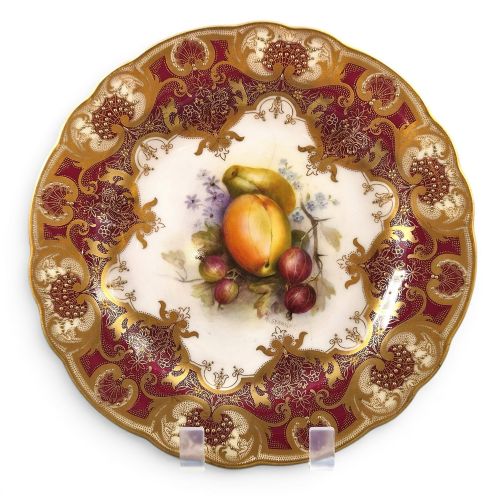
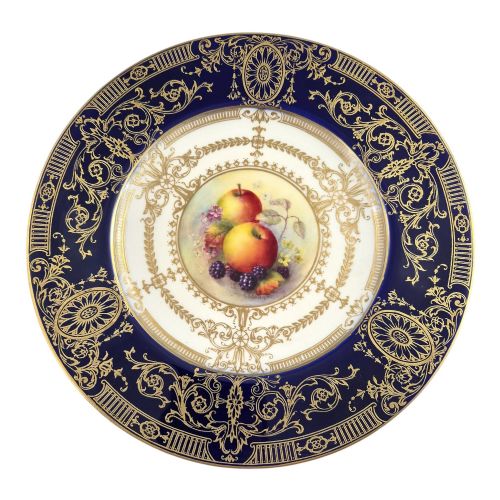
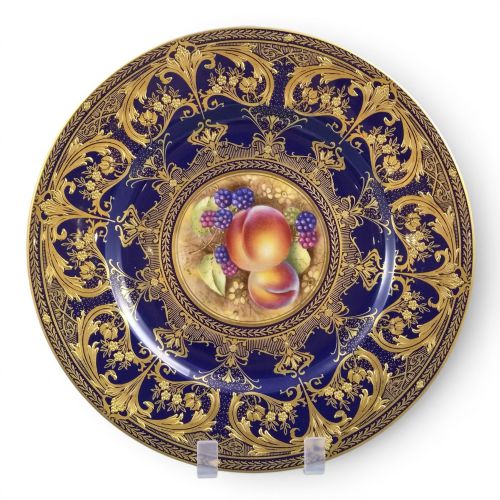
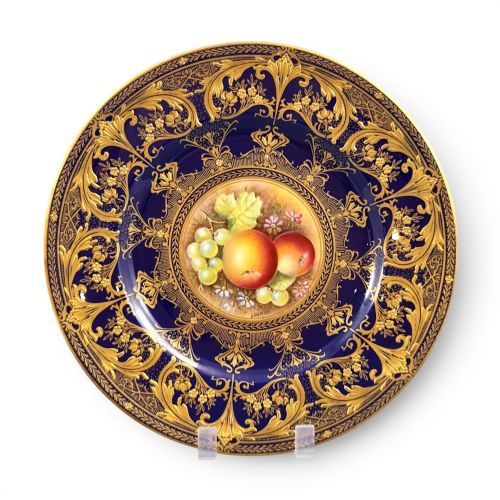
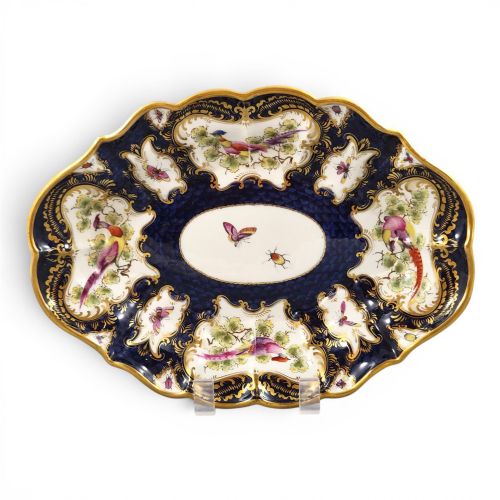
The most common examples encountered on this page belong to the Royal Worcester tradition, frequently featuring detailed hand-painted fruit compositions, birds, or topographical scenes. These decorative dishes and plates showcase the technical skill of renowned ceramic artists who worked for the factory.
Collectors also encounter earlier forms originating from periods associated with firms like Flight, Barr & Barr or Chamberlain, which often display intricate armorial designs or Japanese-inspired patterns. Each variation reflects the evolving aesthetic preferences of British households across different centuries.
Materials and Manufacture
The foundation of every piece is fine porcelain or bone china, shaped into plates, dessert dishes, or soup dishes before undergoing high-temperature firing. Potters utilised specialised clay bodies to achieve a smooth, white canvas suitable for detailed artistic decoration.
Artists applied enamel paint by hand, often incorporating gold leaf, gilding, and gilt enamel to frame the central imagery or highlight raised borders. Subsequent firings bonded the metallic elements and colours permanently to the ceramic surface.
Several sheep and exotic birds found themselves permanently immortalised on porcelain by specialist factory artists who preferred feathers to flowers.
Quality Variations
The distinction between standard examples and exceptional pieces often rests upon the identity of the decorator and the complexity of the painted subject. Signed works by notable painters command greater attention due to the individual artistic merit present on the surface.
The application of tooled gilding, jewelled enamel accents, and rich cobalt grounds separates simpler utilitarian items from grander cabinet pieces designed for exhibition. The precision of the brushwork and the depth of the palette determine the overall visual impact of the dish.
Royal Worcester·Barr Flight and Barr·Grainger and Co·Kerr and Binns
The Worcester Cabinet Plate Glossary
- Cabinet plate
- A decorative ceramic dish intended purely for display rather than practical household use. These items typically feature elaborate painted scenes or gilt borders.
- Gilding
- The application of gold leaf or powdered gold to the surface of porcelain. This technique highlights rims, handles, and decorative motifs.
- Enamel
- A glass-like substance fused to porcelain through firing to provide colour. Artisans use enamels to paint intricate floral, animal, or landscape scenes.
- Bone china
- A type of porcelain incorporating bone ash into the paste. This material offers enhanced strength and a characteristic translucency.
- Armorial
- A ceramic design featuring a coat of arms or family crest. These bespoke pieces were historically commissioned by landed families.
Worcester Cabinet Plate: Frequently Asked Questions
How do I display a worcester cabinet plate safely?
These delicate porcelain pieces require secure wall mountings or stable plate stands designed to support their weight without putting pressure on the edges.
Keep display locations away from direct sunlight and sudden temperature changes to protect the hand-painted enamels and gold leaf over time.
Were these plates used for dining?
Most pieces classified as cabinet plates or dessert dishes were created specifically for visual appreciation or formal dessert courses rather than everyday meals.
Their fine glazes and intricate gilding make them unsuited for rigorous daily use and modern dishwashers.
How can I identify the date of a piece?
Factory marks stamped or painted on the underside provide the primary clues for dating, often utilising specific systems of dots, crescents, or year ciphers.
Stylistic elements such as Regency borders or Edwardian colour palettes also help narrow down the period of manufacture.
What subjects appear most frequently on these plates?
Natural history and landscape themes dominate the output, with painted fruit, British birds, and swans being particularly widespread among factory artists.
东方-inspired patterns like the dragon motif also recur across different Regency and Georgian production periods.