


Nineteenth Century Worcester
Nineteenth century worcester brings together delicate porcelain figurines, vibrant vases and fine tableware shaped across the Georgian, Regency and Victorian eras.
Nineteenth Century Worcester
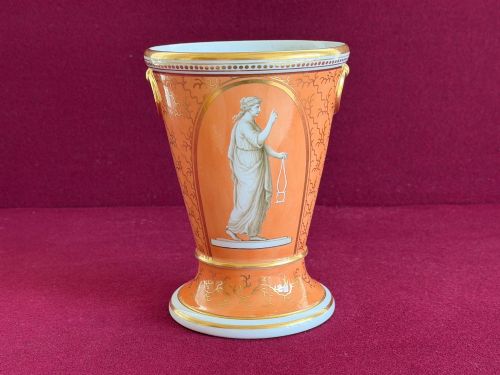
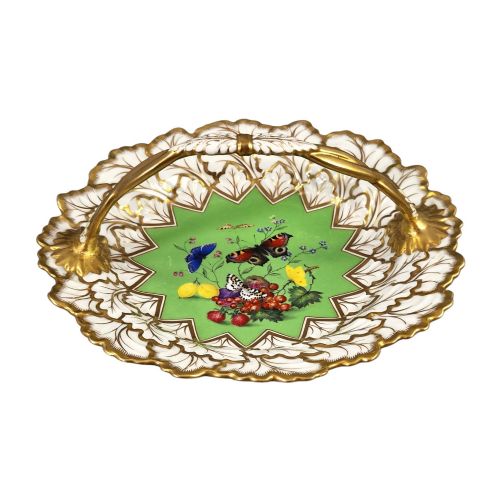
When you search for nineteenth century worcester, you encounter a rich variety of ornamental and functional ceramics created in the famous English porcelain city. These pieces range from early Georgian teacups and saucers to sculptural Victorian figures and decorative vases.
The objects on this page span several distinct periods, including Regency, Georgian and Victorian eras, alongside specific dates reaching into the late nineteenth century. You will frequently meet decorative plates, pastille burners and lidded vases alongside porcelain figurines.
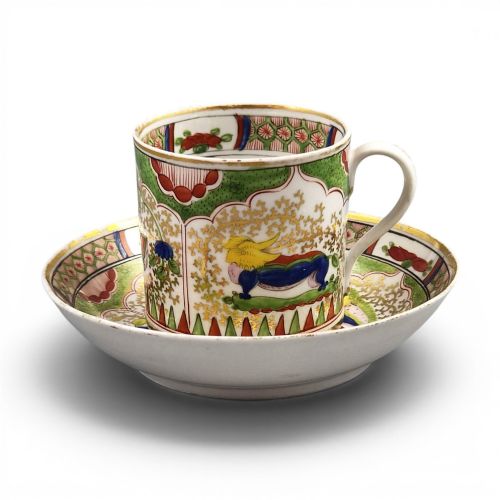
Forms vary from delicate coffee cups adorned with dragon patterns to large sculptural ewers and jardinieres. Each item reflects the evolving aesthetic shifts of the pottery works operating through those decades.
What varies in quality
The refinement of the porcelain body and the precision of the hand-painted enamels set the finer items apart. Early Georgian and Regency tableware often shows exceptional crispness in the transfer printing and gilding application.
One Victorian figurine immortalises a lizard keeping company with a porcelain maiden on a tree stump.
Flight and Barr·Flight Barr and Barr·Chamberlains Worcester·Royal Worcester·James Hadley
The Nineteenth Century Worcester Glossary
- Pastille burner
- A small ceramic vessel designed to diffuse scented smoke from aromatic pastilles. These often took the form of charming cottages or elaborate urns.
- Jardiniere
- An ornamental pot or stand intended for holding plants or flowers. These vessels frequently feature detailed handles and rich painted decoration.
- Armorial
- Bearing a coat of arms or heraldic insignia painted onto the ceramic surface. Plates and dishes of this type were often commissioned for prominent families.
- Majolica
- A colourful, opaque lead-glazed earthenware style popular during the Victorian period. It is known for vibrant hues and textured modelling.
- Ewer
- A large jug with a wide spout and curved handle, often used for decorative purposes rather than practical service. Victorian examples can take highly sculptural forms.
Nineteenth Century Worcester: Frequently Asked Questions
How do I identify a Regency period piece?
Regency items typically date between eighteen hundred and eighteen thirty, showing distinct neoclassical influences or bright Imari style palettes. Look at the specific factory script marks found on the base of the porcelain.
Many pieces from this time feature rich gilding combined with detailed bird or botanical paintings. Comparing the paste and handle shapes to known dated examples helps confirm the period.
Were these ceramics used daily?
While teacups, saucers and dessert plates saw active service in fashionable households, many items were purely decorative. Pastille burners and jardinieres existed to beautify domestic interiors.
Larger vases and sculptural figures stood on mantelpieces or cabinets rather than dining tables. Their survival in good condition often reflects this careful preservation.
How should I clean my porcelain?
Dust these delicate ceramics gently with a soft, dry brush to prevent accumulation. Avoid submerging antique pieces in water, especially those with vulnerable gold leaf or enamel.
Harsh detergents and scrubbing will damage the historic glaze and painted surfaces. Professional conservation advice is best sought if deep cleaning becomes necessary.
What distinguishes Majolica items?
Majolica uses a distinct earthenware body covered in colourful, glossy metallic oxide glazes. This technique produced vivid greens, browns and blues on sculptural figures and vases.
Victorian makers popularised these vibrant pieces for both ornamental garden rooms and indoor displays. The tactile, raised textures separate them from smooth porcelain.