


Painted Porcelain Bowl
A painted porcelain bowl brings centuries of fired ceramic art and detailed hand-applied pigment directly to a table or cabinet.
Painted Porcelain Bowl
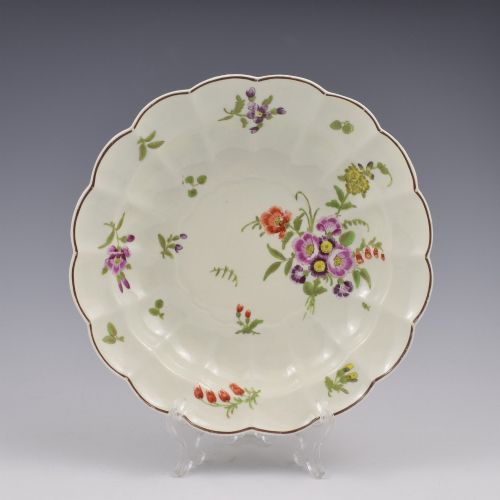
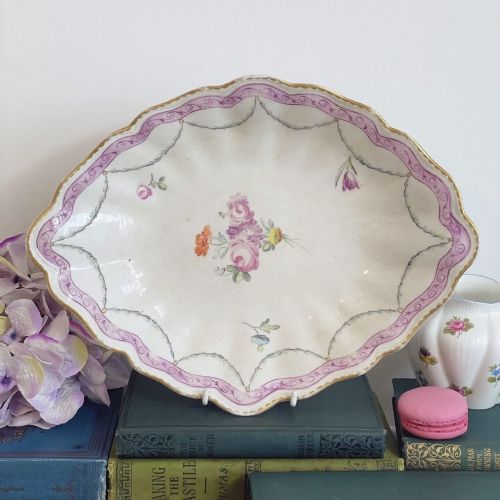
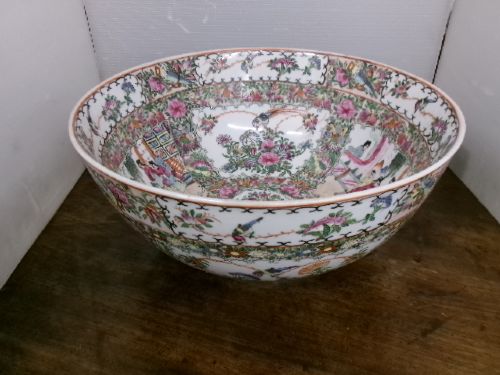
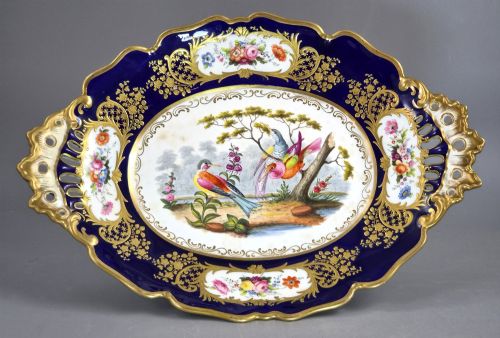
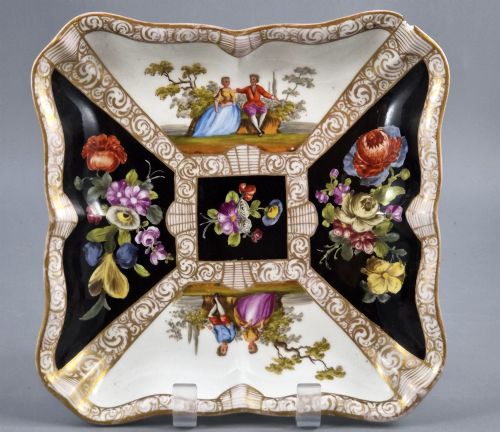
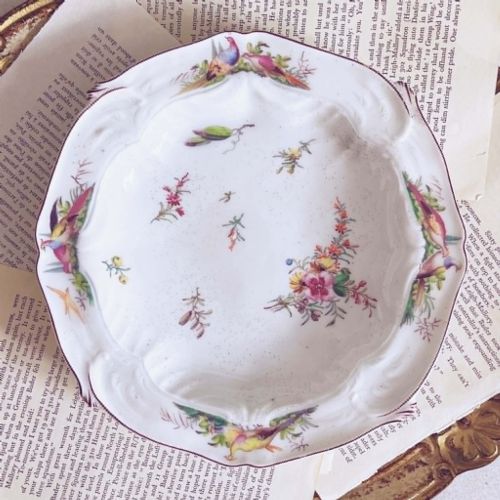
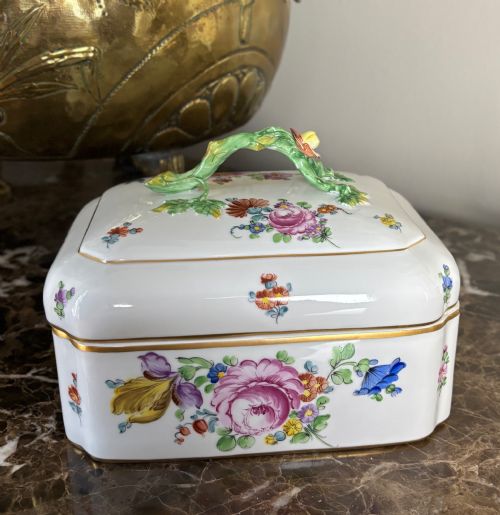
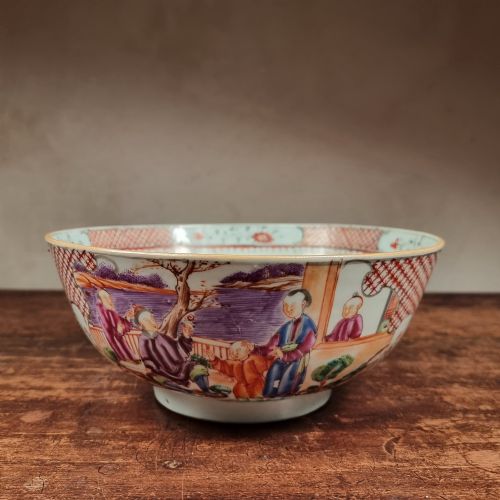
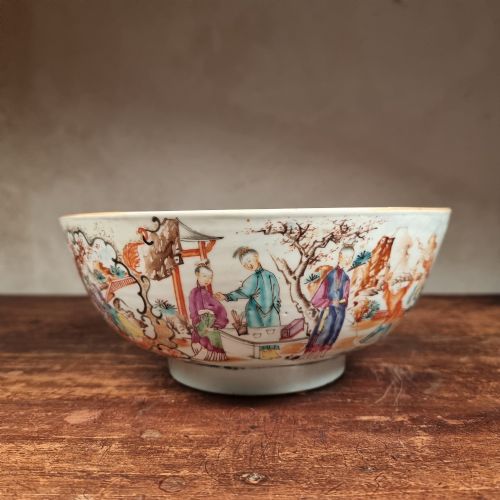
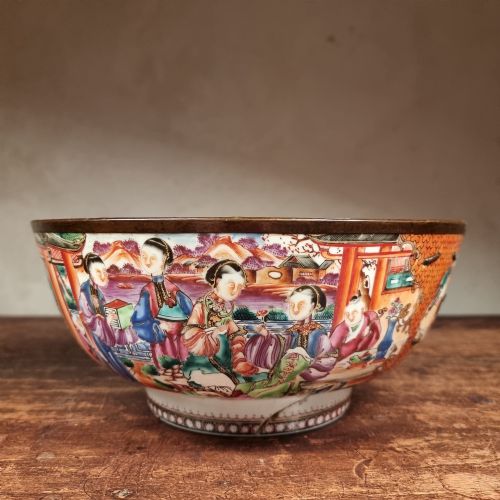
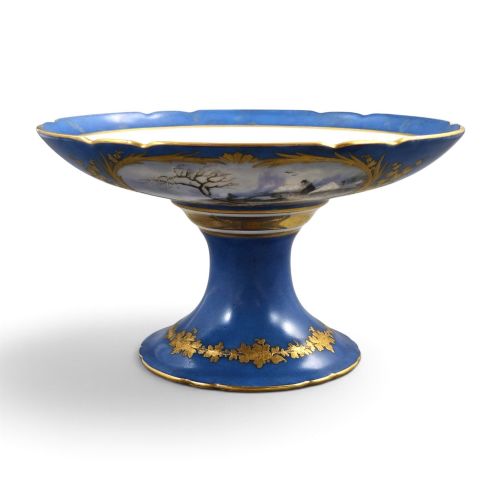
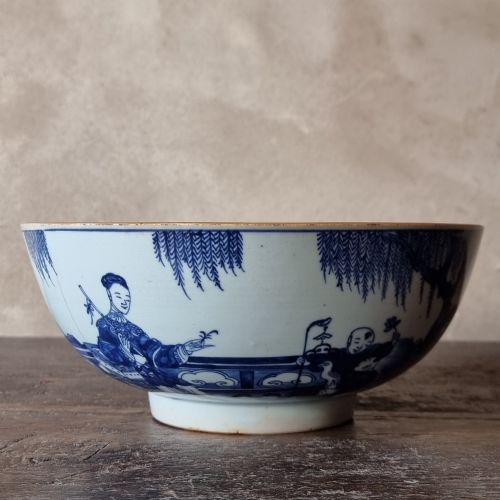
A painted porcelain bowl encompasses a diverse group of ceramic vessels decorated with hand-applied pigments, spanning domestic serving dishes, large punch bowls, and ornate Victorian fruit bowls. The selections on this page draw from 18th-century English factories, continental European makers, and Japanese export kilns.
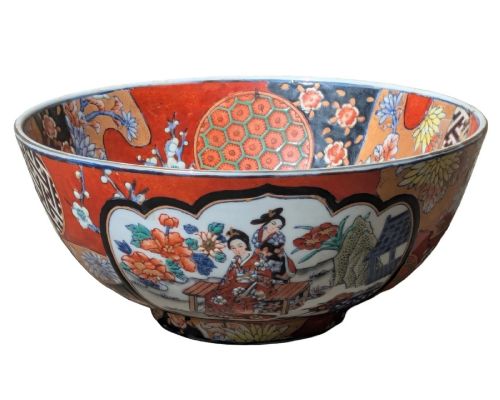
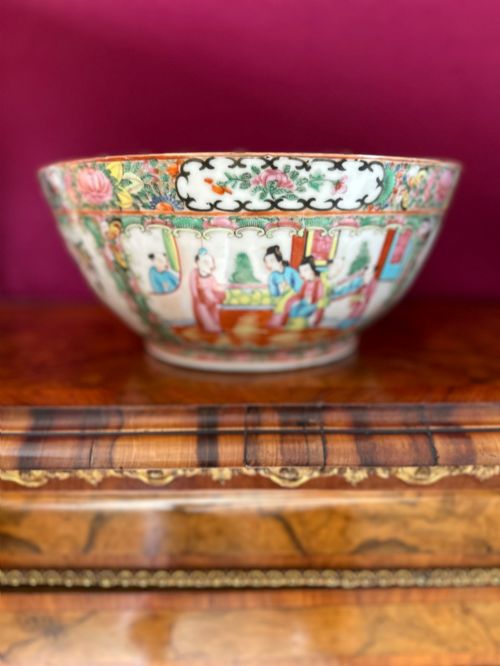
Buyers commonly encounter pieces from the 19th century alongside earlier Georgian examples and later Japanese Imari or Chinese Canton productions. These forms range from scalloped dessert plates and footed comports to large jardinières and deep punch bowls.
The aesthetic traditions vary widely, touching upon Rococo Revival flourishes, Chinese export designs, and Japanese Meiji period motifs. Each piece reflects the specific decorative techniques and kiln methods of its originating workshop.
Materials and production methods
Potters shaped fine ceramic and porcelain bodies, occasionally utilising earthenware, pearlware, or ironstone depending on the regional tradition. These bodies were often formed by hand or moulded into specific shapes such as scallop edges, square dishes, or pedestal bowls.
Decorators applied enamel, gold leaf, and gilt accents over or under the glaze before firing the pieces in kilns to fix the colours. Handpainted polychrome flowers, birds, and scenic panels required steady brushwork and precise temperature control.
Some delicate dessert bowls preserve the careful brushstrokes of botanical painters who recorded minute garden specimens centuries ago.
Assessing quality and execution
The refinement of the painted surface dictates much of the visual success, separating hastily decorated domestic ware from masterwork cabinet pieces with intricate botanical studies or Watteau scenes. Finely rendered polychrome details and crisp gilding reflect the skill of the painter.
The delicacy of the porcelain body and the precision of the moulding shape the character of the vessel. Early Worcester, Meissen, and Chelsea pieces demonstrate superior potting technique compared to standard production wares.
Worcester·Derby·Meissen·Chelsea·Royal Doulton·Wedgwood·Spode·Sèvres
The Painted Porcelain Bowl Glossary
- Imari
- A style of Japanese export porcelain featuring deep cobalt blue and iron red, often augmented with gold leaf. This aesthetic influenced numerous European factories during the 18th and 19th centuries.
- Polychrome
- Decoration utilising multiple distinct colours painted onto the ceramic surface. Artisans applied these pigments by hand before the final firing.
- Jardinerie
- A large ornamental pot or bowl designed to hold plants or flowers. These items often feature substantial painted panels or blue and white motifs.
- Gilt
- A thin layer of gold or gold-like material applied to the rim, handles, or surface of the porcelain. It provides a metallic contrast to the painted enamel scenes.
- Soft-paste
- An early ceramic composition fired at lower temperatures than true hard-paste porcelain. 18th-century English factories frequently utilised this material for decorative bowls and dishes.
Painted Porcelain Bowl: Frequently Asked Questions
How do I date an antique bowl?
Examining the painted motifs, glaze characteristics, and any factory marks on the base helps narrow down the period of production. Comparing the style to documented pieces from makers like Worcester or Meissen provides a reliable timeframe.
Changes in ceramic bodies, such as the shift from soft-paste porcelain to ironstone or later felspar porcelain, also indicate specific manufacturing eras.
Were these bowls used daily?
Many painted porcelain bowls served functional roles on dining tables as punch bowls, dessert dishes, or serving vessels. Robust ironstone and sturdy earthenware pieces saw regular domestic service.
More delicate cabinet pieces and heavily gilded comports were generally reserved for display or special dining occasions rather than everyday use.
How do I care for painted porcelain?
Gentle hand washing with mild soap and warm water preserves the delicate enamel paints and gold leaf accents. Harsh detergents and modern dishwashers can permanently damage the surface decoration.
Displaying pieces away from direct sunlight prevents the painted polychrome pigments from fading over time.
What is Japanese Imari porcelain?
Japanese Imari porcelain is characterised by a distinct palette dominated by underglaze blue and iron red, frequently highlighted with gilding. These pieces were produced in Japan for both domestic use and export to Europe.
European factories later borrowed these patterns, creating their own interpretations of the traditional designs.