


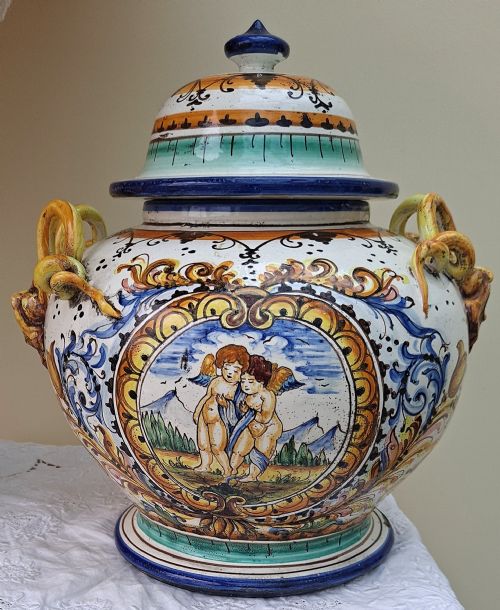
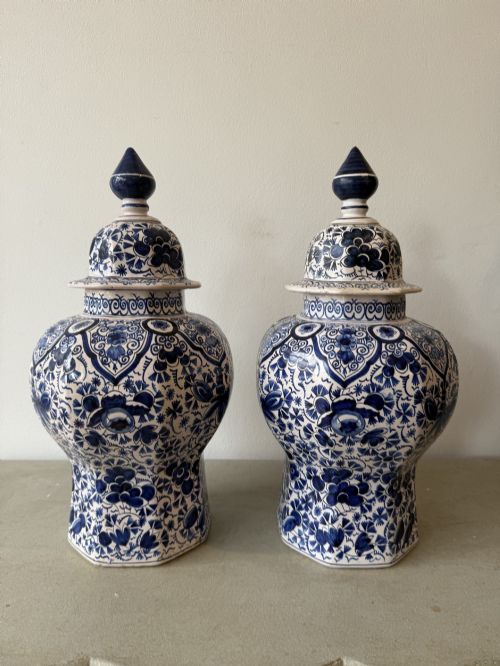
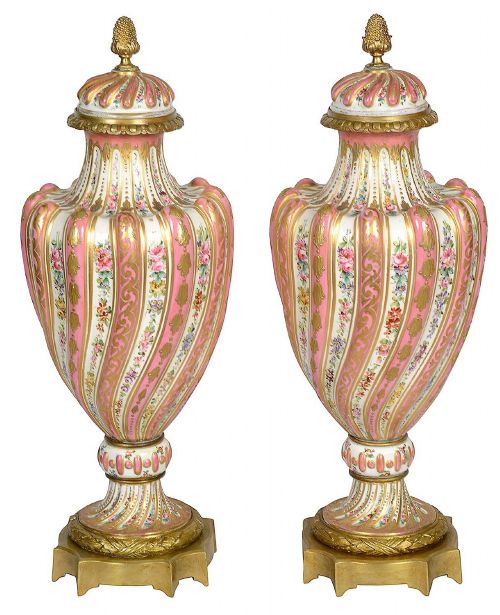
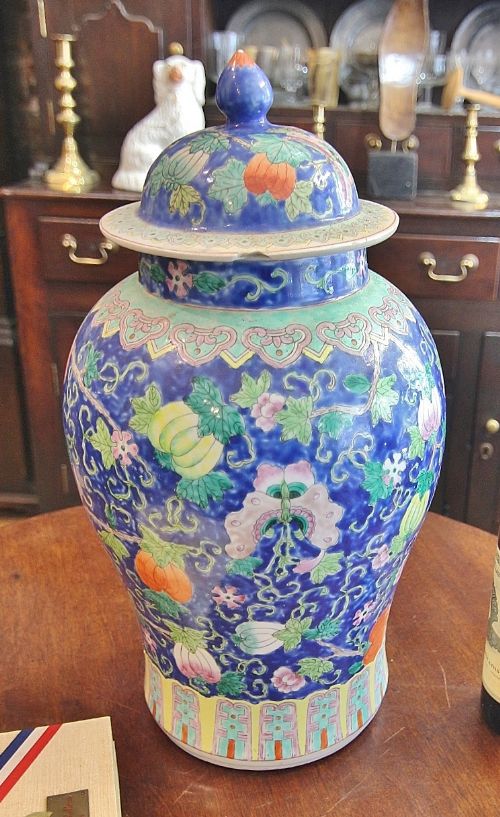


Painted Lid Urn
A painted lid urn brings character and presence to a room, combining fine ceramics with careful hand-applied detail.
Painted Lid Urn
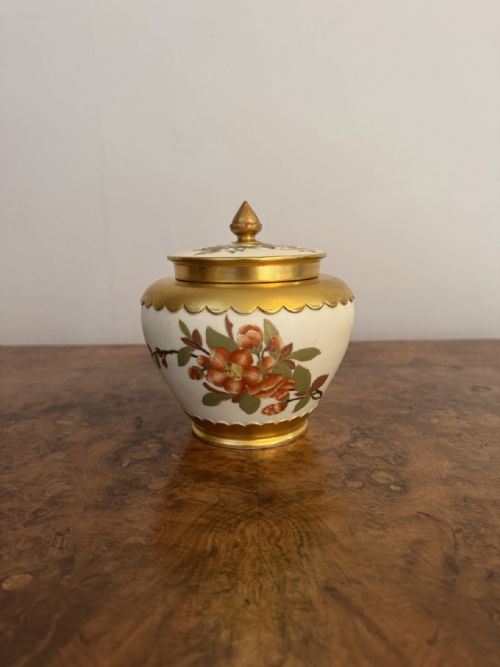
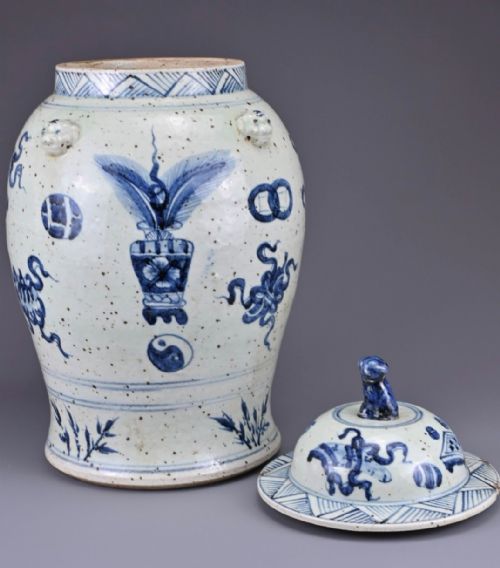
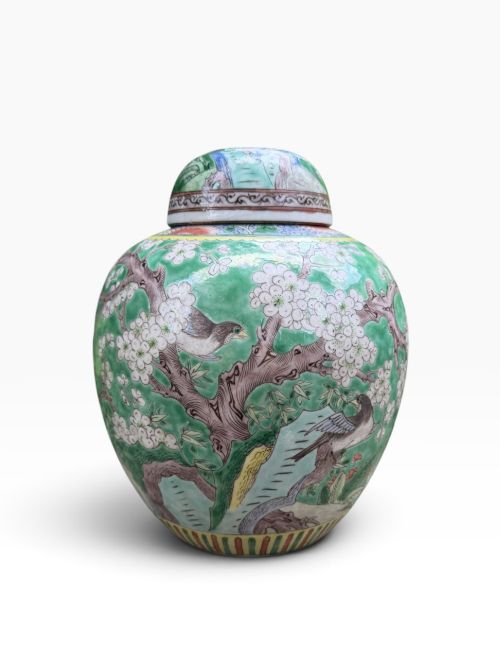
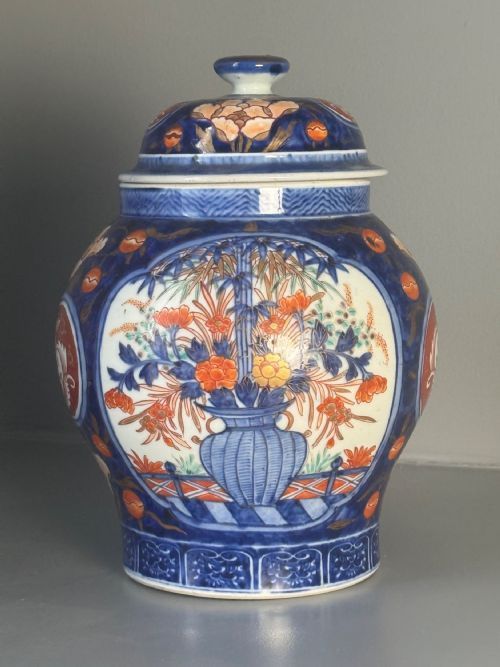
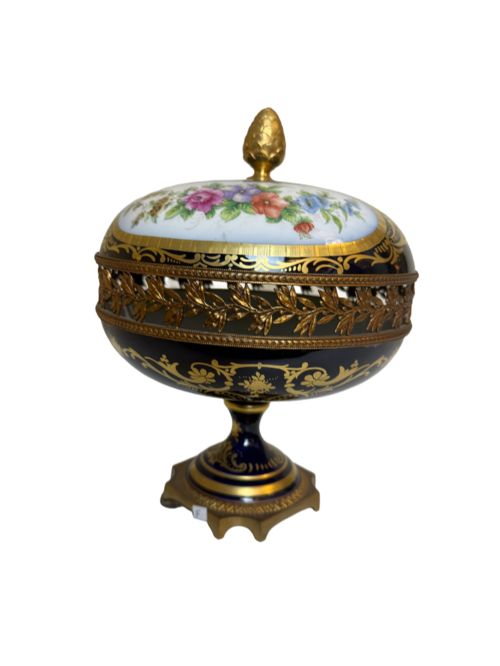
A painted lid urn is a covered vessel designed for display, storage, or potpourri, appearing frequently in forms such as ginger jars, vases, and lidded pots.
The pieces available span various origins and eras, including Victorian English factories, continental European porcelain works, and traditional Chinese kilns.
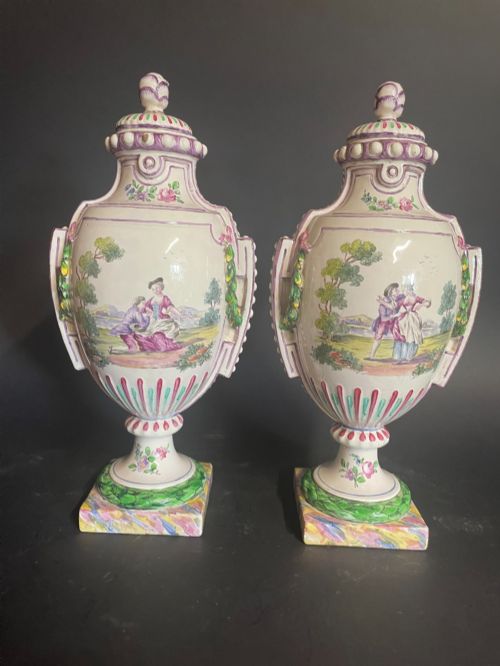
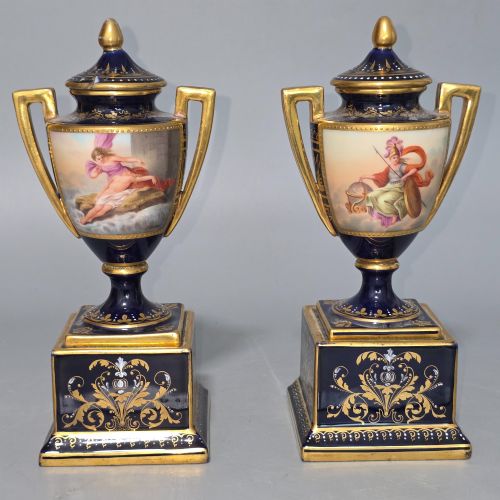
Makers utilised diverse formats ranging from grand amphora shapes and pedestal vases to domestic ginger jars and centrepieces fitted with matching lids.
How They Were Made
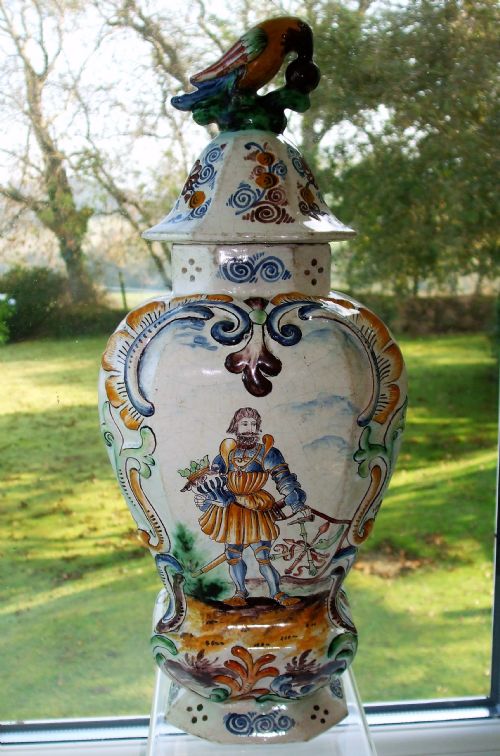
Potters shaped these bodies from porcelain, tin-glazed earthenware, and ceramic before applying detailed surface designs by hand.
Painters used coloured glazes, enamel, and gold leaf or gilding to finish the decorated surfaces, often firing the pieces multiple times to set the pigments.
Listings feature porcelain, tin-glazed earthenware, and ceramic vessels spanning the eighteenth through the twentieth century.
What Varies in Quality
The standard of a painted lid urn rests upon the precision of the brushwork and the clarity of the underlying glaze.
Superior examples display balanced proportions, crisp firing, and signed artist work that elevates them above standard decorative ware.
Royal Worcester·Coalport·Minton·Royal Vienna·Helena Wolfsohn Dresden
The Painted Lid Urn Glossary
- Potpourri pot
- A lidded vessel perforated to release the scent of dried flowers and spices held within. These pots often feature elaborate pierced covers.
- Ginger jar
- A wide-shouldered ceramic container originally meant for storage, typically paired with a matching domed lid.
- Tin-glazed earthenware
- Pottery coated with a tin-opacified glaze that turns white and opaque upon firing, providing a smooth surface for painted decoration.
- Gilding
- The application of gold leaf or powdered gold paint to ceramic surfaces for accent or border work.
Painted Lid Urn: Frequently Asked Questions
What were painted lid urns used for originally?
These vessels served various domestic and decorative purposes, ranging from the containment of spices and ginger to holding aromatic potpourri within formal rooms.
Many examples functioned purely as ornamental display pieces on mantelpieces and pedestals, showcasing the wealth and taste of the household.
How do I care for a ceramic lidded urn?
Dust the surface gently with a soft dry cloth and avoid exposing the piece to direct sunlight or sudden temperature shifts.
Take care when handling the lid separately from the base, as the fitted rims can chip if knocked together.
How can I tell the period of an urn?
Examine the style of the painted decoration, the type of ceramic body, and any factory marks stamped or painted on the base.
Comparing the manufacturing technique against known historical periods helps narrow down the date of production.
Are the lids original to the vases?
Many pieces retain their matching original covers, which were produced and fired alongside the main body by the same maker.
Checking the glaze consistency and fit between the lid and the neck helps confirm whether they belong together.