
Painted French Wall Mirror
A painted french wall mirror brings architectural proportion and quiet colour to a room, drawing the eye with carved detail and aged glass.
Painted French Wall Mirror
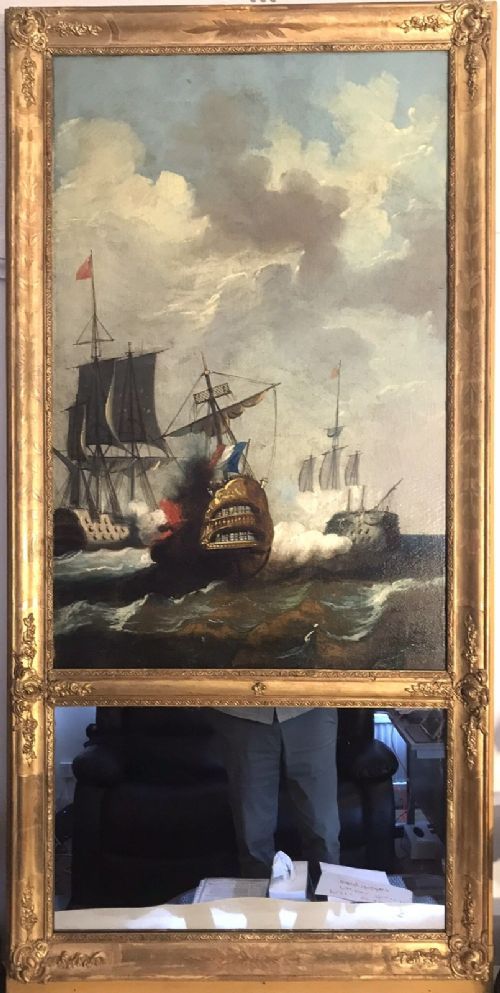
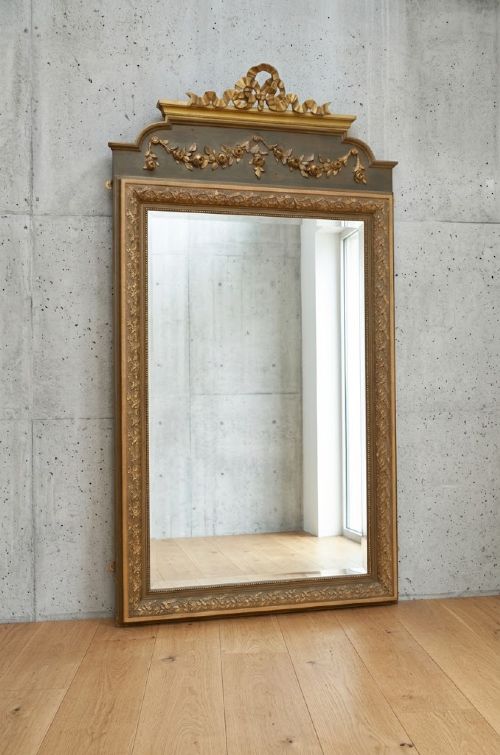
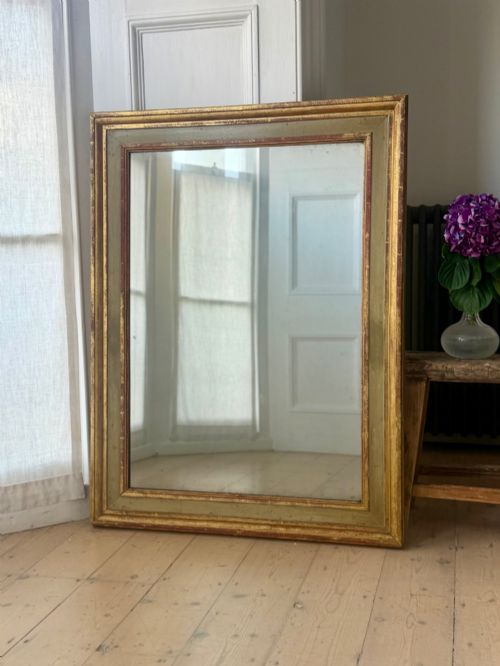
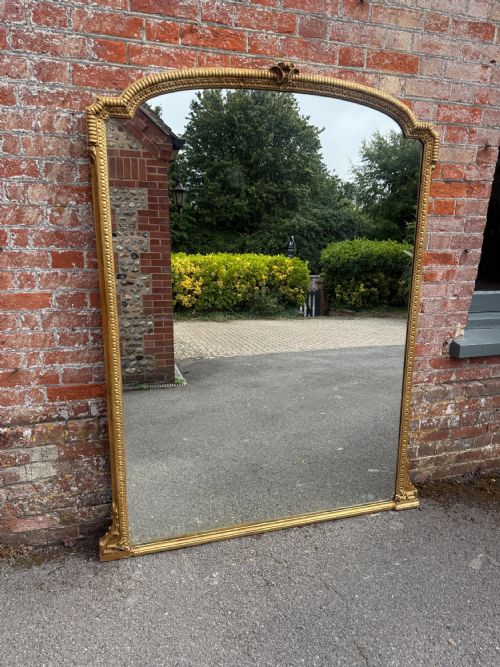
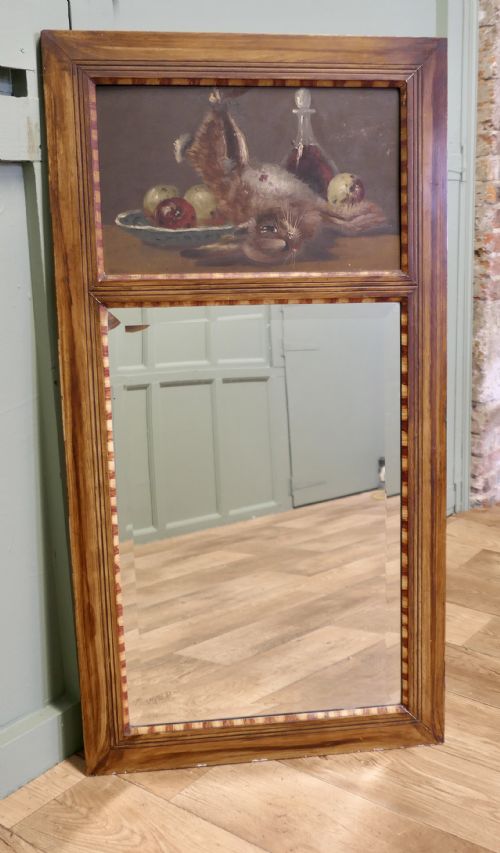
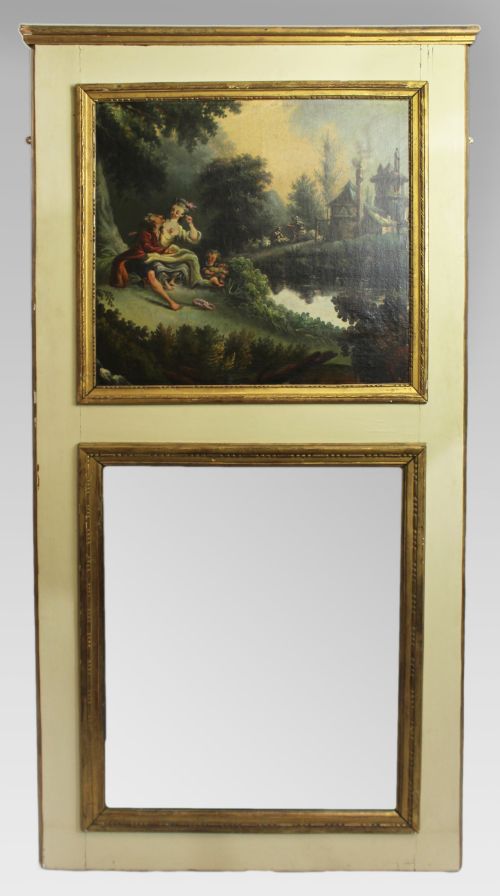
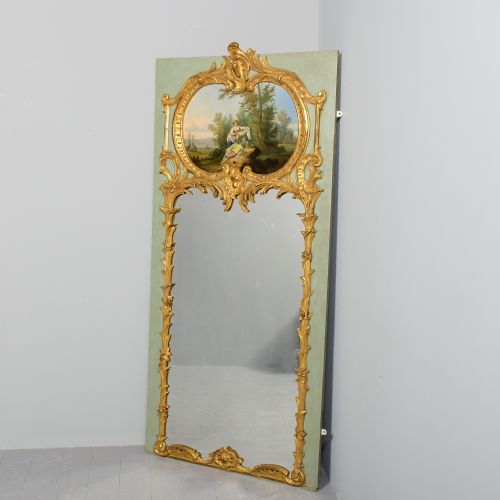
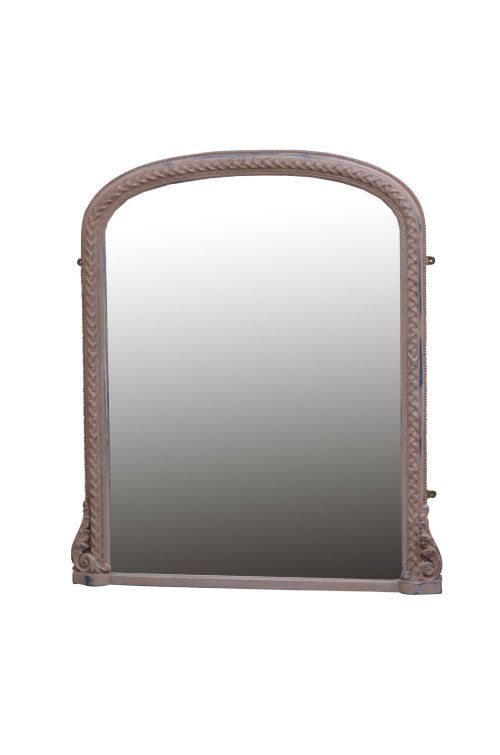
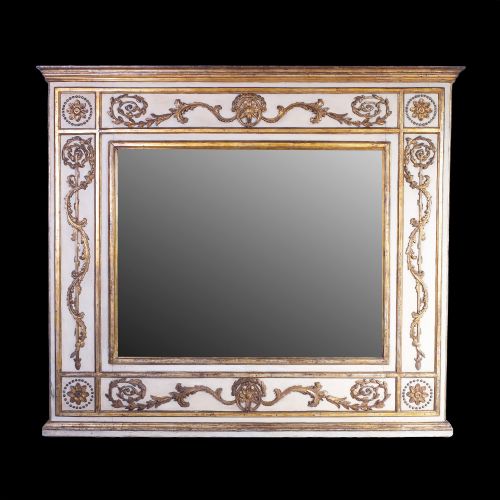
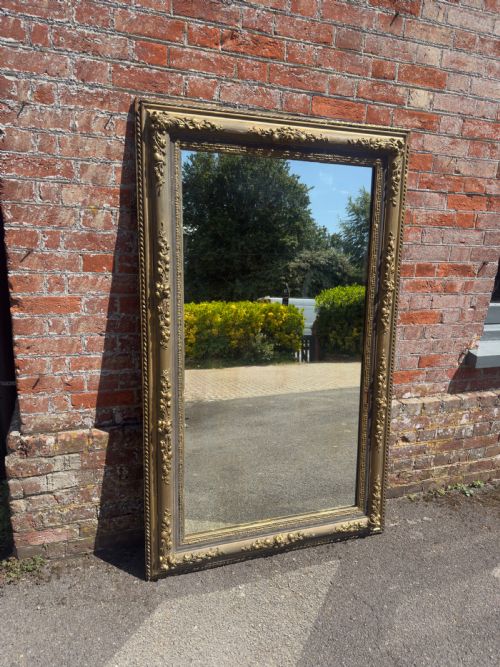
A buyer examining a painted french wall mirror will encounter pieces spanning from the late eighteenth century through to the early decades of the twentieth century. The selection leans heavily towards nineteenth-century examples, including grand overmantels, pier mirrors, and trumeau panels fitted with oil paintings.
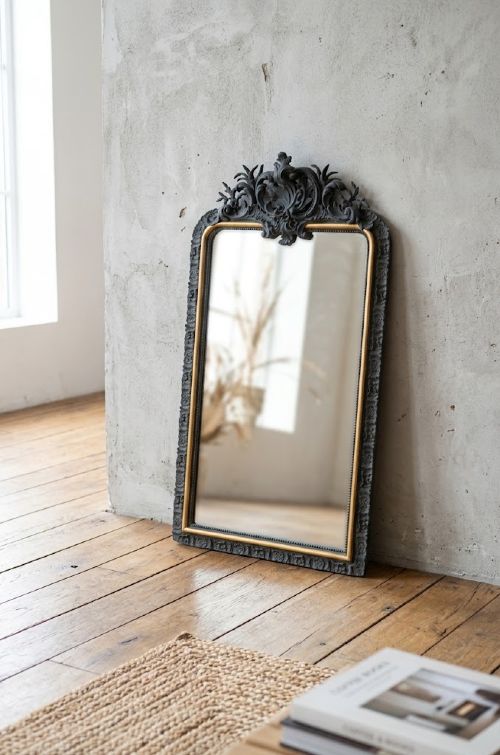
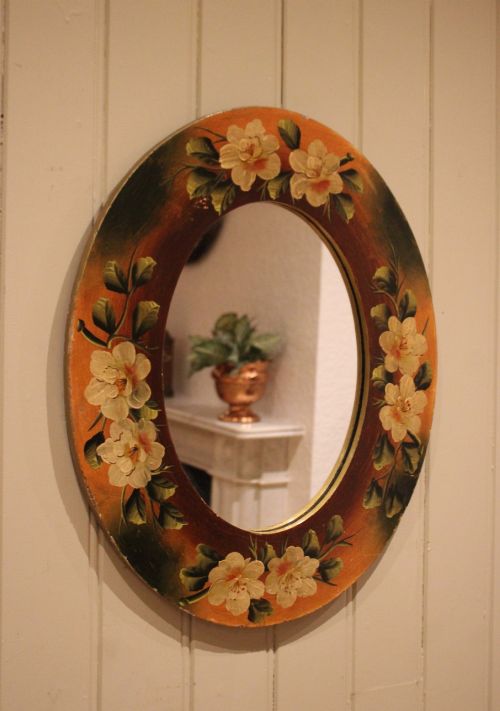
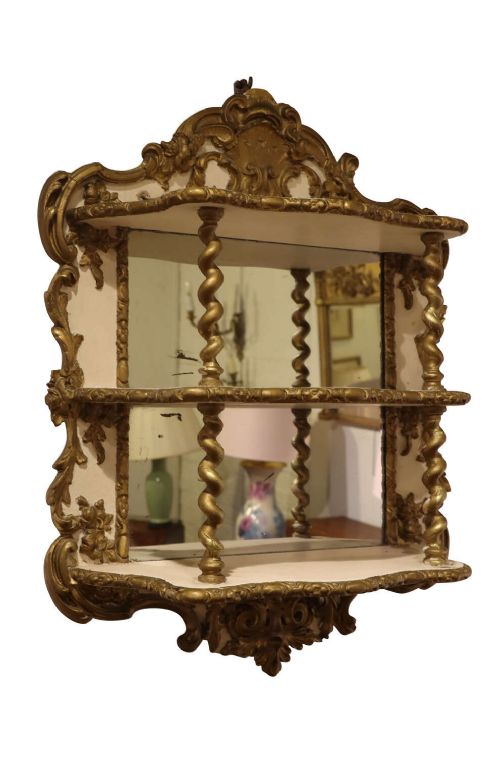
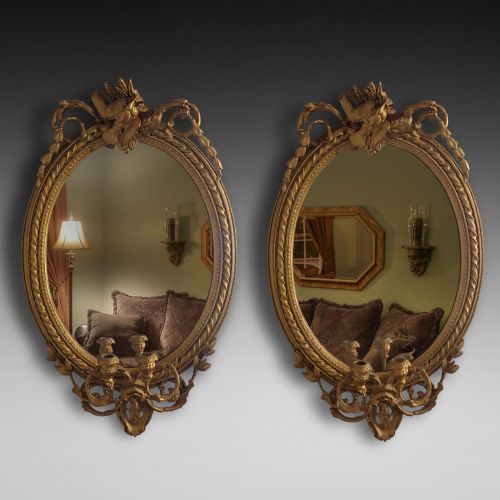
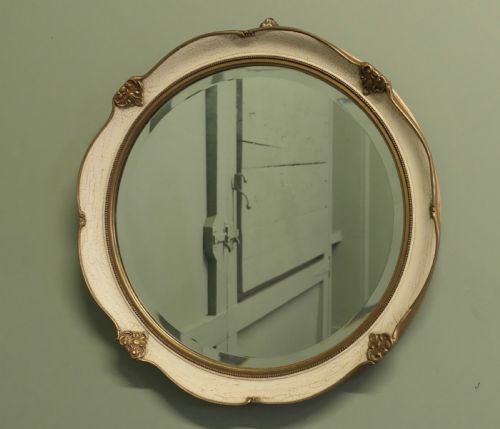
Most items reflect continental aesthetics such as Louis XVI style, Rococo Revival, or French provincial character. Painted wood surfaces often appear alongside parcel-gilt detailing, gesso mouldings, and ribbon crests.
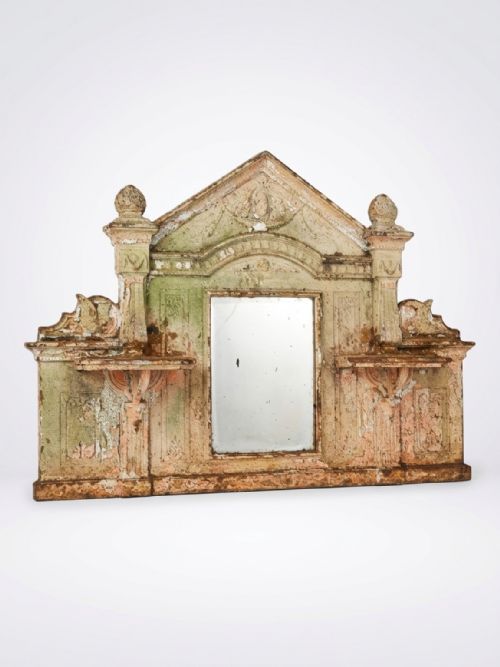
These objects served practical and decorative functions in period salons and chateaux, frequently designed to reflect light and enhance the sense of space. Surviving pieces range from simple arched frames to elaborate architectural constructions with integrated canvas panels.
Materials and construction methods
Makers typically built the structural frames from timber such as pine, oak, or carved wood, applying layers of gesso to build up intricate relief ornaments, floral motifs, and crests. These applied elements were then painted, often in muted palettes, and occasionally highlighted with gold leaf or parcel-gilding.
Glazing often involved early mirror glass or mercury glass, which produces a distinctive mottled reflection due to the silvering process used in past centuries. Frames were finished with hand-applied paint layers that have aged naturally over time, showing crackleur and patination.
Painted French Wall Mirror Retail Price Guide 2026
Typical asking prices for painted french wall mirror among the pieces listed under this phrase on Sellingantiques today, from the lower quarter to the upper quarter. They describe what is for sale here now, not the wider market.
Some nineteenth-century mirrors feature whimsical dragon crests carved into the wood to guard the reflection within.
Distinguishing quality in period frames
The degree of artistic execution in the carved wood and gesso ornamentation dictates much of the distinction between standard items and exceptional works. Crisp hand-carving and well-proportioned architectural elements show superior workshop execution compared to simpler, coarser mouldings.
The Painted French Wall Mirror Glossary
- Trumeau
- A decorative wall mirror featuring an upper panel containing an oil painting or silk artwork, designed to fit a specific pier wall between windows.
- Gesso
- A plaster-like mixture applied to wood frames to create a smooth surface for carving, gilding, and painting.
- Mercury glass
- An early type of mirror glass created by coating the rear surface with a mercury-tin amalgam, resulting in a dark, mottled reflection.
- Pier mirror
- A tall mirror specifically designed to hang on the narrow wall space between two windows or above a pier table.
- Parcel-gilt
- A decorative finish where only specific carved details or raised portions of a painted object are gilded with gold leaf.
Painted French Wall Mirror: Frequently Asked Questions
How do I hang a heavy trumeau mirror?
Large overmantel and trumeau pieces require secure wall anchors fixed directly into masonry or heavy studs to support the substantial weight of the timber frame and glass.
Professional mirror hangers often utilise a heavy-duty battens system to distribute the load evenly across the structure of the wall.
What is mercury glass?
Mercury glass refers to double-walled or silvered glass produced in the nineteenth century using a liquid mercury amalgam.
This historic manufacturing method creates characteristic dark spots and foxing that distinguish antique plates from modern float glass.
How do I clean an antique painted frame?
Painted and gilded wooden surfaces should be dusted gently with a soft, dry brush to prevent damage to fragile gesso and aged paint layers.
Moisture and chemical cleaners must be avoided entirely to preserve the original patination and prevent flaking of the historic finish.
How do I date a french wall mirror?
Dating relies on examining the construction of the wooden backboards, the composition of the gesso, and the manufacturing characteristics of the glass plate.
Stylistic cues such as Louis XVI symmetry or Rococo curves also provide strong indicators of the period of manufacture.