

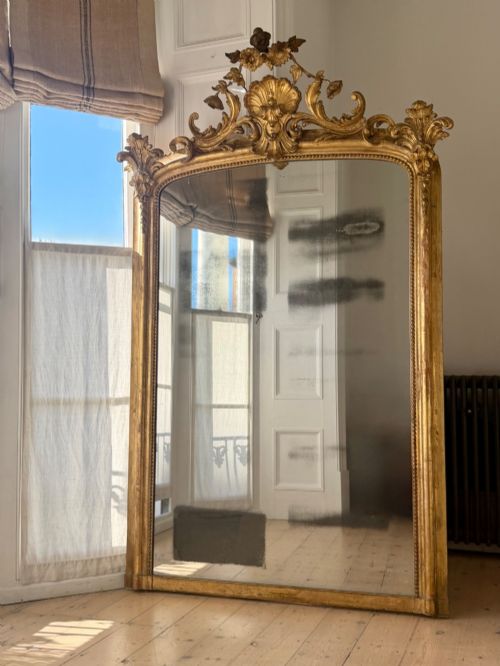
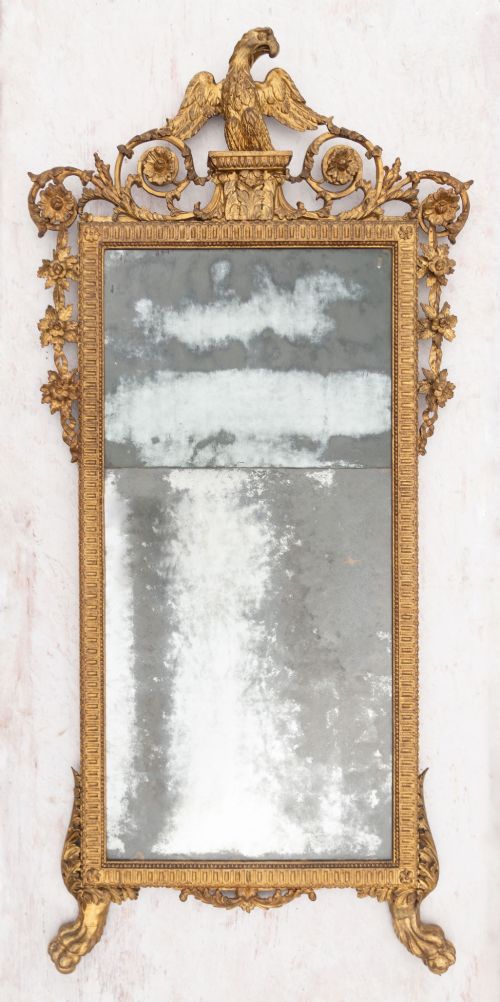

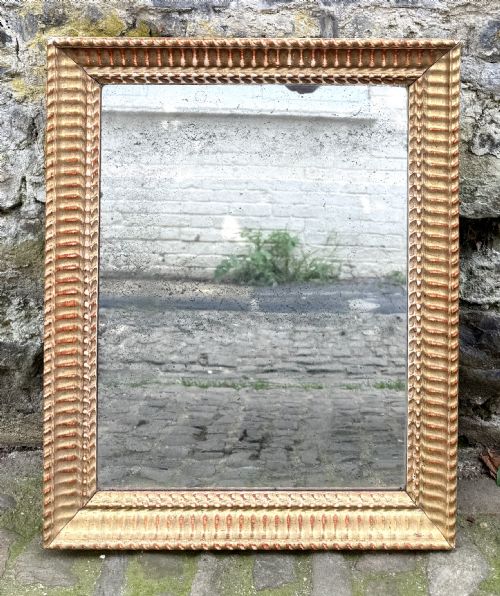


Foxed Mercury Glass Mirror
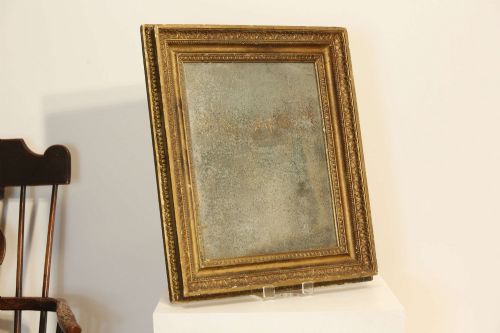
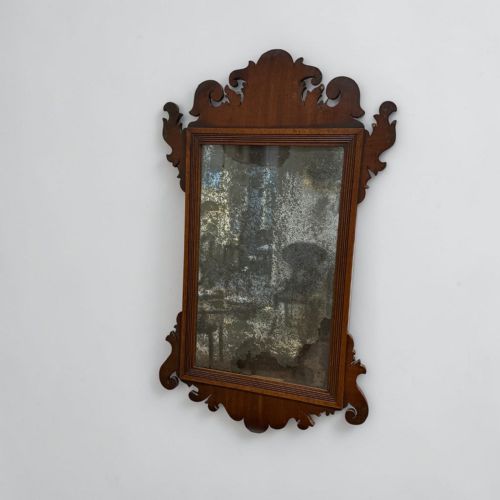
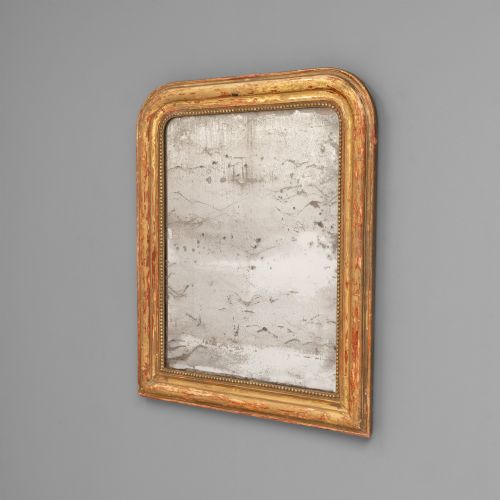
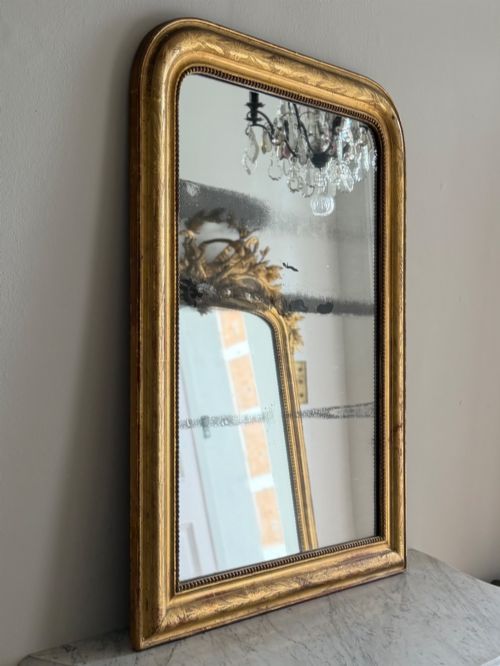
These foxed mercury glass mirror examples bring atmospheric depth and age to a room through their uniquely mottled, historic silvering.
Foxed Mercury Glass Mirror
When you search for a foxed mercury glass mirror, you encounter wall mirrors, pier mirrors, and trumeau mirrors originating mainly from the eighteenth and nineteenth centuries. These pieces reflect diverse regional tastes, including French provincial, Louis Philippe, Italian rococo, and Swedish styles.
The most common examples on this page are French giltwood and painted wood wall mirrors featuring plates with varying degrees of foxing. Collectors also find brass bistro mirrors and eighteenth-century Italian cartouche forms among the selections.
How they were made
These mirrors utilise glass plates silvered with a tin and mercury amalgam, mounted into wooden frames prepared with gesso and finished in gold leaf or paint. Brass and giltwood provide the structural housing for the heavy glass plates.
Makers applied gilding over gesso layers on wooden substrates, carving intricate details into styles ranging from French neoclassical to Empire revival. The resulting frames hold original mercury plates that developed their signature foxed spots over long periods.
Foxed Mercury Glass Mirror Retail Price Guide 2026
Typical asking prices for foxed mercury glass mirror among the pieces listed under this phrase on Sellingantiques today, from the lower quarter to the upper quarter. They describe what is for sale here now, not the wider market.
The available forms span French trumeau panels, Italian cartouche frames, and tall bistro pier mirrors.
What varies in quality
The standard of a piece rests upon the harmony between the frame's original carving and the character of the glass plate. Hand-carved giltwood and gesso work demonstrates superior craftsmanship compared to simpler painted wood finishes.
The degree and distribution of foxing on the mercury glass plate dictate visual appeal, with natural degradation adding depth rather than obscuring reflection entirely. Original plates retained within their period frames command greater interest than later replacements.
The Foxed Mercury Glass Mirror Glossary
- Foxing
- The speckled, dark degradation spots that form on antique mirror plates over time. This chemical breakdown gives the glass its distinctive cloudy appearance.
- Mercury glass
- A double-walled blown glass object or flat plate silvered between the glass layers with a reflective metal amalgam. Despite the name, true mercury was largely replaced by safer silvering solutions in the nineteenth century.
- Trumeau mirror
- A decorative wall mirror combined with an oil painting or panel above the glass plate. These architectural pieces often occupied the wall space between windows in period rooms.
- Gesso
- A plaster mixture applied to wood frames to create a smooth surface for gilding. It allows for crisp, detailed carving before the application of gold leaf.
- Pier mirror
- A tall mirror designed specifically to hang on the narrow section of wall between two windows. They often feature elongated proportions to maximise light in a room.
Foxed Mercury Glass Mirror: Frequently Asked Questions
What is mercury glass?
Mercury glass refers to double-walled glass items or silvered flat mirror plates created using a metallic amalgam behind the glass. The historic process produced a deep, reflective quality that ages distinctively.
Over decades, moisture and air infiltrate the backing, creating the characteristic dark spots known as foxing. This natural degradation is valued for its atmospheric appearance.
How do I hang a heavy mirror?
These heavy wooden and glass objects require secure fixings into structural wall studs or masonry rather than standard plasterboard hooks. Professional mirror hanging hardware ensures the weight is safely distributed.
Due to the age of the giltwood frames and original plates, sturdy support prevents strain on the original joints and backing.
Are the mirror plates original?
Many listings retain their original mercury glass plates, showing age-appropriate foxing, clouding, and discoloration. Examining the edges and the back of the glass reveals signs of historic silvering.
Plates that show consistent, natural degradation alongside period frames offer greater continuity than later replacement glass.
How do I clean an antique mirror?
Cleaning requires a soft, dry microfiber cloth to remove dust from the giltwood or painted frame without disturbing the surface. Moisture should be kept away from both the carved wood and the degraded edges of the glass plate.
Harsh commercial glass cleaners can damage vulnerable mercury silvering and surrounding gold leaf. Gentle dusting preserves the fragile finish of both frame and plate.