

Painted French Seating
These painted French seating pieces bring centuries of continental form, layered paint, and textile upholstery into contemporary rooms.
Painted French Seating
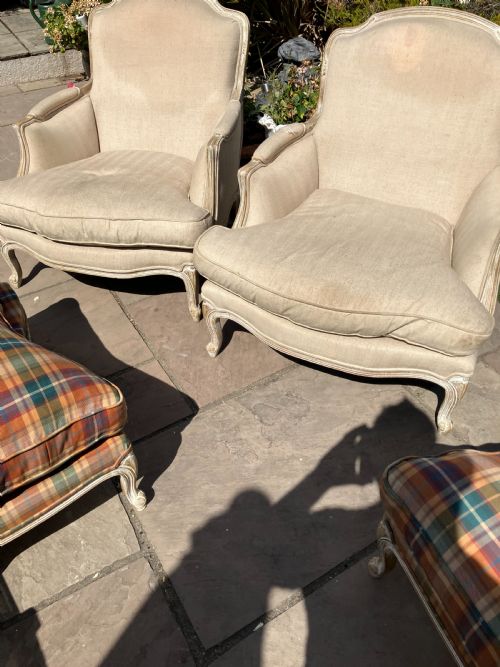
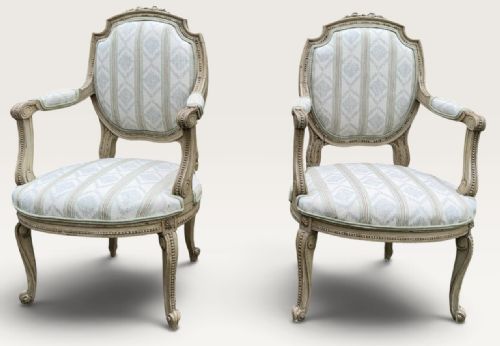
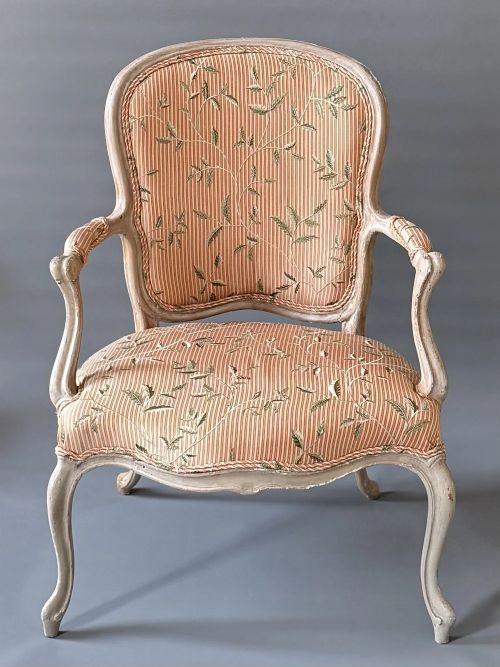
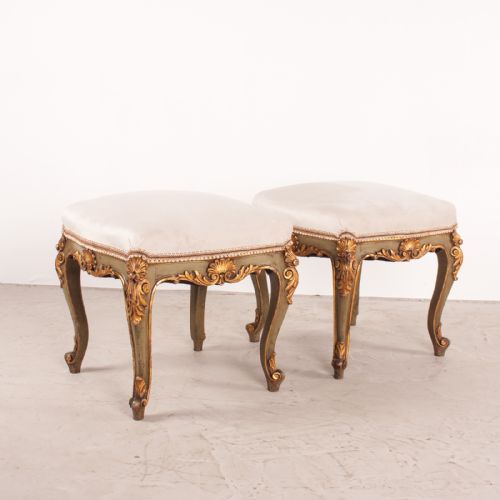
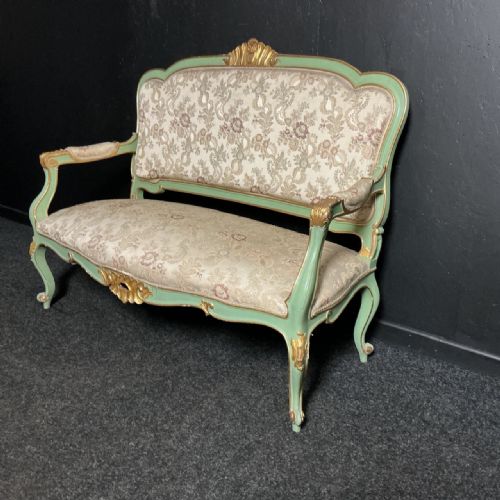
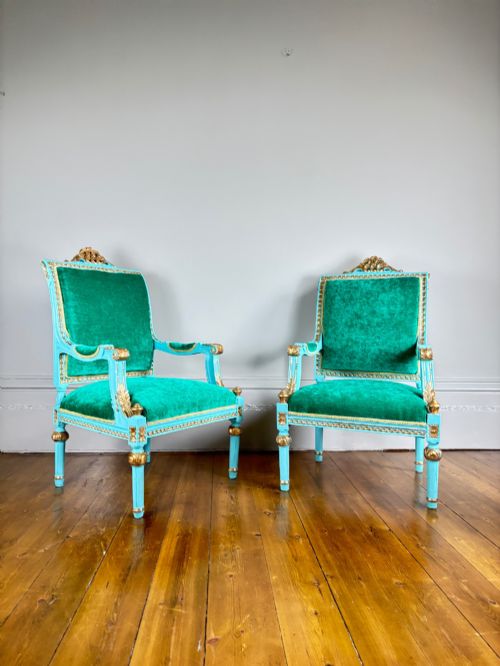
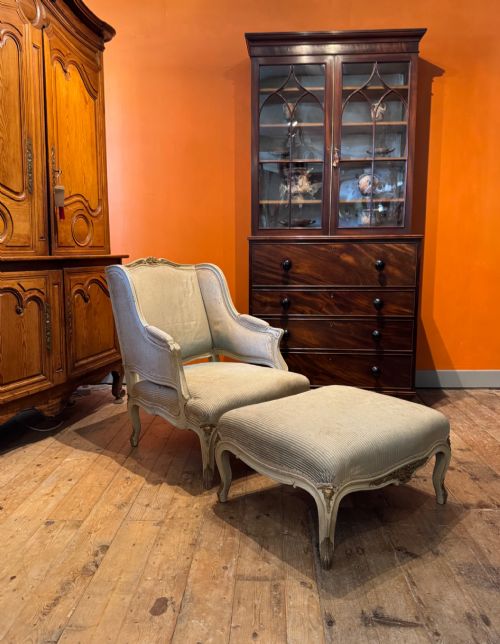
When you search for painted French seating, you encounter armchairs, bergères, settees, and stools dating from the eighteenth century through to the mid-twentieth century. The selection spans formal Louis XV and XVI revival pieces with carved details alongside relaxed country and provincial forms.
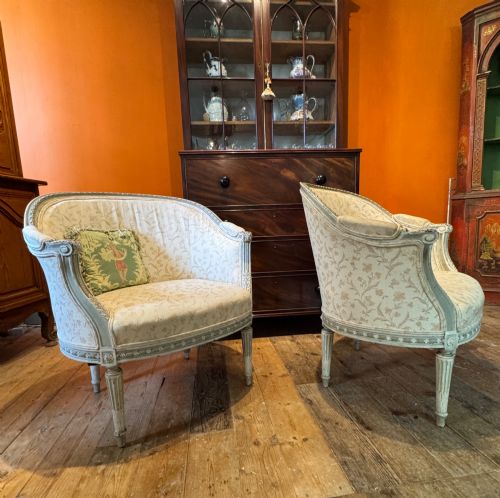
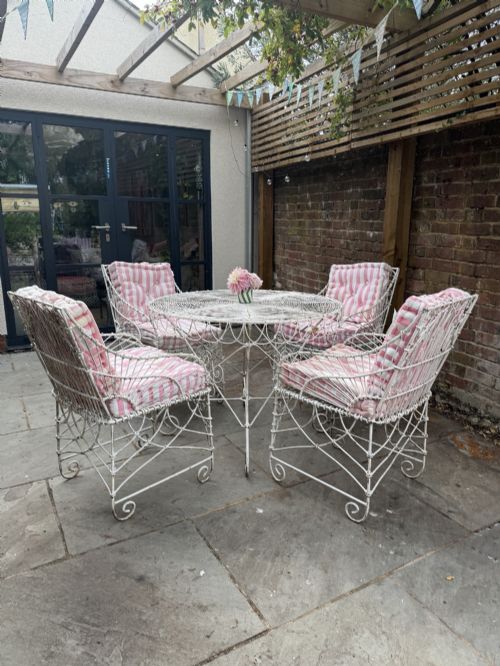
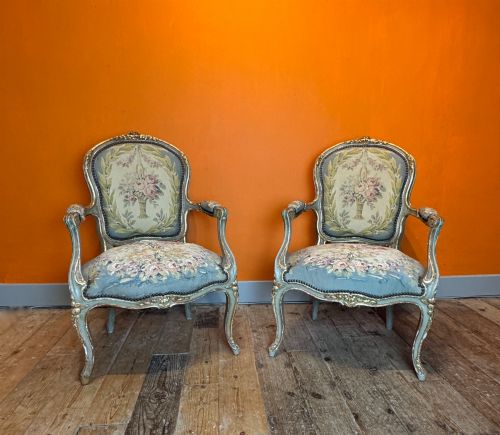
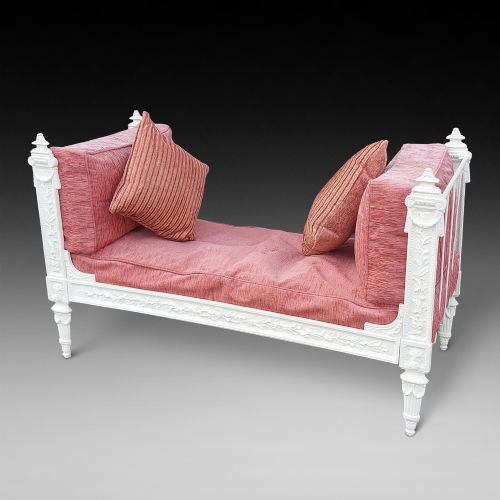
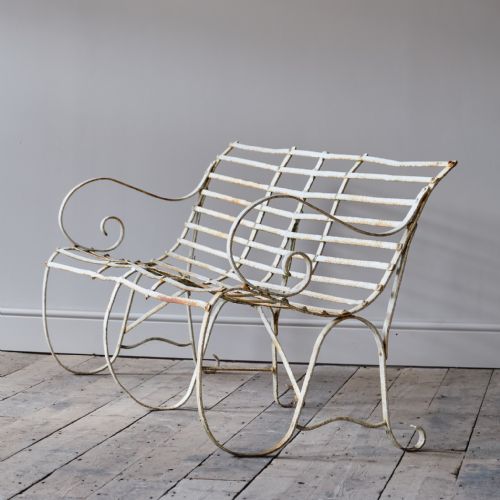
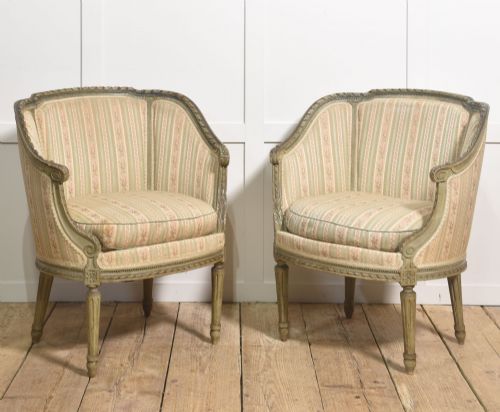
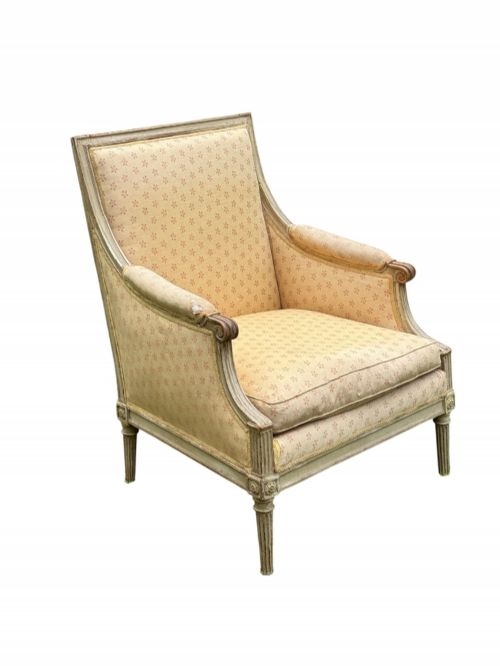
You are most likely to meet nineteenth-century armchairs and tub chairs finished in original paint, frequently paired with silk, tapestry, or needlepoint upholstery. Garden benches in wrought iron and painted wood also appear alongside salon chairs and daybeds.
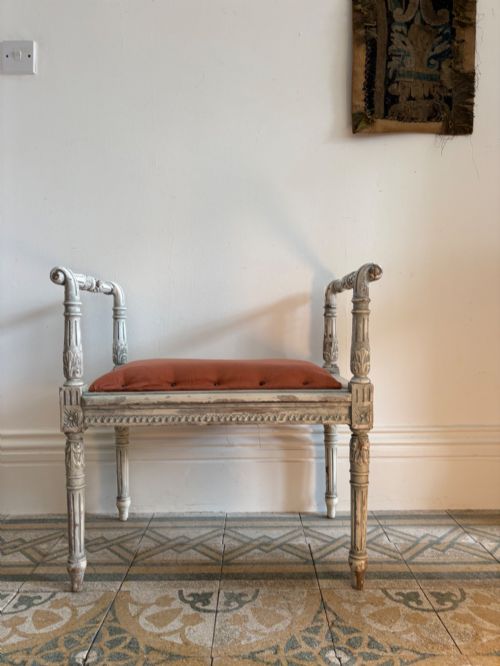
The regional and stylistic variations include Gustavian stools, Régence style window seats, and bamboo side chairs. Each piece reflects the shifting tastes of French design across successive centuries.
How they were made
The underlying frames are constructed from beech and other hardwoods, carved by hand or shaped to suit periods such as Louis XV and Neoclassical styles. Wrought iron and cast metal also form the structure for garden benches and daybeds.
Surfaces are finished with layers of paint, sometimes combined with gold leaf or parcel gilt highlights over gesso. Upholstery relies on traditional techniques utilising linen, silk, tapestry panels, and needlepoint.
Listings feature eighteenth-century pieces alongside mid-twentieth-century designs, dominated by beech and wrought iron frames.
What varies in quality
The distinction between standard and superior pieces rests on the integrity of the original paint surface and the crispness of the wood carving. Untouched paint layers and period gilding carry greater weight than later overpainting.
Upholstery choices also separate the tiers, with hand-stitched needlepoint and early tapestry panels marking out finer salon pieces from domestic seating. Structural stability in the joinery and original hardware complete the assessment.
Henri Jacob
The Painted French Seating Glossary
- Bergère
- An enclosed upholstered armchair with wooden sides and an exposed frame. This form originated in France during the eighteenth century.
- Fauteuil
- An open-framed upholstered armchair with wooden armrests. The style is typical of French period seating.
- Duchesse Brisée
- A chaise longue split into two or three parts, combining a chair with a low stool or footrest. It is designed for reclining.
- Parcel Gilt
- A surface treatment where parts of a painted or wood object are highlighted with thin sheets of gold leaf. It creates contrast against the base coat.
Painted French Seating: Frequently Asked Questions
How do I identify a true period piece?
Examine the construction joints, timber wear, and the application of the paint surface. Period pieces display tool marks and material ageing consistent with eighteenth and nineteenth-century workshops.
Compare the carving style and proportions against documented examples from specific reigns such as Louis XVI. Original upholstery webbing and tack patterns also provide reliable chronological markers.
Can I use these chairs in a modern room?
These painted pieces integrate easily into contemporary interiors by providing textural contrast against clean walls and modern materials. Their muted painted finishes work well alongside neutral palettes and timber floors.
Armchairs and small settees function effectively as accent seating in living spaces or bedrooms. Their scale allows them to sit comfortably alongside twentieth-century furniture.
How should I care for original paint?
Dust surfaces gently with a dry, soft cloth and avoid chemical cleaners that can strip fragile or aged finishes. Keep seating away from direct sunlight and moisture to prevent the paint from flaking.
If the painted surface is particularly chalky or unstable, consult a professional conservator rather than attempting DIY repairs. Gentle handling preserves the remaining history of the piece.