
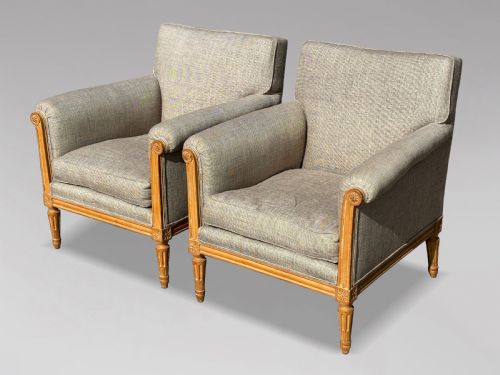


French Chateau Chairs
French chateau chairs bring stately proportions and carved timber framing straight into the room.
Identifying french chateau chairs
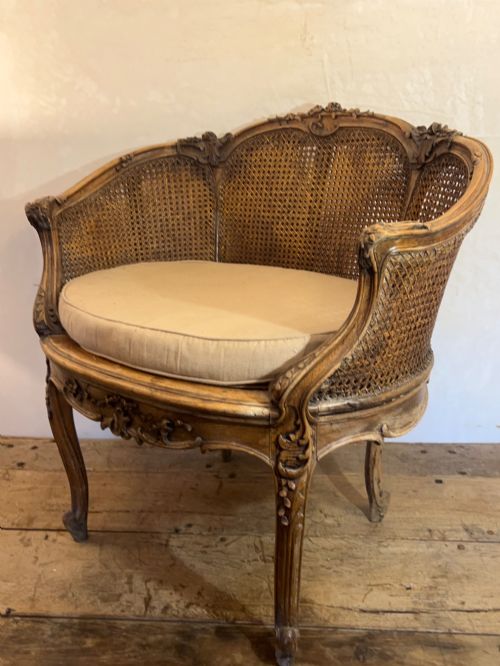
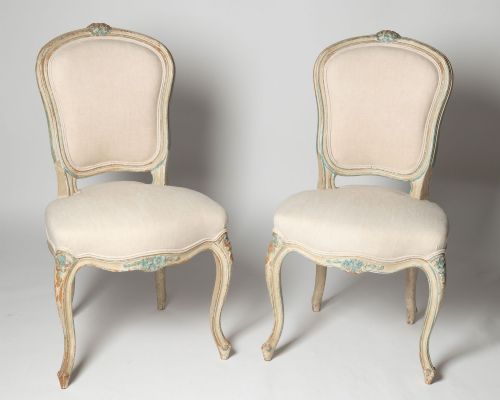
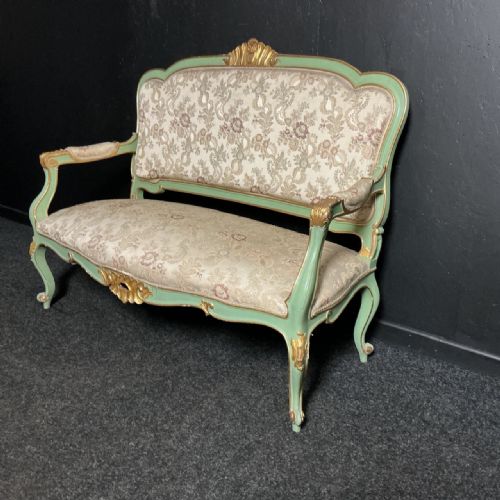
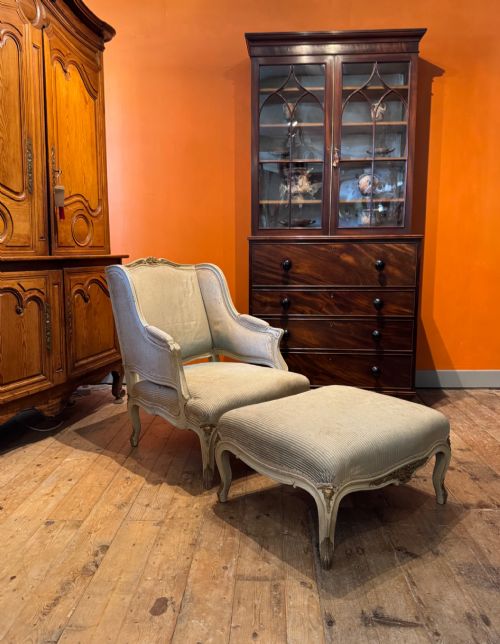
When you search for french chateau chairs, you encounter seating built during the nineteenth century across periods spanning eighteen sixty to nineteen hundred. These pieces encompass oak framed dining chairs, gilded armchairs, and carved walnut side chairs reflecting historical revival aesthetics.
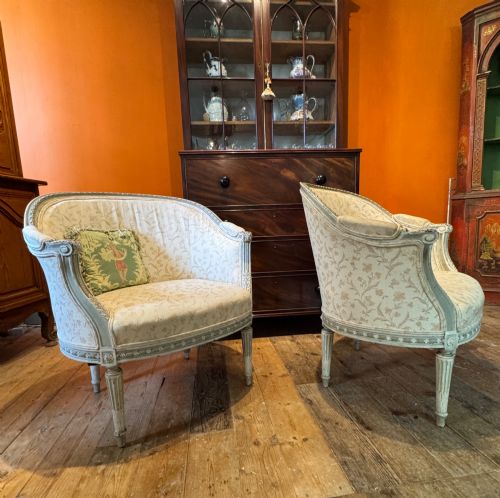
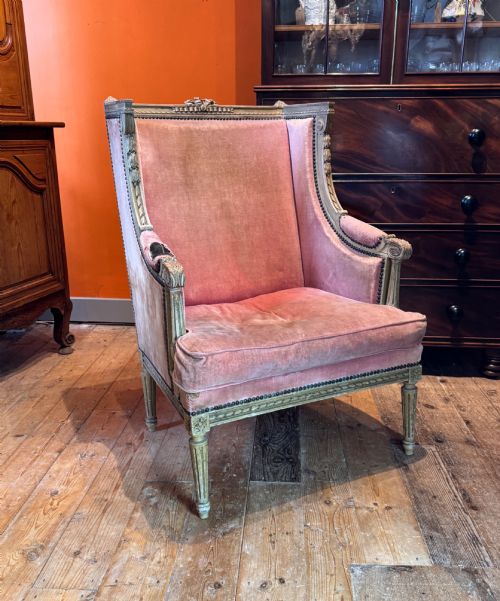
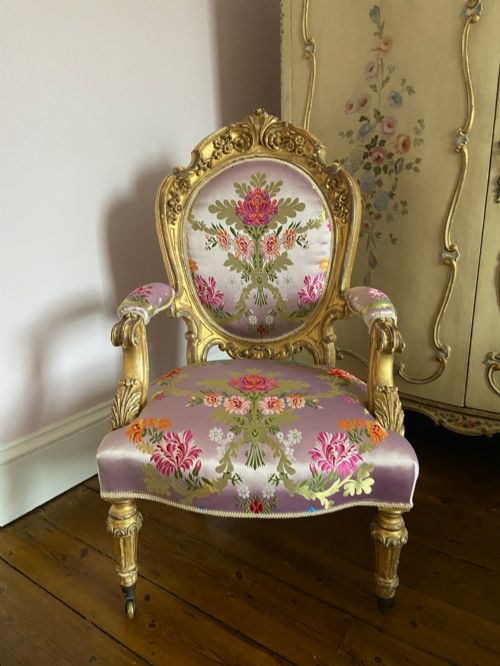
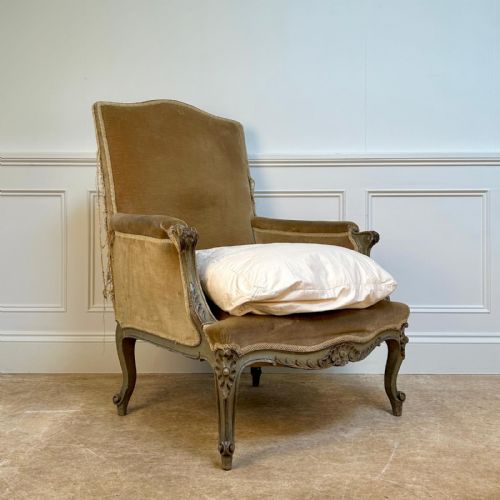
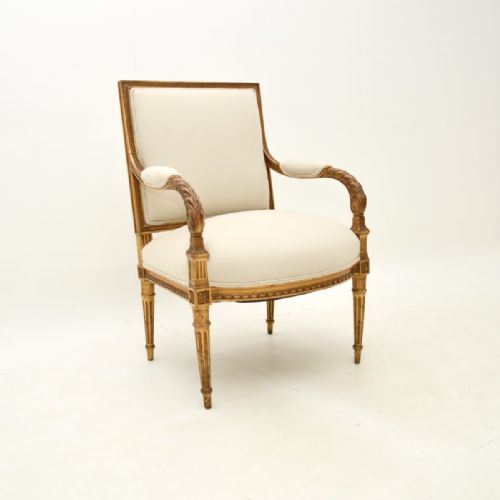
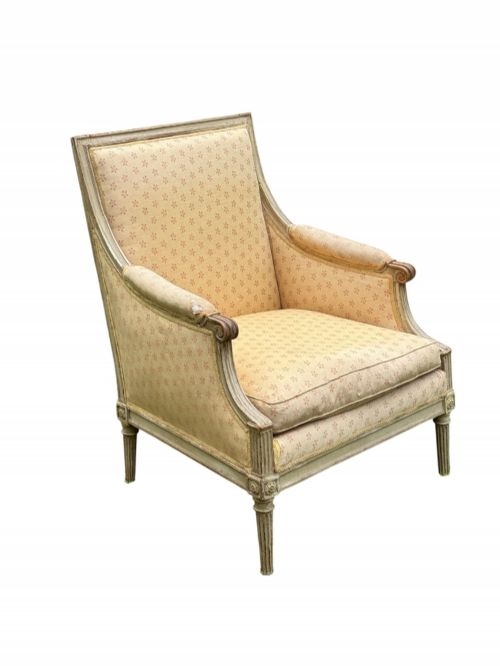
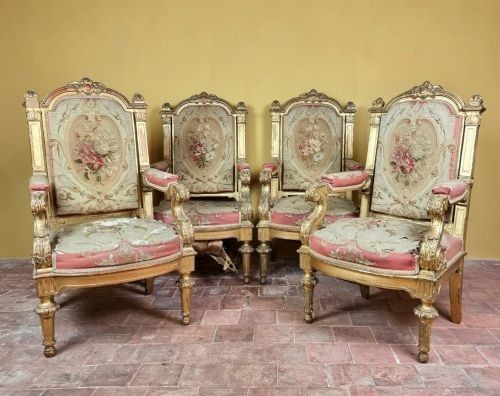
The selections most frequently met on this page include pairs of bergere armchairs and open armchairs finished with giltwood or timber frames. Dining sets also appear, featuring robust oak construction suited to formal interiors.
Design vocabulary leans heavily into Louis XVI and Louis XV revival styles, alongside French rococo revival influences. These historical idioms dictate the curvilinear or rectilinear framing and ornamental carving found throughout the inventory.
Construction and materials
Craftsmen built these frames using solid hardwoods such as oak, walnut, beech, and general timber. Structural integrity relied on traditional joinery methods suited to supporting upholstered components.
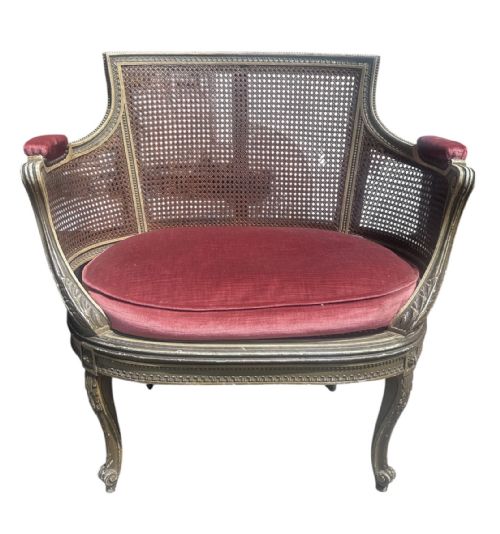
Surface treatments combine carved woodwork with applied giltwood finishes and brass elements. Upholstery utilises tactile textiles, including plush velvet and woven tapestry fabric.
Retail Price Guide 2026
Typical UK retail prices for french chateau chairs, calculated from the Sellingantiques database of over a million retail prices indexed since 2003. This retail price guide relies exclusively on Sellingantiques data; no external sources or auction records are used, so the figures do not describe the wider market.
Listings span four distinct periods: eighteen sixty, eighteen eighty, nineteenth century broadly, and nineteen hundred.
Judging quality in nineteenth century seating
Quality rests primarily on the depth and crispness of the hand carving executed across the timber frame. Superior examples display fluid, precise botanical or scroll motifs rather than shallow or mechanical pressing.
The choice of primary material and finish dictates overall presence, with genuine giltwood surfaces outshining simpler painted or varnished alternatives. Structural weight and the retention of period textiles further separate standard seating from exceptional pieces.
The French Chateau Chairs Glossary
- Bergere
- An enclosed upholstered armchair with wooden framing around the sides and back. This enclosed style gained popularity during the eighteenth century and saw robust revival production in the nineteenth.
- Giltwood
- Timber coated with a thin layer of gold leaf or gold paint. This technique added opulent reflectivity to formal salon seating.
- Louis XV Revival
- A design style imitating the flowing, asymmetrical curves and rococo motifs of the mid-eighteenth French court. It dominates many nineteenth century chateau chairs.
- Louis XVI Revival
- An aesthetic characterised by neoclassical straight lines, fluted legs, and geometric framing. This style provides a more restrained contrast to earlier rococo curves.
- Tapestry
- A heavy hand-woven or jacquard fabric depicting pictorial scenes or floral patterns. It serves as traditional upholstery for high-status historical seating.
Frequently Asked Questions
What defines french chateau chairs?
These seating pieces originate from nineteenth-century France and revival workshops, utilising hardwoods like oak, walnut, and beech. They typically feature carved frames and upholstered seats influenced by Louis styles.
Craftsmanship focuses on ornamental detail, ranging from open armchairs to heavy dining sets and gilded bergere pairs.
How were these chairs used historically?
Dining chairs populated large estate dining rooms for formal meals and gatherings. Armchairs and side chairs functioned as salon seating for entertaining guests.
Bergere chairs provided enclosed comfort for reading and conversing in private withdrawing rooms.
How do I live with antique chairs?
Integrate them into modern living spaces as accent seating or around a sturdy dining table. Ensure placement avoids direct sunlight to protect vintage fabrics and gilt finishes.
Treat upholstered surfaces with care and maintain timber frames using appropriate wood conditioning methods.
How can I tell periods apart?
Nineteenth-century revival pieces often copy distinct eighteenth-century reigns through specific decorative cues. Louis XV revival leans into curves, cabriole legs, and asymmetrical floral carvings.
Louis XVI revival shifts toward straight fluted legs, rectangular backs, and classical symmetry.