



Painted Folk Art Carvings
These painted folk art carvings bring domestic and rural history into the room through hand-cut timber and weathered pigment.
Painted Folk Art Carvings
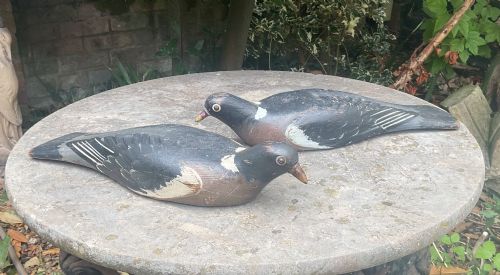
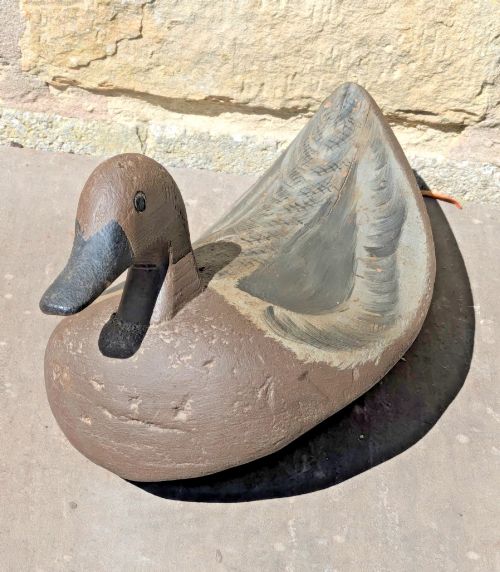
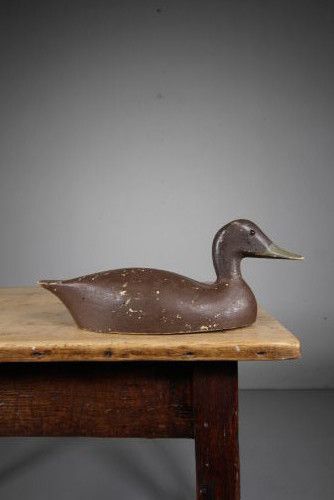
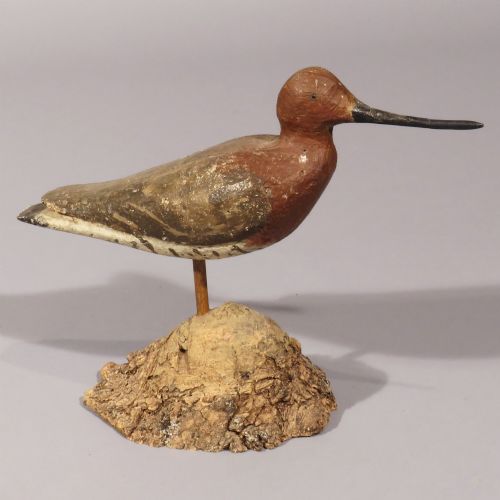
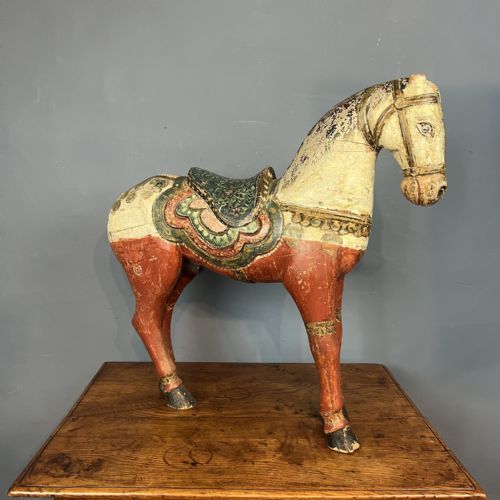
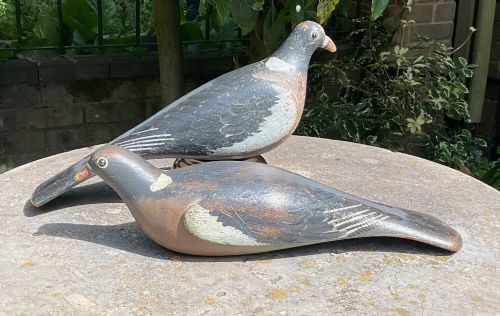
Painted folk art carvings encompass a diverse range of hand-worked wooden objects made for practical use, amusement or devotion across the eighteenth, nineteenth and twentieth centuries. When exploring painted folk art carvings, buyers frequently encounter working bird decoys, religious figures, architectural fragments and fairground survivals.
The selections span English, American, Italian, Indian and Chinese origins, reflecting local traditions of working timber with hand tools. Domestic pieces sit alongside larger carousel figures, whirligigs and tradesman figures, each retaining its original surface and layered paintwork.
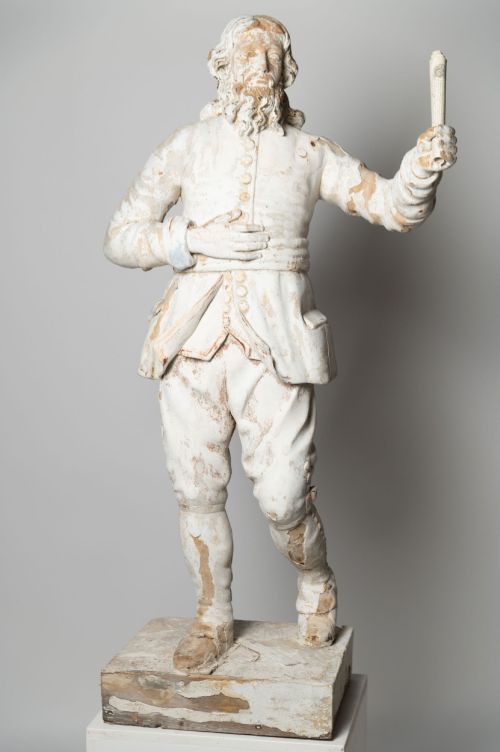
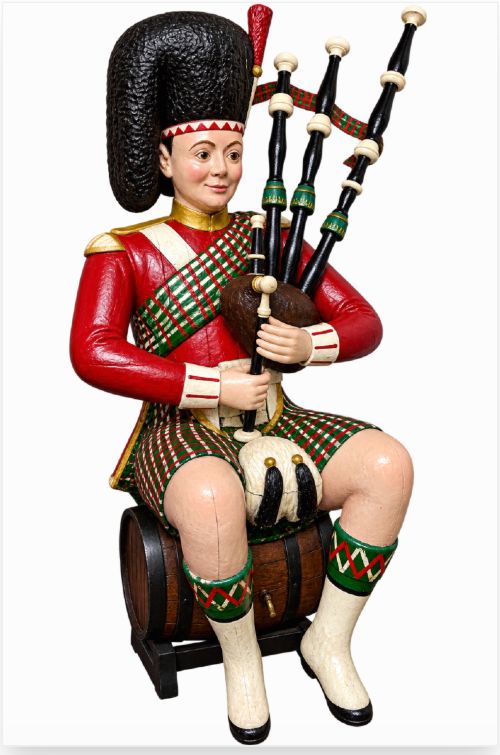
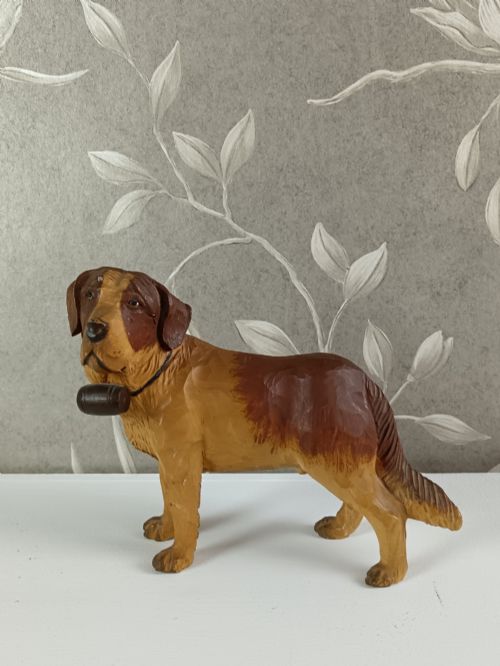
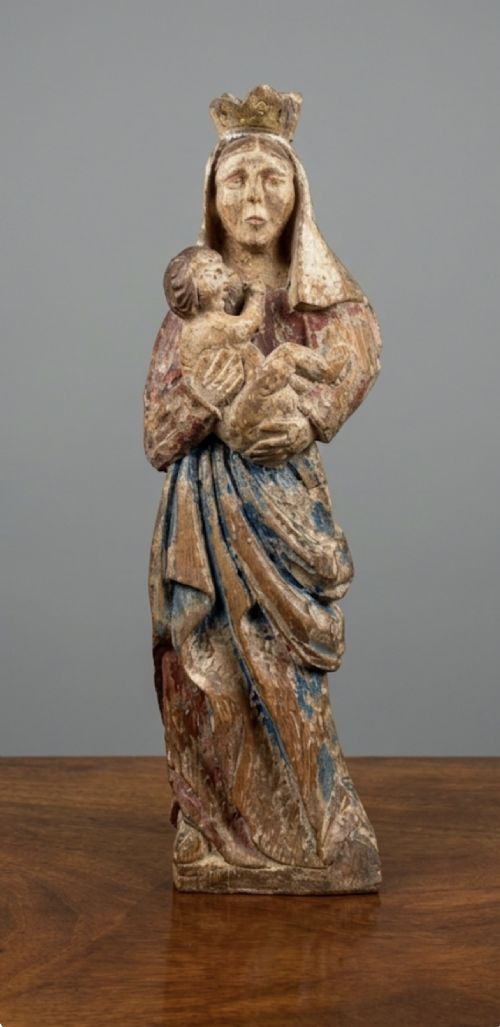
Decoys and animal sculptures dominate the selections, alongside human figures ranging from saints to bagpipers. These objects emerge from rural workshops, coastal communities and fairground yards rather than metropolitan academies.
How they were made
Maker's tools typically include drawknives, gouges and chisels applied to native timbers such as pine, fruitwood and hardwood. Carvers shaped the blocks directly, leaving tool marks visible beneath subsequent layers of oil or water-based paint.
Polychrome paint, gesso and iron elements complete the construction, often applied in multiple coats as surfaces were updated or repaired through decades of use. Decoys and carousel panels show the practical deployment of lead weights, metal brackets and layered pigments designed to withstand weather or constant handling.
Listings feature timbers such as pine and fruitwood paired with original polychrome paint, gesso and iron fixings across the nineteenth and twentieth centuries.
What varies in quality
Quality rests in the vigour of the carving and the integrity of the original surface paint rather than mechanical polish. A piece with unstripped, weathered pigment and strong anatomical character commands greater attention than one with compromised or later overpaint.
The directness of the maker's hand defines the upper tier, where simple lines capture the spirit of an animal, a human subject or a working decoy. Proportion, balance and the natural patination acquired through age distinguish exceptional regional works from routine production.
H.S Andy Anderson
The Painted Folk Art Carvings Glossary
- Decoy
- A carved and painted wooden representation of a bird or animal used historically to attract wildfowl. Makers shaped these floats and field markers from solid timber, often adding lead ballast weights.
- Polychrome
- Painted or decorated in several colours. This surface treatment appears on figures, carousel fragments and religious carvings.
- Trampart
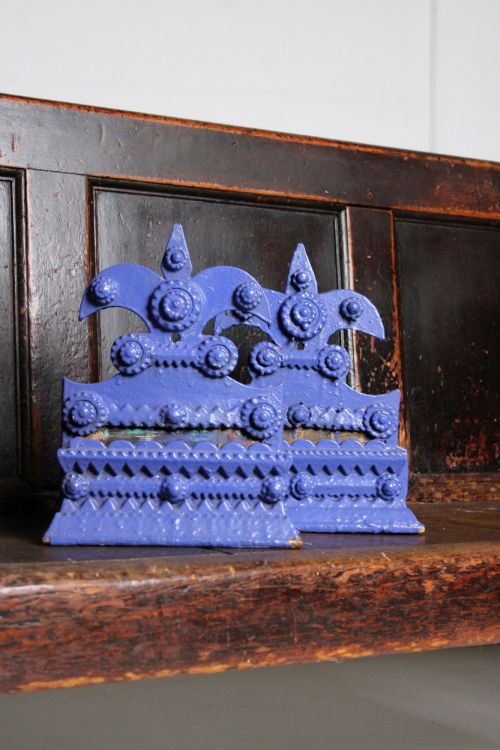
- A style of woodworking created by chip-carving small geometric patterns from notched boxwood or cigar boxes. Pieces are built up layer by layer without professional joinery.
- Whirligig
- A wind-driven mechanical folk art figure with moving parts such as rotating arms or propellers. These objects operated outdoors on roofs and garden poles.
- Cart fragment
- A surviving portion of an ornate regional vehicle, such as a Sicilian painted cart panel. These remnants retain vibrant decorative painting and carved reliefs.
Painted Folk Art Carvings: Frequently Asked Questions
What are painted folk art carvings?
They are hand-carved wooden objects created by vernacular craftspeople for everyday use, religious devotion or entertainment. The category includes working decoys, fairground fragments, animal figures and religious statues.
Most items date from the eighteenth to the mid-twentieth century and retain their original painted surfaces. Each piece reflects the specific regional materials and carving traditions of its origin.
How were wooden decoys used?
Hunters floated or staked wooden bird decoys on lakes, marshes and coastal waters to attract wildfowl within range. Makers weighted the bases with lead or iron to keep them upright in rough water.
Over decades of seasonal use, these working objects acquired multiple layers of protective paint and weather-worn patination. Today they function purely as decorative sculptures.
How can I date a carved wooden figure?
Dating relies on tool marks, timber choice, style and the composition of the paint layers. Eighteenth and nineteenth-century pieces often display hand- forged iron fixings and adze or drawknife marks.
Later pieces from the twentieth century frequently utilise machine-sawn timber or modern synthetic pigments. Comparing the wear patterns with known regional types helps narrow the decade.
How do I care for antique carved wood?
Keep wooden carvings away from direct sunlight, central heating vents and damp environments to prevent timber from splitting. Dust them gently with a dry, soft brush rather than liquid cleaners.
Avoid waxing painted surfaces, as old polychrome and gesso can lift or dissolve under modern chemical solvents. Stable indoor humidity preserves both the wood and the historic paint.