



Antique Wall Mounted Boxes
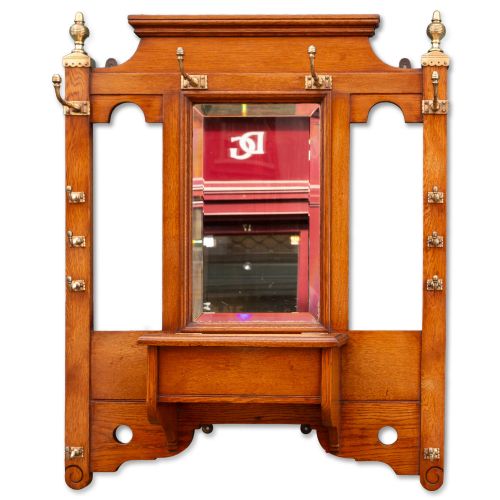
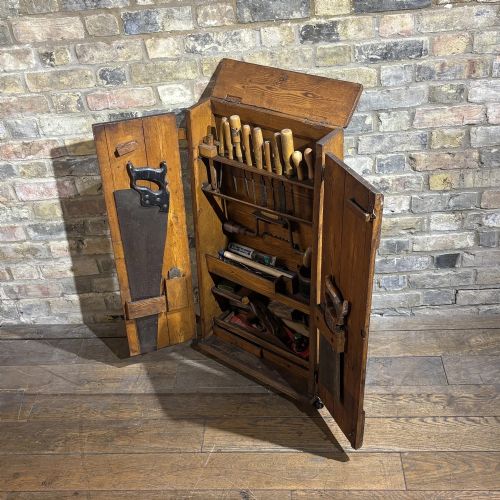
These antique wall mounted boxes are practical timber, iron and brass receptacles designed to organise letters, keys and tools directly upon the wall.
Antique Wall Mounted Boxes
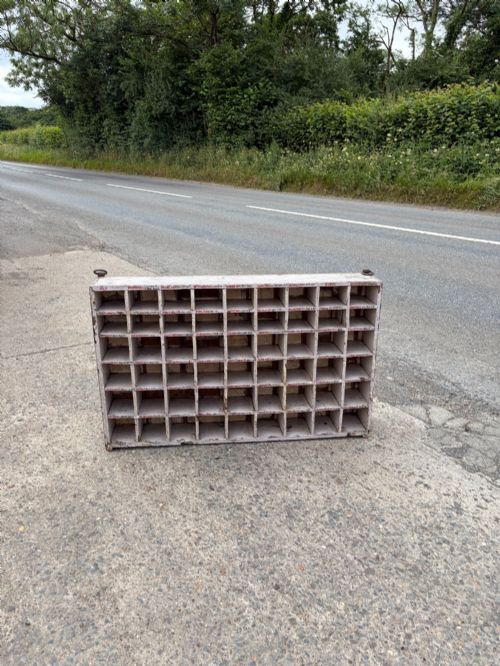
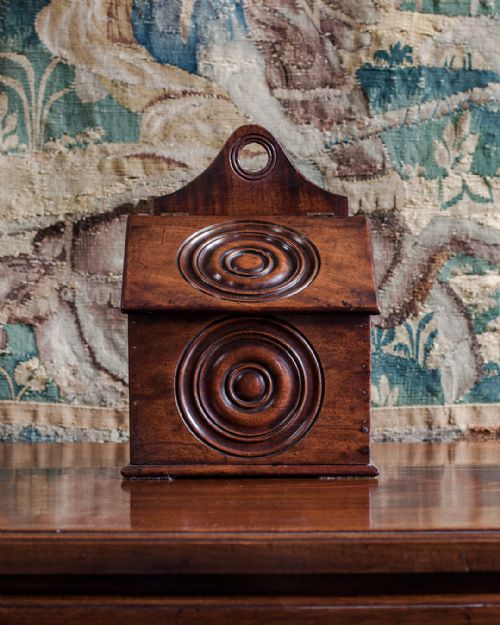
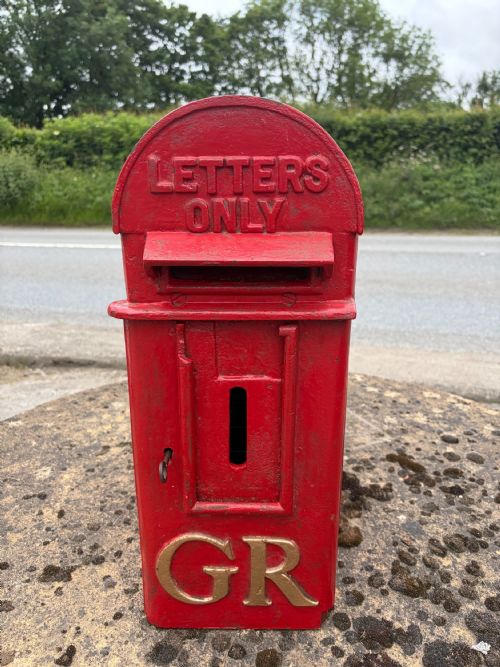
When you search for antique wall mounted boxes, you encounter an array of functional containers designed to save floor and table space in homes and public offices. The selections here span postal receptacles, key cupboards, salt boxes, and kitchen knife hanging boxes originating across the nineteenth and early twentieth centuries.
You are most likely to meet utilitarian oak and brass letter boxes or pitch pine tool cabinets from the Victorian and Edwardian eras. These domestic and commercial survivors combine heavy timber construction with brass hardware, reflecting the administrative and storage needs of past households.
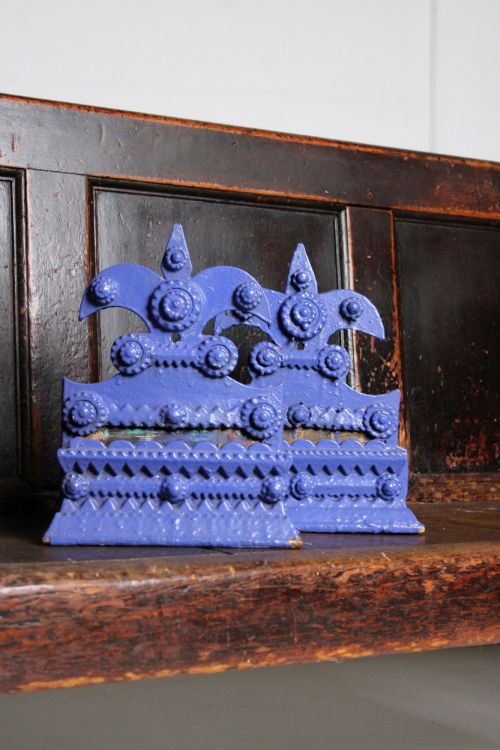
The assortment also encompasses specialised items like cast iron post boxes, Amsterdam School match box holders in ebony veneer, and folk art tramp art constructions. Each piece demonstrates how everyday organizational tasks generated diverse wooden and metal hanging containers.
How they were made
Constructed primarily from oak, pitch pine, mahogany, and occasional exotic veneers such as Madagascar ebony, these wall boxes rely on solid timber foundations built to endure daily handling. Cabinetmakers utilised dovetail joints and sturdy panel construction to ensure the enclosures remained rigid when mounted.
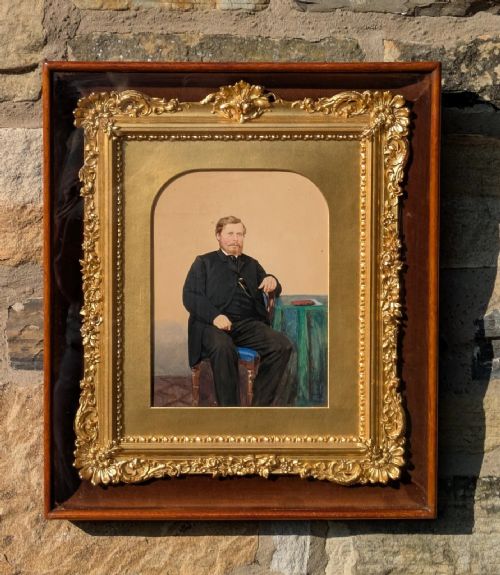
Metal components in brass, cast iron, and white metal provide structural reinforcement and functional hardware, including hooks, hinges, and glazed framing. Painted surfaces, velvet mounts, and carved or gilded detailing appear on more decorative display cases and framed compartments.
Antique Wall Mounted Boxes Retail Price Guide 2026
Typical asking prices for wall mounted boxes among the pieces listed under this phrase on Sellingantiques today, from the lower quarter to the upper quarter. They describe what is for sale here now, not the wider market.
Some night porters kept their keys in a dedicated cupboard, ensuring guests could stumble home late without waking the household.
What varies in quality
The standard of a wall mounted box rests upon the selection of timber, the crispness of any carving, and the integrity of the original hardware. Heavier hardwoods and intact brass fixtures indicate a higher grade of manufacture intended for commercial or formal domestic use.
Finishing details distinguish everyday utilitarian items from decorative pieces, such as fine gilt framing, velvet linings, or intricate tramp art layering. The survival of original paint, glass, and locking mechanisms also elevates the standing of an individual box.
The Antique Wall Mounted Boxes Glossary
- Tramp art
- A woodworking style involving chip-carving small pieces of wood, often from scrap cigar boxes, and layering them in geometric patterns.
- Pitch pine
- A durable resinous softwood commonly utilised for nineteenth-century utilitarian furniture and workshop cabinets.
- Amsterdam School
- An architectural and design movement from the early twentieth century characterised by expressive forms and rich veneer work.
- Salt box
- A traditional sloped-lid container traditionally hung on a kitchen wall to keep coarse salt dry.
- Vending cabinet
- A commercial wall-mounted enclosure designed to dispense proprietary goods upon insertion of coins.
Antique Wall Mounted Boxes: Frequently Asked Questions
Where were wall boxes placed?
These boxes hung near front doors, in kitchens, or within offices where sorting post, holding keys, or storing tools required immediate access.
Domestic spaces utilised salt boxes and knife holders near hearths, while commercial hallways relied on letter drops and key cupboards.
How do I mount an old wall box?
Examine the existing rear screw holes or brackets to determine the original weight distribution before hanging.
Because antique timbers are heavy, secure fixings into wall studs or appropriate masonry anchors ensure safe support.
What woods are most common?
Oak and pitch pine appear frequently in nineteenth-century utilitarian boxes due to their structural strength.
Mahogany and specialised veneers like Madagascar ebony indicate more refined domestic or decorative examples.
How do I date these boxes?
Hardware styles, locking mechanisms, and timber preparation methods offer primary clues to a box's period of origin.
Inscriptions, postal ciphers, and distinct design movements like the Amsterdam School help narrow the decade of manufacture.