




Folk Art Wall Boxes
These folk art wall boxes bring handmade maritime models and primitive cabinetry into living spaces, offering authentic historical character for domestic display.
Folk Art Wall Boxes
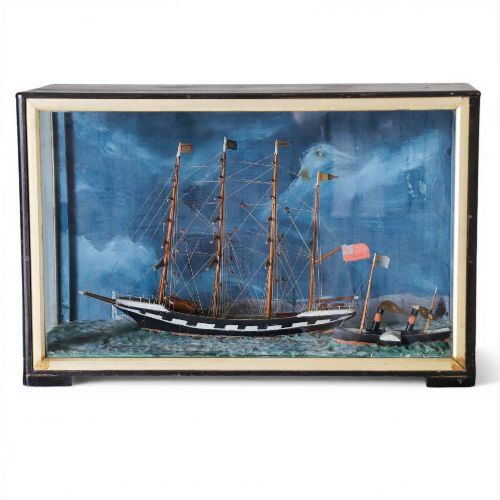
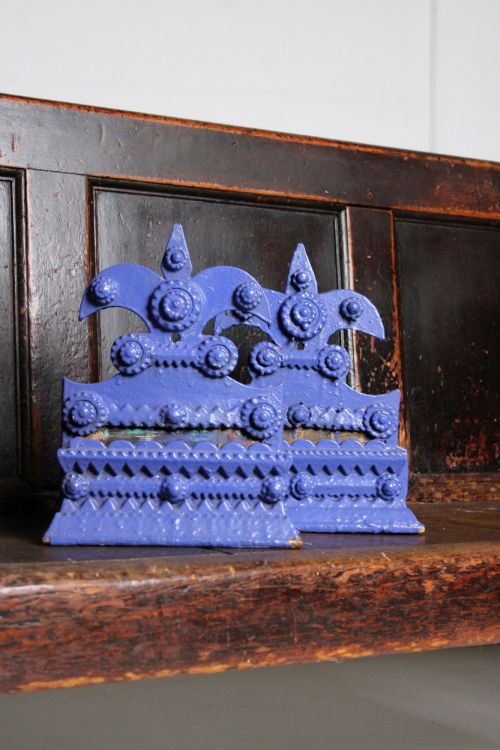
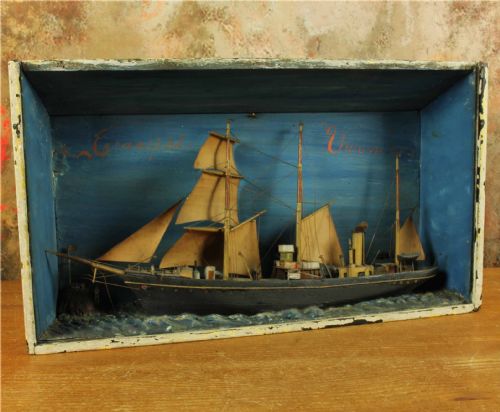
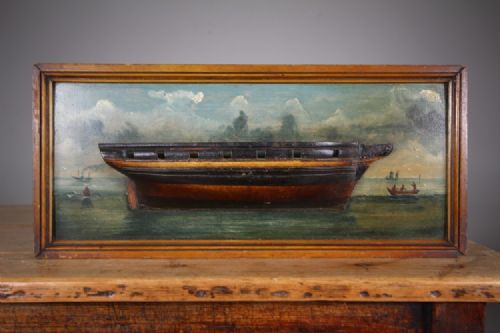
When buyers search for folk art wall boxes, they encounter an eclectic mix of cased maritime dioramas, scratch-built ship models, and primitive hanging cabinets. These pieces span from the eighteenth century through the early twentieth century, reflecting varied domestic and nautical traditions across Britain and Europe.
The selection here most frequently includes shadow box dioramas depicting sailing vessels alongside wall-mounted tramp art boxes and painted pine containers. Each piece serves as a compact display object originally made for functional storage or coastal remembrance.
Origins stretch from English and Welsh workshops to French, Swedish, and Eastern European makers. This geographical spread introduces diverse regional construction methods while maintaining a shared utilitarian folk aesthetic.
How they were made
Makers utilised timber such as oak and pine, shaping the wood with basic hand tools to construct simple boxes, cabinets, and shallow shadow frames. Glass panels frequently front these boxes to protect delicate interior models and painted scenes from dust and damage.
Surfaces often show layers of early paint applied directly to the wood, whilst maritime dioramas incorporate canvas, paper, fabric, and plaster to build up coastal townscapes and sea waves. Scratch-built components demonstrate ingenious use of everyday materials by self-taught artisans.
Folk Art Wall Boxes Retail Price Guide 2026
Typical asking prices for folk art wall boxes among the pieces listed under this phrase on Sellingantiques today, from the lower quarter to the upper quarter. They describe what is for sale here now, not the wider market.
The documented styles range from British and European folk art to specific maritime dioramas and French country wall cabinets.
What varies in quality
The strength of the visual composition separates simpler utilitarian boxes from masterwork dioramas. Intricate detail within ship models and townscapes elevates a piece, showing superior spatial arrangement and patient handwork by the maker.
Surface preservation plays a major role, particularly the retention of original painted finishes and undisturbed glass frontages. Pieces retaining honest patination without aggressive restoration sit at the higher end of desirability for collectors.
The Folk Art Wall Boxes Glossary
- Diorama
- A three-dimensional scene enclosed in a box, often featuring a model ship set against a painted background.
- Tramp art
- A style of woodwork where small items are constructed from scrap timber, utilising chip-carving techniques with pocket knives.
- Primitive
- A term describing objects made with basic techniques and rustic charm, lacking academic refinement.
- Shadow box
- A deep, glass-fronted frame designed to display objects or models in relief on a wall.
- Patina
- The surface sheen and colour developed on wood and paint through age and handling.
Folk Art Wall Boxes: Frequently Asked Questions
How were maritime dioramas used?
Sailors, coastal residents, and maritime enthusiasts displayed these cased ship models on domestic walls to commemorate voyages or naval trades. The glass case protected the delicate paper, canvas, and wooden components from the elements.
Over time, they transitioned from personal mementos to sought-after pieces of decorative folk art.
How do I date an antique wall box?
Dating relies on examining construction marks, timber types, and the composition of the box or frame. Eighteenth-century pieces typically show hand- forged iron nails and native woods like oak, whereas Victorian examples introduce machine-sawn elements and varied glass framing.
Paint analysis and stylistic traits of included ship models or townscapes also help narrow the period of origin.
Where should I hang a shadow box?
These boxes require stable wall spaces away from direct sunlight and damp conditions to preserve fragile interior materials like paper, plaster, and fabric. Secure fixings are essential due to the weight of timber frames and glass.
Placing them at eye level allows the intricate details of the models and painted scenes to be properly appreciated.