
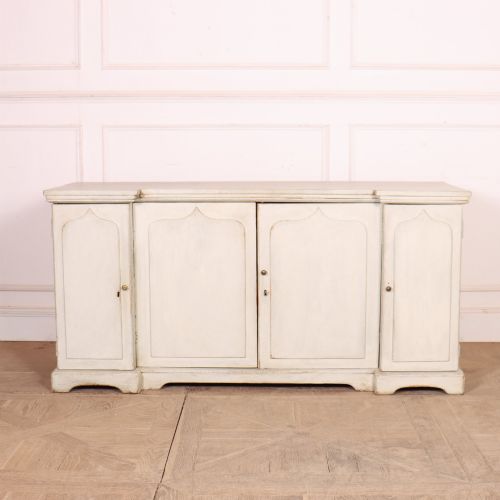
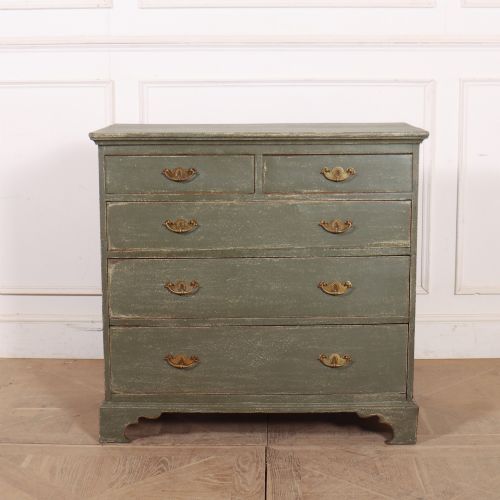
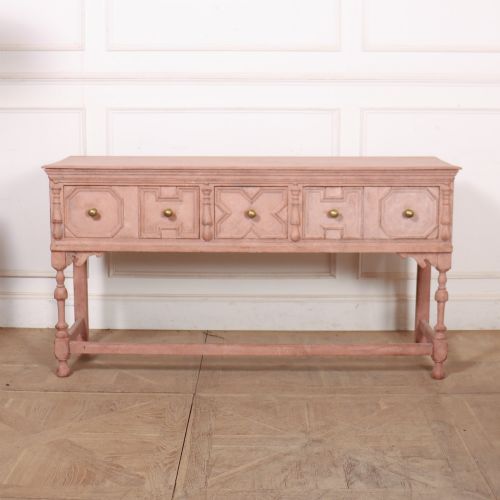
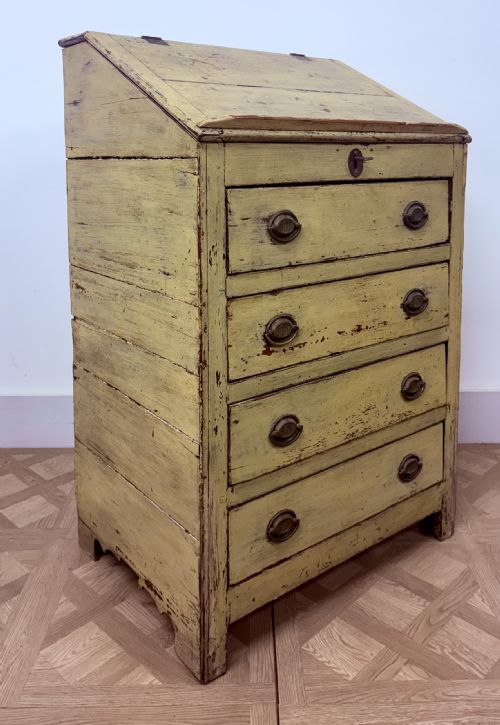
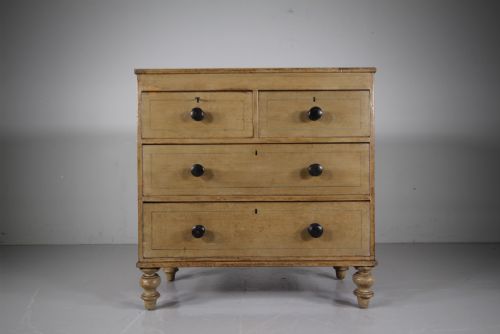
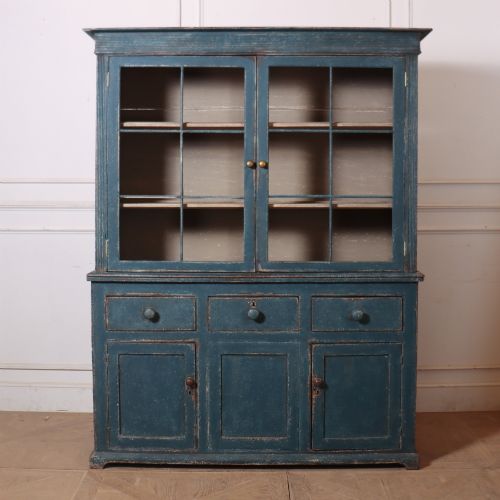
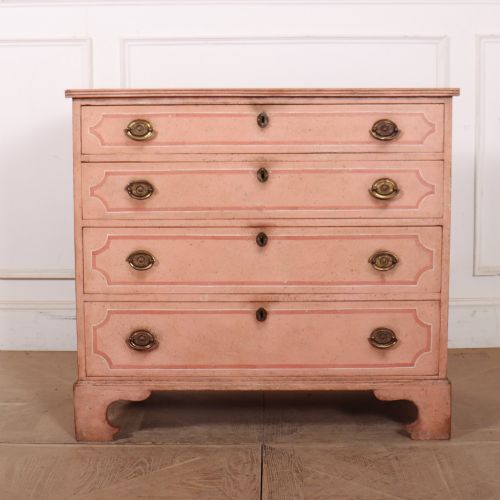
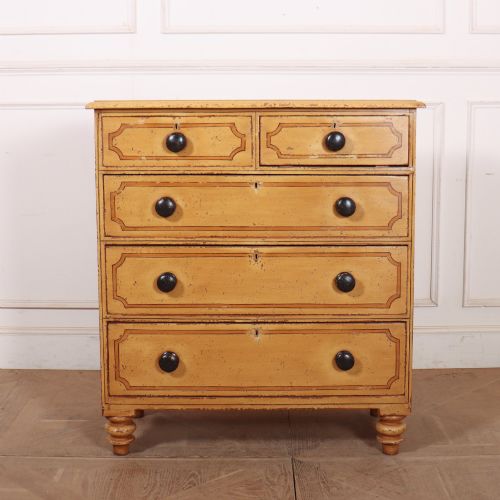



Painted English Dresser
A painted english dresser brings warmth and practical storage to a room through centuries of provincial craftsmanship.
Painted English Dresser
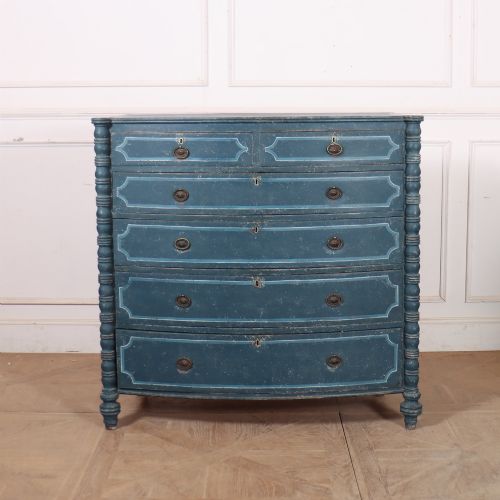
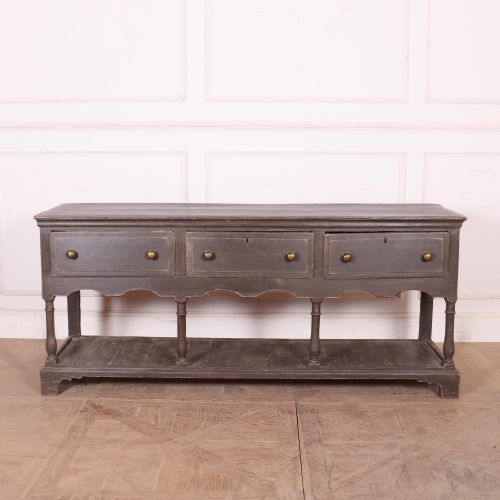
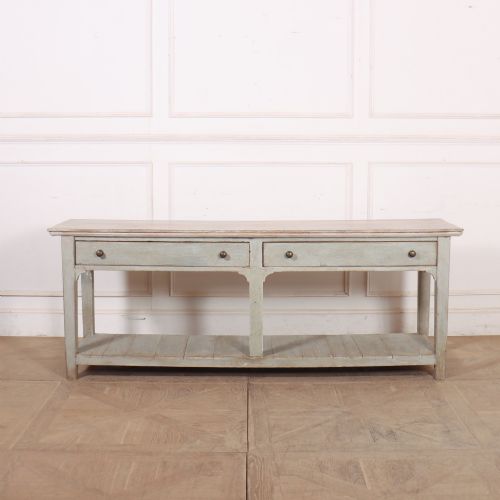
A painted english dresser combines utilitarian storage with surface display, taking forms such as kitchen dressers, dresser bases, and potboard units. These pieces span centuries from the seventeenth through the nineteenth century, reflecting the domestic habits of country houses and provincial homes.
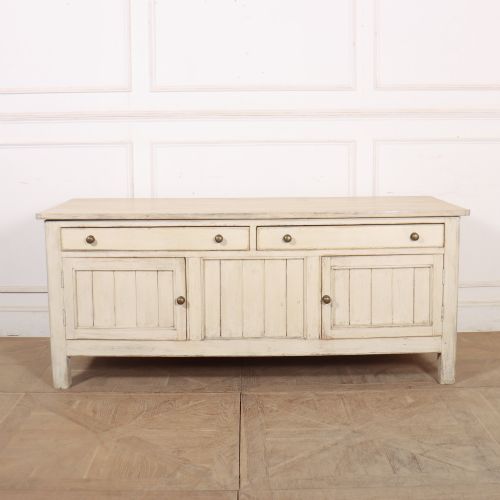
Most examples encountered here are kitchen dressers and dresser bases constructed from pine or oak. They often display regional characteristics, particularly from the West Country, combining open plate racks or enclosed shelving with drawers and lower cupboards.
Materials and Construction
Makers utilised timber such as pine and oak for the primary carcase and structural elements. These woods provided the necessary sturdiness for daily domestic use in kitchens and dining spaces.
Surfaces received coats of paint, frequently in original pigments, or simulated finishes. Brass hardware often furnished the drawers and cupboards, adding functional detail to the painted timber.
Listings span periods from the 17th century through the 19th century, featuring pine, oak, and brass materials.
Evaluating the Pieces
The survival of original paint surfaces dictates much of the character in these items. Pieces retaining their early or original pigment layers demonstrate greater historical integrity than those stripped or repainted later.
Proportion and regional joinery define the distinction between standard utilitarian items and finer provincial work. Well-balanced potboard bases and breakfront formats show deliberate design within regional traditions.
The Painted English Dresser Glossary
- Potboard
- An open lower shelf on a dresser base designed for storing pots and heavy kitchenware. This lower tier sits just above the floor on short feet or stiles.
- Dresser Base
- The lower portion of a kitchen dresser functioning as a sideboard with drawers and cupboards. These pieces often stand alone without an upper plate rack.
- Breakfront
- A piece of furniture where the central section projects forward from the flanking sides. This configuration creates architectural depth in larger dresser bases and sideboards.
- Simulated Pine
- A painted surface treatment mimicking the grain and appearance of pine timber. Artisans applied this technique to alter or unify the appearance of the wood.
Painted English Dresser: Frequently Asked Questions
What is a potboard dresser?
A potboard dresser incorporates an open lower shelf beneath the main drawers or cupboards. This design originated to hold heavy kitchen pottery and cookware within easy reach.
Such lower boards provide structural stability to the base while offering practical display space for large domestic items.
How do I date an antique dresser?
Dating relies upon examining construction methods, timber choice, and hardware styles. Earlier pieces from the seventeenth and eighteenth centuries often employ oak and hand-cut joinery.
Later nineteenth-century examples frequently utilise pine and machine-sawn components alongside original painted finishes.
Where were these dressers made?
These pieces originated in domestic workshops and provincial regions across the country. West Country examples appear frequently among surviving regional kitchen furniture.
Local cabinet makers built them for country houses, farmhouses, and provincial kitchens using available local timber.
Are painted finishes original?
Many items retain early or original painted surfaces applied during their working life. Original paint shows natural wear and patination acquired through decades of domestic use.
Examinations of the pigment layers help distinguish between period finishes and subsequent decorative overpainting.