
Vintage Dark Sideboard
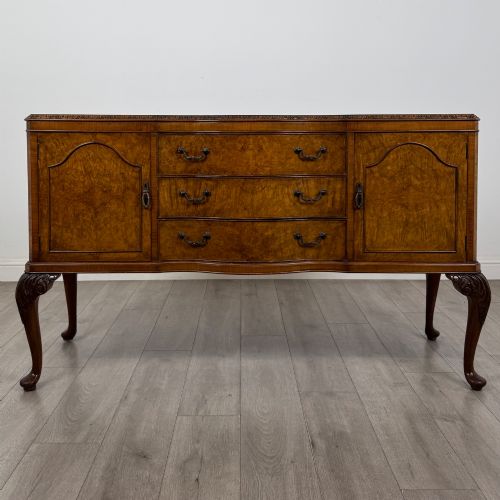
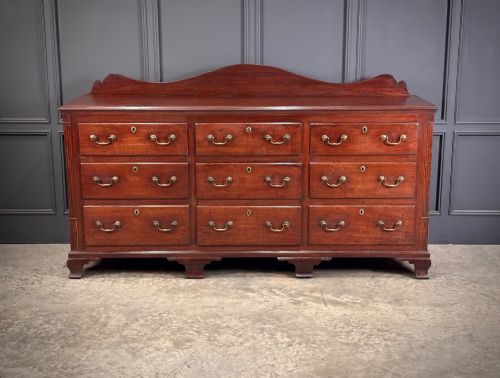
A vintage dark sideboard brings substantial timber storage into a room, spanning rich oak, mahogany and rosewood across Georgian to Edwardian periods.
Vintage Dark Sideboard
When searching for a vintage dark sideboard, buyers encounter a robust array of serving pieces, dressers, credenzas and cabinets designed for dining and living spaces. These pieces provide deep surfaces and enclosed storage, drawing on 18th century, Victorian and Edwardian traditions.
Makers and craftsmen utilised dense hardwoods and decorative veneers to create imposing furniture that anchors a room, incorporating practical drawers, cupboards and display spaces suited to both period and modern interiors.
Materials and construction
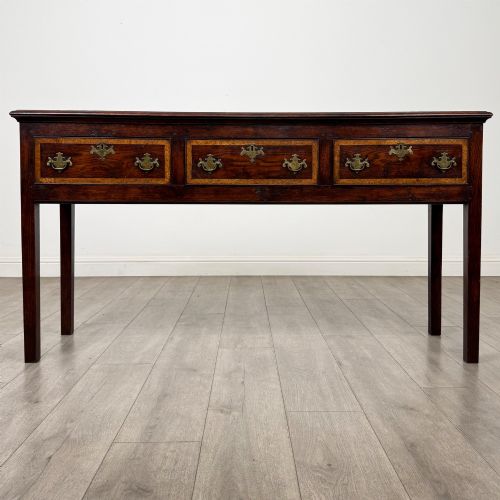
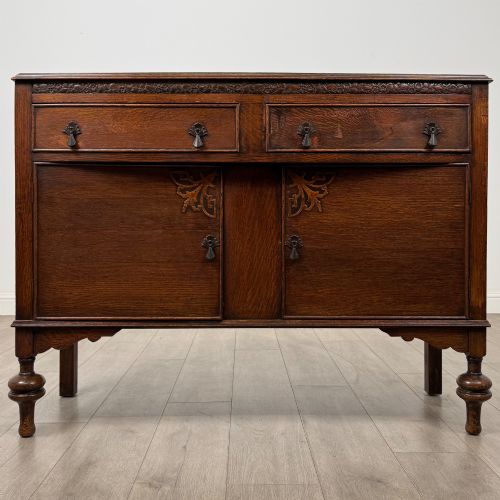
Construction relies heavily on durable timbers such as oak, mahogany and flame mahogany, often paired with secondary woods and fitted with brass or iron hardware. Carpenters employed traditional joinery techniques to build sturdy frames for heavy daily use in dining rooms and halls.
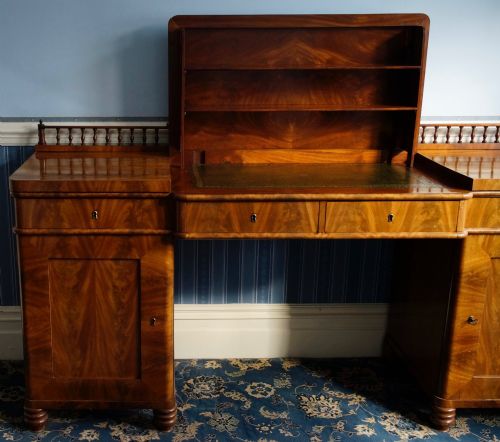
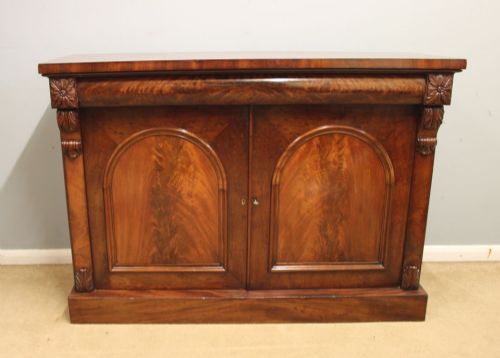
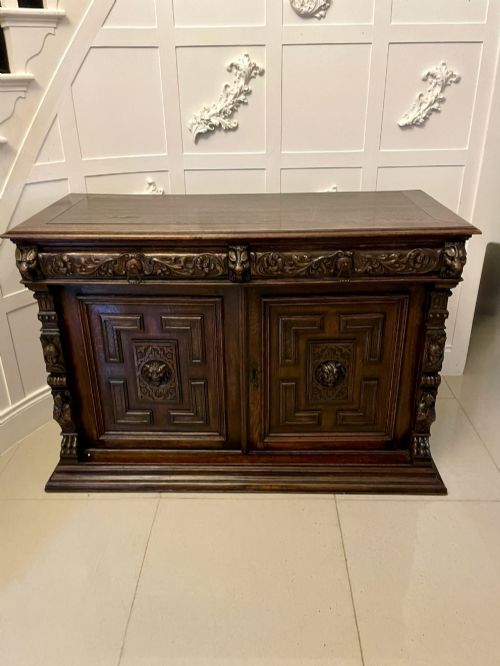
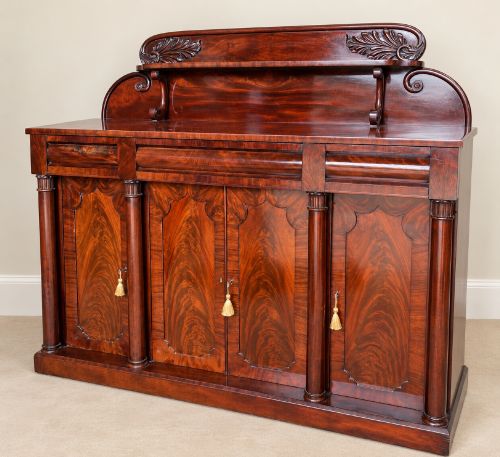
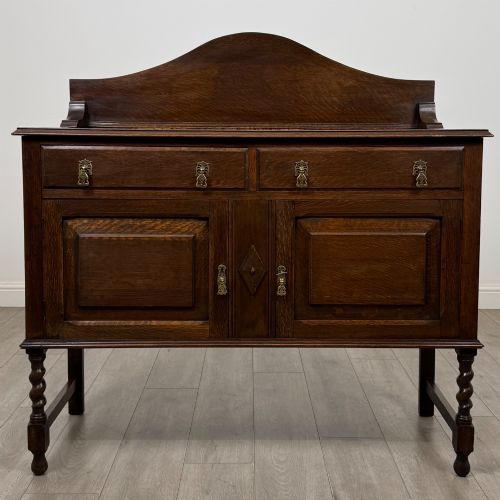
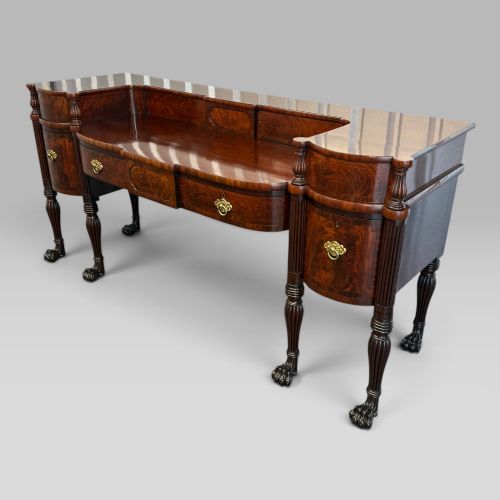
Surface finishes range from simple wax polishes on carved oak to highly figured flame mahogany veneers and inlaid details. Glass panels, mirrors and brass lion paw feet occasionally complete the construction, adding decorative contrast to the dark wood.
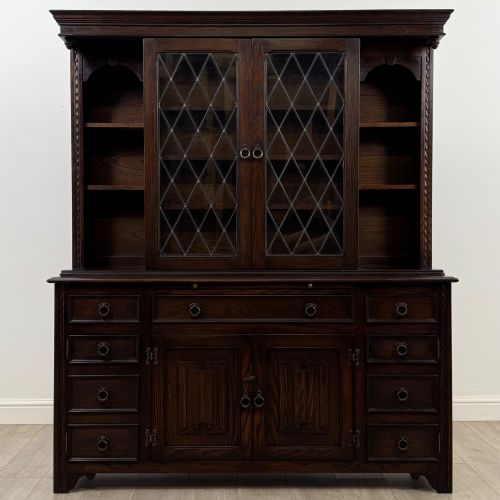
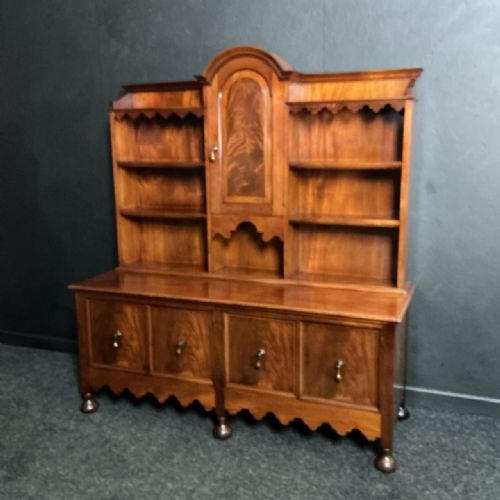
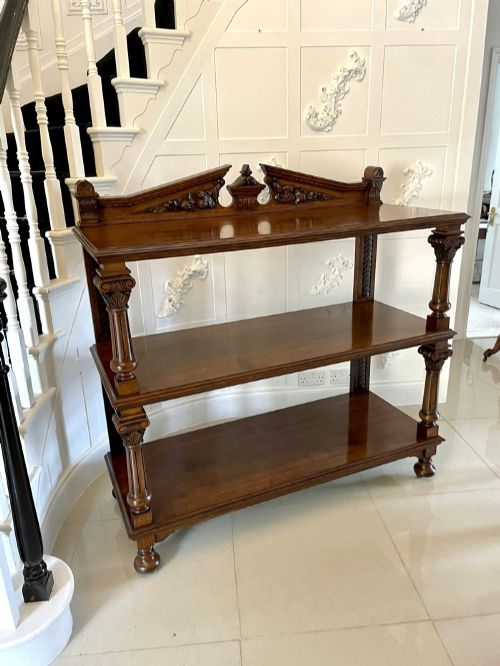
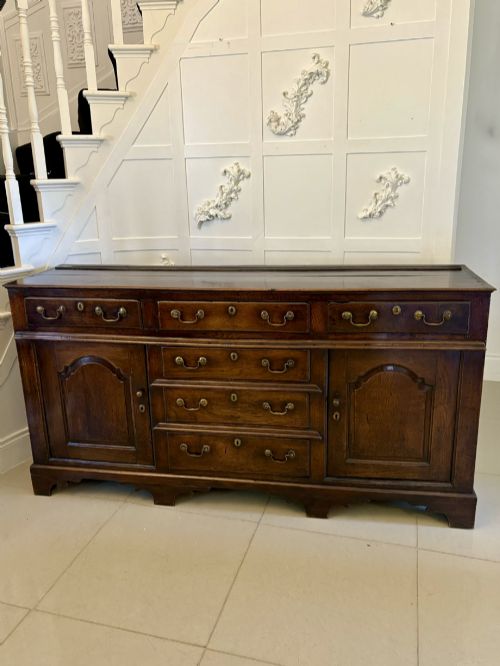
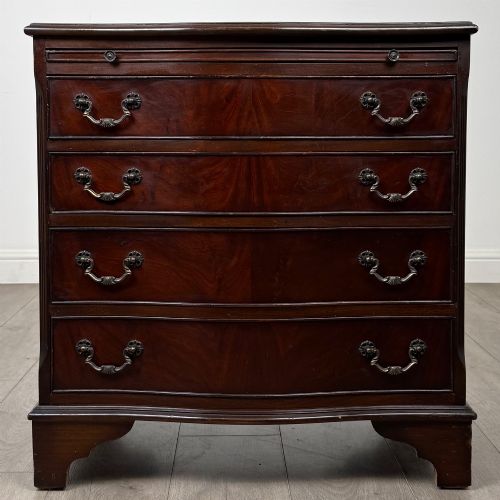
Cabinet forms on this page include Welsh dressers, chiffoniers, court cupboards, dumbwaiters and bowfront chests of drawers.
Evaluating craftsmanship and distinction
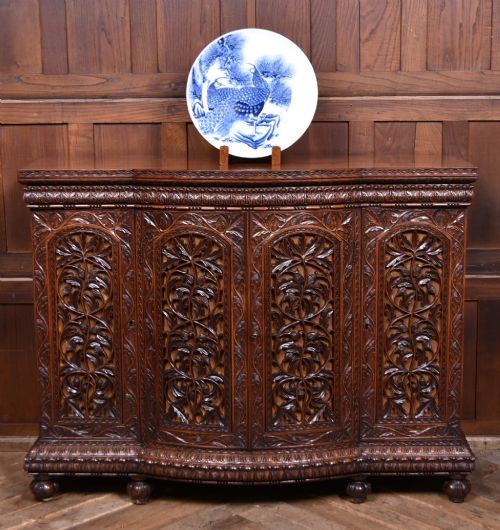
Quality in these pieces is dictated by the selection of timber and the precision of the carving, inlay or joinery. Superior examples feature well-figured mahogany or richly grained oak, alongside crisply executed details like barley twist columns, linenfold panels or serpentine fronts.
The overall proportion and the integrity of the original hardware also separate standard items from finer works. Pieces retaining matching brass handles, well-fitted drawers and stable structural frames represent the higher tier of cabinetmaking.
The Vintage Dark Sideboard Glossary
- Welsh dresser
- A traditional storage unit comprising a base of drawers and cupboards, often surmounted by open plate racks or upper shelving. These are frequently built from solid oak.
- Flame mahogany
- A decorative wood veneer cut from the branch junction of the mahogany tree, displaying a distinctive flamed or fire-like grain pattern. It was favoured in Regency and Georgian cabinetmaking.
- Chiffonier
- A compact low sideboard or cabinet developed in the 19th century, frequently featuring enclosed cupboards and sometimes a mirrored back.
- Barley twist
- A carved wooden furniture leg or column resembling a twisted rope. This decorative turning style appears frequently on Edwardian and Jacobean revival oak furniture.
- Bowfront
- A curved convex front profile found on chests of drawers and sideboards. This design softens the angles of the furniture while increasing central storage depth.
Vintage Dark Sideboard: Frequently Asked Questions
What is a vintage dark sideboard?
A vintage dark sideboard is a large wooden storage unit, typically made from oak or mahogany, designed for dining rooms to hold tableware and serve food.
These pieces range from Georgian and Victorian designs to Edwardian interpretations, offering deep drawers, cupboards and occasionally display shelving.
How do I style a dark wooden sideboard?
Living with a dark wooden sideboard involves balancing its visual weight with lighter walls or complementary furniture. Placing lamps, mirrors or ceramics on top helps break up the dark timber surface.
In dining rooms or living spaces, these sideboards function well as focal points that anchor the room while providing practical concealed storage.
How do I tell Victorian from Edwardian sideboards?
Victorian sideboards often feature heavier proportions, dark carved mahogany, and sometimes mirrored backs or elaborate architectural details. They reflect a taste for imposing, solid construction.
Edwardian pieces, while still utilising dark oak and mahogany, frequently incorporate revival styles like Jacobean or Arts and Crafts motifs, alongside lighter turns like barley twists.
Were these sideboards used only in dining rooms?
While primarily built for dining rooms to store cutlery, linen and serving dishes, many pieces also served in hallways and libraries. Cabinets, cupboards and chiffoniers adapted easily to various household storage needs.
Today, buyers place them in living rooms, hallways and kitchens as versatile storage credenzas and media consoles.